Easy 100 Whole Wheat Sandwich Bread
- Time: Active 20 mins, Passive 1 hour 45 mins, Total 2 hours 05 mins
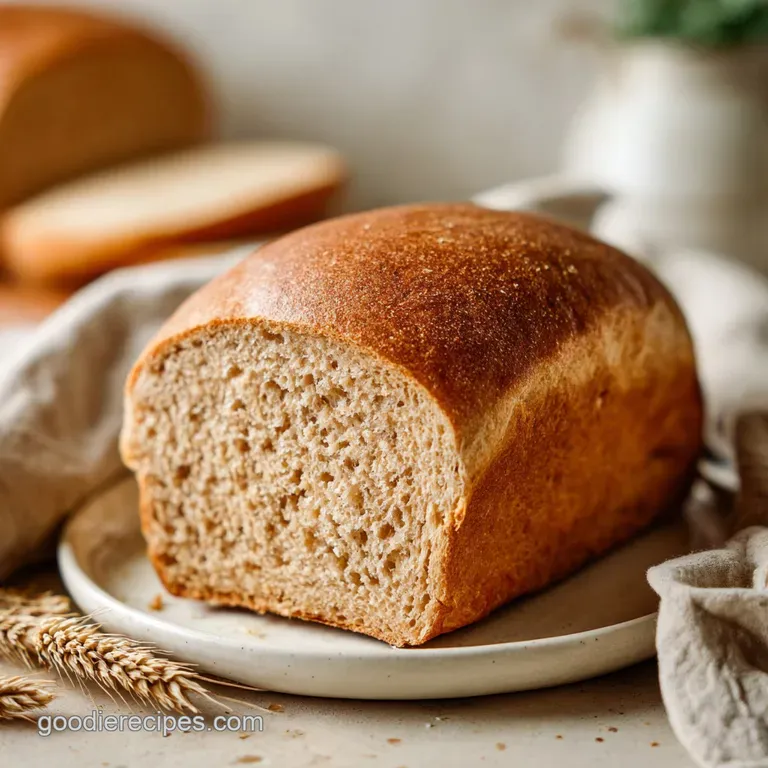
- Flavor/Texture Hook: Nutty, honey sweetened crumb with a soft, matte crust
- Perfect for: Healthy school lunches and fiber rich morning toast
- Why This Whole Wheat Works
- Component Analysis for Soft Crumb
- Ingredients and Smart Substitutions
- Essential Tools for Successful Baking
- Step-by-Step Baking Process
- Fixing Common Baking Problems
- Scaling the Batch
- Baking Myths Debunked
- Freshness and Storage Secrets
- Serving Your Homemade Slices
- Recipe FAQs
- 📝 Recipe Card
Why This Whole Wheat Works
The Acid Base Softening Secret: Apple cider vinegar slightly weakens the gluten bonds just enough to prevent the bran from cutting through them, resulting in a higher, fluffier rise.
Hydration First Kneading: Starting with a wet "sponge" allows the parched whole wheat fibers to fully absorb water before the bulk of the flour is added, preventing a crumbly texture.
Honey as a Humectant: Unlike granulated sugar, honey attracts moisture from the air, which keeps the loaf from drying out on the counter for several days.
| Method | Total Time | Texture | Best For |
|---|---|---|---|
| Standard Oven | 2 hours 05 mins | Crispy crust, soft center | Traditional sandwiches |
| Bread Machine | 3 hours 20 mins | Thick, uniform crust | Set it and forget it days |
| Dutch Oven | 2 hours 30 mins | Crackly, artisanal crust | Dipping in hearty soups |
Whole wheat flour is a thirsty beast compared to white flour. If you treat it the same way, you'll end up with a dry mess. The trick I learned is that the dough should feel slightly tackier than you think it should.
If it’s perfectly clean and dry to the touch before the rise, it’s probably going to be too dense once it hits the heat.
Component Analysis for Soft Crumb
| Ingredient | Science Role | Pro Secret |
|---|---|---|
| Whole Wheat Flour | Structure and fiber | Sift it once to aerate if the bag feels packed tight. |
| Honey | Sweetener and preservative | Spray your measuring spoon with oil so the honey slides right off. |
| Apple Cider Vinegar | Gluten softener | You won't taste it, but it mimics the fluffiness of white bread. |
| Neutral Oil | Fat for tenderness | Melted butter adds better flavor, but oil keeps it softer when cold. |
For the best results, use a high-quality flour. I’ve found that stone ground varieties offer a much richer flavor than the mass produced stuff. If you ever find yourself with extra flour and a craving for something sweeter, this hydration technique is actually quite similar to how I handle the dough for my Monkey Bread Recipe.
Ingredients and Smart Substitutions
- 425g whole wheat flour, divided: Why this? Provides the structural integrity and nutty flavor of a 100% wheat loaf.
- 300ml warm water (105°F-110°F): Why this? The precise temp wakes up the yeast without scalding it.
- 7g instant yeast: Why this? Faster acting than active dry and doesn't require separate blooming.
- 7g fine sea salt: Why this? Regulates yeast growth and brings out the earthy wheat notes.
- 42g honey: Why this? Adds a mellow sweetness and keeps the bread moist longer.
- 28g neutral oil or melted butter: Why this? Coats gluten strands to ensure a velvety mouthfeel.
- 5ml apple cider vinegar: Why this? Acts as a natural dough conditioner for a better rise.
| Original Ingredient | Substitute | Why It Works |
|---|---|---|
| Honey | Maple Syrup | Similar liquid sugar content; adds a woody, autumnal flavor profile. |
| Neutral Oil | Melted Butter | Adds a rich, creamy taste. Note: Loaf may firm up faster in the fridge. |
| Whole Wheat Flour | White Whole Wheat | Same nutrition but a lighter color and milder "wheaty" taste. |
Essential Tools for Successful Baking
You don't need a professional bakery setup for this. A standard 9x5 inch loaf pan is your best friend here. I prefer heavy duty aluminized steel because it distributes heat evenly, preventing those burnt bottoms that ruin a good sandwich.
A digital scale is a non negotiable for me. Volume measurements (cups) are notoriously unreliable for whole wheat, which can settle and pack down. If you're off by even 20 grams, your bread goes from "clouds" to "bricks" in a heartbeat. Trust me, I've made that mistake enough for both of us.
Chef's Tip: Freeze your flour for 20 minutes before mixing if your kitchen is very hot. This keeps the friction from the kneading process from overheating the yeast.
step-by-step Baking Process
1. The Hydration Jumpstart
Whisk together 200g of the flour, the warm water, and the yeast in a large bowl. Let this sit for 15 minutes until the surface is bubbly and frothy. Note: This "sponge" method hydrates the bran early, so it doesn't steal moisture from the gluten later.
2. Building the Dough
Stir in the honey, oil, vinegar, and salt. Gradually add the remaining 225g of flour. Note: You might not need every single gram if the air is humid, so go slow.
3. The Windowpane Test
Knead the dough on a lightly floured surface for 8-10 minutes. You are looking for it to become smooth and elastic. Check the texture by stretching a small piece; it should be thin enough to see light through without tearing.
4. The First Rise
Place the dough in a greased bowl, cover it with a damp cloth, and let it rest in a warm spot for about 1 hour. It should doubling in size and look pillowy.
5. Shaping the Loaf
Gently deflate the dough and roll it into a tight cylinder. Place it into your greased loaf pan, seam side down. Note: Tucking the ends under helps the loaf rise upward rather than outward.
6. The Final Proof
Cover again and let it rise for 35-45 minutes. The dough should climb about one inch above the rim of the pan.
7. Baking to Bronze
Preheat your oven to 350°F (180°C). Bake for 30 minutes until the crust is a deep mahogany and the bottom sounds hollow when tapped.
8. The Internal Check
If you have a thermometer, aim for an internal temperature of 190°F. This ensures the center isn't gummy.
9. The Cooling Wait
Remove from the pan immediately and cool on a wire rack. Wait at least 1 hour before slicing. Note: Cutting too early lets the steam escape, which results in a dry loaf tomorrow.
Fixing Common Baking Problems
Fixing Heavy Loaves
If your bread feels like a stone, the yeast likely didn't have enough "oomph" or the dough was too dry. Whole wheat needs more water than white bread. Next time, try adding a tablespoon more water during the kneading phase. It should be slightly tacky, not dry.
If Crust Separates
A "flying crust" happens when the top of the loaf dries out too fast during the rise. Use a damp towel or a greased piece of plastic wrap to cover the dough. This keeps the "skin" of the dough supple so it can expand with the gases inside.
| Problem | Root Cause | Solution |
|---|---|---|
| Crumbly texture | Under hydration or over baking | Increase water by 10ml and check temp at 25 mins. |
| Sour smell | Over proofing | Reduce second rise time by 10 mins; the dough should not double again. |
| Sunken top | Too much yeast or liquid | Measure yeast precisely with a scale; avoid "heaping" spoons. |
Common Mistakes Checklist ✓ Check yeast expiration - if it doesn't bubble in the sponge, throw it out. ✓ Never skip the vinegar - it's the key to the soft "sandwich" texture. ✓ Use a thermometer for the water - 115°F or higher will kill your yeast.
✓ Resist the urge to add more flour while kneading; the tackiness is good!
Scaling the Batch
To Make Two Loaves
Simply double all ingredients. When doubling, keep the salt and yeast at exactly 2x, but check the dough consistency before adding the last 10% of the water. Bake both pans on the middle rack with at least two inches of space between them for airflow.
Small Batch (1/2 Loaf)
If you only have a mini loaf pan, halve the ingredients. Reduce the initial bake time to 20 minutes and start checking for doneness. For the egg (if you ever use one in variations), beat it in a cup and use exactly half by weight.
If you enjoy the process of watching dough transform but want something with a bit more indulgence, you might like making a Moist Banana Bread recipe as a weekend treat. It uses some of the same moisture retention principles we use here!
Baking Myths Debunked
"You must use bread flour for whole wheat." This isn't true. While bread flour has more protein, 100% whole wheat flour already has plenty of protein; the problem is the bran cutting the gluten. The vinegar and hydration sponge solve this without needing extra additives.
"Kneading longer makes bread fluffier." Only to a point. With whole wheat, over kneading can actually lead to a tougher loaf because the sharp bran continues to work against the gluten strands. Stop once you hit that smooth "windowpane" stage.
Freshness and Storage Secrets
Storage: Store the cooled loaf in an airtight bag at room temperature for up to 4 days. Avoid the refrigerator, as it actually recrystallizes the starches and makes the bread go stale faster.
Freezing: This bread freezes beautifully. Slice the entire loaf first, then place parchment paper between the slices. Freeze in a heavy duty freezer bag for up to 3 months. You can pop a single slice straight into the toaster whenever you need it.
Zero Waste: Don't toss the ends! If they get too dry, pulse them in a food processor for the best whole wheat breadcrumbs you've ever had. They add a fantastic crunch to mac and cheese or baked chicken.
Serving Your Homemade Slices
Better Than Deli Sandwich
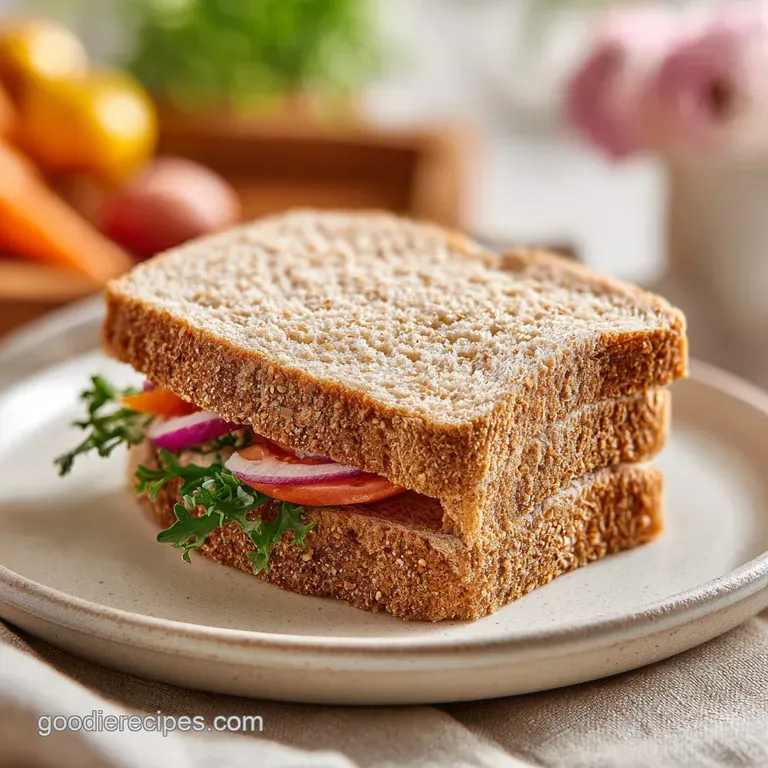
This bread is sturdy enough to handle heavy fillings. My favorite is a thick layer of avocado, sprouts, sliced turkey, and a smear of grainy mustard. The nuttiness of the wheat perfectly complements the creamy avocado.
Restaurant Quality French Toast
Because this loaf is slightly denser than white bread, it makes incredible French toast. It soaks up the custard without falling apart. For a truly decadent morning, try using the same custard base you'd find in a Bread Pudding Recipe, but with these hearty wheat slices instead.
Nutritious Seedy Crunch
Before the second rise, brush the top of the loaf with a little water and sprinkle on a mix of rolled oats, flax seeds, and sunflower seeds. Press them in gently so they stick. As it bakes, the seeds toast and provide a wonderful texture contrast to the soft bread.

Recipe FAQs
Can I substitute honey with granulated sugar in this 100% whole wheat bread?
Yes, but the texture will change slightly. Honey acts as a humectant, meaning it attracts and holds onto moisture, keeping the bread softer longer than regular sugar.
How to ensure the bran doesn't make the loaf dense?
Start by mixing the yeast, water, and some flour first to create a "sponge." This pre-soaking step allows the tough whole wheat fibers to fully absorb water before the structure building gluten develops.
Is it true that I must use bread flour instead of all-purpose flour?
No, bread flour is not mandatory for success here. Since whole wheat flour already contains high protein, the key is using the apple cider vinegar to condition the dough, not just relying on high protein flour.
How to tell when the loaf is perfectly baked internally without a thermometer?
Tap the bottom of the cooled loaf; it should sound distinctly hollow. If it sounds dull or dense, it needs a few more minutes in the oven to cook through.
Can I use this dough recipe in a bread machine?
Yes, you can adapt it using the dough cycle. When using a machine, omit the initial 15-minute sponge rest and simply mix all ingredients per your machine's instructions for the dough setting.
What is the best way to store the baked loaf to maximize freshness?
Store it tightly wrapped at room temperature for up to four days. Avoid refrigeration, as this speeds up starch recrystallization, which causes bread to become stale faster.
How do I make sure the crumb stays soft if I want to use this bread for French Toast?
Let the bread cool completely before slicing and wrapping tightly. Its natural moisture retention from the honey helps, and you'll notice a great texture similar to a dense pastry, perfect for soaking up custard like in a Bread Pudding Recipe.
100 Whole Wheat Sandwich Bread
Ingredients:
Instructions:
Nutrition Facts:
| Calories | 130 kcal |
|---|---|
| Protein | 4.0 g |
| Fat | 2.8 g |
| Carbs | 24.3 g |
| Fiber | 3.3 g |
| Sugar | 2.5 g |
| Sodium | 196 mg |
