Tres Leches Cake: Authentic and Silky
- Time: Active 25 minutes, Passive 30 minutes, Total 55 minutes
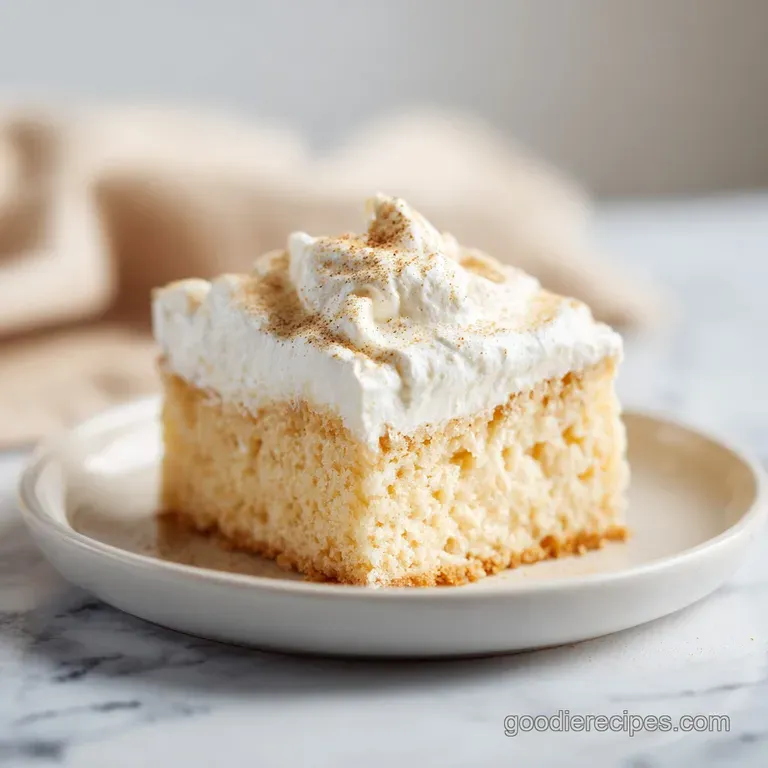
- Flavor/Texture Hook: Silky, milk soaked sponge with a cloud like whipped topping
- Perfect for: Family gatherings, budget-friendly celebrations, or a classic weekend treat
- The Secret To Perfect Tres Leches Cake
- Why This Works
- Essential Components for Your Bake
- Necessary Tools for Success
- Mastering the Three Milk Soak
- Step by Step Instructions
- Perfecting the Sponge Texture
- Adjusting the Recipe Size
- Debunking Common Baking Beliefs
- Storage and Zero Waste
- Ideas for Serving and Presentation
- Recipe FAQs
- 📝 Recipe Card
The Secret To Perfect Tres Leches Cake
Ever wonder how a cake can literally sit in a pool of liquid for hours and not turn into a soggy pile of bread pudding? It sounds like a total kitchen disaster waiting to happen, but it is actually a brilliant bit of kitchen engineering that relies on the strength of eggs rather than the weight of butter.
Most cakes would simply dissolve, but this one thrives on the soak, becoming something entirely different from a standard birthday sponge.
I remember the first time I tried to make this for a family BBQ. I was so worried about it being "mushy" that I only poured half the milk mixture over the top. Big mistake. I ended up with a dry cake sitting in a shallow puddle, and my aunt gave me that look you know the one the "you tried, honey" look.
Now I know that the magic is in the saturation. You want that cake to be heavy, cool, and completely infused with that sweet, creamy nectar.
When you pull this out of the fridge, the aroma of vanilla and sweet cream hits you before you even take a bite. The texture should be velvety and wet, but the cake should still hold its shape when you slide a fork through it.
It is the ultimate comfort food for anyone who grew up with these flavors, and honestly, it is one of the most budget friendly ways to feed a crowd without sacrificing a single bit of that "wow" factor.
Why This Works
Protein Scaffolding: By using five large eggs and very little fat in the actual batter, we create a sturdy web of proteins that can hold onto liquid without collapsing.
Starch Gelatinization: The all purpose flour provides the necessary structure that sets during the 30 minutes of baking, ensuring the "pores" of the cake stay open for the milk.
Osmotic Absorption: The high sugar content in the condensed milk helps the liquid penetrate the cell walls of the baked sponge, drawing the moisture deep into the center.
Thermal Stability: Cooling the cake for exactly 10 minutes before poking holes allows the steam to escape while the crumb is still warm enough to drink up the cold milk mixture.
| Method | Time | Texture | Best For |
|---|---|---|---|
| Oven Bake | 30 minutes | Golden, sturdy crust with a springy center | The classic, authentic texture |
| Stovetop Steam | 45 minutes | Extremely pale, soft, and pudding like | When you want a denser, melt in-mouth feel |
While the oven is the traditional route for this Tres Leches Cake, some older family recipes actually involve steaming the batter. Steaming results in a much more delicate, almost custard like crumb, but you lose that beautiful golden top that helps anchor the whipped cream.
I always stick to the oven because that slight crust acts like a lid, keeping all that glorious milk trapped inside where it belongs.
Essential Components for Your Bake
The beauty of this recipe is that it uses pantry staples to create something that feels incredibly indulgent. We aren't using expensive chocolates or rare fruits here; it’s all about how you treat the basics.
Using room temperature eggs is non negotiable because cold yolks won't double in volume, and cold whites won't reach those stiff, glossy peaks we need for the lift.
| Ingredient | Science Role | Pro Secret |
|---|---|---|
| Large Eggs | Provides the entire structural lift through aeration | Separate them while cold, but whip them at room temperature |
| Condensed Milk | Acts as the primary sweetener and thickener for the soak | Whisk it thoroughly with the evaporated milk to prevent streaks |
| All purpose Flour | Creates the gluten network that prevents the cake from dissolving | Sift it three times to ensure it incorporates without deflating the eggs |
When selecting your milks, don't try to go low-fat. The fat in the whole milk and the heavy cream provides the mouthfeel that makes this dish famous. If you're looking for another classic bake that uses simple ingredients to create a massive impact, you might want to try a Moist Chocolate Sheet Cake for your next gathering. Both recipes are experts at feeding a large group on a budget while keeping everyone coming back for seconds.
Necessary Tools for Success
You don't need a professional pastry kitchen to pull this off, but a couple of specific tools make the process much smoother. A 9x13 inch pan is the standard here. I prefer a glass or ceramic dish because you can see the milk levels on the sides, and it looks beautiful when you bring it straight to the table.
If you use a dark metal pan, just keep an eye on the edges as they might brown a bit faster.
You will also need two separate bowls for your eggs. This is where most people trip up. Even a tiny speck of yolk in your whites will prevent them from fluffing up into that cloud like state. I always crack my eggs into a small ramekin first before adding the white to the big bowl.
It’s a tiny extra step that saves you from wasting five eggs if one yolk happens to break. A sturdy whisk or a hand mixer will be your best friend for getting that volume.
Mastering the Three Milk Soak
- 1 ½ cups (190g) All purpose flour: Provides the body. Why this? Standard flour has the right protein content for a sturdy but soft sponge. Substitute: Cake flour for a more delicate, tender crumb.
- 1 tsp Baking powder: Gives a little extra insurance for the rise. Why this? It helps the eggs lift the weight of the flour. Substitute: ½ tsp baking soda + ½ tsp cream of tartar.
- ½ tsp Fine sea salt: Balances the intense sweetness. Why this? Salt heightens the vanilla and dairy notes. Substitute: Standard table salt is fine.
- 5 Large eggs: The heart of the cake. Why this? They provide both moisture and the entire structure. Substitute: There isn't a great budget swap for eggs in this specific sponge.
- ¾ cup (150g) Granulated sugar: Divided for the yolks and whites. Why this? Sugar stabilizes the egg foam and sweetens the base. Substitute: Caster sugar for even faster dissolving.
- 1/3 cup (80ml) Whole milk: Adds a touch of fat to the batter. Why this? Keeps the sponge from being too dry before the soak. Substitute: 2% milk works in a pinch.
- 1 ½ tsp Pure vanilla extract: For that classic aroma. Why this? Vanilla rounds out the "eggy" flavor of the sponge. Substitute: Vanilla essence for a cheaper alternative.
- 12 oz Evaporated milk: Part of the "three milks". Why this? It's concentrated milk with a slightly toasted flavor. Substitute: Make your own by simmering regular milk down by half.
- 10 oz Sweetened condensed milk: The sweetener for the soak. Why this? It provides a thick, syrupy consistency that stays in the cake. Substitute: Cream of coconut for a tropical twist.
- ¼ cup (60ml) Heavy cream: For the soak mixture. Why this? Adds richness to the liquid bath. Substitute: Half and half if you want it slightly lighter.
- 1 tsp Ground cinnamon: For dusting the top. Why this? Adds a warm, traditional finish. Substitute: Freshly grated nutmeg.
- 1 ½ cups (360ml) Heavy whipping cream: For the topping. Why this? Needs to be high fat to hold its peaks. Substitute: Stabilized whipped topping for longer shelf life.
- 2 tbsp Powdered sugar: For the topping. Why this? Dissolves instantly into the cream. Substitute: Granulated sugar (whisk longer).
- 1 tsp Vanilla bean paste: For the topping. Why this? Those little black specks look beautiful on the white cream. Substitute: More vanilla extract.
step-by-step Instructions
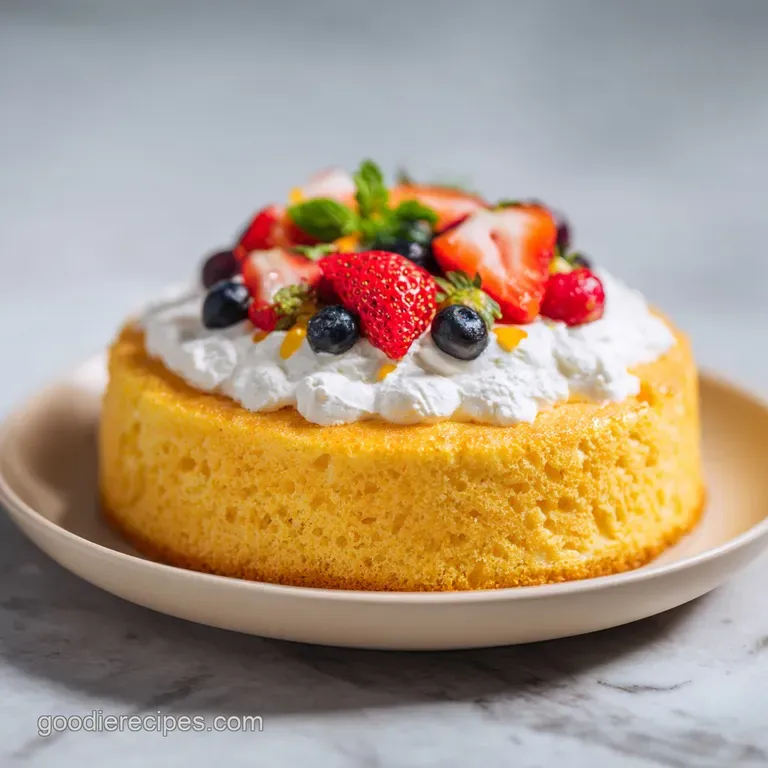
- Preheat and Prep: Set your oven to 350°F (180°C). Whisk the flour, baking powder, and salt in a medium bowl until no lumps remain. Note: Sifting the dry ingredients ensures the sponge stays light.
- Yolk Aeration: Beat the egg yolks with ½ cup of sugar in a large bowl. Continue until they are pale, thick, and doubled in volume.
- Liquids: Stir the 1/3 cup of whole milk and the vanilla extract into the yolk mixture gently.
- White Peaks: In a clean bowl, beat the egg whites to soft peaks. Gradually add the remaining ¼ cup of sugar and beat until stiff, glossy peaks form.
- The Fold: Use a figure eight motion to fold the yolk mixture into the whites. Sift the flour over the top in three batches, folding cautiously until no flour streaks remain.
- The Bake: Pour the batter into an ungreased 9x13 inch pan. Bake for 30 minutes until the top is golden and springs back when pressed.
- The Poke: Cool the cake in the pan for 10 minutes. Use a skewer or fork to poke holes across the entire surface until the cake looks like a honeycomb.
- The Soak: Whisk the evaporated milk, condensed milk, and ¼ cup heavy cream. Pour it slowly over the warm cake, focusing on the edges.
- The Chill: Cover and refrigerate for at least 4 hours. This allows the sponge to fully absorb the liquid nectar.
- The Finish: Whip the chilled heavy cream with powdered sugar and vanilla bean paste. Spread it over the cake and dust with cinnamon before slicing.
Perfecting the Sponge Texture
One of the biggest hurdles with any Tres Leches Cake is ensuring the sponge doesn't collapse. Because we are relying so heavily on egg foam, the way you fold the ingredients is everything. If you are too aggressive, you'll pop all those tiny air bubbles you worked so hard to create.
I always tell people to use a large rubber spatula and imagine you are gently tucking a blanket around a sleeping baby. It sounds silly, but it keeps your movements light and intentional.
Mastering the Airy Sponge Structure
The structure of this cake is unique because it contains no butter or oil. In the world of baking, fat is a "shortener," meaning it interferes with gluten and protein bonds to make things crumbly. By omitting it, we create a very flexible, rubbery (in a good way!) sponge that acts like a structural lattice. This lattice is what prevents the cake from turning into mush. It’s a very different approach compared to a Southern Coconut Cake, which relies on a tender, fat rich crumb. Both are delicious, but they handle moisture in completely opposite ways.
Optimizing Pore Distribution
When you poke the holes in your cake, don't be shy. You want a high density of channels for the milk to travel through. If the holes are too far apart, you'll end up with "dry islands" in the middle of your slices. I usually go for about one hole every half inch.
Also, make sure you poke all the way to the bottom of the pan. This ensures the milk doesn't just sit on the top and make the whipped cream slide off, but actually travels through the entire verticality of the sponge.
| Problem | Root Cause | Solution |
|---|---|---|
| Rubber texture | Over mixing the flour | Fold the flour in by hand, never use a mixer for this step |
| Leaking milk | Cake was too cold when poured | Pour the milk while the cake is still slightly warm (after 10 mins) |
| Flat sponge | Greased the pan edges | Leave the pan ungreased so the batter can "climb" the walls |
Common Mistakes Checklist
- ✓ Always use room temperature eggs to ensure maximum volume during whipping.
- ✓ Don't grease the pan; the cake needs to grip the sides to rise properly.
- ✓ Poke holes while the cake is warm (10 minutes out of the oven) for better absorption.
- ✓ Let the cake chill for at least 4 hours overnight is even better for the flavor to develop.
- ✓ Use a clean, grease free bowl for the egg whites or they will never reach stiff peaks.
Adjusting the Recipe Size
Scaling a cake that relies on egg ratios can be a little tricky, but it’s totally doable if you follow the golden rules. If you want to make a massive version for a party, don't just double the baking time. You're better off making two separate 9x13 inch cakes.
This ensures the center of the cake cooks through before the edges get too dark. If you do decide to double the batch in one large pan, you'll need to drop the oven temperature by about 25°F and bake it much longer.
For a smaller family of four, you can easily halve this recipe and bake it in an 8x8 inch square pan. When halving the eggs, if you end up with a half egg measurement, just beat one egg in a small bowl and use half of the liquid by weight or volume.
The milk soak can also be scaled down linearly, but honestly, having a little extra "milk sauce" on the side is never a bad thing in my house.
| Servings | Pan Size | Egg Count | Cook Time |
|---|---|---|---|
| 6 Servings | 8x8 inch | 3 Small or 2 Large | 22-25 minutes |
| 12 Servings | 9x13 inch | 5 Large | 30 minutes |
| 24 Servings | Two 9x13 inch | 10 Large | 30 minutes (per pan) |
If you are scaling up, remember that the "Three Milks" mixture scales perfectly. You don't need to worry about complex chemistry there it's just a 1:1 ratio adjustment. However, with the spices and vanilla, I usually only go to about 1.5x the amount when doubling the recipe, as they can become a bit overwhelming in large quantities.
Debunking Common Baking Beliefs
There's a common thought that you should wait until the cake is completely ice cold before adding the milk. This is actually a myth! While you don't want it piping hot (which would cook the milk), a warm cake is much more receptive to liquid.
Think of it like a sponge: a slightly damp, warm sponge absorbs a spill much faster than a bone dry, cold one. That 10 minute cooling window is the "sweet spot" where the structure has set but the pores are still wide open.
Another myth is that you need "special" expensive Mexican vanilla for an authentic taste. While high-quality vanilla is always great, the magic of this Tres Leches Cake comes from the combination of the three milks. Most of the vanilla flavor actually comes from the condensed milk and the topping.
If you're on a budget, a good quality vanilla essence will still yield a result that makes your friends beg for the recipe. It’s the technique, not just the price tag of the ingredients, that counts.
Storage and Zero Waste
This is one of the rare cakes that actually tastes better the next day. You can keep it in the fridge for up to 4 days, though the whipped cream might start to lose a little of its fluff after 48 hours.
Always keep it tightly covered with plastic wrap or a lid so it doesn't absorb any "refrigerator smells" nobody wants a cake that tastes like yesterday's onions.
If you find yourself with leftovers that are starting to look a bit sad, don't throw them out! You can scoop the soaked cake into a glass, layer it with fresh berries, and call it a "Tres Leches Trifle." Or, if you have extra milk mixture left over in the pan after the cake is gone, it makes an incredible creamer for your morning coffee.
I've even seen people freeze small cubes of the soaked cake to blend into milkshakes for a truly decadent treat.
Ideas for Serving and Presentation
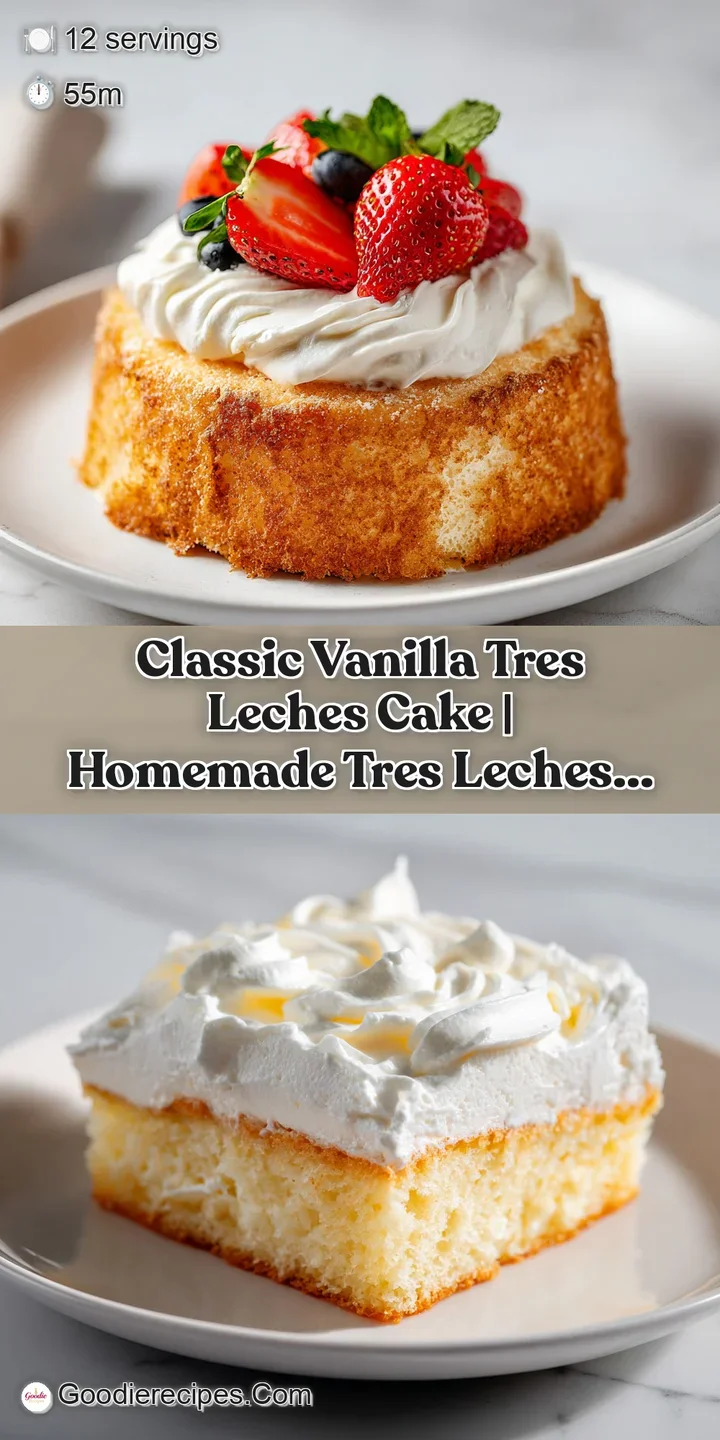
When it comes to serving, keep it simple and classic. A heavy dusting of cinnamon is the traditional way to go, but a few fresh strawberries or raspberries on top can add a lovely tartness that cuts through the rich dairy.
If you want to get fancy, you can pipe the whipped cream in little stars across the top, but a rustic, wavy spread with a spatula always feels more like home to me.
For a summer twist, try serving a slice with a side of mango or passion fruit. The tropical acidity is a dream against the sweet cream. If you're serving this at a dinner party, you can even put a little extra "three milk" mixture in a small pitcher on the table for those people (like me) who believe there is no such thing as too much milk.
No matter how you serve it, this cake is guaranteed to be the star of the show. It's a humble dessert that feels like a million bucks, proving that the best things in life usually come from a few simple ingredients and a lot of love.
Recipe FAQs
Is Tres Leches Cake soggy?
No, it is intentionally moist. The cake is designed to be a sponge that holds a significant volume of milk, resulting in a dense, pudding like texture rather than a traditional dry crumb.
Why is it called tres leches?
It refers to the "three milks" soaking mixture. The name translates to "three milks" because the cake is soaked in a combination of evaporated milk, sweetened condensed milk, and heavy cream.
How long should Tres Leches Cake soak in the fridge?
Chill the cake for at least 4 hours. This duration is essential for the sponge to fully absorb the liquid mixture; if you enjoyed the patience required to reach this stage, you will appreciate the precision needed for our carrot cake muffins.
What is the liquid in tres leches?
The soaking liquid is a blend of 12 oz evaporated milk, 10 oz sweetened condensed milk, and 1/4 cup heavy cream. These specific milks provide the necessary balance of sweetness, creaminess, and structural hydration.
Is it true I must grease the pan to prevent sticking?
No, this is a common misconception. You must use an ungreased pan because the batter needs to grip the sides to rise properly during the 28 32 minute bake time.
How to achieve the perfect sponge texture?
Whisk egg yolks until pale and doubled in volume before gently folding into stiff egg whites. This aeration process creates the light structure required to hold the soaking liquid without collapsing into a dense mass.
How to ensure the cake absorbs all the milk?
Poke holes across the surface with a skewer while the cake is still warm, exactly 10 minutes after removing it from the oven. Pouring the liquid slowly into these channels ensures even distribution throughout the entire 9x13 inch pan.
Authentic Tres Leches Cake
Ingredients:
Instructions:
Nutrition Facts:
| Calories | 378 kcal |
|---|---|
| Protein | 9 g |
| Fat | 19 g |
| Carbs | 43 g |
| Fiber | 1 g |
| Sugar | 31 g |
| Sodium | 184 mg |
