Best Baked Salmon with Asparagus Recipe
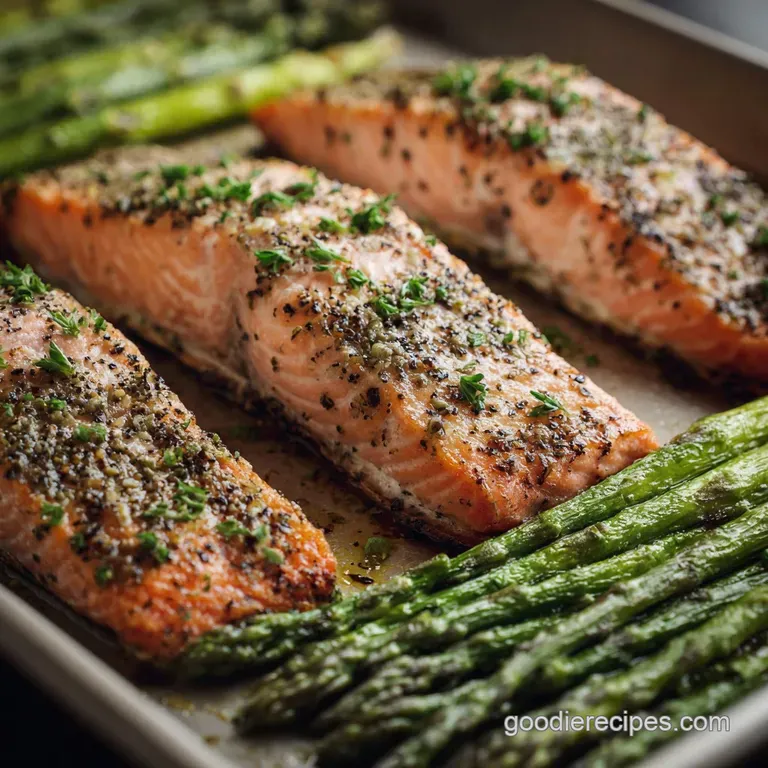
- Time: Active 8 minutes, Passive 12 minutes, Total 20 minutes
- Flavor/Texture Hook: Flaky, citrus bright fillets with snap crisp stalks
- Perfect for: Stress free family dinners or healthy weeknight meal prep
- The Science Behind Perfect Thermal Results
- Essential Components and Recipe Specs
- Elements for a Succulent Sheet Pan Meal
- Kitchen Gear for Seamless Tray Roasting
- Step-by-Step Guide for Flaky Results
- Pro Tactics for Avoiding Kitchen Disasters
- Clever Ingredient Variations and Substitutions
- Adjusting the Recipe for Your Needs
- Keeping Leftovers Fresh and Tasty
- Classic Pairings for a Complete Meal
- Recipe FAQs
- 📝 Recipe Card
There is a specific sound that happens about eight minutes into roasting this meal that tells me dinner is going to be a success. It’s that soft, rhythmic sizzle where the 3 tbsp of melted butter meets the hot metal of the pan, mingling with the scent of roasted garlic and fresh lemon.
I remember the first time I made this for my family; I was so worried about the fish being dry that I hovered by the oven door like a nervous parent. But the moment I pulled it out and saw those vibrant green stalks and the glistening, opaque pink of the salmon, I knew I’d found a keeper.
Honestly, I used to be the person who only ordered salmon at restaurants because I thought I’d ruin it at home. I’ve made every mistake in the book from buying "woody" asparagus that felt like chewing on a pencil to overbaking the fish until it had the texture of a pencil eraser.
This best baked salmon with asparagus recipe is the result of all those "oops" moments. It’s simple, it’s fast, and it treats the ingredients with the respect they deserve.
If you're coming off a week of heavy meals like my Simple Ground Beef recipe, this light fish dish is a breath of fresh air. It feels fancy enough for a Saturday night but is fast enough for a "I have zero energy" Tuesday. We’re going to walk through the prep together so you can get that restaurant quality flake every single time. Let's get into the nitty gritty of why this works.
The Science Behind Perfect Thermal Results
The secret to this dish lies in the thermal conductivity of your sheet pan. When we roast at a high temperature, we are utilizing dry heat cooking to trigger the Maillard reaction on the surface of the salmon while the interior stays tender.
Conductive Synergy: The metal pan acts as a heat sink, transferring energy directly into the asparagus to soften cellulose while the salmon reaches its safety temp. This ensures both components finish at the exact same moment without one turning into mush.
Quick Doneness Decision Guide
| Salmon Thickness | Internal Temp | Rest Time | Visual Cue |
|---|---|---|---|
| 1/2 inch | 145°F | 2 minutes | Opaque throughout |
| 1 inch | 145°F | 3 minutes | Flakes easily with fork |
| 1.5 inches | 145°F | 5 minutes | Just loses translucency |
Salmon continues to cook even after you pull it out of the heat. This is known as carryover cooking, and it’s why we respect the rest time. If you cut into it immediately, those lovely juices will just run all over the pan instead of staying inside the fillet where they belong.
Essential Components and Recipe Specs
To get the best baked salmon with asparagus recipe onto your table, we need to talk about the "specs." We are looking for 4 center cut fillets, specifically 6 oz (170g) each. Center cut is the way to go because they are uniform in thickness, which means they’ll cook at the same rate.
If you get the tail pieces, they’ll be done in half the time and leave you frustrated.
The asparagus is just as important. You’ll need 1 lb (450g) of fresh stalks. I always look for medium thickness; the super thin ones turn to strings in the oven, and the "jumbo" ones can stay tough. We are also using 3 tbsp (42g) of unsalted butter and 1 tbsp (15ml) of extra virgin olive oil.
This fat combo is intentional the oil prevents the butter from burning at high heat, while the butter provides that classic, velvety mouthfeel we all crave.
Much like my favorite simple sheet pan recipe, the cleanup here is almost non existent. You’re basically looking at one pan and maybe a small bowl for the garlic butter. It’s the ultimate win win for anyone who hates doing dishes after a long day.
Elements for a Succulent Sheet Pan Meal
Selecting your ingredients is half the battle. When you're at the store, look for salmon that is firm to the touch and has a vibrant color avoid anything that looks dull or has a "fishy" odor.
The Component Deep Dive
| Ingredient | Science Role | Pro Secret |
|---|---|---|
| Salmon Fillets | Protein Structure | Pat dry with paper towels to ensure the fat sears rather than steams. |
| Lemon Juice | Acid Denaturation | Breaks down tough fibers and brightens heavy fats instantly. |
| Garlic (Minced) | Aromatics | Add at the very start so the oils infuse the butter as it melts. |
Before you start, make sure your 1 lb of asparagus is trimmed. Hold a stalk and snap it; it will naturally break where the woody end meets the tender part. Use that as a guide for the rest of the bunch.
Pantry Staples and Substitutes
- 4 (6 oz) Salmon Fillets: Center cut is best. Why this? Uniform thickness ensures even cooking across all four servings.
- Substitute: Steelhead trout. It looks and tastes very similar but is often a bit more budget friendly.
- 1 lb Fresh Asparagus: Trim those woody ends! Why this? Asparagus roasts in the exact time it takes for salmon to reach 145°F.
- Substitute: Green beans. Note: They may need 5 extra minutes of roasting time.
- 1 Large Lemon: We use half for juice and half for slices. Why this? The slices act as a protective barrier between the heat and the delicate fish.
- Substitute: Lime juice. It adds a zingy, slightly more tropical profile to the dish.
- 3 tbsp Unsalted Butter: Melted and mixed with aromatics. Why this? Fat carries flavor across the palate and creates a silky finish.
- Substitute: Ghee or clarified butter. This works perfectly for those avoiding dairy solids.
- 3 Cloves Garlic: Freshly minced is non negotiable here. Why this? Bottled garlic lacks the pungent sulfur compounds that mellow into sweetness when roasted.
- Substitute: 1 tsp garlic powder. It works, but you'll lose that fresh, punchy "oomph."
- 1 tsp Dried Oregano or Dill: Pick your favorite herb profile. Why this? Oregano feels earthy/Mediterranean, while dill is the classic "bright" pairing for fish.
- Substitute: Fresh parsley. Add this at the end rather than during the bake for the best color.
Kitchen Gear for Seamless Tray Roasting
You don't need a professional kitchen for this, but a few specific tools make life much easier. A heavy duty rimmed baking sheet is your best friend here. Cheap, thin pans tend to warp in the oven, which can cause your oil and butter to pool in one corner, leaving half your meal dry and the other half greasy.
Chef's Tip: Freeze your butter for 10 minutes before melting it. It sounds counterintuitive, but it helps the milk solids stay stable when you hit them with the heat of the garlic, preventing a "burnt" taste.
I also highly recommend an instant read meat thermometer. It is the only way to be 100% sure your salmon is cooked perfectly without cutting into it and letting the moisture escape. If you don't have one, you're just guessing, and salmon is too expensive to guess with!
step-by-step Guide for Flaky Results
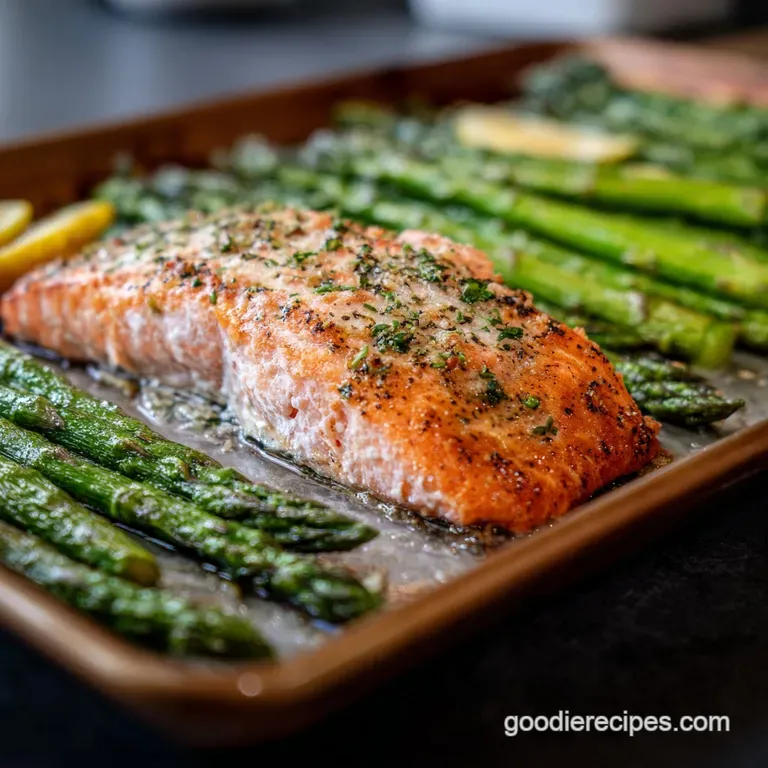
Preparation is everything. Get your oven preheating to 400°F before you even touch the fish. This ensures the environment is hot enough to start the cooking process immediately.
1. Prep and Season
Pat the 4 salmon fillets dry with paper towels. Note: Moisture is the enemy of a good sear. In a small bowl, whisk together the 3 tbsp melted butter, 1 tbsp olive oil, minced garlic, and the juice from half the lemon.
2. Tray Bake Assembly
Place the salmon fillets in the center of the baking sheet. Arrange the 1 lb of asparagus around the fish in a single layer. Cook 12 minutes until the asparagus is tender and the salmon flakes.
3. The 12 Minute Roast
Drizzle the garlic butter mixture evenly over both the salmon and the asparagus. Sprinkle with 1 tsp sea salt, 1/2 tsp cracked black pepper, and your 1 tsp of dried oregano or dill. Top each fillet with a lemon round.
4. The Finish
Slide the tray into the oven. Bake for 12 minutes. Note: If your fillets are very thick, they may need an extra 2 minutes. You'll know it's ready when the salmon is opaque and the asparagus has just a bit of "shatter" to the tips.
Oven vs. Stovetop Comparison
| Feature | Oven (Sheet Pan) | Stovetop (Skillet) |
|---|---|---|
| Hands on Time | Very low | High (needs flipping) |
| Vegetable Texture | Roasted/Charred | Steamed/Sautéed |
| Clean up | One pan | Multiple pans |
Pro Tactics for Avoiding Kitchen Disasters
The biggest disaster in this recipe is rubbery vegetables or dry fish. It usually happens because people treat all parts of the meal as if they have the same heat tolerance.
1. The Rubber Asparagus Trap
If your asparagus comes out chewy, it’s likely because the stalks were too thick and didn't get enough heat, or they were overcrowded. Spread them out! They need air circulation to roast. If they are piled on top of each other, they will steam instead of roast, leading to that limp, sad texture.
2. The Overcooking Oversight
Salmon is done at 145°F, but I usually pull mine at 140°F. The residual heat on the pan will bring it up those last 5 degrees while it rests. If you wait until it looks "totally done" in the oven, it will be overcooked by the time it hits the dinner plate.
Quick Fix Table
| Problem | Root Cause | Solution |
|---|---|---|
| White "stuff" on salmon | Overcooking too fast | Lower temp or pull fish 2 mins earlier next time. |
| Soggy asparagus | Overcrowding the pan | Use a larger sheet pan or two smaller ones. |
| Bland flavor | Not enough salt/acid | Add a fresh squeeze of lemon right before serving. |
Common Mistakes Checklist: ✓ Always pat the fish dry; any surface moisture will cause the fish to steam rather than roast. ✓ Preheat your baking sheet for 5 minutes before adding the ingredients for an extra crispy bottom.
✓ Don't skip the lemon rounds on top; they act as a "heat shield" for the delicate protein. ✓ Let the tray rest for at least 3 minutes before serving to let the juices redistribute.
Clever Ingredient Variations and Substitutions
This recipe is a canvas. While the lemon garlic butter combo is a classic, you can easily pivot based on what's in your pantry.
1. The Mediterranean Twist
Swap the oregano for fresh basil and top the salmon with a spoonful of basil pesto after baking. Add some cherry tomatoes to the sheet pan along with the asparagus for a burst of juicy sweetness that balances the oily fish.
2. The Low Carb Swap
If you aren't a fan of asparagus, you can use sliced zucchini or bell peppers. Just be sure to slice them to a thickness that matches the 12 minute cook time. Zucchini should be about 1/2 inch thick half moons.
Serving Size and Adjustments
| Servings | Salmon Weight | Asparagus Amount | Pan Size |
|---|---|---|---|
| 2 People | 12 oz (2 fillets) | 1/2 lb | Small Sheet Pan |
| 4 People | 24 oz (4 fillets) | 1 lb | Standard 13x18 Pan |
| 6 People | 36 oz (6 fillets) | 1.5 lb | Two Standard Pans |
Adjusting the Recipe for Your Needs
Scaling this recipe is straightforward, but you have to be careful with the physics of the pan. If you double the recipe to 8 fillets, do not try to cram them all onto one sheet pan.
Scaling Down: If you're cooking for one or two, you can use a toaster oven or a small quarter sheet pan. Reduce the bake time by about 2 minutes since a smaller pan heats up much faster.
Use half an egg's worth of liquid if you were making a wash, but here, just halve the butter and oil.
Scaling Up: When doubling the recipe, use two separate sheet pans. If you put too much food on one tray, the moisture released from the asparagus will steam the salmon, and you'll lose that beautiful roasted texture.
Rotate the pans halfway through the 12 minute cook time to ensure both trays get even heat from the oven elements.
Debunking Kitchen Myths
"You must wash your fish before cooking." This is a huge myth! Washing salmon in the sink actually spreads bacteria around your kitchen and makes the skin soggy. A simple pat with a paper towel is all you need for safety and texture.
"The white stuff (albumin) means the fish is bad." Not at all! Albumin is just a protein that gets pushed out of the muscle fibers when they contract from heat. It’s perfectly safe to eat, though it usually means the fish was cooked a little too fast or a little too long.
Keeping Leftovers Fresh and Tasty
Storage and zero waste are the hallmarks of a smart home cook. If you have leftovers, they make for a stellar lunch the next day, but you have to treat them gently.
Storage: Store the salmon and asparagus in an airtight container in the fridge for up to 2 days. I don't recommend freezing cooked salmon, as the texture becomes quite grainy and the asparagus turns to mush upon thawing.
Reheating: Avoid the microwave if you can! It turns salmon into a rubber tire. Instead, place the leftovers back on a sheet pan, cover loosely with foil, and warm in a 300°F oven for about 8-10 minutes. This preserves the silky texture of the fish.
Zero Waste Tip: Don't throw away those trimmed asparagus ends! Throw them into a freezer bag. Once you have a few handfuls, boil them with some onion and veggie scraps to make a light, spring flavored vegetable stock for risotto or soup.
Classic Pairings for a Complete Meal
While this is a fantastic low carb meal on its own, sometimes you want a little more "substance" on the plate.
1. The Starchy Companion
This goes beautifully with a side of fluffy jasmine rice or some baby potatoes. If you want to keep it all on one pan, you can toss halved baby potatoes with olive oil and salt and roast them for 15 minutes before adding the salmon and asparagus to the tray.
2. The Sauce Upgrade
If you want to feel like you're at a 5 star bistro, whisk together a little Greek yogurt, a squeeze of lemon, and some fresh dill to dollop on top of the finished fish. It adds a creamy, tangy contrast to the rich butter sauce.
- For more crunch
- Sprinkle 1/4 cup of Panko breadcrumbs over the salmon before baking.
- For more heat
- Add 1/2 tsp of red pepper flakes to the garlic butter.
- For more sweetness
- Add 1 tsp of honey to the lemon juice mixture.
This best baked salmon with asparagus recipe is all about confidence. Once you see how easy it is to get that perfect flake and that vibrant green snap, you'll never go back to the complicated multi pan versions. Trust the heat, watch the clock, and enjoy the sizzle!
Recipe FAQs
What temperature should I bake salmon and asparagus at?
Bake at 400°F (200°C). This high heat ensures the salmon cooks through and becomes flaky while the asparagus gets delightfully tender with crispy tips.
How long does baked salmon with asparagus take to cook?
About 12 to 14 minutes. This time is perfect for 6 oz salmon fillets, but thicker cuts might need an extra 2 minutes.
How do I know when the salmon is cooked perfectly?
It will be opaque throughout and flake easily with a fork. For precise cooking, aim for an internal temperature of 145°F (63°C), then let it rest for a few minutes.
What is the best way to trim asparagus for roasting?
Snap off the woody ends. Hold an asparagus stalk and bend it; it will naturally break where the tender part meets the tough, woody base.
Can I use frozen salmon for this recipe?
No, use fresh salmon for best results. Frozen salmon can release too much moisture, impacting the texture and leading to a less desirable flaky result.
What can I substitute for asparagus?
Green beans are a good substitute. They roast well alongside salmon, though you might need to add them to the pan 5 minutes before the salmon to ensure they're tender.
Is it true that salmon needs to rest after baking?
Yes, let it rest for 2-5 minutes. This carryover cooking period allows the juices to redistribute within the fillet, ensuring a moist and tender bite.
Baked Salmon Asparagus
Ingredients:
Instructions:
Nutrition Facts:
| Calories | 488 kcal |
|---|---|
| Protein | 36.2 g |
| Fat | 35.4 g |
| Carbs | 6.8 g |
| Fiber | 2.6 g |
| Sugar | 1.8 g |
| Sodium | 615 mg |
