Sweet Potato Casserole: Bourbon and Pecan Praline
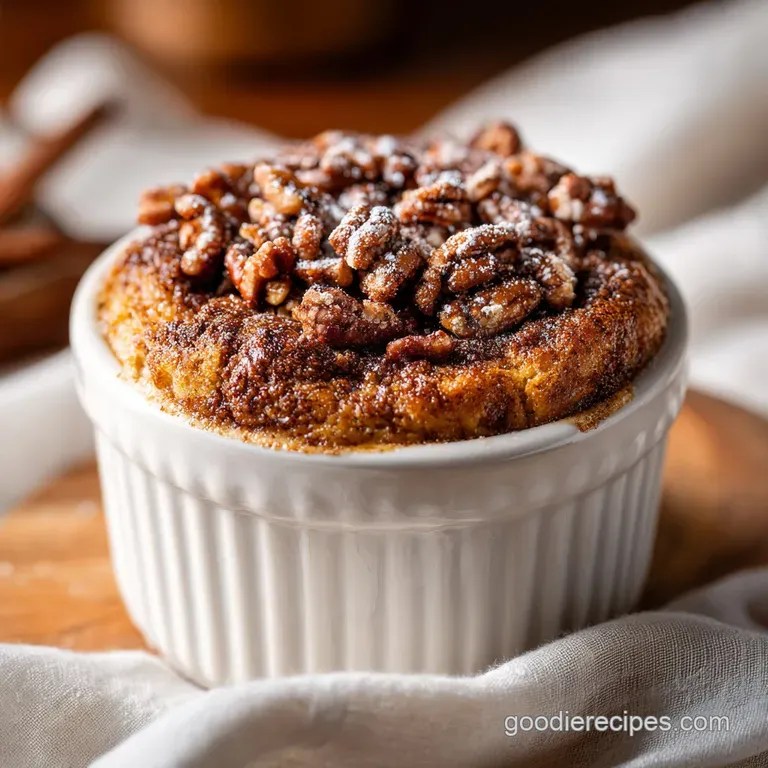
- Time: Active 20 minutes, Passive 70 minutes, Total 90 minutes
- Flavor/Texture Hook: A velvety, bourbon spiked base topped with a shattering pecan praline crust.
- Perfect for: Thanksgiving dinner or a comforting Sunday roast side dish.
- Creating a Silky Golden Sweet Potato Casserole
- Memories of Golden Crispy November Afternoons
- Why This Holiday Favorite Works
- Essential Recipe Specifications and Times
- Selecting the Best Quality Ingredients
- Essential Tools for Perfect Results
- Step by Step Baking Instructions
- Fixing Common Casserole Texture Issues
- Creative Flavor Twists to Try
- Storage Tips and Leftover Ideas
- Scaling the Recipe for Crowds
- Perfect Pairings for Your Table
- Common Myths About This Dish
- Recipe FAQs
- 📝 Recipe Card
Creating a Silky Golden Sweet Potato Casserole
If you have ever stared at a plate of Sweet Potato Casserole only to see a puddle of orange water slowly migrating toward your turkey, you know the heartbreak of a "soupy" casserole. Most people make the mistake of boiling their potatoes. It seems faster, right? But boiling is the enemy of flavor.
When you boil, the potato acts like a sponge, soaking up water and diluting all those natural sugars. The result is a bland, heavy mush that lacks the structural integrity to hold up that gorgeous pecan topping.
This recipe is the targeted fix for the soggy bottom blues. We are ditching the pot of water and roasting the potatoes in their skins. It takes a little longer, but the difference is night and day.
Roasting concentrates the sugars and creates a base so thick and rich it feels like a dessert, yet stays light enough to serve next to savory sides. We are going to build layers of flavor with bourbon and nutmeg, then top it all off with a crumble that provides a genuine crunch.
I remember the first time I served this to my family after years of making the "canned syrup" version. My grandmother, who is the queen of the holiday kitchen, actually asked for the recipe.
That was the moment I realized that small tweaks like roasting instead of boiling and using real heavy cream are what turn a standard side into the star of the table. You are looking for that specific contrast between the velvety interior and the crispy, praline like exterior.
Let's get into why this method actually works.
Memories of Golden Crispy November Afternoons
The smell of roasting sweet potatoes is the unofficial scent of autumn in my house. There is something incredibly therapeutic about the way the skins start to char and weep a sticky, honey like syrup onto the parchment paper.
It is the first sign that the starches are converting into maltose, giving us a sweetness that no amount of white sugar can replicate. I used to rush the process, but now I know that waiting for that sizzle on the baking sheet is the secret to a professional grade dish.
I still think about one specific Thanksgiving where I forgot to add the eggs. I was in a hurry, chatting with my cousin, and I just slid the dish into the oven. We ended up with what was essentially warm mashed potatoes with nuts on top.
It tasted okay, but it lacked that "lift." It didn't have that souffle like bounce. Now, I never skip the eggs, and I always make sure they are at room temperature so they emulsify properly with the warm mash. It is those tiny details that make the Sweet Potato Casserole a tradition rather than just another recipe.
Why This Holiday Favorite Works
Maillard Concentration: Roasting the potatoes in their skins allows the natural sugars to caramelize and the moisture to evaporate, preventing a watery base.
Protein Structure: Adding room temperature eggs creates a stable network during baking, which gives the mash a light, airy, souffle like texture instead of a dense, heavy one.
Fat Saturation: Using heavy cream instead of milk provides a higher fat content that coats the starch molecules, resulting in a silky mouthfeel that feels luxurious.
Alcohol Synergy: The bourbon acts as a flavor bridge, where the alcohol molecules bond with both fat and water, intensifying the aroma of the vanilla and nutmeg.
| Method | Cook Time | Texture | Flavor Profile |
|---|---|---|---|
| Oven Roasting | 60 mins | Velvety and thick | Deep, caramelized, and nutty |
| Boiling | 20 mins | Heavy and wet | Diluted and bland |
| Stovetop Mash | 15 mins | Chunky and dense | Simple and starchy |
The choice between stovetop and oven is really a choice between convenience and quality. While boiling is faster, it introduces excess moisture that ruins the "shatter" of the pecan topping. By roasting, you ensure the base is sturdy enough to support the heavy praline layer without sinking.
If you find yourself short on time, you can roast the potatoes a day in advance, which actually makes the flavors meld even better.
Essential Recipe Specifications and Times
Getting the timing right is crucial for a dish that often has to compete for oven space. You need to account for the two stage cooking process: the initial roast of the tubers and the final bake of the assembled dish.
I always recommend roasting the potatoes while you are prepping other things, as it is largely hands off time.
- Roasting Temperature: 200°C (400°F) for the initial roast to ensure the skins char slightly.
- Baking Temperature: 175°C (350°F) for the final assembly to prevent the marshmallows from burning before the center is hot.
- Total Passive Time: 70 minutes of oven time where the magic happens.
- Internal Consistency: The potatoes should be "weeping" syrup and soft enough that a fork slides through with zero resistance.
| Component | Science Role | Pro Secret |
|---|---|---|
| Sweet Potatoes | Starch & Sugar Base | Roast until skins are charred for a smoky depth. |
| Large Eggs | Structural Binder | Whisk until pale to incorporate air for a fluffy lift. |
| Unsalted Butter | Fat & Flavor | Use high-quality European butter for a richer finish. |
| Bourbon | Flavor Enhancer | The heat evaporates the alcohol but leaves a caramel note. |
The role of the eggs is often misunderstood in this Sweet Potato Casserole. They aren't just there to hold things together; they transform the mash into something closer to a custard. This is why we whip the mixture with a hand mixer.
We are literally beating air into the sweet potato fibers, and the eggs trap those bubbles as they set in the heat of the oven.
Selecting the Best Quality Ingredients
For the base, you want 1.8 kg (4 lbs) of fresh sweet potatoes. Look for the ones with deep copper skins and bright orange flesh often labeled as "Jewel" or "Garnet" varieties. These have the highest sugar content and the smoothest texture once mashed.
Avoid the pale, tan skinned varieties, which tend to be more starchy and dry, similar to a regular russet.
When it comes to the fat, we use 115g (0.5 cup) of softened unsalted butter for the base and 60g (0.25 cup) of cold, cubed butter for the topping. This distinction is vital. Softened butter blends into the warm potatoes easily, creating a velvety emulsion.
Cold butter in the topping, however, stays in small chunks, which melt in the oven to create those distinct "nuggets" of crunch in the praline.
- Granulated Sugar (100g / 0.5 cup): Provides sweetness without the molasses weight.
- Heavy Cream (60ml / 0.25 cup): Adds the necessary moisture for a silky finish.
- Vanilla Extract (1 tsp): Essential for that dessert like aroma.
- Bourbon (1 tbsp): A smoky, oaky kick that cuts through the sweetness.
- Nutmeg & Salt: The savory counterpoints that make the flavors pop.
- Brown Sugar (200g / 1 cup): Packed for the topping to create a caramel crust.
- Pecans (1 cup): Chopped roughly to provide varying textures.
- Mini Marshmallows (2 cups): The classic, nostalgic finish for those who love it.
| Original Ingredient | Substitute | Why It Works |
|---|---|---|
| Heavy Cream | Full fat Coconut Milk | Similar fat content. Note: Adds a subtle tropical flavor. |
| Bourbon | Apple Juice | Provides acidity and sugar. Note: Lacks the smoky depth of bourbon. |
| Pecans | Walnuts | Similar oil content. Note: Walnuts are slightly more bitter. |
| All Purpose Flour | Almond Flour | High fat content. Note: Creates a softer, grainier crumble. |
If you are looking for a leaner option, you might be tempted to use low-fat milk, but I wouldn't recommend it. The water content is too high, and you risk that "separation" where the liquid pools at the bottom. If you need a different side that handles moisture differently, my Scalloped Potatoes are a fantastic alternative that uses a flour based sauce to lock in the creaminess.
Essential Tools for Perfect Results
You don't need a professional kitchen to make a stellar Sweet Potato Casserole, but a few specific tools make the job much easier. A hand mixer is my preferred tool for the base. While you can use a potato masher, a mixer breaks down the long fibers of the sweet potato more effectively, resulting in that "silky" texture we are aiming for.
A pastry cutter is another "nice to have" for the pecan topping. It allows you to cut the cold butter into the flour and sugar without your hands warming up the fat. If the butter melts before it hits the oven, you'll end up with a greasy paste instead of a crisp crumble.
If you don't have one, two forks or even a quick pulse in a food processor will do the trick just as well.
Concentrating Natural Sugars
The first step is all about the roast. Do not peel the potatoes yet. By keeping them in their "jackets," you are essentially steaming them in their own juices. This protects the flesh from drying out while the high heat of the oven (200°C) works on the sugars.
You'll know they are ready when the skins are loose and the bottoms are caramelized.
Engineering the Perfect Crunch
The pecan topping is essentially a deconstructed praline. The ratio of brown sugar to butter is high, which means as it bakes, the sugar melts and then hardens around the nuts. This creates a "shatter" effect when you bite into it.
Using cold butter is the secret; it creates steam as it evaporates, leaving behind tiny air pockets in the crust.
step-by-step Baking Instructions
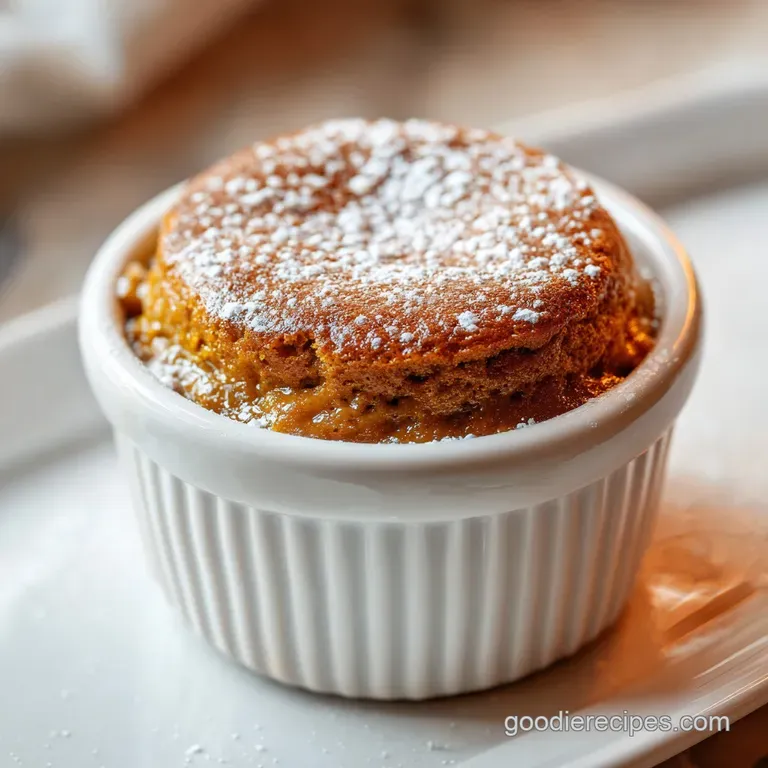
- Roast the tubers. Preheat your oven to 200°C (400°F). Pierce the 1.8 kg of sweet potatoes with a fork several times. Place them on a foil lined baking sheet and roast for 50–60 minutes until they are soft and weeping syrup.
- Prep for assembly. Lower the oven temperature to 175°C (350°F). Once the potatoes are cool enough to handle, peel away the skins and discard them. The skins should slip off almost effortlessly.
- Whip the base. In a large mixing bowl, combine the potato flesh, 115g softened butter, 100g granulated sugar, 60ml heavy cream, 2 large eggs, vanilla, salt, nutmeg, and bourbon.
- Emulsify the mixture. Use a hand mixer on medium speed and beat for 2–3 minutes until the mixture is pale orange and velvety. Note: This incorporates air for a lighter texture.
- Transfer to dish. Spread the mixture evenly into a greased 9x13-inch (approx. 23x33 cm) ceramic baking dish. Smooth the top with a spatula.
- Mix the crumble. In a separate bowl, combine 200g brown sugar, 45g all purpose flour, and 1 cup of chopped pecans.
- Cut in the butter. Add 60g of cold, cubed butter. Use a pastry cutter or fork to work it in until the mixture resembles coarse, pea sized crumbs.
- Apply the topping. Sprinkle the pecan mixture evenly over the potatoes. Ensure you cover the edges as they tend to crisp up the most.
- Bake the casserole. Place in the oven for 25–30 minutes until the edges are bubbling and the topping is golden.
- Optional marshmallow finish. If using, sprinkle 2 cups of mini marshmallows over the top during the last 5 minutes of baking until they are toasted and puffed.
Chef's Tip: If you want an even deeper flavor, brown the 115g of butter for the base before adding it. It adds a toasted, nutty aroma that complements the pecans perfectly. Just make sure to let it cool slightly so it doesn't scramble the eggs.
Fixing Common Casserole Texture Issues
Preventing a Runny Base
If your casserole comes out watery, the culprit is usually excess moisture in the potatoes. This often happens if you boil them or if the potatoes were particularly large and "water heavy." To fix this, you can stir in a tablespoon of cornstarch mixed with a little water before baking.
The starch will gelatinize and bind the liquid.
Avoiding Burnt Toppings
Pecans and sugar burn quickly. If you notice the topping getting too dark before the center is hot, tent the dish loosely with aluminum foil. This allows the heat to continue penetrating the center without the direct radiant heat scorching the sugar.
Also, always keep a close eye on the marshmallows; they go from golden to black in about 30 seconds.
| Problem | Root Cause | Solution |
|---|---|---|
| Grainy Texture | Butter was too cold or eggs were cold | Ensure all base ingredients are room temperature before mixing. |
| Soggy Crust | Butter in topping was too soft | Freeze the cubed butter for 10 minutes before mixing the crumble. |
| Flat Base | Over mixing or skipping eggs | Stop mixing once smooth; the eggs provide the necessary lift. |
Common Mistakes Checklist
- ✓ Always roast the potatoes instead of boiling (prevents waterlogged mash).
- ✓ Use room temperature eggs to ensure they emulsify with the fat.
- ✓ Don't skip the bourbon; the acidity and alcohol brighten the heavy starches.
- ✓ Measure the flour for the topping carefully; too much makes it pasty, too little makes it greasy.
- ✓ Let the casserole rest for 10 minutes after baking to allow the sugars to set.
Creative Flavor Twists to Try
If you find the traditional Sweet Potato Casserole a bit too sweet, you can easily pivot to a savory version. Swap the sugar for 100g of freshly grated parmesan and replace the vanilla with chopped fresh rosemary or sage. This turns the dish into a sophisticated side that pairs beautifully with roast beef or my Lemon Herb Chicken.
Another fantastic variation is the Maple Bourbon twist. Instead of granulated sugar in the base, use 120ml (0.5 cup) of high-quality maple syrup. This adds a woody, complex sweetness that pairs perfectly with the bourbon.
You can also add a pinch of cayenne pepper to the pecan topping for a "sweet and heat" vibe that keeps people coming back for more.
Creating a Savory Version
For those who prefer a less sugary holiday, try adding 100g of cooked, crumbled bacon to the pecan topping. The saltiness of the bacon cuts right through the richness of the potatoes. You can also replace the marshmallows with a dollop of goat cheese before the final bake for a creamy, tangy contrast.
The Ultimate Holiday Spread
This dish is a chameleon. If you want to lean into the dessert aspect, increase the nutmeg and add a half teaspoon of cinnamon and ground ginger. This gives it a "pumpkin pie" flavor profile. If you are serving a crowd with diverse tastes, you can even do half the dish with marshmallows and half with just the pecans.
Storage Tips and Leftover Ideas
Sweet Potato Casserole is one of the few holiday dishes that actually tastes better the next day. The flavors of the bourbon and spices continue to develop as it sits. You can keep leftovers in the fridge for up to 4 days.
To reheat, I suggest using the oven at 150°C (300°F) covered with foil. This prevents the topping from burning while ensuring the middle gets hot. Avoid the microwave if possible, as it can make the pecan topping soft and chewy.
For long term storage, you can freeze the potato base (without the topping) for up to 3 months. When you are ready to serve, thaw it in the fridge overnight, add a fresh pecan topping, and bake as directed. This is a massive time saver for busy holiday weeks. For zero waste, don't throw away those potato skins!
Toss them in a little oil and salt and air fry them at 200°C for 5 minutes for a crispy, fiber rich snack.
Scaling the Recipe for Crowds
Scaling this Sweet Potato Casserole is straightforward, but you need to be careful with the spices. If you are doubling the recipe for a huge party (24 servings), use a second 9x13-inch dish rather than one giant deep pan. This ensures the ratio of crispy topping to velvety base remains perfect.
If the dish is too deep, the bottom won't heat through before the top burns.
- Scaling Down (6 servings): Halve all ingredients. Use an 8x8-inch square pan. Reduce the final baking time by about 5 minutes.
- Scaling Up (24 servings): Double the ingredients. Increase spices like nutmeg and salt to 1.5x only to avoid overpowering the dish.
- Baking Multiple Trays: If baking two dishes at once, rotate them halfway through the 30 minute bake to ensure even browning.
Perfect Pairings for Your Table
This dish is quite rich, so it thrives when paired with something acidic or salty. A classic roast turkey with a vinegar based gravy is the traditional partner, but it also works wonders with a salty honey glazed ham. The sweetness of the ham mirrors the casserole, while the salt provides the necessary contrast.
If you are looking for a gourmet steakhouse feel, serve this alongside a thick cut ribeye. The creaminess of the potatoes acts as a sauce for the meat. For a balanced plate, I always suggest adding a bright green vegetable like roasted Brussels sprouts or a crisp kale salad.
The bitterness of the greens resets your palate between bites of the decadent, velvety Sweet Potato Casserole.
Common Myths About This Dish
"Marshmallows were added by a marketing firm." This is actually true! In the early 1900s, a marshmallow company hired a chef to create recipes using their product to boost sales. However, that doesn't make it a "fake" tradition.
The pairing of gooey sugar and earthy starch has survived for a century because the textures genuinely complement each other.
"You have to use canned yams for the best texture." This is a huge myth. Canned "yams" (which are actually just sweet potatoes in syrup) are often over processed and lack the vibrant flavor of fresh tubers. While they are convenient, they provide a one dimensional sweetness.
Roasting fresh potatoes gives you a complexity of flavor that canned versions simply cannot match. The Maillard reaction we get from the oven roast is the key to a professional finish.
Recipe FAQs
How to ensure the sweet potatoes are cooked through before mashing?
Roast at 400°F for 50 60 minutes until they are soft and weeping syrup. The appearance of syrup indicates the natural sugars have caramelized, ensuring the potatoes are tender enough for a silky smooth mash.
Is it true I should boil the potatoes instead of roasting to save time?
No, this is a common misconception. Boiling introduces excess water, which dilutes the flavor and results in a watery casserole; roasting concentrates the natural sugars and creates the superior texture required for this dish.
How to achieve a silky smooth base for the casserole?
Whip the mixture on medium speed using a hand mixer until the color transitions to a pale orange. If you enjoyed achieving this creamy consistency, see how the same whipping technique applies to our mashed potato recipe for a similar velvety finish.
How to reheat leftovers without ruining the topping?
Place the casserole in an oven preheated to 300°F and cover with foil. This moderate temperature warms the center thoroughly without causing the pecan crumble to burn or the marshmallow topping to liquify.
Is it possible to prepare this dish ahead of time?
Yes, you can freeze the potato base for up to 3 months. Prepare the base according to instructions, freeze without the topping, and add the crumble and marshmallows just before baking.
How to incorporate marshmallows without them burning?
Sprinkle the marshmallows over the top during the final 5 minutes of the 25 30 minute bake time. This short duration allows them to toast into a golden brown finish while keeping them from melting into the potato base.
How to ensure the pecan topping is perfectly crumbly?
Use a pastry cutter or fork to work the cold, cubed butter into the flour and brown sugar mixture. Keep the butter pieces small and cold to ensure the topping remains distinct and crumbly rather than turning into a paste during baking.
Bourbon Sweet Potato Casserole
Ingredients:
Instructions:
Nutrition Facts:
| Calories | 472 kcal |
|---|---|
| Protein | 4.8 g |
| Fat | 21.8 g |
| Carbs | 66.5 g |
| Fiber | 5.5 g |
| Sugar | 44.2 g |
| Sodium | 208 mg |
