Dinner Idea for Kids with Cheesy Pasta: Velvety Sauce
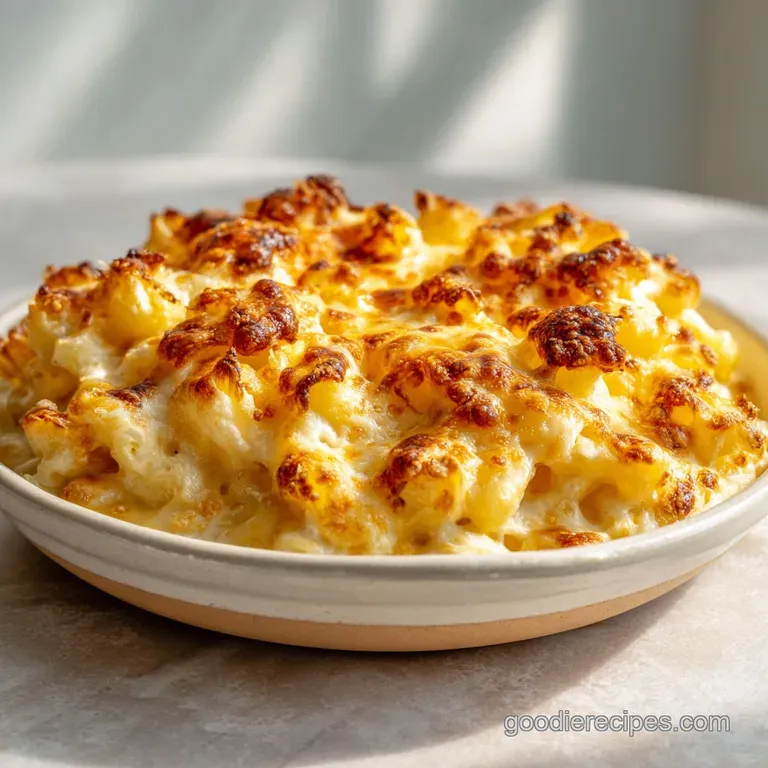
- Time: Active 5 minutes, Passive 10 minutes, Total 15 minutes
- Flavor/Texture Hook: Silky, mild cheddar richness with a smooth, velvety finish
- Perfect for: Busy weeknight dinners, picky eaters, and meal prep
- A Dinner Idea for Kids with Cheesy Pasta
- Why This Dinner Idea for Kids with Cheesy Pasta Works
- Vital Stats for This Fast Weeknight Meal
- The Simple Components for a Velvety Finish
- Basic Kitchen Tools for a Better Sauce
- The Master Steps to a Better Bowl
- Fixes for a Grainy or Thick Sauce
- Creative Ways to Customize Your Family Dinner
- Safe Storage and Clever Zero Waste Ideas
- Best Ways to Serve Your Family Dinner
- High in Sodium
- Recipe FAQs
- 📝 Recipe Card
A Dinner Idea for Kids with Cheesy Pasta
I remember the first time I tried to feed my niece something that wasn't "chicken shaped." She looked at the plate like I’d served her a bowl of pebbles. It was that classic "beige food" phase where anything green or textured was immediately suspicious.
I stood in the kitchen, listening to the gentle sizzle of butter melting in the pan, wondering how I could make a meal that felt familiar but actually had some substance. That afternoon, the kitchen smelled like nutty butter and toasted flour, and I realized that the secret wasn't in changing the dish, but in perfecting the texture.
This recipe provides a surefire dinner idea for kids with cheesy pasta they'll actually eat. It's the result of many failed attempts at "healthy" mac and cheese that ended up in the bin because the sauce was too grainy or the veggies were too obvious.
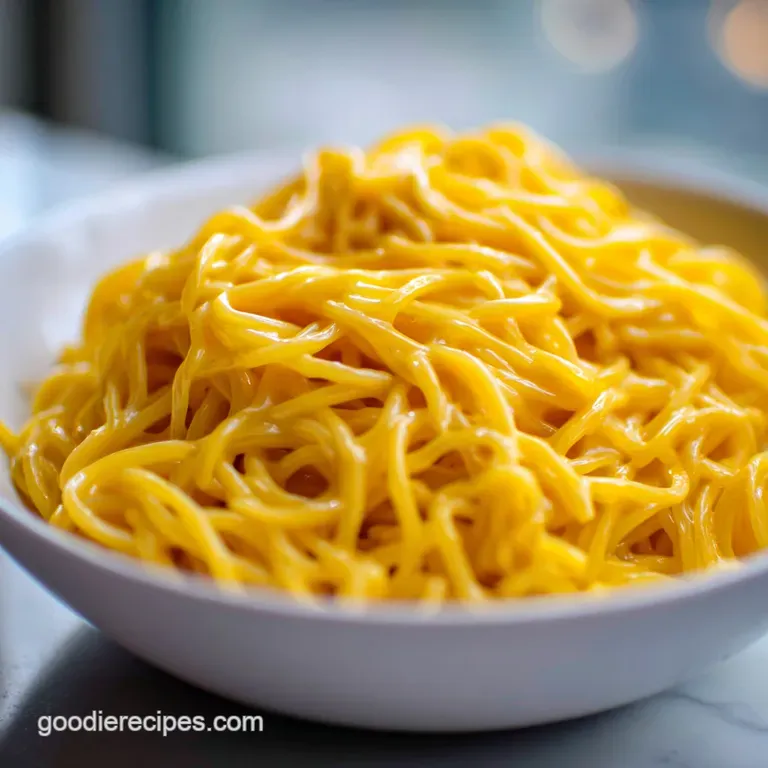
We are going for a sauce that is so silky it feels like a hug in a bowl. You'll see the steam rise as the mild cheddar melts into the milk, creating a liquid gold that coats the fusilli perfectly.
No lumps, no weird "veggie" bits, just pure comfort that looks exactly like the stuff from the blue box but tastes a hundred times better.
Trust me, we have all been there, staring at a pot of boiling water at 6:00 PM with zero energy. This is my go to because it’s fast and reliable. You don't need fancy skills or expensive ingredients. You just need a whisk, a pot, and fifteen minutes.
We’re going to use a simple trick with cauliflower that changes everything, and I promise, your kids won't even notice it's there. Let’s get into how we make this happen without losing our minds.
Why This Dinner Idea for Kids with Cheesy Pasta Works
- Emulsification Bridge: The 30g of all purpose flour bonds with the 56g of butter to create a roux, which prevents the cheese from separating into an oily mess.
- Starch Suspension: Using short cut pasta like fusilli or macaroni creates little pockets that trap the sauce, ensuring every bite is saturated with flavor.
- Thermal Buffer: The 120g of cauliflower puree acts as a natural thickener and stabilizer, keeping the cheese sauce creamy even as it cools down on a child's plate.
- Protein Synergy: Mixing 150g of cheddar with 50g of Monterey Jack or Mozzarella provides a balance between sharp flavor and that "stretchy" pull kids love.
| Feature | This Quick Recipe | Traditional Baked Mac |
|---|---|---|
| Total Time | 15 minutes | 1 hours 10 mins |
| Texture | Silky and Saucy | Firm and Crusty |
| Veggie Count | 120g hidden puree | Usually 0g |
There is a massive difference between a sauce that sits on top of the pasta and one that actually marries with it. By using the right ratios of fat to starch, we create a velvet like coating that doesn't break or become grainy.
This is especially important if you have kids who take their time eating, as the sauce stays cohesive for longer.
Vital Stats for This Fast Weeknight Meal
| Component | Science Role | Pro Secret |
|---|---|---|
| Butter (56g) | Fat base for roux | Use unsalted to control the sodium levels perfectly. |
| Whole Milk (475ml) | Liquid emulsion | Room temp milk prevents the roux from clumping up. |
| Cheddar (150g) | Primary flavor | Grate it yourself to avoid the grainy cellulose in bags. |
| Pasta (340g) | Structural base | Boil in highly salted water to flavor the noodle core. |
Using room temperature milk is a small step that makes a huge difference. When you pour ice cold milk into a hot butter and flour mixture, the fat can seize, leading to tiny lumps that are almost impossible to whisk out.
If you forget to take the milk out early, just pop it in the microwave for 20 seconds to take the chill off.
The Simple Components for a Velvety Finish
- 340g short cut pasta: Fusilli is my favorite because the spirals act like a screw, pulling the sauce into the center. Why this? Shapes with ridges or holes hold significantly more sauce than smooth noodles.
- 1 tbsp sea salt: For the pasta water. Why this? It's the only chance you have to season the pasta itself.
- 56g unsalted butter: The fat source. Why this? Provides a rich mouthfeel and carries the flavor of the cheese.
- 30g all purpose flour: The thickener. Why this? Creates the roux that stabilizes the entire cheese emulsion.
- 475ml whole milk: The liquid base. Why this? High fat content makes the sauce creamier than skim or 2%.
- 150g mild cheddar: Freshly grated. Why this? Mild cheddar melts better and is more kid friendly than extra sharp.
- 50g Monterey Jack or Mozzarella: Shredded. Why this? Adds the necessary "stretch" and a mild, creamy finish.
- 1/4 tsp onion powder: The "secret" savoriness. Why this? Adds depth without the texture of real onions that kids might reject.
- 120g steamed cauliflower puree: The hidden boost. Why this? It perfectly mimics the color and texture of the cheese sauce.
| Original Ingredient | Substitute | Why It Works |
|---|---|---|
| Whole Milk | Evaporated Milk | Even creamier and more stable. Note: Richer flavor profile. |
| Cheddar Cheese | Gouda | Very mild and melts exceptionally well for picky eaters. |
| Cauliflower Puree | Butternut Squash Puree | Adds a slight sweetness and a bright orange hue. |
If you are out of cauliflower, don't sweat it. You can skip it, but you might need to add a splash more milk to keep the volume of the sauce consistent. However, the puree really helps the sauce stick to the noodles, so try to keep it if you can.
Basic Kitchen Tools for a Better Sauce
You don't need a professional kitchen for this, but a few specific tools make the flow much smoother. A heavy bottomed saucepan is your best friend here. It distributes heat evenly, which is vital when you’re melting cheese.
If your pot has a thin bottom, the cheese at the very bottom can scorch before the rest has a chance to melt.
I also highly recommend a balloon whisk. It’s better at getting into the "corners" of the pan than a fork or a spoon, ensuring no flour gets left behind to create lumps. For the cheese, a box grater is superior to a food processor because it gives you those long, thin strands that melt instantly.
Finally, a colander for the pasta is a must, but try to find one with small holes so you don't lose any of the smaller pasta shapes down the drain.
The Master Steps to a Better Bowl
- Boil the water. Fill a large pot with water and add the sea salt. Bring to a rolling boil.
- Cook the pasta. Add the 340g of pasta and cook for about 8 minutes until it is firm to the bite but not crunchy. Note: It will cook slightly more once added to the sauce.
- Prepare the roux. While the pasta cooks, melt the 56g of butter in a saucepan over medium heat until it starts to foam.
- Whisk in flour. Add the 30g of flour to the butter. Whisk constantly for 1 minute until the raw flour smell is gone and it looks like wet sand.
- Add the milk. Slowly pour in the 475ml of milk, whisking vigorously. If you want a similar vibe for a different night, this is much like the base of our 30 Minute Creamy recipe.
- Simmer and thicken. Keep whisking over medium heat until the sauce thickens enough to coat the back of a spoon.
- Whisk in puree. Stir in the 120g of cauliflower puree and the onion powder until the mixture is completely uniform.
- Melt the cheese. Remove the pan from the heat. Add the 150g of cheddar and 50g of Monterey Jack. Stir until the sauce is glossy and the cheese has fully vanished.
- Combine. Drain the pasta and immediately toss it into the cheese sauce. Stir until every noodle is enveloped in the velvety coating.
- Final check. If the sauce seems too thick, add a tablespoon of warm milk or pasta water until the consistency is perfect.
Chef's Tip: Always take the sauce off the heat before adding the cheese. High heat can cause the cheese proteins to clump together, resulting in a grainy texture instead of a silky one.
Fixes for a Grainy or Thick Sauce
Why Your Sauce Feels Grainy
This usually happens for one of two reasons: the heat was too high when the cheese was added, or you used pre shredded cheese. Pre bagged cheese is coated in potato starch or cellulose to prevent it from sticking in the bag. These coatings don't melt; they just sit in the sauce like tiny grains of sand.
If this happens, try whisking in a teaspoon of lemon juice or a splash of heavy cream. The acid or extra fat can sometimes help smooth out the proteins.
Why Your Pasta Absorbed All the Sauce
Pasta is like a sponge. If you let it sit too long before serving, it will drink up all that liquid gold, leaving you with a dry, sticky clump. This often happens if the pasta was overcooked to begin with. The softer the noodle, the more liquid it absorbs.
To fix this, simply stir in a few tablespoons of warm milk right before serving. It will loosen the sauce and bring back that silky sheen.
| Problem | Root Cause | Solution |
|---|---|---|
| Sauce is clumping | Cold milk added to hot roux | Whisk aggressively while adding milk drop by drop. |
| Cheese won't melt | Heat is too low | Return to very low heat and stir slowly; don't boil. |
| Sauce is too thin | Not enough flour or simmer time | Simmer for 2 more minutes or add more cheese. |
Common Mistakes Checklist:
- ✓ Grate the cheese fresh from a block for the smoothest melt.
- ✓ Don't skip the "wet sand" phase of the roux; it removes the flour taste.
- ✓ Save a cup of pasta water before draining; it’s the best way to thin a thick sauce.
- ✓ Add the cauliflower puree after the white sauce has thickened for best integration.
- ✓ Use a mild cheese extra sharp can sometimes be too oily for this specific ratio.
Creative Ways to Customize Your Family Dinner
If you want to branch out, there are so many ways to tweak this without losing the kid friendly appeal. You could stir in some shredded rotisserie chicken for a protein boost, which makes it feel like a more complete meal.
I sometimes add a handful of frozen peas in the last two minutes of the pasta boiling; they add a pop of color and a little sweetness that kids usually enjoy.
If your family likes a bit more zing, you can check out my Mexican Street Corn recipe for inspiration on how to use corn and lime to brighten things up. Even just a tiny squeeze of lime juice in this cheesy pasta can cut through the richness of the butter and cheese.
- For a crispy top
- Transfer the finished pasta to a baking dish, sprinkle with breadcrumbs, and broil for 3 minutes.
- For more protein
- Mix in 100g of cooked ground turkey or ham cubes at the final step.
- For extra creaminess
- Swap half the milk for heavy cream for an ultra indulgent weekend version.
Safe Storage and Clever Zero Waste Ideas
Leftover cheesy pasta can be tricky because the sauce tends to set firmly in the fridge. You can store this in an airtight container for up to 3 days. When reheating, don't just microwave it on high. The cheese will separate and become oily.
Instead, add a splash of milk and heat it on 50% power, stirring every 30 seconds until it's creamy again.
For zero waste, don't throw away the stems of the cauliflower! You can peel the tough outer layer, steam the tender centers, and puree them right along with the florets. If you have leftover sauce but no pasta, it makes an incredible dip for steamed broccoli or even a spread for a grilled cheese sandwich the next day.
You can also freeze this for up to 2 months. Just be aware that the pasta might be a little softer once thawed and reheated.
Best Ways to Serve Your Family Dinner
Plating matters, even for a five year old. I like to serve this in wide, shallow bowls. It helps the pasta cool down faster to a safe eating temperature, and it makes the portion look more generous.
A tiny sprinkle of dried parsley on top can make it feel "fancy" without adding any strong flavors that might trigger a rejection.
Pair this with a simple side of sliced cucumbers or apple wedges. The crunch of the fresh fruit or veg provides a great contrast to the velvety texture of the cheesy pasta. It’s all about creating a balanced plate that feels easy and approachable.
This isn't just a meal; it's a reliable tool in your parenting kit for those days when everyone just needs a win. Right then, grab your whisk and let's get that water boiling!

High in Sodium
875 mg mg of sodium per serving (38% % of daily value)
The American Heart Association recommends limiting sodium intake to 2,300mg per day.
Tips to Reduce Sodium in Your Mac & Cheese
-
Reduce Cheese Sodium-15%
Use low-sodium or reduced sodium cheddar cheese. This can significantly lower the overall sodium content of the dish. Reducing cheese sodium can yield up to 15% sodium reduction.
-
Control Salt-25%
Eliminate the 1 tbsp of sea salt added to the pasta water. The pasta will still cook properly and this one change makes a big difference. Reducing added salt can decrease the sodium level by up to 25%.
-
Use Low-Sodium Milk-10%
Use low-sodium milk to reduce sodium intake. It provides the same creaminess with less sodium. Switching to low sodium milk reduces sodium by approximately 10%.
-
Skip Salt-5%
Omit the onion powder. It contains unnecessary sodium. Use fresh onion to add natural flavor. Skipping this seasoning can reduce sodium by approximately 5%.
-
Spice it Up
Enhance the flavor with sodium free herbs and spices like black pepper, garlic powder (check label for sodium), smoked paprika, or nutmeg to compensate for reduced salt. Using herbs and spices adds great flavor without increasing sodium.
Recipe FAQs
Can I use pre-shredded cheese instead of grating my own?
No, this is highly discouraged for the smoothest sauce. Pre-shredded cheese contains anti caking agents like cellulose which prevent it from fully melting, often resulting in a grainy texture.
How do I prevent the cheese sauce from becoming oily or separating?
Remove the sauce from the heat before adding cheese. High heat denatures the milk proteins, causing them to release oil, but if you add the cheese off the heat, it melts into a stable emulsion.
What is the purpose of adding cauliflower puree to the cheese sauce?
The cauliflower puree acts as a hidden vegetable additive and a natural stabilizer. It mimics the texture of the cheese sauce, boosting nutrient density without altering the flavor profile the kids expect.
How to reheat leftovers so the sauce doesn't look clumpy?
Reheat slowly over low to medium low power, stirring frequently. Add a splash of warm milk or reserved pasta water during reheating to reintroduce moisture and smooth out the sauce base.
If I need to substitute the whole milk, what is the best alternative?
Use evaporated milk for a richer, more stable sauce base. If you enjoyed mastering the emulsification technique here, see how the same principle works to create stability in our Panera Broccoli Cheese recipe.
How to ensure the sauce clings perfectly to the pasta shapes?
Use high ridged pasta shapes like fusilli and combine immediately after draining. The ridges and holes trap the velvety sauce, maximizing flavor distribution in every bite.
Can I make this recipe ahead of time or freeze the finished dish?
Yes, this reheats well, but texture may change slightly. For best results when freezing, cool the sauce and pasta separately, then combine and reheat gently with milk. For another make-ahead family favorite, try our Slow Cooker Buffalo recipe.
Cheesy Pasta Dinner Idea
Ingredients:
Instructions:
Nutrition Facts:
| Calories | 723 calories |
|---|---|
| Protein | 28 g |
| Fat | 33 g |
| Carbs | 78 g |
| Fiber | 4 g |
| Sugar | 8 g |
| Sodium | 875 mg |
