Authentic Caldo De Pollo Chicken Soup
- Time: Active 20 minutes, Passive 1 hour 15 mins, Total 1 hour 35 mins
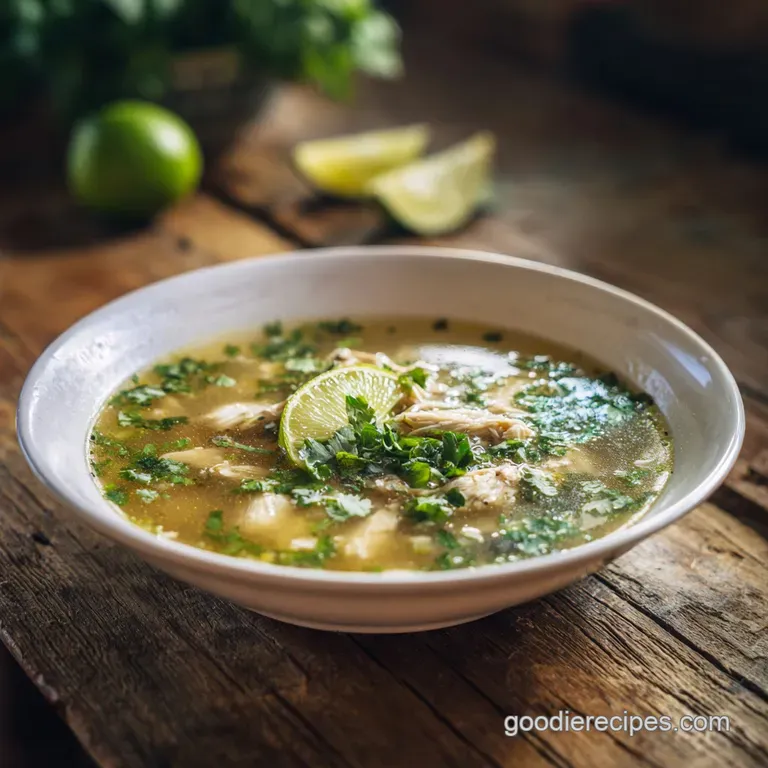
- Flavor/Texture Hook: Savory, velvety broth with fall off-the bone meat
- Perfect for: Cold weather comfort or a nourishing family Sunday dinner
- Creating the Best Homemade Chicken Soup
- Essential Preparation and Timing Details
- Selecting Fresh and Nutritious Ingredients
- Necessary Tools for Every Cook
- Cooking Steps for Velvety Broth
- Fixing Broth and Vegetable Issues
- Flavorful Variations and Ingredient Substitutes
- Storing Leftovers and Reducing Waste
- Best Pairings for Your Meal
- Very High in Sodium
- Recipe FAQs
- 📝 Recipe Card
Creating the Best Homemade Chicken Soup
There's a specific sound that happens in my kitchen every time it rains. It's the rhythmic thud of a heavy knife hitting the cutting board as I prep carrots and the soft hiss of a stockpot starting to steam.
The kitchen windows fog up, the air starts smelling like garlic and bay leaves, and suddenly the house feels like a fortress against the cold. This isn't just a meal for us; it's the recipe I reach for when someone has a sniffle or when we've had a week that felt ten days long.
I remember the first time I tried making an authentic Mexican chicken soup, or caldo de pollo, without my mother's supervision. I dumped everything in at once, thinking a pot of boiling water was a magical portal that fixed all mistakes.
I ended up with gray, overcooked chicken and zucchini that had literally dissolved into the ether. It was a watery, sad mess. Since then, I've learned that the secret isn't in fancy spices, but in the "stagger." It's about respecting the potato's need for time and the zucchini's need for a quick exit.
Now, I make it exactly like this every time, and the results are consistent. We're talking about a broth that feels silky on your tongue and chicken that gives up the ghost the moment your fork touches it. It’s a classic for a reason.
If you've been looking for that one dish that makes your whole family sit down and actually stay at the table, this is it. Let's get the pot on the stove and crack on.
Essential Preparation and Timing Details
Cold Start Clarity: Starting with cold water allows the soluble proteins to rise slowly and form foam that can be skimmed off, resulting in a crystal clear broth instead of a cloudy one.
The Staggered Simmer: Adding vegetables at different intervals prevents the more delicate ones from overcooking while the denser tubers reach the ideal creamy consistency.
| Thickness of Chicken | Internal Temp | Rest Time | Visual Cue |
|---|---|---|---|
| Bone in Thighs | 74°C | 5 minutes | Meat pulls easily from bone |
| Drumsticks | 74°C | 5 minutes | Joints move freely |
| Breast (Variation) | 74°C | 8 minutes | Opaque throughout |
When you're dealing with a big pot of comfort, knowing your timing is half the battle. If you over boil the chicken, it becomes stringy and dry, even while submerged in liquid. We want that connective tissue to break down into gelatin, which gives the soup its body.
Extracting Liquid Gold from Collagen
The real magic happens when the bone in pieces spend quality time in the water. Bone in, skin on thighs provide the fat and collagen necessary for a broth that feels substantial rather than thin. This is the difference between a "watery soup" and a "restorative broth."
Selecting Fresh and Nutritious Ingredients
Component Analysis
| Ingredient | Science Role | Pro Secret |
|---|---|---|
| Chicken Thighs | Provides gelatin and fat | Keep the skin on during simmering for extra depth |
| Chayote Squash | Maintains structure without mush | Peel under running water to avoid "squash film" on hands |
| Fresh Cilantro | Adds volatile aromatic oils | Tie the bunch with kitchen twine for easy removal |
For the foundation, we're using 1.36 kg of bone in, skin on chicken thighs and drumsticks. You'll need 2.4 liters of cold filtered water. Don't use hot water from the tap; it carries minerals from your water heater that can affect the flavor.
For the aromatics, grab 1 large white onion (just halve it) and 1 whole head of garlic with the top sliced off to expose the cloves.
The vegetables are where the texture lives. You'll need 3 medium carrots (cut into 2.5 cm rounds), 2 large russet potatoes (cubed into 4 cm chunks), and 1 chayote squash. If you've never used chayote, it's like a cross between a potato and a cucumber, and it stays beautifully firm.
We're also adding 2 ears of corn cut into 7.5 cm rounds, 2 medium zucchini sliced into thick half moons, and 2 tbsp of sea salt with 2 bay leaves. To finish, you'll want a bunch of fresh cilantro, 3 limes, and 1 cup of cooked white rice.
- Chicken Thighs: Substitute with a whole broken down chicken. Why this? Bone in meat provides the necessary collagen for a rich, silky mouthfeel.
- Chayote: Substitute with extra zucchini or green beans. Why this? Adds a unique, firm texture that doesn't break down during the long simmer.
- Russet Potatoes: Substitute with Yukon Gold. Why this? High starch content helps slightly thicken the broth for a heartier feel.
Necessary Tools for Every Cook
You don't need a pantry full of gadgets, but a heavy bottomed stockpot is non negotiable. I use an 8 liter pot to make sure there's plenty of room for the 2.4 liters of water and all those bulky vegetables.
If your pot is too small, the ingredients will be crammed, and you'll end up crushing the tender vegetables when you try to stir.
Chef's Tip: Use a fine mesh skimmer or a large metal spoon to remove the gray foam that rises in the first 15 minutes. This is the single biggest secret to a professional looking broth.
A sharp chef's knife makes quick work of the corn and chayote. If you struggle with cutting corn on the cob into rounds, use a heavy cleaver and give it a firm tap with a kitchen mallet to go through the core safely. This prevents the corn from rolling and keeps your fingers out of harm's way.
Cooking Steps for Velvety Broth
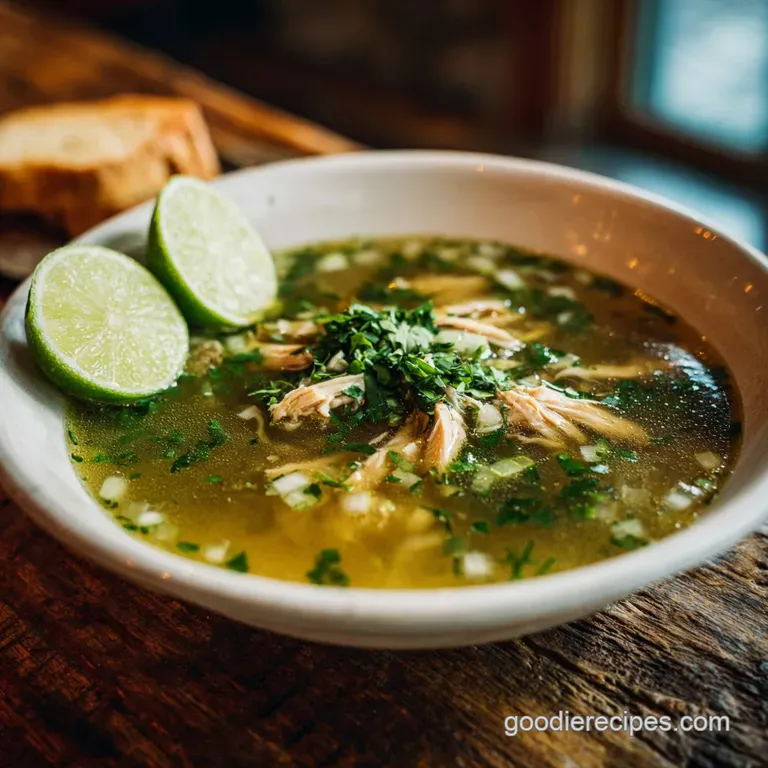
Forging the Foundation
- Place the 1.36 kg of chicken in the stockpot and cover with 2.4 liters of cold filtered water. Note: Starting cold ensures a clearer broth.
- Add the halved white onion, the sliced head of garlic, 2 tbsp of sea salt, and 2 bay leaves.
- Bring the pot to a gentle simmer over medium high heat until gray foam begins to surface.
- Skim the foam thoroughly for about 10 minutes until the liquid looks clear and pale gold.
Layering the Harvest
- Reduce heat to low, cover partially, and simmer for 30 minutes until chicken is nearly tender.
- Add the carrot rounds, russet potato chunks, and corn rounds. Note: These take the longest to soften.
- Simmer for another 20 minutes until the potatoes can be pierced with a fork but don't fall apart.
- Add the chayote and zucchini half moons until they are vibrant green and just tender (about 8 to 10 minutes).
- Turn off the heat and stir in the bunch of fresh cilantro, letting it steep for 5 minutes.
- Remove the onion halves, garlic head, and bay leaves before serving.
Perfecting the Texture
This recipe is quite different from a quick meal like my Panera Broccoli Cheese recipe because of the long extraction time. When you serve this, place a scoop of the 1 cup of cooked white rice in the bottom of each bowl first. Ladle the broth and vegetables over the rice, then top with a squeeze of fresh lime. The acidity of the lime cuts through the richness of the chicken fat, making every spoonful feel light.
Fixing Broth and Vegetable Issues
Why Your Broth Is Cloudy
If your soup looks milky or gray, the heat was likely too high. Boiling causes the fat and proteins to emulsify into the water. To fix this next time, keep the liquid at a "lazy bubble" rather than a rolling boil.
If it's already cloudy, you can strain the finished broth through a coffee filter or cheesecloth, though it's purely a visual issue and still tastes great.
Why Your Vegetables Are Mushy
This usually happens if you add the zucchini and chayote at the same time as the potatoes. The zucchini only needs about 8 minutes to reach that perfect "bite." If they've already turned to mush, you can carefully remove the chicken and larger vegetable chunks, blend the mushy bits into the broth to create a thicker "cream of vegetable" style base, and then add the chicken back in.
| Problem | Root Cause | Solution |
|---|---|---|
| Bland broth | Insufficient salt or short simmer | Add a splash of fish sauce or more sea salt |
| Greasy surface | High fat content in skin | Chill soup and scrape off the solidified fat cap |
| Tough chicken | Water boiled too hard | Simmer at a lower temp; use bone in thighs only |
Common Mistakes Checklist
- ✓ Never let the soup reach a rolling boil after the first skimming.
- ✓ Don't peel the zucchini; the skin holds the slices together in the hot liquid.
- ✓ Avoid using chicken breasts alone, as they will dry out before the potatoes cook.
- ✓ Always add the cilantro at the very end to keep the flavor bright and green.
- ✓ Taste your broth for salt after adding the potatoes, as they absorb quite a bit.
Flavorful Variations and Ingredient Substitutes
If you want a different vibe, you can easily pivot this recipe. For a smokier kick, add a whole dried chipotle pepper during the simmer. It won't make it blow your head off spicy, but it adds a deep, woody undertone that is incredible on a cold night. If you’re looking for a shorter cooking time, you could use a method similar to my Lasagna Soup Recipe by using pre cooked chicken, but you'll lose that deep collagen richness from the bones.
| Fresh Component | Shortcut Swap | Flavor Impact |
|---|---|---|
| Whole Chicken Thighs | Rotisserie Chicken | Less body in broth; saltier profile |
| Fresh Corn Ears | Frozen Corn Kernels | Loses the sweet "cobb" essence in the liquid |
| Homemade Stock | store-bought Broth | Higher sodium; less velvety mouthfeel |
If you're following a low carb lifestyle, simply swap the russet potatoes for extra chayote or cauliflower florets. Skip the rice at the end and add a few slices of avocado instead. The avocado provides that creamy mouthfeel that the rice usually offers, without the extra carbs.
Storing Leftovers and Reducing Waste
This soup is actually better on day two. The flavors of the garlic and bay leaves continue to infuse the liquid as it sits in the fridge. It will stay fresh in an airtight container for up to 4 days. When you reheat it, do it on the stovetop over medium heat.
Avoid the microwave if possible, as it tends to explode the potatoes and make the chicken rubbery.
For long term storage, you can freeze the broth and chicken for up to 3 months. However, I recommend removing the zucchini and potatoes before freezing, as they become unpleasantly spongy when thawed. Just freeze the liquid gold and the meat, then add fresh veggies when you're ready to eat.
Don't toss the chicken bones! If you have leftovers, you can strip the meat for tacos and throw the bones back into a slow cooker with a bit more water to make a secondary "remouillage" or weak stock for your next batch of rice.
Even the cilantro stems carry a ton of flavor; I often chop them finely and add them to the pot along with the onion at the very beginning.
Best Pairings for Your Meal
When serving a crowd, I love putting out a "toppings bar." Small bowls of diced serrano peppers, extra cilantro, and crumbled queso fresco allow everyone to customize their bowl. If you're looking for something more hands off for a big group, you might consider a Crock Pot Baked recipe for another night, but for this soup, the ritual of the stovetop is part of the charm.
- Warm Corn Tortillas: Perfect for dipping into the broth or making mini tacos with the tender chicken pieces.
- Salsa Macha: A drizzle of this nutty, oily chili salsa adds a massive punch of flavor.
- Pickled Red Onions: The bright pink color and sharp vinegar snap provide a great contrast to the savory soup.
Simmering for Depth
The length of your simmer is the difference between a good soup and a great one. If you have the time, let the chicken and aromatics go for a full hour before adding any vegetables. This extracts the maximum amount of flavor from the bones.
Just keep an eye on your liquid levels; if it reduces too much, top it off with a splash of hot water to keep the chicken submerged.
Finishing and Adjusting
Right before you serve, do the "spoon test." Dip a cold metal spoon into the broth and taste it. It should be savory enough that you don't feel the need to reach for the salt shaker. If it feels flat, it’s usually an acid problem, not a salt problem.
A second squeeze of lime usually wakes up all the other flavors.
For a Vibrant Finish
The cilantro should go in only when the heat is off. High heat destroys the delicate oils that give cilantro its citrusy, peppery aroma. By steeping it like tea at the very end, you preserve that vibrant, fresh from the garden scent that defines a truly great chicken soup.
This small detail is what makes people ask, "What did you put in this?" Trust me, it’s the little things.

Very High in Sodium
2180 mg mg of sodium per serving (95% % of daily value)
The American Heart Association recommends limiting sodium intake to about 2,300mg per day for optimal health.
Tips to Reduce Sodium in this Recipe
-
Reduce Added Salt-25%
Halve the amount of sea salt added. Even a small reduction of added salt will significantly lower the overall sodium content.
-
Adjust Broth Sodium-20%
Instead of using regular water, use a low-sodium broth or stock and reduce the amount of sea salt added in this recipe to avoid over salting.
-
Skip Potato Salting-10%
Some chefs add salt to the water when boiling the potatoes. Skip this step, as you are adding salt later in the soup.
-
Enhance with Herbs & Spices
Instead of relying on salt, experiment with other herbs and spices like black pepper, garlic powder, onion powder (unsalted), or a pinch of red pepper flakes to boost the flavor of your soup.
Recipe FAQs
What ingredients are essential for making traditional chicken broth?
Bone-in chicken thighs and drumsticks, cold water, white onion, garlic, carrots, potatoes, bay leaves, and salt. These components provide the necessary collagen, fat, and density for a rich, savory base.
What should I add to chicken soup to ensure the best flavor and texture?
Layer your vegetables by density and finish with fresh herbs and acid. Add root vegetables like carrots and potatoes first, then softer items like zucchini and chayote later to prevent mushiness.
How long must I cook chicken broth to extract maximum flavor?
Simmer for a minimum of 1 hour and 15 minutes total, skimming constantly in the first 15 minutes. The initial simmer develops the clear broth, and the second simmer ensures the bone-in meat is fall off-the-bone tender.
Is chicken soup the same thing as chicken broth?
No, soup is more complex than broth. Broth is a thin, clear liquid made primarily from simmering meat/bones and aromatics; soup includes added hearty ingredients like the potatoes and meat from the broth.
How do I achieve a crystal clear broth instead of a cloudy one?
Always start the chicken in cold water and diligently skim the gray foam during the initial 10 to 15 minutes of simmering. This process removes the impurities before they fully emulsify into the liquid.
What is the best way to prevent zucchini and chayote from dissolving during the simmer?
Add the zucchini and chayote only in the last 10 minutes of cooking. If you enjoyed mastering the timing in this dish, see how the same precision of heat management applies when balancing flavors in our Creamy Tomato Basil recipe.
If my broth tastes flat, should I add more salt or an acid?
Usually, it needs acid to "wake up" the savory flavors already present. After tasting, add a squeeze of fresh lime juice; this brightens the profile more effectively than just increasing the salt content alone.
Classic Caldo De Pollo
Ingredients:
Instructions:
Nutrition Facts:
| Calories | 456 kcal |
|---|---|
| Protein | 27.4 g |
| Fat | 18.6 g |
| Carbs | 35.8 g |
| Fiber | 5.1 g |
| Sugar | 6.2 g |
| Sodium | 2180 mg |
