Starch Method Macaroni and Cheese
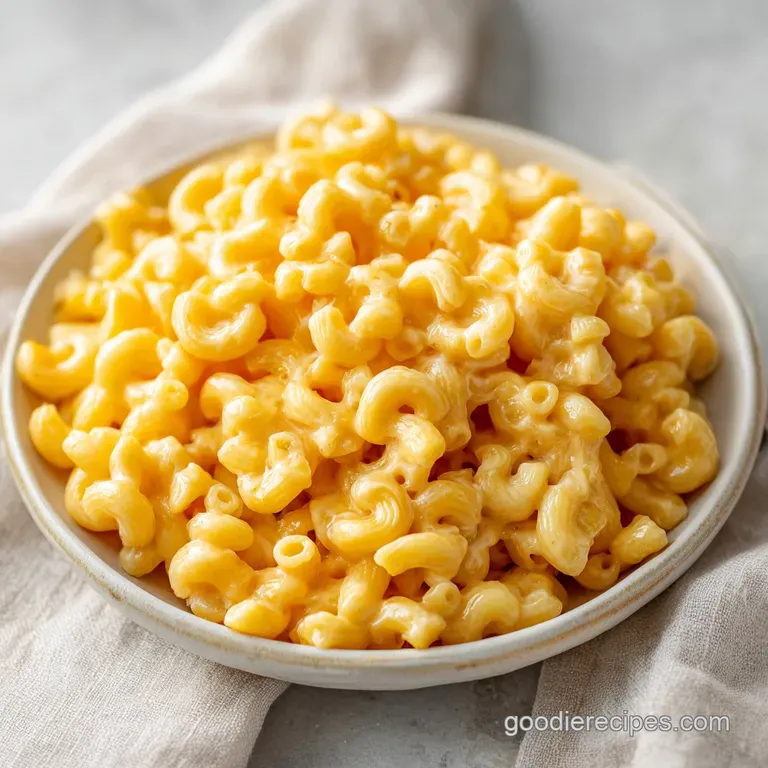
- Time: Active 5 minutes, Passive 15 minutes, Total 20 minutes
- Flavor/Texture Hook: Sharp, tangy cheddar with a silky, tongue coating finish.
- Perfect for: Stressful weeknights, comfort food cravings, or feeding a crowd quickly.
- Creating the Best Homemade Macaroni and Cheese
- Why This One Pot Method Succeeds
- Analyzing Our Core Flavor Components
- Simple Pantry Items You Need
- Minimal Tools for Easy Cooking
- Step-by-Step Path to Velvety Pasta
- Keeping Your Cheese Sauce Smooth
- Smart Variations and Ingredient Swaps
- Smart Storage and Zero Waste
- Best Side Dishes for Serving
- Debunking Common Preparation Myths
- Recipe FAQs
- 📝 Recipe Card
Creating the Best Homemade Macaroni and Cheese
The sound of a wooden spoon hitting the side of a heavy pot is the soundtrack to my childhood. I remember standing on a rickety kitchen stool, watching my grandmother drop a cold block of butter into a steaming pile of elbow macaroni.
There was no blue box in sight, just the sharp aroma of aged cheddar hitting hot noodles and the hiss of milk being poured over the top. That first bite was always a revelation, it was thick, cheesy, and had a slight bite from the mustard powder she hid in the cupboard.
For years, I struggled to recreate that specific magic. I tried the fancy French way with a béchamel sauce, but it often felt too heavy or, worse, it would break and leave a pool of orange oil at the bottom of the bowl.
I made mistakes like using pre shredded cheese that never quite melted right, or overcooking the pasta until it turned into a sad, mushy paste. It took a lot of trial and error in my own kitchen to realize that the simplest method was actually the most reliable.
This version of Macaroni and Cheese is designed for real life. We are skipping the fussy flour and butter roux and using a clever science trick involving evaporated milk. It's the kind of meal that feels like a warm hug after a long day, but it’s sophisticated enough that you won't feel guilty serving it to guests.
We are looking for that perfect balance of a sharp cheese punch and a texture so smooth it almost glows.
Why This One Pot Method Succeeds
Starch Concentration: By using just enough water to cover the pasta, we create a thick, starchy liquid that acts as a natural binder for the cheese. This prevents the sauce from sliding off the noodles and ensures every curve of the macaroni is filled with flavor.
Protein Stability: Evaporated milk is essentially milk with about sixty percent of the water removed, making it high in protein and fat stable. It acts as a powerful emulsifier, keeping the cheese proteins from clumping together even at higher temperatures.
Thermal Residual: The residual heat from the cooked pasta is enough to melt the hand grated cheddar gently. This "off heat" melting technique ensures the cheese doesn't overcook, which is the primary cause of a gritty or sandy texture.
Acid Balance: The addition of dry mustard powder provides a subtle acidity and a hit of glucosinolates. These compounds help bridge the gap between the heavy fats of the cheese and the neutral starch of the pasta, making the flavor profile feel more three dimensional.
| Method | Total Time | Texture | Best For |
|---|---|---|---|
| One Pot Stovetop | 15 minutes | Silky and loose | Quick weeknight dinners |
| Traditional Roux | 30 minutes | Thick and heavy | Classic holiday side dishes |
| Baked Casserole | 45 minutes | Set and crusty | Potlucks and large gatherings |
Choosing the right method depends on your goal for the evening. If you want a dish that feels like the ultimate comfort food but you only have twenty minutes before the kids start losing their minds, the one pot stovetop method wins every time.
It’s also much easier to clean up since you aren't juggling a separate saucepan for the sauce and a colander for the pasta. Trust me, fewer dishes is always a win in my book.
Analyzing Our Core Flavor Components
| Ingredient | Science Role | Pro Secret |
|---|---|---|
| Elbow Macaroni | Surface area | The hollow center and ridges act as "sauce traps" for maximum cling. |
| Evaporated Milk | Emulsification | Contains high concentrations of milk solids that prevent the cheese from "breaking." |
| Sharp Cheddar | Fat and Flavor | Aged cheddar has less moisture, providing a deeper punch than mild versions. |
| Dry Mustard | Flavor Bridge | Acts as a subtle emulsifier while cutting through the richness of the dairy. |
The key to this whole operation is the evaporated milk. I used to think it was just for pumpkin pies, but it’s actually the secret weapon for a foolproof Macaroni and Cheese.
It behaves differently than regular whole milk because it has been heat treated, which changes the structure of the proteins and makes them more resistant to curdling.
Simple Pantry Items You Need
- 1 lb Elbow Macaroni: The classic shape. Why this? The shape is specifically designed to hold onto heavy, viscous sauces effectively.
- 12 oz Evaporated milk: The stabilizer. Why this? It provides a creamy mouthfeel without the risk of the sauce breaking into oil.
- 1 lb Extra sharp cheddar cheese: Hand grated only. Why this? Block cheese lacks the anti clumping starches found in pre shredded bags.
- 1/4 cup Unsalted butter: For richness. Why this? It adds a velvety sheen and balances the saltiness of the cheddar.
- 1 tbsp Kosher salt: For the pasta water.
- 1 tsp Dry mustard powder: For a subtle tang and emulsification.
- 1/2 tsp Smoked paprika: Adds a hint of depth and color.
- 1/2 tsp Cayenne pepper: For a barely there back of-the throat warmth.
| Original Ingredient | Substitute | Why It Works |
|---|---|---|
| Evaporated Milk | Heavy Cream | High fat content maintains stability. Note: Result will be much heavier and richer. |
| Extra Sharp Cheddar | Gruyère or Fontina | These melt beautifully. Note: Flavor will be nuttier and less "classic American." |
| Elbow Macaroni | Shells or Cavatappi | Any shape with "pockets" works. Note: Cooking times may vary by 2-3 minutes. |
| Unsalted Butter | Salted Butter | Adds fat and flavor. Note: Reduce the added kosher salt by half to compensate. |
Using the right cheese is non negotiable. I once tried to use the pre shredded stuff because I was in a rush, and the sauce ended up looking like it had sand in it. That’s because those bags are coated in potato starch or cellulose to keep the shreds from sticking together in the package.
When you melt it, those coatings prevent the cheese from truly becoming one with the milk. Buy the block, grab your box grater, and get to work. It’s a great arm workout anyway.
Minimal Tools for Easy Cooking
You don't need a kitchen full of gadgets to make this happen. A standard large pot, like a 5 quart Dutch oven or a heavy bottomed stainless steel pot, is your best friend here. The heavy bottom helps distribute heat evenly so the milk doesn't scorch when you add it.
You’ll also need a sturdy whisk and a wooden spoon. The whisk is essential for the moment you add the cheese and milk, as it helps incorporate everything into a smooth liquid. A box grater is also mandatory for that block of cheddar.
If you really want to make things easy, you could use a food processor with the grating attachment, but for one pound of cheese, the box grater is usually faster to clean.
step-by-step Path to Velvety Pasta
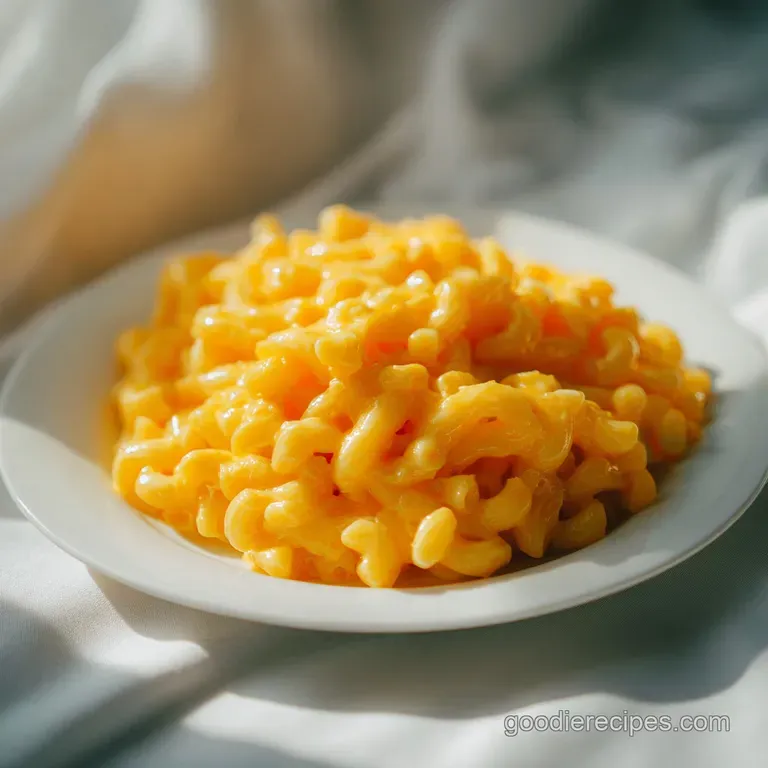
- Prep the cheese. Grate the 1 lb of extra sharp cheddar using the large holes of a box grater. Note: Do this before you start the stove so the cheese can come to room temperature slightly.
- Boil the macaroni. Place 1 lb elbow macaroni in a large pot and add 1 tbsp kosher salt. Add just enough cold water to cover the pasta by about an inch.
- Simmer carefully. Turn the heat to medium high and bring to a boil. Cook, stirring frequently, until the water is mostly absorbed and the pasta is al dente. Note: This usually takes about 8 to 10 minutes depending on your stove.
- Add the butter. Toss in the 1/4 cup unsalted butter. Stir until the butter is completely melted and the noodles are glossy.
- Incorporate the milk. Pour in the 12 oz of evaporated milk. Bring the mixture back to a gentle simmer.
- Season the base. Stir in 1 tsp dry mustard, 1/2 tsp smoked paprika, and 1/2 tsp cayenne pepper.
- Temper the heat. Turn the burner to the lowest setting or turn it off entirely.
- Fold in the cheese. Add the grated cheddar in three separate batches. Whisk constantly after each addition until the sauce is smooth and thick.
- Check the consistency. If the sauce looks too thick, add a splash of hot water. If it looks too thin, let it sit for two minutes until it coats the back of a spoon.
- Final rest. Let the pot sit for 3 minutes before serving. This allows the starch to fully set and the flavors to meld.
Chef's Tip: If you want an extra layer of flavor, try browning the butter in the pot for 2 minutes before adding the pasta and water. It adds a toasted, nutty aroma that makes the cheddar taste even more expensive than it is.
Keeping Your Cheese Sauce Smooth
The most common frustration with this dish is a sauce that "breaks," meaning the fat separates from the protein, leaving you with a greasy mess. This usually happens because of excessive heat. If you boil the cheese, you're going to have a bad time. Always turn the heat down before the cheese hits the pot.
Another issue is the sauce thickening too much as it cools. Pasta is like a sponge; it will continue to soak up liquid long after you’ve stopped cooking. If you're not serving it immediately, keep a little extra evaporated milk or even just some warm water on hand to loosen it back up. It’s a trick I learned while making my Panera Broccoli Cheese recipe, where the consistency is key to the whole experience.
Solving Texture Issues in Cheese Sauce
If your sauce feels like it has tiny grains in it, you likely used pre shredded cheese or the heat was too high during the final stage. Once the proteins in the cheese tighten up from heat, they won't relax again, so prevention is the only real cure.
| Problem | Root Cause | Solution |
|---|---|---|
| Grainy Texture | Overheated cheese or cellulose from pre shredded bags | Melt cheese on low heat and always use hand grated blocks. |
| Thin/Watery Sauce | Too much water left in the pot | Simmer for 2 extra minutes or add more cheese to thicken. |
| Greasy Separation | The emulsion broke due to boiling the dairy | Whisk in a tablespoon of cold evaporated milk to bring it back. |
Common Mistakes Checklist
- ✓ Never rinse your pasta after boiling, you need that surface starch to help the sauce stick.
- ✓ Grate your own cheese from a block to avoid the powdery anti caking agents.
- ✓ Ensure the water is almost entirely gone before adding the milk to keep the starch concentrated.
- ✓ Add spices like mustard and cayenne to the milk first to ensure they are evenly distributed.
- ✓ Let the finished dish rest for three minutes so the sauce can properly "grip" the macaroni.
Smart Variations and Ingredient Swaps
If you're looking to change things up, this recipe is a fantastic base for experimentation. You can easily turn this into a Homemade Mac and Cheese Casserole by transferring the finished stovetop mixture into a baking dish, topping it with panko breadcrumbs and more cheese, and broiling it for 5 minutes.
The crunch of the breadcrumbs against the velvety pasta is a texture combo that never gets old.
For a bit of a kick, try making a Homemade Mac and Cheese with Bacon. Simply fry up four slices of thick cut bacon until crispy, crumble them, and fold them in at the very end. The smoky fat from the bacon plays beautifully with the smoked paprika in the sauce. If you want a bit of green, it pairs wonderfully with a side of vegetables, much like the balance found in a Broccoli Casserole recipe.
When it comes to scaling, this recipe is quite forgiving. If you want to double it for a party, use a larger pot and increase the spices by about 1.5 times rather than doubling them completely. Too much cayenne can sneak up on you when you're working with larger volumes.
For a smaller batch, simply halve everything, but use a smaller pot so the water doesn't evaporate too quickly before the pasta is cooked.
Smart Storage and Zero Waste
Leftover Macaroni and Cheese can be a bit tricky because the pasta absorbs the sauce in the fridge. To store it, place it in an airtight container once it has cooled to room temperature. It will stay fresh in the fridge for up to 4 days.
When you’re ready to reheat it, don't just throw it in the microwave on high. Add a splash of milk or water to the bowl first, cover it loosely, and heat it in 30 second bursts, stirring in between. This helps "re emulsify" the sauce so it becomes creamy again.
You can also freeze this dish, though the texture of the pasta will be slightly softer upon thawing. It lasts about 2 months in the freezer. My favorite "zero waste" tip for leftovers that have become a bit too solid is to make mac and cheese bites.
Scoop the cold, firm pasta into balls, roll them in breadcrumbs, and air fry or pan fry them until they are crispy on the outside and molten on the inside. It’s a completely different meal that feels brand new.
Best Side Dishes for Serving
Since this dish is incredibly rich and savory, I like to serve it with something that provides a sharp contrast. A simple green salad with a bright lemon vinaigrette is usually my go to. The acidity of the lemon cuts right through the heavy fat of the cheddar, refreshing your palate between bites.
If you're serving this as a main course for a family dinner, roasted broccoli or charred Brussels sprouts are excellent companions. The slight bitterness of the roasted brassicas balances the sweetness of the pasta.
If you’re feeling indulgent, a side of cornbread or a crusty sourdough loaf is perfect for swiping up any extra cheese sauce left on the plate.
Debunking Common Preparation Myths
There is a persistent myth that you need to salt your pasta water until it "tastes like the sea." While you definitely need salt, over salting the water in this specific one pot method is a mistake because we aren't draining the water.
If the water is too salty, the final dish will be inedible because all that salt stays in the pot. Stick to the measured tablespoon for a perfect balance.
Another common misconception is that oil in the pasta water prevents sticking. In reality, oil just floats on top and then coats the pasta as you drain it, which prevents the sauce from actually sticking to the noodles.
Since we want a cohesive, velvety bond between the cheese and the macaroni, leave the oil in the pantry. Constant stirring during the first few minutes of boiling is all you need to keep those elbows from clumping together.
This simple Macaroni and Cheese is a testament to the fact that you don't need a pantry full of gourmet ingredients to make something spectacular. It’s about understanding how starch and fat play together.
Once you master this one pot technique, you’ll never look at a cardboard box of pasta the same way again. It's fast, it’s reliable, and it’s the kind of cooking that makes people feel truly at home.
Give it a try tonight, and don't forget to grate that cheese by hand your taste buds will thank you.

Recipe FAQs
What is the best cheese to use for mac and cheese?
Extra Sharp Cheddar is the primary choice. Its high age content delivers the necessary sharp flavor while its lower moisture content helps maintain a smooth sauce texture.
How to macaroni cheese from scratch?
Cook the macaroni in just enough water to cover it until most of the liquid is absorbed. Then, turn the heat low, stir in evaporated milk and your spices, and finally fold in the grated cheese until the sauce is perfectly emulsified.
What is the secret to good mac and cheese?
The secret is controlling the temperature when adding the cheese. You must take the pot off the direct heat or set it to its lowest setting to prevent the cheese proteins from seizing up and causing a grainy texture.
What ingredients do I need for mac and cheese?
You primarily need elbow macaroni, evaporated milk, unsalted butter, and block sharp cheddar cheese. Don't forget small amounts of dry mustard powder and paprika to bridge the fat and flavor notes.
Is it true that pre-shredded cheese is a suitable substitute for block cheese?
No, pre-shredded cheese is highly discouraged for smooth sauce making. It is coated with anti caking agents like cellulose or potato starch, which prevent the cheese from melting into a uniform liquid.
How can I make my mac and cheese sauce richer without making it greasy?
Use evaporated milk instead of regular whole milk for its higher concentration of stable milk solids. This allows you to achieve a thick, creamy mouthfeel without risking a broken, oily sauce, similar to the stability technique used in a good Cheesy Pasta Dinner recipe.
What is the best way to reheat leftover mac and cheese without drying it out?
Always add a splash of liquid, like milk or water, before reheating. Heat in short bursts on low power, stirring frequently, which helps the residual starches reabsorb moisture and re-emulsify the sauce.
Creamy Starch Mac And Cheese

Ingredients:
Instructions:
Nutrition Facts:
| Calories | 735 kcal |
|---|---|
| Protein | 33.1 g |
| Fat | 38.5 g |
| Carbs | 63.8 g |
| Fiber | 2.6 g |
| Sugar | 7.2 g |
| Sodium | 647 mg |
