Easter Charcuterie Board: Stunning Spring Platter
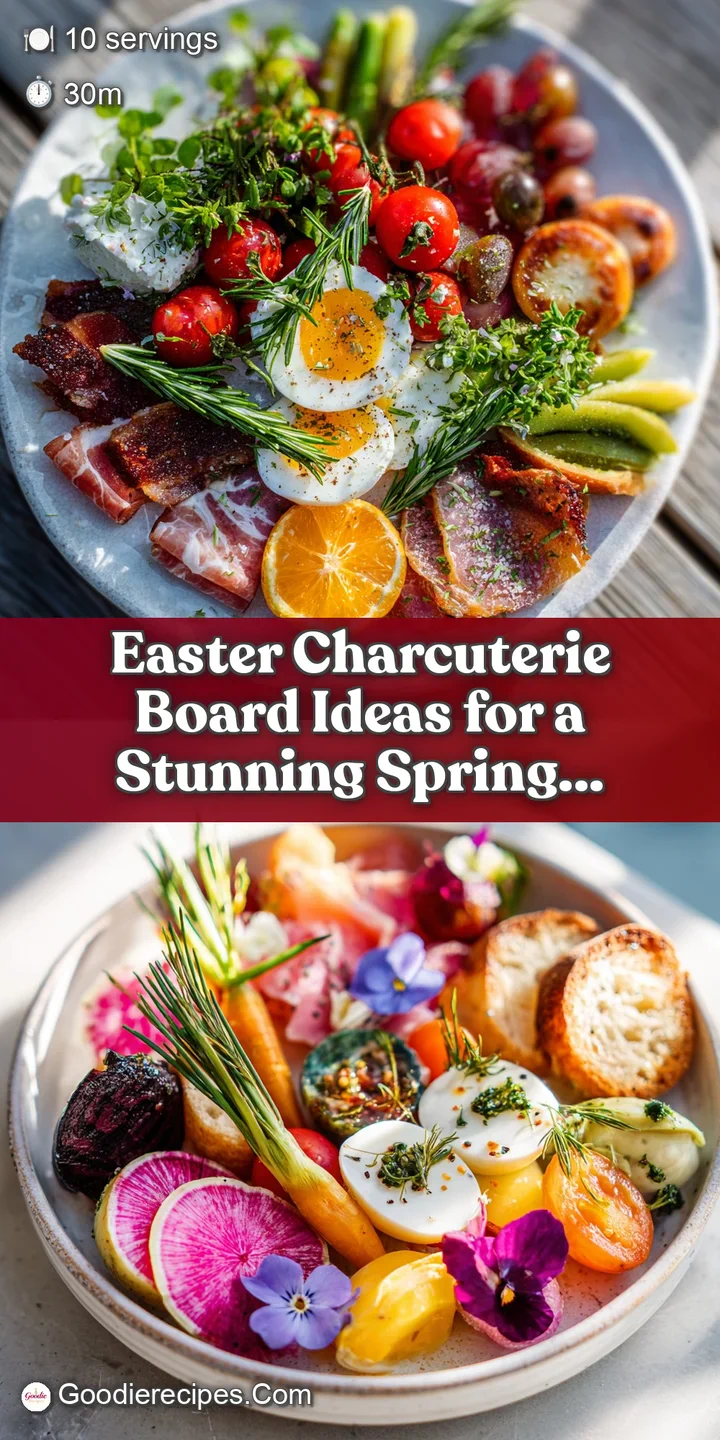
- Time: Active 30 minutes, Passive 0 minutes, Total 30 minutes
- Flavor/Texture Hook: Velvety triple cream brie paired with crisp, peppery radishes
- Perfect for: Easter brunch, family gatherings, or a kid friendly holiday snack
- Creating a Stunning Easter Charcuterie Board
- The Geometry of Garnish and Flavor
- Essential Platter Specs and Decision Guide
- The Alchemy of Spring Component Selection
- Critical Tools for Professional Plating
- Mastering the Build Step-by-Step Assembly
- Avoiding Common Pitfalls for Polished Platters
- Adapting Ingredients for Different Dietary Needs
- Scaling for Small or Large Gatherings
- Kitchen Folklore and Board Myths
- Keeping Leftovers Fresh and Waste Free
- Complementary Pairings for Your Holiday Spread
- High in Sodium
- Recipe FAQs
- 📝 Recipe Card
Creating a Stunning Easter Charcuterie Board
The sound of a fresh snap pea cracking open is basically the official soundtrack of spring in my kitchen. I remember the first time I tried to put together a holiday spread for my family. I went way too overboard with complicated hors d'oeuvres that required three different ovens and a degree in structural engineering.
By the time everyone arrived, I was exhausted, and the kitchen looked like a flour bomb had gone off. That was the year I realized the power of a well assembled board. It’s about letting the ingredients do the heavy lifting while you take all the credit.
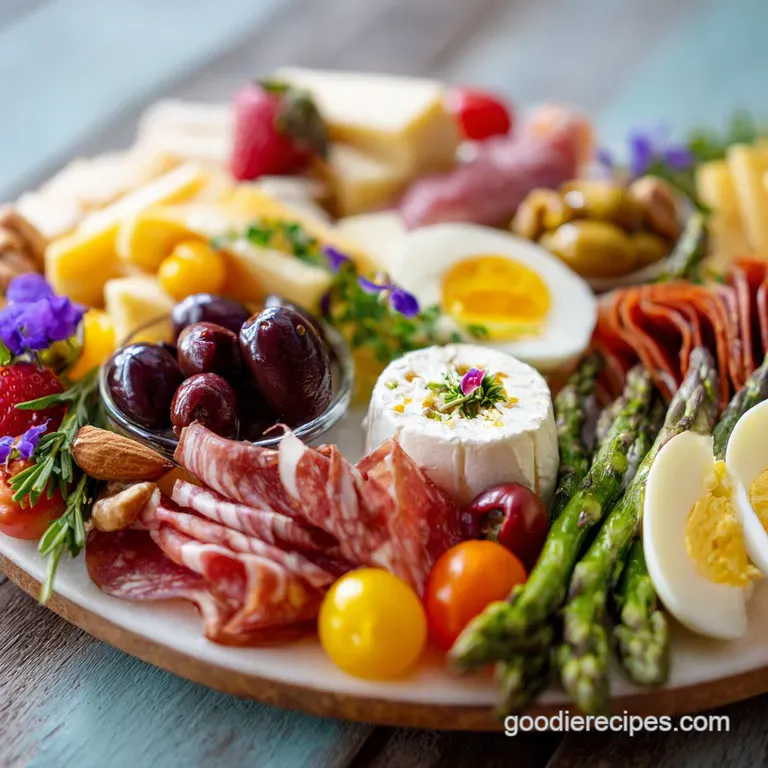
This Easter Charcuterie Board is my absolute favorite because it’s a "no cook" miracle that still manages to look like a million bucks. We’re going to use two rounds of triple cream brie to create a little "bunny" right in the center of the board. It is a total conversation starter.
When you place that honeycomb next to the sharp white cheddar, you get this incredible mix of salty and sweet that makes people hover around the table all afternoon. It’s simple, it’s fresh, and it’s honestly just fun to build.
We aren't just tossing things on a tray here. We're thinking about the colors - the bright greens of the asparagus, the deep purples of the blackberries, and the soft whites of the cheese. It’s about creating a visual garden that people actually want to eat.
Whether you’re hosting a formal brunch or just want something fun for the kids to snack on while they hunt for eggs, this layout works every single time. Let’s get into how we make this happen without breaking the bank or your spirit.
The Geometry of Garnish and Flavor
Chromatic Balance: Using the vibrant greens of snap peas and asparagus creates a "garden" backdrop that makes the white cheeses pop visually. This contrast tricks the brain into perceiving the food as fresher and more appetizing.
The Satiety Ratio: Combining high fat elements like Prosciutto di Parma with high acid fruits like strawberries cleanses the palate between bites. This prevents the "heavy" feeling often associated with cheese boards and keeps guests snacking longer.
Structural Anchoring: Placing the heavier "Bunny" brie rounds in the center provides a physical pivot point for the lighter crackers and meats. This prevents the board from looking cluttered and guides the eye in a natural, circular flow.
Lipid Starch Synergy: The fats in the goat cheese and brie soften the "shatter" of the multi seed crackers. This creates a more pleasant mouthfeel compared to eating dry crackers alone.
Essential Platter Specs and Decision Guide
Before you start laying out your ingredients, it's helpful to know how to time your prep. Cheese is a living thing, and its texture changes drastically depending on the room temperature. If you serve brie straight from the fridge, it's firm and waxy. Give it some time to breathe, and it becomes velvety and spreadable.
This table helps you time your assembly for the best possible results.
| Preparation Stage | Timing | Visual/Texture Cue | Goal |
|---|---|---|---|
| Cold Prep | 0 mins | Cheese is firm/hard | Easy slicing and shaping |
| Tempering | 20 mins | Brie starts to soften | Developing full flavor profile |
| Peak Serving | 45 mins | Goat cheese is creamy | Maximum spreadability |
| Safety Limit | 2 hours | Cheese looks "shiny" | Time to refrigerate leftovers |
Choosing the right method for your produce can also change the vibe of your board. While this is primarily a raw board, sometimes a quick hit of heat can make certain vegetables more accessible to guests who aren't fans of raw stalks.
| Method | Best For | Result | Effort Level |
|---|---|---|---|
| Raw/Fresh | Snap peas, radishes | Maximum "shatter" and crunch | Zero (Wash and go) |
| Blanched | Asparagus Spears | Vibrant green, tender crisp | Low (3 min boil) |
| Roasted | Carrots | Deep sweetness, caramelized | Medium (20 min oven) |
The Alchemy of Spring Component Selection
Selecting the right components is where the magic happens. You want a mix of textures - from the velvety brie to the crunchy almonds. I always look for heirloom carrots with the greens still attached. They look so much more "garden fresh" than the bagged baby carrots, and they usually don't cost much more.
When you're picking out your fruit, look for the smallest strawberries you can find; they tend to have a more concentrated sweetness that pairs beautifully with the sharp cheddar.
For another touch of spring sweetness on your table, you might want to check out my Fruit Tart Recipe. It uses a similar logic of pairing fresh fruit with creamy textures. On this board, we are using a honeycomb which adds a luxurious, waxy sweetness that is miles better than standard bottled honey. It’s those little details that make a simple Easter cheese board feel like a professional catering job.
| Ingredient | Science Role | Pro Secret |
|---|---|---|
| Triple Cream Brie | High fat emulsifier | Keep it chilled until the very last second before shaping the bunny ears. |
| Mixed Radishes | Peppery palate cleanser | Soak sliced radishes in ice water for 10 mins to make them extra "crispy." |
| Prosciutto di Parma | Salty umami bomb | Tear into ribbons rather than using whole slices to make it easier to grab. |
| Honeycomb | Structural sweetness | Place it directly on the board to let the honey slowly seep into the surrounding nuts. |
Critical Tools for Professional Plating
You don't need a thousand gadgets to make a great Easter charcuterie board, but a few specific items make the job much easier. A large wooden board is the classic choice, but if you're on a budget, a large slate tile or even a clean baking sheet lined with parchment paper works perfectly.
Chef Tip: If you're using a wooden board, rub it with a tiny bit of food grade mineral oil the night before. It makes the colors of the vegetables look much more saturated and prevents the wood from soaking up the oils from the cheese.
For the bunny's face, you'll want a pair of kitchen tweezers or a very steady hand. Placing those peppercorn eyes and chive whiskers requires a bit of precision. I also highly recommend having separate small knives for the brie and the goat cheese.
Mixing the dill rolled goat cheese with the white brie will ruin the clean look of your bunny focal point. If you’re worried about the crackers getting soggy, keep them in a separate bowl until the very last minute before serving.
Mastering the Build step-by-step Assembly
- Prep the Brie. Take the 16 oz Triple Cream Brie (the two 8 oz rounds) out of the fridge. Keep one round whole for the "body" and cut the second one into a smaller circle for the "head" and two long oval "ears." Note: Cold cheese is much easier to cut without it sticking to your knife.
- Position the Bunny. Place the "body" round in the center bottom of your board. Place the "head" above it and the "ears" at the top. Until it looks like a cohesive bunny silhouette.
- Detail the Face. Press the 2 small whole black peppercorns into the head for eyes. Add the 1 small triangle smoked ham for a nose and the 4 sprigs fresh chives for whiskers. Note: This creates the "Bunny charcuterie board" look that kids love.
- Anchor the Greens. Arrange the 1 bunch heirloom carrots (with greens) and 1 cup snap peas radiating out from the bunny. Until the board looks like a growing garden.
- Layer the Radishes. Fan out the 1 bunch mixed radishes around the edges. Note: Thinly slicing them makes the board feel more delicate and "gourmet."
- Add Fruit Clusters. Place the 0.5 lb fresh strawberries and 1 cup fresh blackberries in the empty gaps. Until no large spots of the board are visible.
- Nestle the Proteins. Fold the 4 oz Prosciutto di Parma into "ribbons" and tuck them next to the 2 oz Sopressata salami.
- Incorporate Cheeses. Place the 4 oz Sharp White Cheddar cubes and the 4 oz Goat Cheese log (rolled in dill) on opposite corners.
- Fill with Crunch. Sprinkle the 0.5 cup raw almonds or walnuts and the 4 oz multi seed crackers into the remaining small holes.
- The Final Touch. Place the 1 oz honeycomb near the cheddar and the 0.5 cup Greek Yogurt dip in a small bowl on the side. Until the board looks lush and overflowing.
Avoiding Common Pitfalls for Polished Platters
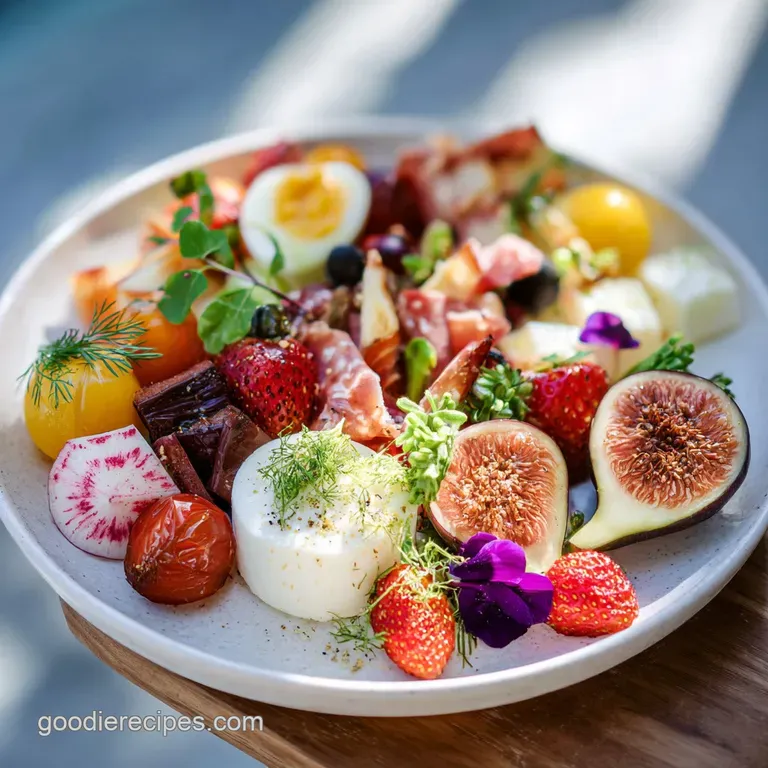
One of the biggest mistakes I see is the "Soggy Cracker Syndrome." This happens when you place crackers right next to "wet" ingredients like cut strawberries or dip. The moisture migrates, and suddenly your crunch is gone.
Another thing to watch out for is the "Cheese Sweat." If you leave the board out in a warm room for too long, the oils in the cheddar will separate, making it look greasy.
Preventing Soggy Vegetables
If you're prepping the veggies ahead of time, make sure they are bone dry before they hit the board. I usually wash my snap peas and radishes an hour before and let them sit on a clean kitchen towel. If there's any water left on them, it will run into the crackers and turn them into mush.
Managing Cheese Temperature
The brie needs to be cold while you're cutting the bunny shape, but it should be room temperature when people eat it. The "Fix" is to assemble the board about 30 minutes before the guests arrive. This gives the cheese just enough time to soften up without getting oily or "sweaty."
| Problem | Root Cause | Solution |
|---|---|---|
| Limp Asparagus | Dehydration after trimming | Stand the spears in a glass of ice water for 15 mins before plating. |
| Discolored Fruit | Oxidation (exposure to air) | Slice strawberries just before serving or brush with a tiny bit of lemon juice. |
| Crumbling Goat Cheese | Too cold/dry | Use a warm knife to slice the log, or serve it whole with a dedicated spreader. |
Common Mistakes Checklist:
- ✓ Using a knife that's too warm to cut the brie (results in a sticky mess).
- ✓ Placing crackers directly touching the "bunny" brie (they will absorb moisture).
- ✓ Forgetting to string the snap peas (makes them stringy and hard to chew).
- ✓ Overcrowding the board too early (makes it hard for guests to pick up items without causing an avalanche).
- ✓ Neglecting to provide small spoons or spreaders for the dips and honeycomb.
Adapting Ingredients for Different Dietary Needs
This board is naturally quite flexible. If you're looking for an Easter charcuterie board for kids, you might want to swap some of the stronger cheeses for milder options like colby jack or string cheese. You can even cut the cheese into fun shapes using egg shaped cookie cutters.
Keto and Low Carb Version
For a keto friendly board, simply remove the crackers and honeycomb. Replace them with more nuts, some olives, or even some "cheese whisps." The berries and veggies listed here are already relatively low carb, so you won't have to change much else.
Vegan Substitution Strategy
If you have vegan guests, you can still make this work! There are some incredible cashew based "bries" on the market now that hold their shape well enough for the bunny. Replace the honey with an agave based alternative and the prosciutto with marinated sun dried tomatoes or vegan deli slices.
| Original Ingredient | Substitute | Why It Works |
|---|---|---|
| Prosciutto di Parma | Thinly sliced smoked tofu | Provides the salty, smoky hit without the meat. |
| Sharp White Cheddar | Nut based firm cheese | Mimics the sharp, salty profile. Note: Texture will be slightly more crumbly. |
| Honeycomb | Fig Jam | Provides a similar concentrated sweetness and pairs beautifully with nuts. |
Scaling for Small or Large Gatherings
If you are just having a quiet Easter at home with two or three people, you don't need the full 16 oz of brie. You can use one 8 oz round, cut it in half, and use one half for the body and the other half for the head and ears. Reduce the fruit and meat quantities by half, but keep the variety!
A board looks better with "a little bit of everything" rather than "a lot of two things."
For a massive neighborhood party, I recommend making two separate boards rather than one giant one. It prevents a "traffic jam" at the snack table. When scaling up, only increase the spices and nuts by 1.5x, as they go further than you think.
You can also use larger "filler" items like whole bunches of grapes or larger crackers to take up space efficiently without adding hours to your prep time.
| Servings | Cheese Amount | Board Size | Prep Time |
|---|---|---|---|
| 2-4 People | 8 oz total | 10 inch round | 15 minutes |
| 8-10 People | 24 oz total | 18 inch rectangle | 30 minutes |
| 20+ People | 48 oz total | Two large boards | 50 minutes |
Kitchen Folklore and Board Myths
One common myth is that you need expensive "charcuterie specific" boards. Honestly, don't even bother with those if you're on a budget. A clean wooden cutting board or a flat serving platter you already own is perfect. The food is the star, not the wood underneath it.
Another misconception is that the "bunny" shape has to be "perfect." Trust me, once the ears are on and the whiskers are in place, everyone will know exactly what it is. It doesn't need to look like a sculpture from a museum. In fact, a slightly "rustic" bunny often looks more charming and homemade.
Finally, people often think you can't prep a charcuterie board in advance. While you shouldn't put the crackers on until the last second, you can absolutely prep the veggies and meat the night before.
Just store them in airtight containers in the fridge, and you'll be able to assemble the whole thing in under ten minutes on Easter morning.
Keeping Leftovers Fresh and Waste Free
- Fridge
- Store leftover cheeses and meats in separate airtight containers for up to 4 days.
- Vegetables
- Keep the snap peas and carrots in a damp paper towel inside a baggie to keep them crisp for 2-3 days.
- Freezer
- Do not freeze the brie or goat cheese; the texture will become grainy and unpleasant once thawed.
Zero Waste Tips: Don't you dare throw away those leftover bits! Any leftover sharp cheddar or brie is absolutely "velvety" when melted into a grilled cheese sandwich the next day. The leftover asparagus and radishes can be chopped up and tossed into a spring frittata or a quick stir fry.
Even the herb sprigs (like the chives) can be blended into a compound butter.
Complementary Pairings for Your Holiday Spread
This board is a powerhouse on its own, but it really shines when paired with other festive treats. If you're looking for a sweet follow up, these Easter Sugar Cookies recipe are a fantastic "no spread" option that you can decorate to match the pastel colors of your board.
I also love serving this alongside a light, sparkling beverage. A crisp Prosecco or a lemon herb infused sparkling water cuts right through the richness of the triple cream brie. If you're doing a full brunch, a simple spinach salad with a light vinaigrette provides a nice acidic balance to the salty prosciutto and cheddar.
The goal is to keep things light and fresh so you have plenty of room for chocolate eggs later! Regardless of what else is on the table, this board will likely be the first thing people gravitate toward. It’s accessible, beautiful, and a genuine joy to share.
High in Sodium
812 mg mg of sodium per serving (35% % of daily value)
The American Heart Association recommends limiting sodium intake to about 2,300mg per day.
Tips to Reduce Sodium in Your Charcuterie Board
-
Swap Prosciutto-25%
Prosciutto di Parma is a significant source of sodium. Substitute with a lower sodium cured meat like Coppa or Bresaola, which typically contains less salt. This can reduce the sodium considerably.
-
Reduce Cheese Sodium-15%
The Sharp White Cheddar and Goat Cheese contribute to the sodium content. Choose low-sodium cheese varieties or reduce the portion size of these cheeses by half.
-
Limit Processed Meats-15%
Sopressata salami and smoked ham are high in sodium. Halve the portion size or replace with freshly cooked, unseasoned chicken or turkey slices.
-
Choose Low-Sodium Crackers-10%
Multi seed crackers can add sodium. Opt for unsalted or low-sodium crackers. Alternatively, use more vegetables like carrots and asparagus for dipping instead of crackers.
-
Unsweetened Yogurt-10%
Check the sodium content of the Greek yogurt dip and opt for plain, unsweetened Greek yogurt with no added salt. Season with fresh herbs instead.
-
Flavor with Herbs & Spices
Enhance the flavor of your charcuterie board with fresh herbs and spices instead of relying on salt. Try incorporating fresh chives, dill, black peppercorns, or other herbs and spices to add flavor without adding sodium.
Recipe FAQs
What to put on an Easter charcuterie board?
Focus on spring colors and textures. Include creamy cheeses like triple cream brie (shaped into a bunny), crisp raw vegetables such as snap peas and radishes, salty cured meats like prosciutto, and sweet elements like honeycomb or seasonal berries.
What is the 3 3 3 3 rule for charcuterie board?
No, the 3 3 3 3 rule is not standard for Easter boards. That guideline is often used for general boards focusing on three meats, three cheeses, three starches, and three accompaniments; however, for seasonal boards, focus on color balance and the centerpiece (like the Brie Bunny) instead.
What do you put on a grazing board for Easter?
Incorporate soft, pastel, and garden themed items. Use bright green asparagus, purple blackberries, white cheeses, and spring themed shapes like a brie bunny to create a visually fresh and abundant layout.
How do you make a fun Easter platter?
Create a visual centerpiece using cheese. Use two rounds of triple cream brie to construct a bunny shape directly on the board, detailing the eyes with peppercorns and the nose with ham to immediately draw attention.
Should I use frozen berries on my Easter board?
No, stick with fresh. Frozen berries release excessive moisture as they thaw, which can bleed color and make adjacent crackers or nuts soggy.
How do I keep my crackers from getting soggy on a large platter?
Separate the crackers until the last minute. Place the bulk of your crackers in a nearby bowl and only scatter a few aesthetically pleasing ones around the board right before serving to minimize exposure to moisture from cheese or fruit.
What is the best temperature to serve Brie for optimal creaminess?
Allow the Brie to temper for about 20 to 30 minutes before serving. Serving it too cold results in a waxy texture; letting it sit out slightly softens the fat content, achieving that velvety, spreadable mouthfeel.
Easter Charcuterie Board
Ingredients:
Instructions:
Nutrition Facts:
| Calories | 426 calories |
|---|---|
| Protein | 16.5 g |
| Fat | 29.8 g |
| Carbs | 17.6 g |
| Fiber | 3.2 g |
| Sugar | 6.8 g |
| Sodium | 812 mg |
