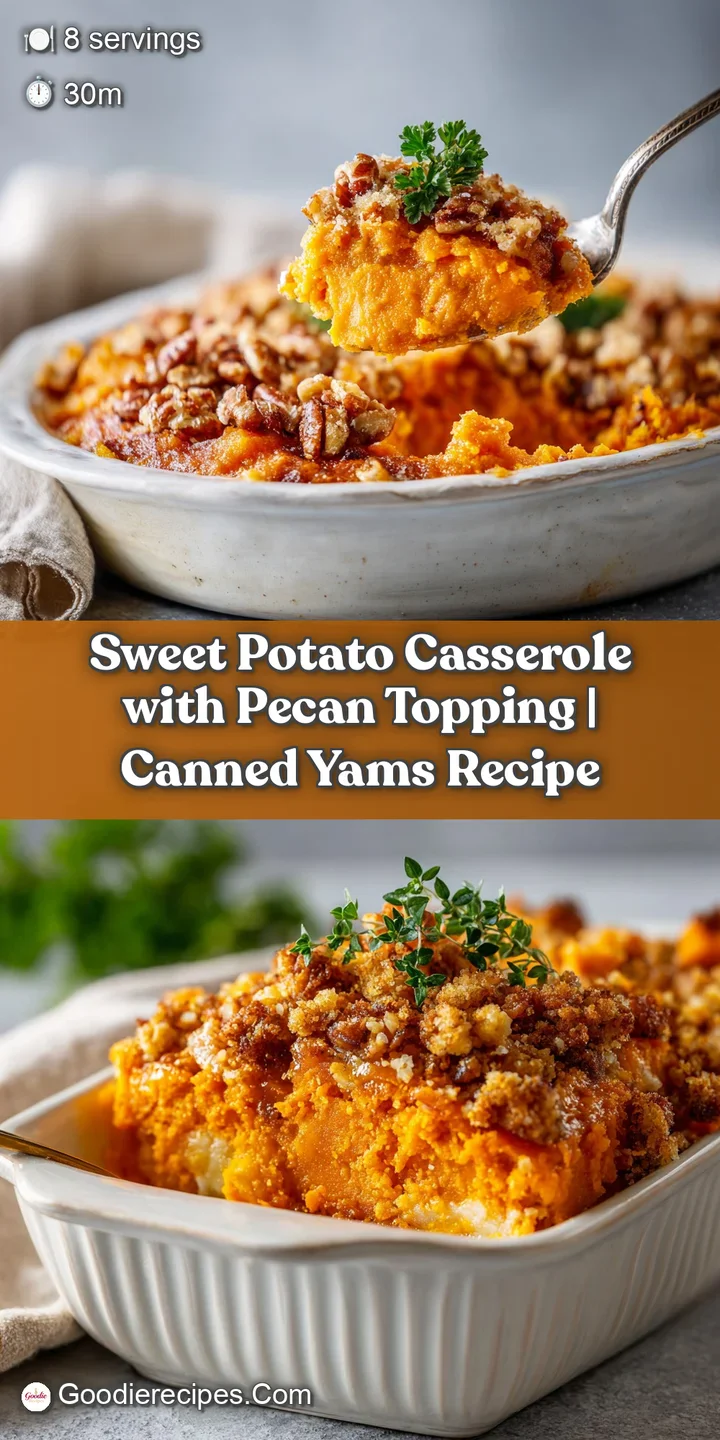
Sweet Potato Casserole: Silky Base and Pecan Praline
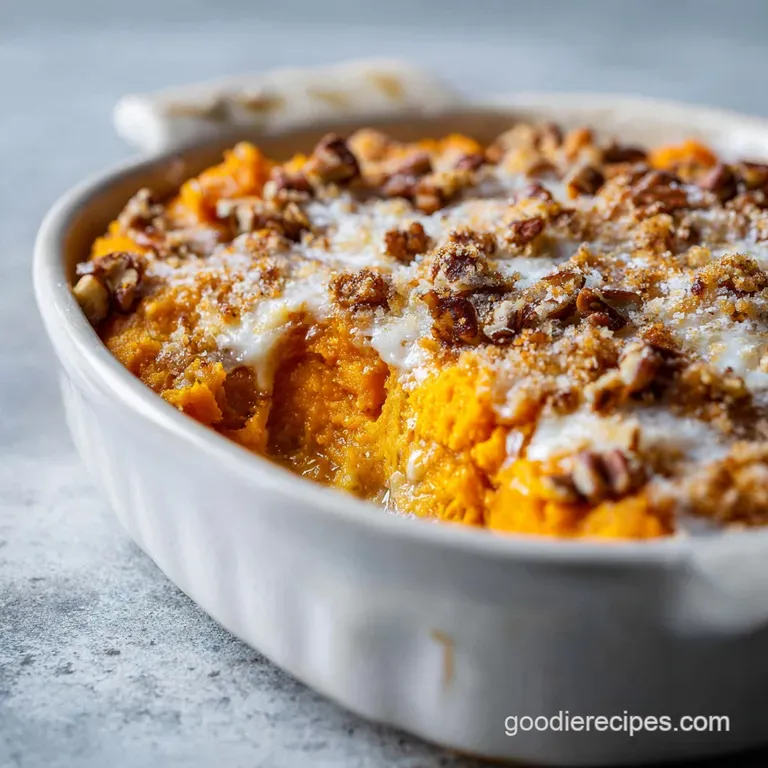
- Time: Active 10 minutes, Passive 20 minutes, Total 30 minutes
- Flavor/Texture Hook: Silky vanilla scented base topped with a buttery, shattering pecan praline crust.
- Perfect for: Holiday family gatherings, busy weeknight comfort sides, or beginner cooks.
- Perfecting the Classic Sweet Potato Casserole
- Why This Family Favorite Texture Always Wins
- The Components of a Flawless Side Dish
- Gathering Everything for the Topping and Base
- Essential Kitchen Tools for the Best Result
- Step by Step From Prep to Table
- Solving Common Texture and Topping Problems
- Swaps and Creative Twists for Your Table
- Keeping Your Leftovers Fresh and Flavorful
- The Best Main Dishes to Serve Alongside
- Myths About Working With Canned Yams
- Recipe FAQs
- 📝 Recipe Card
Perfecting the Classic Sweet Potato Casserole
We have all been there during the holidays. You reach for a scoop of what looks like a beautiful Sweet Potato Casserole, only to have a landslide of orange mush and watery syrup flood your plate, turning your turkey and stuffing into a soggy mess.
I remember my first year hosting Thanksgiving, I was so proud of my "quick" canned yam shortcut, but I didn't realize that the syrup in the can was basically a recipe for disaster. It was cloying, runny, and honestly, a bit of a kitchen heartbreak.
But here is the thing, you don't actually need to peel ten pounds of potatoes to get that classic, homey flavor we all crave. The secret isn't in the potato itself, it is in how you treat the canned version.
We want comfort, we want that nostalgic aroma of cinnamon and toasted marshmallows wafting through the house, and we want a dish that actually holds its shape when you slice into it. It should be a highlight, not a side note that people skip over because it looks like baby food.
This recipe is my definitive fix for every failed, watery casserole I've ever made. We are going to strip away that canned metallic taste, fix the structure with a few pantry staples, and create a pecan topping that actually shatters when your fork hits it.
It is about taking the easy route without sacrificing the quality your family expects. Trust me on this, once you try the rinsing technique, you will never go back to just dumping the cans straight into the dish.
Why This Family Favorite Texture Always Wins
The reason this version of a Sweet Potato Casserole works so much better than the standard "dump and stir" method comes down to moisture management and structural integrity. When you use canned yams, you are dealing with a vegetable that has been sitting in liquid for months.
If you don't address that extra hydration, the oven time won't be enough to evaporate it, leaving you with a soup.
- Surface Tension Removal: Rinsing the canned yams under cold water removes the thick, gummy corn syrup that prevents the eggs and butter from properly binding to the potato starch.
- Protein Scaffolding: Adding lightly beaten eggs creates a delicate web of proteins that set during the 20 minutes of baking, giving the purée a lift that feels lighter than air.
- Fat to Starch Ratio: The combination of melted butter in the base and cold cubed butter in the topping ensures that every bite has a velvety mouthfeel without feeling greasy.
- Thermal Contrast: Using cold butter for the pecan layer creates tiny steam pockets as it melts in the 375°F oven, which is what gives you that signature crumbly, flaky texture.
| Method | Prep Effort | Final Texture | Sweetness Control |
|---|---|---|---|
| Fresh Roasted | High (Peeling/Boiling) | Dense and earthy | Natural but variable |
| Canned (Rinsed) | Low (Drain & Mash) | Light and silky | Fully adjustable |
| Canned (In Syrup) | Zero | Soupy and thin | Often cloying |
Actually, there is a distinct advantage to using the canned variety for this specific dish. Because they are already cooked through, they have a very consistent starch profile. When we add our own light brown sugar and spices, we are in total control of the flavor profile. If you find yourself wanting to try something similar with fresh tubers later, you might enjoy my Classic Scalloped Potatoes recipe which uses a different starch thickening technique.
The Components of a Flawless Side Dish
Understanding what goes into your bowl is the first step to becoming a more intuitive cook. We aren't just tossing things in for the sake of it. Every ingredient in this Sweet Potato Casserole serves a specific purpose, from providing the structural "bones" of the dish to adding those layers of warm spice that make the house smell like a dream.
| Ingredient | Science Role | Pro Secret |
|---|---|---|
| Large Eggs | Binding agent that provides structure and a "lifted" texture. | Use room temperature eggs so they whisk into the fats without curdling. |
| Light Brown Sugar | Provides sweetness and moisture while adding a hint of molasses flavor. | Pack it tightly in the cup to ensure you have the exact weight for the right caramelization. |
| All Purpose Flour | Acts as the glue for the pecan topping, preventing it from sinking into the base. | Don't overmix the flour with the butter; you want small, pea sized lumps. |
| Unsalted Butter | Adds richness and carries the fat soluble flavors of cinnamon and ginger. | Use high-quality butter with a high fat content for a more velvety finish. |
It is worth noting that the choice of "light" brown sugar over "dark" is intentional here. Dark brown sugar has more molasses, which can sometimes overpower the delicate floral notes of the vanilla extract. We want the sweet potatoes to be the star, supported by the sugar, not buried under it.
Gathering Everything for the Topping and Base
Before you start, make sure you have everything laid out. There is nothing worse than being mid mash and realizing you're out of cinnamon. I always tell my friends to treat their ingredients like a team; they all need to be ready to play their part at the same time.
For the Silky Base
- 2 cans (29 oz each) Sweet Potatoes/Yams: Make sure these are the ones in syrup, but we will be rinsing that syrup away completely. Why this? Canned yams provide a consistent, creamy texture that is perfect for mashing quickly.
- 1/4 cup (57g) Unsalted Butter: Melted and cooled slightly. Why this? It blends better with the eggs when it isn't piping hot.
- 1/4 cup (60ml) Whole Milk: Provides just enough liquid to create a smooth purée.
- 2 large Eggs: Lightly beaten. These are non negotiable for the structure.
- 1/4 cup (50g) Light Brown Sugar: For the base sweetness.
- 1 tsp Vanilla Extract: Use the real stuff, not the imitation, if you can.
- 1/2 tsp Fine Sea Salt: To balance the sugar.
- 1 tsp Ground Cinnamon: The primary warm spice.
- 1/2 tsp Ground Ginger: Adds a tiny bit of bright heat that cuts through the richness.
For the Pecan & Marshmallow Topping
- 1/2 cup (60g) All Purpose Flour: The base of our crumble.
- 1/2 cup (100g) Light Brown Sugar: For that caramelized praline flavor.
- 1/2 cup (115g) Cold Unsalted Butter: Cubed into small pieces. Why this? Cold butter is the key to a crumbly topping rather than a greasy one.
- 1 cup (110g) Raw Pecans: Roughly chopped for varied texture.
- 1 cup (50g) Miniature Marshmallows: Because it isn't a classic casserole without them!
| Original Ingredient | Substitute | Why It Works |
|---|---|---|
| Whole Milk | Heavy Cream | Adds a much richer, decadent mouthfeel to the base. |
| Raw Pecans | Walnuts | Similar fat content and crunch, though slightly more bitter notes. |
| Light Brown Sugar | Coconut Sugar | Offers a deeper, toasted caramel flavor with a lower glycemic index. |
Essential Kitchen Tools for the Best Result
You don't need a professional kitchen to make this, but a few specific tools will make your life a whole lot easier. I used to try mashing potatoes with a fork, and let me tell you, your forearm will regret it by the time you're done.
- 9x13 inch (3 quart) Baking Dish: This is the standard size. If you use a smaller, deeper dish, you will need to increase the bake time as the center will take longer to set.
- Large Mixing Bowl: You need plenty of space to whisk the base vigorously without splashing yams all over your counters.
- Potato Masher or Hand Mixer: A masher leaves a bit of "rustic" texture, while a hand mixer (like a KitchenAid) will give you that ultra smooth, restaurant style finish.
- Pastry Cutter: This is the best way to incorporate the cold butter into the flour for the topping. If you don't have one, two forks or even your fingers will work, but be quick so the butter doesn't melt.
- Fine Mesh Sieve: Essential for rinsing those yams. You want to get all that syrup off so the base doesn't end up too sweet or thin.
step-by-step From Prep to Table
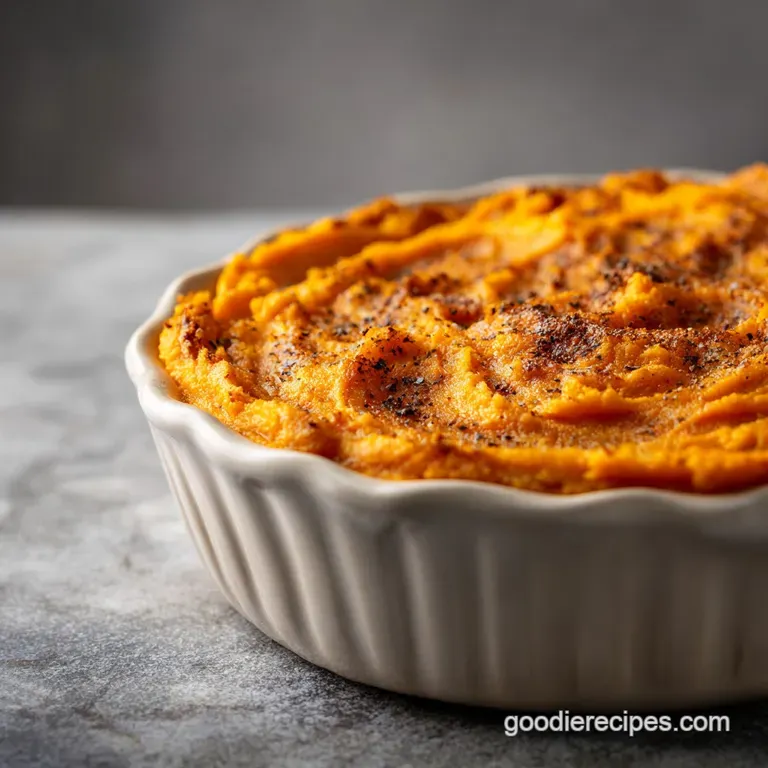
Right then, let's get into the actual cooking. This process is intentionally designed to be efficient. While the oven is preheating, you can have the entire dish assembled and ready to slide onto the middle rack.
- Preheat your oven to 375°F (190°C). Take a little bit of butter and grease your 9x13 inch baking dish thoroughly, making sure to get into the corners.
- Open those cans and dump the yams into a colander. Rinse them under cold running water until the water runs clear and they no longer feel sticky. Pat them very dry with paper towels. Note: This prevents the base from becoming watery.
- Place the dried yams in your large mixing bowl. Use your masher to break them down to the consistency you like. I prefer a few small lumps for a home style feel.
- Add the melted butter, whole milk, beaten eggs, 1/4 cup brown sugar, vanilla, salt, cinnamon, and ginger. Whisk this mixture until it looks glossy and completely combined.
- Pour the yam mixture into your greased baking dish and use a spatula to spread it out into an even layer.
- In a separate medium bowl, whisk together the flour and the remaining 1/2 cup brown sugar. Drop in those cold butter cubes.
- Use your pastry cutter to work the butter into the flour mixture until it looks like coarse, pea sized crumbs. Don't overwork it!
- Gently fold in the chopped pecans with a spoon or your hands.
- Sprinkle the pecan mixture evenly over the top of the yams, then scatter the miniature marshmallows over the pecans.
- Bake for 20 minutes until the marshmallows are puffed and toasted golden brown and the pecan topping is fragrant and bubbling at the edges.
Chef's Note: If you notice the marshmallows browning too quickly (every oven has its own personality!), simply tent a piece of foil loosely over the top for the last 5 minutes of baking.
Solving Common Texture and Topping Problems
Even with the best intentions, things can sometimes go sideways in the kitchen. Usually, it is because of a small detail we overlooked, like the temperature of the butter or how well we drained the cans. If your casserole isn't looking quite right, don't panic.
Why Your Casserole Is Runny
If you pull the dish out and it seems liquidy under the topping, it usually means the yams weren't dried enough or the eggs weren't large enough to bind the liquid. The syrup in the cans is sneaky; it clings to the ridges of the potatoes and then releases during baking.
Next time, really press those potatoes with paper towels after rinsing.
| Problem | Root Cause | Solution |
|---|---|---|
| Soggy Topping | Butter was too soft or melted. | Use butter straight from the fridge and don't over handle it. |
| Burnt Marshmallows | Sugar content in the marshmallows ignited. | Move the rack to the middle position and tent with foil if needed. |
| Bland Base | Lack of salt to balance the sugar. | Ensure you use a full 1/2 tsp of fine sea salt to "wake up" the spices. |
Preventing Burnt Toppings
The sugar and pecans in the topping can go from perfectly toasted to burnt in about sixty seconds. Keep a close eye on the oven during that last 5 minutes. The marshmallows should look like they just came off a campfire golden and slightly slumped, but not blackened.
Common Mistakes Checklist
- ✓ Never skip the rinsing step; the packing syrup is too sweet and thin for a structured casserole.
- ✓ Ensure your eggs are at room temperature so they emulsify properly with the fats.
- ✓ Don't over mash if you want a bit of texture; a few small chunks of yam are actually quite nice.
- ✓ Avoid using a blender for the base, as it can break down the starches too much and make the texture "gummy."
- ✓ Make sure the pecans are raw, not roasted, because they will roast while the casserole bakes.
Swaps and Creative Twists for Your Table
One of the best things about a Sweet Potato Casserole is how adaptable it is. Depending on who is coming to dinner, you might need to change things up a bit. If you are cooking for a larger crowd, scaling this recipe is quite simple.
To double the recipe for a huge party, use two 9x13 dishes rather than one deep one. If you try to double the depth in a single dish, the edges will overcook before the center is set. When doubling, I suggest only increasing the salt and spices to about 1.5 times the original amount to avoid them becoming overpowering.
If you are scaling down for a quiet dinner for two, you can use a 8x8 square pan and reduce the bake time by about 5 minutes.
If you are looking for a different kind of potato experience that works well for meal prepping, you might want to look at a Sweet Potato Buddha Bowl for your weekday lunches. It uses similar flavors but in a much more "everyday" format.
If you want X, do Y:
- If you want a crunchier topping: Increase the pecans by 1/2 cup and reduce the marshmallows.
- If you want a deeper flavor: Substitute the vanilla extract with a tablespoon of bourbon.
- If you want a lighter version: Use 2% milk instead of whole milk and omit the marshmallows.
Keeping Your Leftovers Fresh and Flavorful
Storage is often an afterthought, but with a dish this good, you'll want to make sure the leftovers stay tasty. The challenge with this casserole is the topping; marshmallows and pecans tend to soften once they hit the moisture of the fridge.
Fridge Storage: Place leftovers in an airtight container for up to 4 days. When reheating, I highly recommend using the oven or a toaster oven at 350°F rather than the microwave. The microwave will make the marshmallows rubbery and the pecans soft.
10 minutes in the oven will help crisp that topping back up.
Freezer Guidelines: You can freeze the yam base (without the topping) for up to 3 months. Thaw it overnight in the fridge, then add the fresh topping and marshmallows right before baking.
I don't recommend freezing the fully assembled dish, as the marshmallows do not survive the freezing and thawing process with their texture intact.
Zero Waste Tip: If you have leftover pecans that didn't make it into the dish, toss them with a little maple syrup and salt, then roast them for 10 minutes. They make a fantastic snack or a topping for your morning oatmeal.
Don't throw away the yam liquid from the cans either if you have a compost pile, it’s full of sugars that the microbes love!
The Best Main Dishes to Serve Alongside
Because this Sweet Potato Casserole is quite rich and sweet, it needs a savory partner to balance the plate. It is the quintessential companion to a roasted bird, but it also plays incredibly well with salty, cured meats.
The saltiness of a honey glazed ham is perhaps the best foil for the cinnamon and ginger in the yams. The contrast between the savory ham and the sugary marshmallow topping is what holiday food dreams are made of.
If you are serving this for a non holiday meal, try it alongside some simple grilled pork chops or even a roast chicken. The sweetness of the potatoes acts almost like a sauce for the meat.
For those who love a variety of potato textures on their table (and who doesn't?), pairing this with a creamy, garlic heavy dish like Scalloped Potatoes provides a wonderful "sweet vs. savory" potato duo that will have your guests reaching for seconds of both.
Myths About Working With Canned Yams
There are a few misconceptions floating around the internet that might make you hesitant to use the canned stuff. Let's clear those up right now so you can cook with confidence.
First, many people believe that canned yams are nutritionally "dead" compared to fresh. In reality, they are processed shortly after harvest, which locks in much of the Vitamin A and C.
While the syrup adds sugar, our rinsing method removes the vast majority of it, leaving you with the beneficial fiber and nutrients of the potato itself.
Another myth is that you can't get a "fancy" texture from a can. People think it will always be lumpy or metallic. As we've discussed, the whisking process with eggs and butter completely changes the molecular structure of the purée.
Once it's baked, no one and I mean no one will be able to tell you didn't spend all afternoon roasting and peeling fresh sweet potatoes. It is our little secret!
Recipe FAQs
Can I use canned yams instead of sweet potatoes?
Yes, they are essentially the same for this recipe. Most products labeled as canned yams are actually sweet potatoes, making them a perfectly fine substitute for fresh ones when you are short on time.
How to cook a sweet potato for diabetics?
Roast or steam the potatoes whole with the skin on. This method preserves more fiber, which helps slow the absorption of sugar into your bloodstream compared to mashing them into a sweetened casserole base.
Are yams good for sweet potato casserole?
Yes, they work perfectly. Since true yams are rarely sold in American supermarkets, the "yams" you find in the canned aisle are just sweet potatoes that provide the ideal texture and sweetness for this dish.
Do you drain canned yams?
Yes, you must drain and rinse them thoroughly. The heavy syrup they are packed in is too sweet and thin, so you need to rinse them under cold water until they are no longer sticky to ensure the final casserole sets properly.
How to prevent the casserole from becoming gummy?
Mash the yams by hand instead of using a blender. Using a machine breaks down the starches too aggressively, creating a gluey texture; if you enjoyed the hand mashing technique here, try applying that same manual control to our velvety mashed potatoes for a lighter result.
Is it true I should use roasted pecans for the topping?
No, this is a common misconception. You must use raw pecans because they will toast to the perfect level of crunch during the 20 minutes the casserole spends in the oven.
How to tell when the casserole is finished baking?
Bake until the topping turns golden brown and the marshmallows are toasted. This indicates that the sugars have caramelized and the center has reached the proper temperature, which happens consistently after 20 minutes at 375°F.
Easy Canned Yam Casserole
Ingredients:
Instructions:
Nutrition Facts:
| Calories | 486 calories |
|---|---|
| Protein | 5.0g |
| Fat | 28.4g |
| Carbs | 53.9g |
| Fiber | 4.5g |
| Sugar | 32.2g |
| Sodium | 205mg |
