Easy Fluffy Pancakes Recipe from Scratch
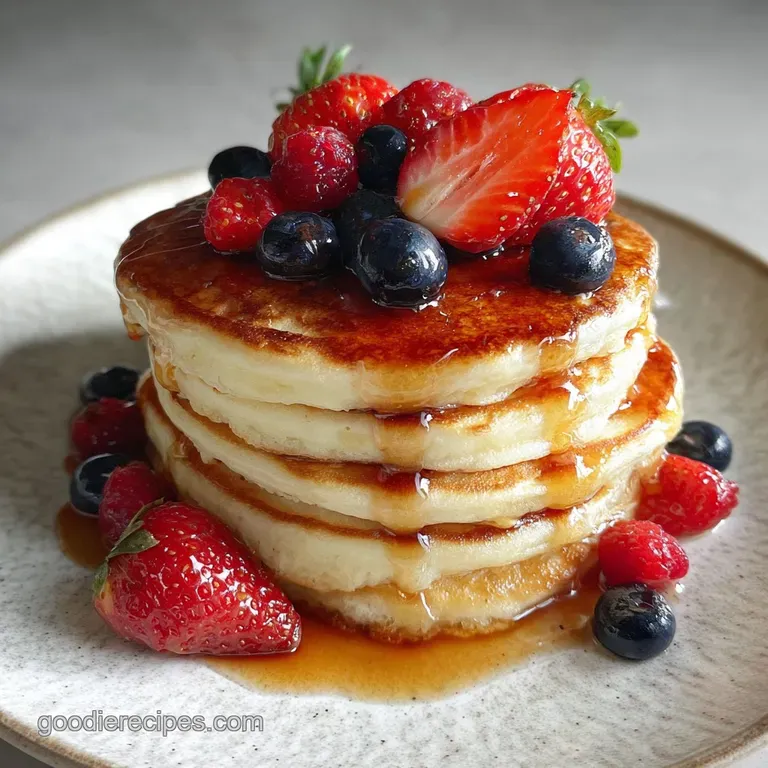
- Time: Active 10 minutes, Passive 5 minutes, Total 25 minutes
- Flavor/Texture Hook: Velvety interior with a golden, buttery sizzle on the edges
- Perfect for: Slow Saturday mornings or a reliable beginner friendly family brunch
- Making This Easy Fluffy Pancakes Recipe From Scratch
- Why This Works
- Component Analysis For Perfect Batter
- The Building Blocks
- Essential Tools For Better Flips
- Bringing It Together
- Fixing Common Pancake Mistakes
- Scaling For Crowds Or Solo
- Pancake Prep Shortcuts
- Debunking Morning Myths
- Storage and Zero Waste
- What to Serve This With
- Recipe FAQs
- 📝 Recipe Card
Making This Easy Fluffy Pancakes Recipe From Scratch
We've all been there, standing over a griddle while the first few rounds turn out like thin, sad rubber discs. I used to think the secret was in how hard I whisked the batter, but I was actually making things worse.
The more I worked that batter, the tougher those pancakes became, until I realized that the best breakfast comes from doing much less than you think.
There is nothing quite like the sound of that first pat of butter hitting a hot pan, followed by the soft hiss as the batter meets the heat. When you get this easy fluffy pancakes recipe from scratch right, the kitchen fills with a warm, toasted vanilla scent that pulls everyone out of bed without you having to say a word.
It's about finding that sweet spot where the center is light as air and the outside has just enough structure to hold a pool of syrup.
I want to show you how to stop overthinking the process. We are moving away from the boxed mixes that always taste a bit like cardboard and toward a homemade version that actually has soul.
You don't need a pantry full of rare ingredients or a professional culinary degree, just a few basics and a little bit of patience.
Why This Works
- Acidic Activation: The lemon juice or vinegar reacts with the baking powder to create immediate carbon dioxide bubbles, which are trapped by the flour structure.
- Gluten Control: By intentionally leaving lumps in the batter, we prevent the development of tough gluten strands, keeping the texture velvety.
- Fat Enrichment: Melted butter provides a richness that coats the flour proteins, ensuring a tender bite rather than a bready one.
- Starch Hydration: A short rest period allows the flour to fully absorb the liquid, which stabilizes the bubbles before they hit the heat.
| Method | Time | Texture | Best For |
|---|---|---|---|
| Stovetop Skillet | 15 minutes | Crispy edges, soft center | Classic diner style results |
| Oven Sheet Pan | 20 minutes | Uniform, cake like crumb | Feeding a large crowd at once |
| Electric Griddle | 12 minutes | Even browning, no hot spots | Consistency and volume |
Choosing the right cooking method depends on how many people you're trying to feed at once. If it is just two of you, the stovetop skillet provides those iconic shattered edges from the butter, while the oven method is a total lifesaver when you have a house full of hungry kids and don't want to stand by the stove for an hour.
Component Analysis For Perfect Batter
| Ingredient | Science Role | Pro Secret |
|---|---|---|
| Baking Powder (3.5 tsp) | Primary Leavener | Check the expiry date; it must be fresh to provide a massive lift. |
| Whole Milk (300ml) | Liquid Hydrator | Use room temperature milk to prevent the melted butter from seizing. |
| All purpose Flour (190g) | Structural Base | Weigh your flour rather than using a cup to avoid packing it too tightly. |
| Large Egg (1) | Protein Binder | Whisk the egg separately before adding to ensure it incorporates without overmixing. |
The Building Blocks
To get the best results with this recipe from scratch, we need to focus on the quality of the basics. Use a good quality vanilla and fresh eggs.
- 1.5 cups (190g) All purpose flour: This provides the structure. Why this? It has the right protein balance for a soft yet sturdy pancake.
- 3.5 tsp Baking powder: This is the engine. Why this? It creates the lift needed for that iconic fluffy height.
- 1 tbsp White sugar: For subtle sweetness and browning. Why this? Sugar caramelizes on the heat, giving you those golden edges.
- 0.5 tsp Salt: The flavor enhancer. Why this? Salt balances the sugar and makes the vanilla notes pop.
- 1.25 cups (300ml) Whole milk: The main hydrator. Why this? Higher fat content in whole milk creates a richer, more tender crumb.
- 1 tbsp Lemon juice or White vinegar: The activator. Why this? It creates a DIY buttermilk effect that reacts with the leavening agents.
- 1 Large egg: For richness and binding. Why this? The yolk adds fat while the white helps hold the bubbles in place.
- 3 tbsp Unsalted butter, melted and cooled: The flavor carrier. Why this? Butter adds a depth that oil simply cannot match.
- 1 tsp Pure vanilla extract: The aromatic finish. Why this? It rounds out the "flour" taste into something that feels like dessert.
1. Simple Dairy Swaps
If you don't have whole milk, you can use 2% milk, but the result might be slightly less rich. If you want to use actual buttermilk, you can omit the lemon juice or vinegar entirely, though you may need to add a pinch of baking soda to balance the extra acidity.
2. gluten-free Adjustments
For those avoiding gluten, a 1:1 gluten-free flour blend works surprisingly well here. Look for one that contains xanthan gum. Note that the batter might need an extra 5 minutes to rest so the rice flour can hydrate, otherwise, the texture can feel slightly gritty.
Essential Tools For Better Flips
You don't need much, but a heavy bottomed pan is non negotiable for an easy fluffy pancake recipe from scratch. A cast iron skillet or a thick non stick pan will distribute heat evenly, preventing those annoying burnt spots where the middle is still raw. You will also want a wide, thin spatula.
I prefer a silicone or metal offset spatula because it slides under the delicate batter without tearing the edges.
A large mixing bowl and a sturdy whisk are your best friends here. Don't use an electric mixer. It is far too easy to overwork the dough with a machine. We want manual control. Also, a standard 1/4 cup measuring scoop is the secret to getting every pancake the exact same size, which means they all cook at the same rate.
Bringing It Together
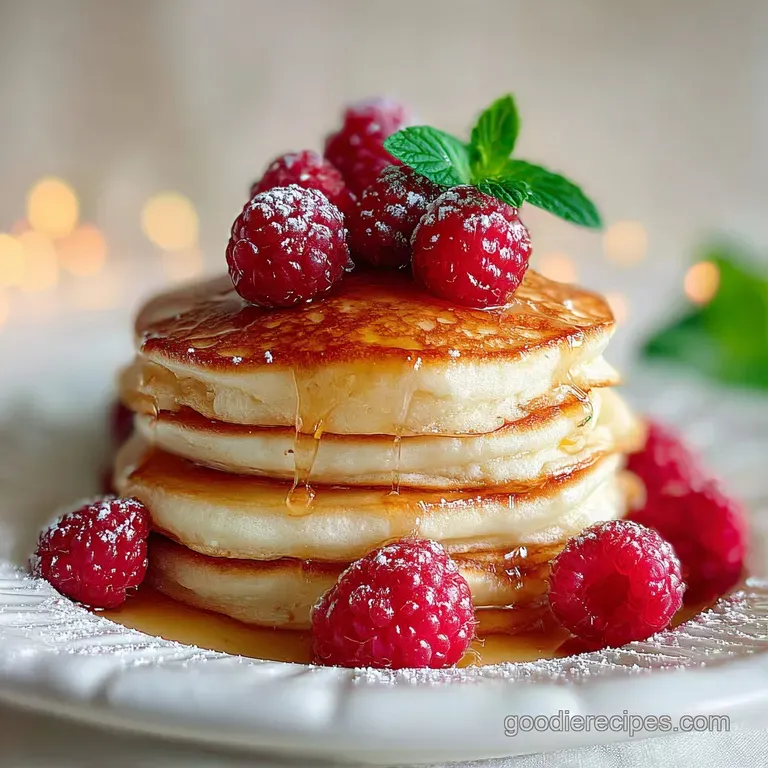
1. The Activation Phase
Start by adding 1 tbsp of lemon juice or vinegar to your 300ml of whole milk. Let it sit for about 5 to 10 minutes. Note: This creates a thickened, slightly curdled liquid that mimics buttermilk and provides the acid needed for lift.
2. Mixing The Dry Base
In a large bowl, whisk together the 190g of flour, 3.5 tsp baking powder, 1 tbsp sugar, and 0.5 tsp salt. Note: Whisking the dry ingredients first ensures the leavening agent is evenly distributed so you don't get huge bubbles in one pancake and none in the next.
3. The Liquid Gold
In a separate smaller bowl, beat the egg, then stir in the melted and cooled butter and 1 tsp vanilla extract. Add this to your "soured" milk. Note: Mixing the fats and aromatics into the milk first ensures they integrate smoothly into the flour later.
4. The Gentle Merge
Make a well in the center of the dry ingredients and pour in the milk mixture. Use a spoon or whisk to fold it together until just combined. Stop when the flour streaks disappear.Note: Lumps are your friend; they will steam and disappear during the cooking process.
5. Preheating The Surface
Heat your skillet over medium high heat and add a small amount of butter or oil. Wait until the butter sizzles and stops foaming before adding the batter.
6. The Precision Cook
Scoop 1/4 cup of batter onto the hot surface. Cook for about 2 to 3 minutes until you see bubbles forming and popping on the surface.
7. The Perfect Flip
Slide your spatula under the pancake and flip in one quick motion. Do not press down on the pancake with the spatula. Note: Pressing the pancake squeezes out the air you just worked so hard to create.
8. The Final Sear
Cook the second side for another 1 to 2 minutes until it is golden brown and the edges feel set.
9. The Rest
Transfer the cooked pancakes to a wire rack or a warm oven (set to 200°F/90°C) while you finish the rest of the batter. Note: Placing them on a wire rack prevents the bottom from getting soggy due to trapped steam.
Fixing Common Pancake Mistakes
Why Your Pancakes Are Flat
If your pancakes look more like crepes, your baking powder might be dead. You can test it by dropping a teaspoon of baking powder into hot water; if it doesn't fizz aggressively, throw it out. Another culprit is overmixing, which knocks out the air and develops gluten.
Why Your Pancakes Are Burnt But Raw
This is almost always a heat management issue. If the pan is too hot, the outside sears before the middle has a chance to rise. Turn the heat down to medium low and give it more time. It is better to go slow and low than to rush a breakfast that's gooey in the center.
| Problem | Root Cause | Solution |
|---|---|---|
| Tough, rubbery texture | Overmixing the batter | Stop mixing while you still see small lumps of flour. |
| Greasy surface | Too much oil in the pan | Use a paper towel to wipe out excess fat between batches. |
| Uneven browning | Pan was not preheated | Wait 3 minutes for the pan to get hot before the first scoop. |
- ✓ Use a kitchen scale for the flour to avoid "packing" the measuring cup (prevents dry pancakes).
- ✓ Let the batter rest for 5 minutes after mixing to allow the flour to hydrate.
- ✓ Wipe the pan clean between batches to prevent burnt butter bits from sticking.
- ✓ Never use a lid; it steams the pancakes and ruins the golden exterior.
- ✓ Flip only once; multiple flips deflate the structure and lead to a tough bite.
Scaling For Crowds Or Solo
If you're cooking for one, you can easily halve this recipe. Use half an egg by beating it in a small cup first and then pouring out roughly two tablespoons. Reduce the cooking time slightly as a smaller batch of batter might be more prone to drying out if the pan gets too hot toward the end.
When doubling the recipe for a big family brunch, don't just double everything blindly. Keep the spices and salt at about 1.5x the original amount to avoid an overpowering flavor. Also, work in batches.
If you leave a double batch of batter sitting on the counter for 45 minutes while you cook, the bubbles will eventually dissipate. It's better to mix a fresh batch halfway through.
| Original Servings | Flour Amount | Milk Amount | Pan Strategy |
|---|---|---|---|
| 9 Pancakes | 190g | 300ml | Single 10 inch skillet |
| 18 Pancakes | 380g | 600ml | Two skillets or a large griddle |
| 27 Pancakes | 570g | 900ml | Oven sheet pan method recommended |
Pancake Prep Shortcuts
| Premium Choice | Easy Shortcut | Impact |
|---|---|---|
| Homemade Buttermilk | Milk + Lemon Juice | Same tang, uses pantry staples. |
| Hand whisked Egg Whites | Whole Egg whisked well | Less effort, slightly less airy but still very fluffy. |
| Real Maple Syrup | Honey or Agave | Different flavor profile but provides the necessary sweetness. |
Using these shortcuts can save you a trip to the store without sacrificing the quality of your easy fluffy pancakes recipe from scratch. I personally always use the lemon juice trick because I rarely have fresh buttermilk in the fridge when the pancake craving hits.
Debunking Morning Myths
One common myth is that you need to flip a pancake as soon as you see a single bubble. That's a mistake. If you flip too early, the structure hasn't set, and the batter will splatter everywhere, losing its height.
You want to wait until the bubbles in the center actually pop and leave little holes that don't immediately fill back up with batter.
Another myth is that "souring" milk with vinegar is exactly the same as using real buttermilk. While the acidity is similar, real buttermilk is thicker and has a distinct cultured flavor.
The DIY version works perfectly for lift and fluffiness, but if you want that deep, old-fashioned tang, the real stuff is still king. However, for a quick morning meal, the milk and vinegar trick is a total win.
Storage and Zero Waste
You can store leftover pancakes in the fridge for up to 3 days. To keep them from drying out, place a piece of parchment paper between each one and wrap them tightly in foil or put them in a sealed container. When you're ready to eat, don't use the microwave if you can avoid it; it makes them chewy.
Reheat them in a toaster or a 350°F oven for a few minutes to bring back the texture.
For zero waste, if you have extra batter that you don't want to cook right away, you can actually turn it into waffles if you have a waffle iron just add an extra tablespoon of melted butter to the mix.
If you have leftover cooked pancakes that are starting to go stale, tear them into pieces and use them as a base for a "pancake bread pudding" or a breakfast strata. It's a brilliant way to make sure nothing goes to waste.
What to Serve This With
The classic choice is obviously a generous pour of maple syrup and a knob of salted butter, but you can get creative. I love serving these with a quick berry compote. Just simmer a handful of frozen blueberries with a splash of water and a squeeze of lemon until they burst.
The tartness cuts through the richness of the easy fluffy pancakes recipe from scratch beautifully.
If you're looking for something savory, a side of crispy bacon or a fried egg on top is a classic pairing. For a more modern twist, try a dollop of Greek yogurt and some toasted walnuts for a bit of crunch.
The contrast between the soft, warm pancake and the cold, creamy yogurt is a textural delight that makes breakfast feel a bit more sophisticated.
Chef's Note: For an extra special touch, add a pinch of cinnamon or some freshly grated nutmeg to the dry ingredients. It won't change the texture, but it creates a warmth that makes the whole house smell like a professional bakery. Trust me, it's those little details that make this recipe from scratch stand out from the rest.
Recipe FAQs
How to make simple fluffy pancakes?
Mix dry ingredients, then gently fold in wet. Ensure you do not overmix; a few lumps are good for fluffiness. Let the batter rest for 5-10 minutes before cooking.
What is the secret to the fluffiest pancakes?
Don't overmix the batter and use fresh baking powder. Overmixing develops gluten, making pancakes tough, while old baking powder won't provide enough lift.
How to make 3 ingredient fluffy pancakes?
You can make 3-ingredient pancakes using eggs, flour, and milk. Whisk two eggs with 1 cup of flour and 1 cup of milk until just combined, then cook as usual. These are simpler and might not be as tall as recipes with leavening agents.
What are the 4 ingredient pancakes?
Common 4-ingredient recipes typically include flour, eggs, milk, and baking powder. Some variations might substitute milk with yogurt or add a touch of sugar, but these four form the base for a light and fluffy pancake.
Why are my pancakes flat and dense?
Your baking powder might be expired or you've overmixed the batter. Baking powder loses its potency over time, and excessive whisking develops gluten which makes pancakes tough and flat.
How long should pancake batter rest?
Allow pancake batter to rest for 5 to 10 minutes. This resting period lets the flour hydrate and allows the gluten to relax, resulting in a more tender and fluffy pancake.
Should I use acid to make pancakes fluffy?
Yes, adding a little acid like lemon juice or vinegar to milk creates a "buttermilk" effect that enhances fluffiness. This reaction with baking powder produces more carbon dioxide bubbles for extra lift.
Easy Fluffy Pancakes
Ingredients:
Instructions:
Nutrition Facts:
| Calories | 147 kcal |
|---|---|
| Protein | 4.0 g |
| Fat | 5.6 g |
| Carbs | 19.8 g |
| Fiber | 0.6 g |
| Sugar | 2.9 g |
| Sodium | 233 mg |
