Vegetable Lasagna with White Sauce
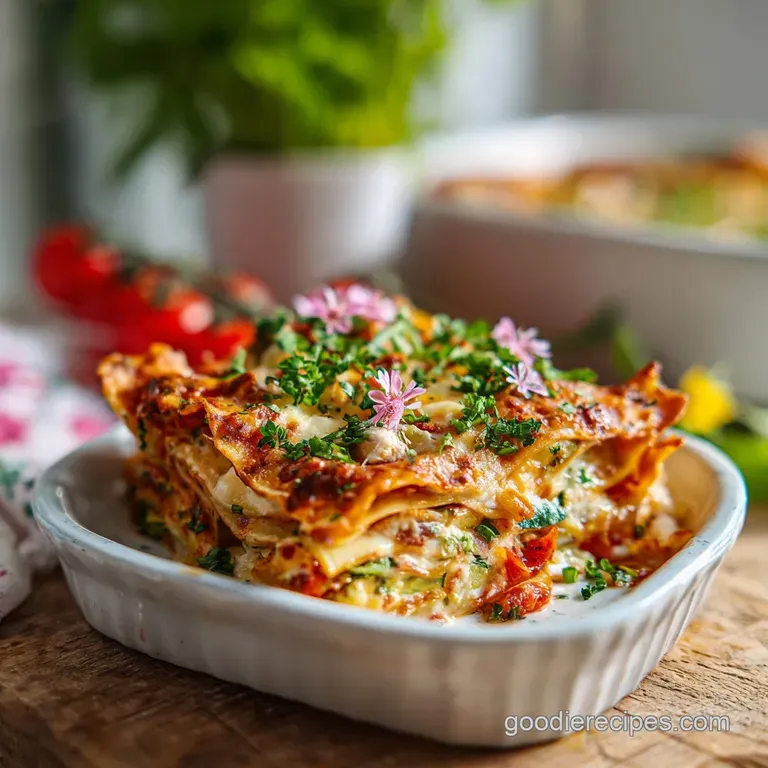
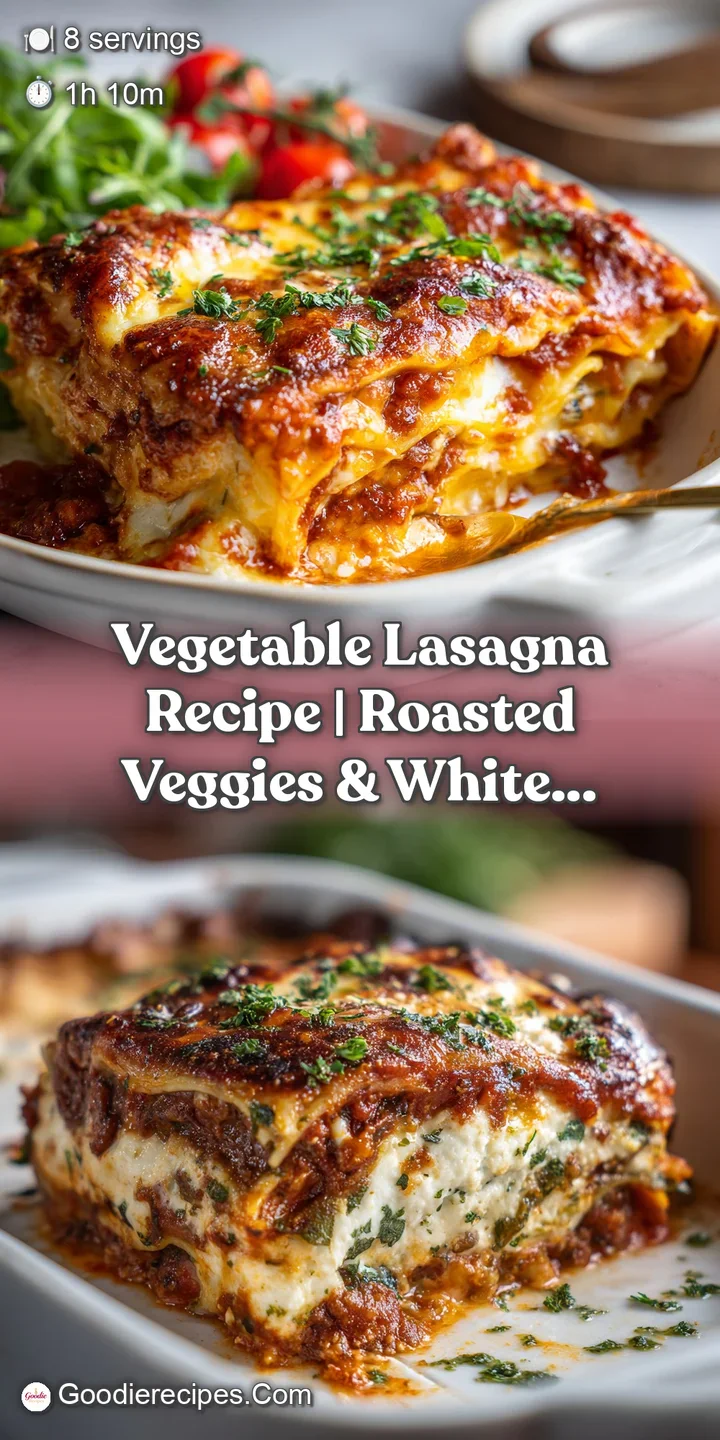
- Time: Active 25 mins, Passive 45 mins, Total 1 hours 10 mins
- Flavor/Texture Hook: Golden bubbling cheese over silky zucchini layers.
- Perfect for: Sunday family dinner or meal prep for the week.
- Mastering a Truly Comforting Vegetable Lasagna
- The Science Behind Perfect Results
- Detailed Recipe Specifications
- Component Analysis and Science
- Elements and Smart Substitutions
- Essential Kitchen Gear List
- From Prep to Plate
- Pro Tips and Common Pitfalls
- Clever Variations and Scaling
- Myths About This Dish
- Storage and Smart Reheating
- Serving and Presentation Ideas
- High in Sodium
- Recipe FAQs
- 📝 Recipe Card
Mastering a Truly Comforting Vegetable Lasagna
The first time I pulled a tray of this from the oven, the sizzle was almost as loud as my kids cheering. There’s something about that specific aroma roasting garlic mingling with browning mozzarella that just screams home.
I remember my first attempt years ago was a literal soup; I hadn't realized how much water hides inside a zucchini until it flooded my beautiful pasta layers. It was a watery mess, but we ate it anyway, and I vowed to figure out the secret to a Vegetable Lasagna that actually holds its shape when you slice into it.
This recipe is the result of those messy experiments. It’s not about using the most expensive artisan cheeses; it’s about treating simple, budget friendly vegetables with a bit of respect. We’re going to char them just enough to lock in the flavor and keep the moisture out of your noodles.
You’ll get that satisfying, sturdy stack of layers that stays upright on the plate, looking like something from a high end trattoria but costing less than a takeout pizza.
We’re going to use a hybrid sauce method a classic marinara for tang and a homemade white sauce for that velvety mouthfeel. If you’ve been intimidated by "from scratch" sauces before, don't worry.
I’ve made every mistake possible, from lumpy flour to burnt milk, and I’ll show you exactly how to keep it smooth. Let’s get the oven preheated and transform these humble veggies into something spectacular.
The Science Behind Perfect Results
Understanding the "why" makes you a better cook, especially with a dish as structural as lasagna. Here is how we keep things from falling apart:
- Cellular Dehydration: Roasting zucchini at high heat causes the water inside the plant cells to evaporate before it ever touches the pasta. This prevents the "pool of liquid" at the bottom of the pan.
- Starch Gelatinization: As we whisk the flour and butter for the white sauce, the starch granules swell and trap the milk’s liquid. This creates a stable emulsion that won't break or become greasy during the long bake.
- Gluten Hydration: No boil noodles rely on the moisture from the marinara and white sauce to soften. The heat triggers the gluten to expand, absorbing the vegetable juices and binding the layers together.
- Maillard Reaction: By searing the mushrooms and peppers, we create new flavor compounds that mimic the savory "umami" typically found in meat based sauces.
| Feature | Stovetop Method | Oven Baked Method |
|---|---|---|
| Texture | Softer, more "one pot" feel | Crispy edges and distinct layers |
| Flavor Profile | Bright and fresh | Deep, roasted, and concentrated |
| Convenience | Faster, saves on gas/electricity | Set and forget once assembled |
While some folks swear by the stovetop for a quick fix, I truly believe the oven is the only way to get that shattered glass cheese crust. If you're looking for a lighter, faster alternative to this heavy bake, you might enjoy my Spring Salad Recipe on the side to balance out the richness of the cheese.
Detailed Recipe Specifications
This dish is designed to feed a crowd or provide a solid four days of leftovers. We are aiming for eight generous portions that reheat beautifully. The timing is precise: 25 minutes of active prep (chopping and whisking) and 45 minutes in the oven.
Make sure you don't skip the resting time once it comes out. I know the smell is tempting, but if you cut it immediately, the molten cheese and white sauce will slide right out. Those ten minutes on the counter are what allow the proteins in the cheese to firm up and the pasta to finish absorbing any stray juices.
It’s the difference between a stack and a slump.
Component Analysis and Science
| Ingredient | Science Role | Pro Secret |
|---|---|---|
| Whole Milk | Provides the liquid base for the velvety Mornay sauce. | Warm the milk before adding to the flour to prevent lumps. |
| Cremini Mushrooms | Adds the savory "meaty" texture and deep color. | Don't salt them until they are browned, or they'll steam. |
| No boil Noodles | Absorbs excess moisture from the sauce to stay tender. | Ensure every corner is covered in sauce or they'll stay crunchy. |
| Nutmeg | Bridges the gap between the creamy milk and earthy veggies. | Freshly grated is five times more potent than pre ground. |
The milk is the heavy lifter here. Using whole milk instead of cream keeps the cost down while providing enough fat to create a silky sauce that coats the vegetables.
Elements and Smart Substitutions
Here is exactly what you need to grab from the store. I’ve included budget friendly swaps that won't ruin the integrity of your meal.
- 2 medium Zucchini (400g): Sliced into 1/4 inch rounds. Why this? They provide bulk and a mild flavor that absorbs the sauce.
- Substitute: Yellow squash works identically.
- 225g Cremini mushrooms: Sliced thin. Why this? They have less water and more flavor than white buttons.
- Substitute: White button mushrooms (just cook them longer to dry out).
- 1 large Red bell pepper: Diced. Why this? Adds a necessary sweetness to balance the salty cheese.
- Substitute: Roasted peppers from a jar (drain well).
- 300g Fresh baby spinach: Roughly chopped. Why this? Provides iron and a pop of vibrant color.
- Substitute: Frozen spinach (thaw and squeeze out every drop of water).
- 3 cloves Garlic: Minced. Why this? The aromatic foundation of the entire dish.
- Substitute: 1 tsp garlic powder mixed into the sauce.
- 75g Unsalted butter & 75g All purpose flour: For the roux. Why this? This creates the thickening agent for our white sauce.
- 1 Liter Whole milk: Warmed. Why this? Creates a rich, creamy texture without the expense of heavy cream.
- 100g Parmesan cheese: Freshly grated. Why this? Adds a sharp, salty punch that pre grated lacks.
- Substitute: Grana Padano for a cheaper, similar profile.
- 375g No boil lasagna noodles: Why this? Saves time and helps absorb vegetable moisture.
- 450g Shredded mozzarella: Why this? The king of meltability and the classic "cheese pull."
- 700ml Marinara sauce: Why this? Provides the acidity needed to cut through the creamy white sauce.
Essential Kitchen Gear List
You don't need fancy gadgets, but a few basics make this much easier. A large rimmed baking sheet is non negotiable for roasting the vegetables. If you crowd them into a small pan, they will steam rather than roast, leaving you with that watery lasagna we’re trying to avoid.
You'll also need a heavy bottomed saucepan for the white sauce. Thin pans have "hot spots" that can scorch the milk in seconds. A balloon whisk is your best friend here it gets into the corners of the pan to ensure no flour stays trapped and raw.
Finally, a standard 9x13 inch baking dish (about 3 liters) is the ideal vessel for this amount of ingredients.
From Prep to Plate
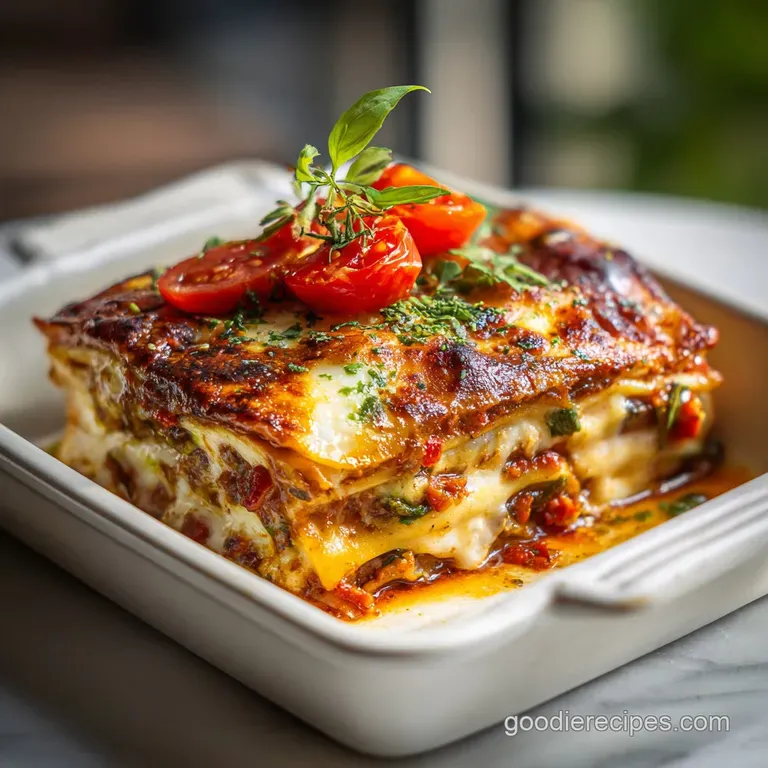
- Roast the vegetables. Toss zucchini rounds, diced pepper, and sliced mushrooms with olive oil, salt, and oregano on a large tray and bake at 200°C until edges are browned and slightly shriveled (about 15-20 mins).
- Sauté the aromatics. In a small pan, cook the minced garlic and chopped spinach until the spinach is completely wilted. Note: This removes the raw edge from the garlic.
- Prepare the roux. Melt butter in a saucepan over medium heat, then whisk in the flour for 2 minutes until it smells like toasted shortbread.
- Finish the white sauce. Slowly stream in the warm milk while whisking constantly. Simmer for 5 minutes until the sauce coats the back of a spoon.
- Season and cheese. Remove the white sauce from heat; stir in the nutmeg and half of the Parmesan cheese until the sauce is silky and thick.
- Layer the base. Spread a thin layer of marinara on the bottom of your baking dish followed by a single layer of noodles. Note: This prevents the bottom noodles from sticking to the pan.
- Stack the filling. Spread more marinara, a third of the roasted veggies, a third of the spinach mixture, and a generous drizzle of white sauce.
- Repeat the process. Add another layer of noodles and repeat the fillings twice more until you have three distinct layers of vegetables.
- Top it off. Finish with a final layer of noodles, the remaining white sauce, the mozzarella, and the rest of the Parmesan.
- Bake to perfection. Bake at 180°C for 40-45 minutes until the cheese is bubbling and has golden brown craters.
Pro Tips and Common Pitfalls
Why Your Vegetable Lasagna is Soupy
The biggest culprit is almost always the zucchini. If you skip the roasting step, that water has nowhere to go but into your pasta. Also, if you use frozen spinach without squeezing it through a tea towel, you're essentially adding half a cup of green water to your bake.
Roast your veggies until they look a bit "sad" and dry that's when they are ready to soak up the sauce.
The Overlapping Noodle Error
If you overlap no boil noodles too much, the centers won't get enough moisture and will stay hard as a rock. Leave a tiny bit of space (about 2mm) between sheets. They will expand as they cook.
If you're worried about the sauce ratio, remember it's better to have a slightly saucy lasagna that sets than a dry one that's crunchy.
| Problem | Root Cause | Solution |
|---|---|---|
| Tough noodles | Not enough sauce | Ensure noodles are completely submerged in sauce. |
| Greasy top | Low quality mozzarella | Use low moisture mozzarella rather than "fresh" in water. |
| Bland flavor | Under seasoned veggies | Add an extra pinch of salt to the veggies before roasting. |
Chef's Tip: Freeze your block of mozzarella for 10 minutes before grating. It makes it much firmer and easier to shred without it turning into mush in your hand.
Common Mistakes Checklist ✓ Pat the zucchini dry after slicing and before roasting to speed up moisture loss. ✓ Don't skip the nutmeg it’s what makes the white sauce taste professional.
✓ Let the finished lasagna rest for at least 10-15 minutes before slicing. ✓ Warm the milk before adding it to your roux to avoid a "clumpy" sauce. ✓ Check the oven at 30 minutes; if the cheese is browning too fast, tent it with foil.
Clever Variations and Scaling
If you want to scale this down for two people, use a loaf pan! You can use half the ingredients and just break the noodles to fit. The cook time will stay roughly the same because the thickness remains consistent. For a massive party, you can double the recipe into two 9x13 pans.
Just be sure to rotate the pans in the oven halfway through to ensure even browning.
If you find yourself with leftover noodles but no more vegetables, you might want to try my Lasagna Soup Recipe which is a great way to use up those pantry scraps without another full bake.
| Premium Ingredient | Budget Alternative | Flavor Impact | Savings |
|---|---|---|---|
| Pine Nuts | Toasted Breadcrumbs | Adds crunch but less creamy | €4.00 |
| Ricotta Cheese | Homemade White Sauce | More velvety, less grainy | €3.50 |
| Fresh Basil | Dried Oregano | Earthy instead of peppery | €2.00 |
Scaling for Large Crowds
When doubling this recipe, don't double the salt in the white sauce immediately. Start with 1.5x the amount and taste. As the sauce reduces in the oven, the saltiness concentrates, and it’s very easy to overdo it. You can also roast the vegetables the day before to save time on the big day.
Myths About This Dish
"You must boil the noodles first for the best texture." This is simply not true anymore. Modern no boil (oven ready) noodles are thinner and designed to absorb the steam from the sauce. In fact, boiling them first often leads to a gummy, overcooked mess in a vegetable heavy lasagna.
"Vegetable lasagna is always healthier than meat lasagna." While it has more fiber, the heavy use of cheese and white sauce means the calorie count is often similar to a traditional Bolognese version. If you're looking for something truly light, try a Chicken Soup Recipe which uses a clear broth instead of heavy fats.
Storage and Smart Reheating
Fridge: This keeps beautifully for 4 to 5 days. Honestly, it tastes better on day two once the flavors have had time to mingle. Cover it tightly with foil or move it to an airtight container.
Freezer: You can freeze the entire baked lasagna for up to 3 months. Thaw it overnight in the fridge before reheating. Don't try to bake it from frozen, or the outside will burn while the middle stays an ice cube.
Zero Waste Tip: Don't throw away those mushroom stems! Throw them into a bag in the freezer with your onion skins and carrot tops. When the bag is full, boil them all for an hour to make a "free" vegetable stock for your next soup or risotto.
Serving and Presentation Ideas
To get those perfect, clean squares you see in magazines, you need a sharp serrated knife and a bit of patience. Wipe the knife between every cut. If you want a bit of extra flair, top each serving with a drizzle of high-quality balsamic glaze or a few cracks of black pepper.
If you're serving this for a special dinner, put the whole tray in the center of the table. There is something so communal and warm about everyone digging into the same bubbling dish.
It pairs perfectly with a crisp white wine like a Pinot Grigio, which has enough acidity to cut through the richness of the Mornay sauce. Just keep it simple this lasagna is the star of the show.
High in Sodium
985 mg 985mg of sodium per serving (43% 43% of daily value)
The American Heart Association recommends limiting sodium intake to no more than 2,300mg per day for most adults. Try these tips to lower sodium in this recipe.
Tips to Reduce Sodium in Your Lasagna
-
Low-Sodium Cheese Swap-20%
Replace the regular Parmesan and Mozzarella with low-sodium or reduced sodium versions. This simple swap can significantly cut down on the sodium content from cheeses.
-
Low-Sodium Marinara-15%
Use no-salt added or low-sodium marinara sauce. Alternatively, make your own marinara sauce from scratch to fully control the sodium content.
-
Omit Added Salt-15%
This recipe already has plenty of salty elements, so leave out any added salt. Taste test before serving and only add salt if absolutely necessary.
-
Enhance Mushroom Flavor-10%
Sauté the mushrooms and vegetables with a splash of balsamic vinegar or lemon juice to bring out their natural flavors. This will help reduce the need for salt.
-
Consider Milk Choice-5%
If possible, use a lower sodium milk alternative. Certain brands of almond or soy milk are lower in sodium.
-
Spice It Up!
Instead of relying on salt, experiment with fresh herbs like basil, parsley, and thyme, or spices like garlic powder, onion powder, and red pepper flakes to enhance the flavor of the lasagna.
Recipe FAQs
What vegetables work well in lasagna?
Zucchini, spinach, mushrooms, and red bell peppers are ideal. These vegetables roast well, concentrating flavor and reducing excess water, which is crucial for a firm lasagna structure. For a deeper flavor profile, try roasting ingredients like the ones used in our Sweet Potato Buddha recipe.
What is vegetable lasagna made of?
It is layered with pasta sheets, marinara sauce, a creamy white sauce (béchamel/Mornay), roasted vegetables, and cheeses like mozzarella and Parmesan. The combination of acidic tomato and creamy white sauce creates the signature rich mouthfeel.
Should you cook vegetables before putting in lasagna?
Yes, you should always pre-cook watery vegetables like zucchini and spinach. Roasting them first drives out excess moisture, preventing the final dish from becoming a soupy layer cake; this technique locks in the flavor.
What are common mistakes in veggie lasagna?
The most common error is skipping the vegetable roasting step, leading to a watery lasagna. Another mistake is overcrowding the pan, which causes the vegetables to steam instead of caramelize, resulting in dull flavor.
Is it true that you should never use frozen vegetables in lasagna?
No, this is a common misconception, but they require extra prep. If using frozen spinach or broccoli, you must thaw them completely and squeeze out every drop of liquid using a clean kitchen towel before adding them to the layers.
How do I ensure my white sauce stays smooth and creamy?
Whisk warm milk in slowly and constantly into the butter flour roux. Adding cold milk too fast causes the starch to seize up and create lumps, ruining the velvety texture you want for the béchamel base.
How do I enhance the savory flavor usually provided by meat?
Sear your mushrooms and peppers intensely to develop umami through the Maillard reaction. Adding a touch of nutmeg to the white sauce also bridges the creamy element to the earthiness of the vegetables, similar to how we build flavor in our Artichoke Dip recipe.
Easy Vegetable Lasagna Recipe
Ingredients:
Instructions:
Nutrition Facts:
| Calories | 682 kcal |
|---|---|
| Protein | 32.3 g |
| Fat | 33.8 g |
| Carbs | 63.0 g |
| Fiber | 4.2 g |
| Sugar | 12.1 g |
| Sodium | 985 mg |
