Fluffy Biscuit Recipe with Yogurt Secret

- Time: Active 20 minutes, Passive 15 minutes, Total 35 minutes
- Flavor/Texture Hook: Shatter crisp exterior with a buttery, velvety interior
- Perfect for: Weekend brunch, southern style dinners, or beginner bakers wanting a guaranteed rise
- Master the Golden Layers of Our Best Biscuit Recipe
- Planning Your Bake: Timelines and Essential Comparison
- The Science and Soul Behind Every Ingredient
- Tools of the Trade for Flaky Success
- Step by Step Guide to a Flawless Rise
- Fixing Common Pitfalls for a Better Bake
- Simple Adaptations and Flavorful New Ideas
- Keeping Your Biscuits Fresh and Storing Scraps
- Bringing It Together with Creative Serving Ideas
- Recipe FAQs
- 📝 Recipe Card
Master the Golden Layers of Our Best Biscuit Recipe
I still remember the first time I actually pulled off a proper biscuit. For years, I churned out heavy, leaden pucks that could have double downed as doorstops. I was overworking the dough, using room temperature butter, and wondering why they never got that sky high rise I saw in professional kitchens.
Then, I realized the secret wasn't just in the ingredients, but in how I treated the fat.
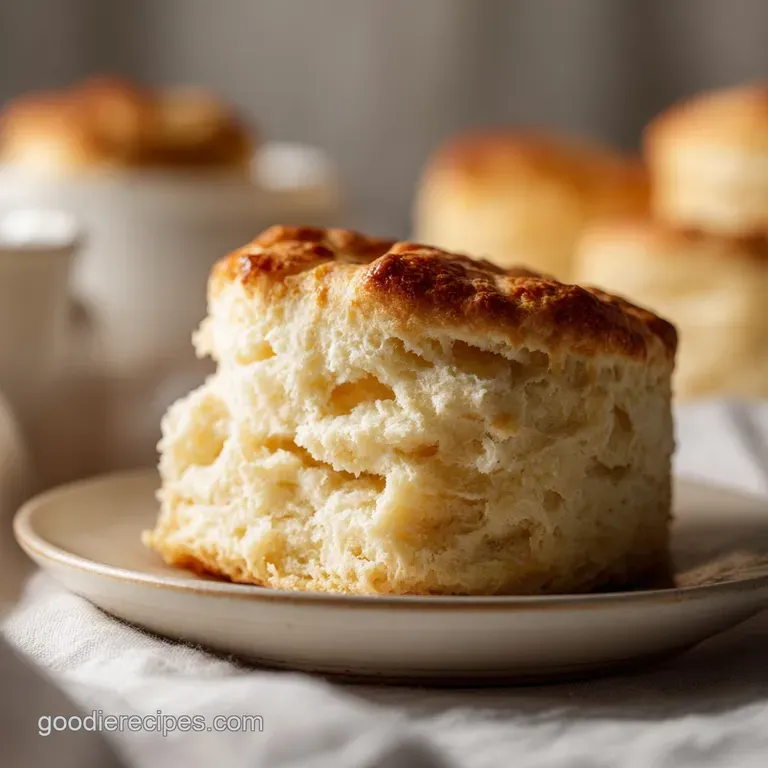
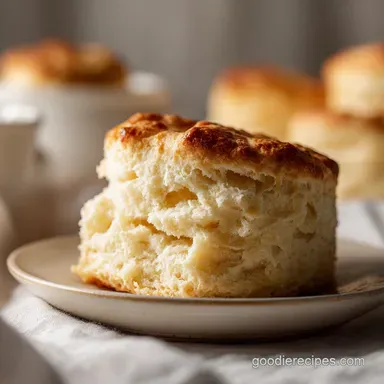
The moment you pull these out of the oven, the aroma of toasted butter and sweet honey fills the house. There is a specific sound, a soft crackle, as you pull a warm biscuit apart to reveal those distinct, steamy layers.
It’s a sensory experience that changes your kitchen from a room where you cook into a place where you create actual comfort. We've all had those dry, crumbly biscuits from a box, but this version is a totally different beast.
We are going to walk through the process together, from the grating of the frozen butter to the final golden brush of buttermilk. If you've struggled with flat biscuits in the past, don't worry. I've made every mistake possible so you don't have to.
We'll focus on keeping everything cold and handling the dough with a light touch to ensure every bite is airy and tender.
The Physics of the Steam Rise
When the 85g of frozen butter hits the 200°C oven, the water content within the fat evaporates instantly. This rapid expansion creates steam pockets that physically lift the layers of flour apart before the protein structure sets.
Planning Your Bake: Timelines and Essential Comparison
Getting the timing right is half the battle when you want fresh biscuits for breakfast. I usually start by grating my butter and popping it back in the freezer for 10 minutes while I prep the dry ingredients. This ensures the fat is at its absolute coldest when it meets the flour. If you are serving these with a big meal, like my French Bread Recipe, you can actually prep the dough a few hours early and keep it chilled in the fridge.
Chef Tip: Freeze your butter for 30 minutes, then use a box grater to shred it directly into the flour. It distributes the fat perfectly without melting it with your thumb heat.
The method you choose for cooking can also change the final texture. While most people reach for a baking sheet, a cast iron skillet offers a different kind of magic for the bottom crust.
| Cooking Method | Time | Texture | Best For |
|---|---|---|---|
| Standard Oven | 15 minutes | Even browning, soft sides | Large batches, high rise |
| Cast Iron Skillet | 15-18 minutes | Ultra crispy, fried bottom | Southern style, rustic look |
| Toaster Oven | 12-14 minutes | Darker crust, quick | Small batches of 2-3 biscuits |
The Science and Soul Behind Every Ingredient
Every single component in this biscuit recipe has a specific job to do. We aren't just throwing things in a bowl; we are balancing acidity, fat, and protein. For example, the 120g of Greek yogurt provides a thick, creamy acidity that reacts with the 1.5g of baking soda, creating immediate carbon dioxide bubbles.
This gives us an extra boost of lift that buttermilk alone sometimes lacks.
The addition of 7g of honey might seem small, but it serves a dual purpose. Beyond a hint of sweetness, the sugars in honey caramelize faster than granulated sugar, giving us that deep, mahogany colored crust. It also helps retain moisture, so the biscuits don't turn into sand the next day. If you enjoy this balance of sweet and savory, you might also like my Sweet Corn Bread Recipe.
| Ingredient | Science Role | Pro Secret |
|---|---|---|
| Baking Powder | Primary leavening | Check freshness by dropping a pinch in hot water; it should fizz. |
| Frozen Butter | Steam production | Grate it frozen to keep the "lumps" intact for maximum flakiness. |
| Greek Yogurt | Protein & Acidity | Use full fat for the most velvety crumb; it strengthens the dough walls. |
| All Purpose Flour | Structural base | Spoon and level your 315g measurement to avoid a dry, dense biscuit. |
Tools of the Trade for Flaky Success
You don't need a professional bakery setup to make a top tier biscuit recipe, but a few specific tools make the job significantly easier. A heavy bottomed bowl is great for mixing because it stays put while you're working the dough.
If you have a pastry cutter, use it, but two knives or even your fingertips (if you're fast!) will work just fine.
- Box Grater: Essential for that frozen butter trick I mentioned earlier.
- Bench Scraper: This is my favorite tool for folding the dough to create those "letter folds" that result in layers.
- 2.5 inch Biscuit Cutter: Look for one with sharp edges. A dull cutter or a glass rim will pinch the edges of the dough shut, preventing the biscuit from rising upward.
- Baking Sheet or Cast Iron: I prefer a light colored heavy baking sheet to prevent the bottoms from burning before the tops are golden.
Chef Tip: Never twist the biscuit cutter when pressing down. Press straight down and pull straight up to keep the "pores" of the dough open for the rise.
step-by-step Guide to a Flawless Rise
- Preheat oven. Set your oven to 200°C and line a baking sheet with parchment paper. Note: A hot oven is non negotiable for that immediate steam burst.
- Whisk dry ingredients. Combine 315g flour, 15g baking powder, 1.5g baking soda, and 6g sea salt in a large bowl.
- Incorporate fat. Add 85g of grated frozen butter to the flour until the mixture looks like coarse crumbs with some pea sized chunks.
- Mix wet ingredients. Stir 120g chilled Greek yogurt, 120ml cold buttermilk, and 7g honey together in a small jug.
- Combine. Pour the wet mixture into the dry until a shaggy, messy dough forms. Note: Don't overmix here; it should look ugly and unfinished.
- Laminate the dough. Turn the dough onto a floured surface and pat into a rectangle. Fold it in thirds like a letter, rotate, and repeat 3 times. until you see visible streaks of butter.
- Cut the biscuits. Pat the dough to 1 inch thickness and cut 10 rounds with a sharp cutter.
- Arrange. Place biscuits on the sheet so they are just barely touching each other. Note: Touching helps them "climb" each other for more height.
- Bake. Slide into the oven for 15 minutes until the tops are deeply bronzed and the centers feel springy.
- Finish. Brush the hot tops with a little extra buttermilk or melted butter immediately.
Fixing Common Pitfalls for a Better Bake
Even with a solid biscuit recipe, things can go sideways. The most common issue I see is people being too "kind" to their dough. You want to be fast and firm. If the dough starts feeling warm or sticky, your butter is melting, and you've lost the flake.
If that happens, shove the whole tray in the fridge for 15 minutes before baking.
Why Your Biscuits Turned Out Flat
This usually happens because of two things: expired leavening agents or over handling. If you work the dough too much, you develop the gluten (like bread), which makes the dough tough and prevents it from expanding. Also, if you twisted that cutter, you basically "glued" the edges together.
| Problem | Root Cause | Solution |
|---|---|---|
| Dense/Tough | Over mixing the flour | Mix only until the flour disappears; stop immediately. |
| No Layers | Butter was too soft | Use frozen butter and keep the dough chilled. |
| Dark Bottoms | Thin baking sheet | Use a heavy duty pan or double up your baking sheets. |
Common Mistakes Checklist
- ✓ Using room temperature dairy (keep the yogurt and buttermilk in the fridge until the very last second).
- ✓ Measuring flour by packing it into the cup (use a scale for 315g or the "spoon and level" method).
- ✓ Twisting the cutter (this seals the edges and kills the rise).
- ✓ Opening the oven door too early (this drops the temperature and ruins the steam lift).
- ✓ Forgetting to preheat the oven for at least 20 minutes (the stone/walls need to be radiating heat).
Simple Adaptations and Flavorful New Ideas
Once you have the base biscuit recipe down, you can start playing with flavors. I love adding a cup of sharp cheddar and some chopped chives for a savory twist. If you want something more dessert like, you could even fold in some chocolate chips, much like the flavors in a Cookie Delight Recipe.
| Original Ingredient | Substitute | Why It Works |
|---|---|---|
| Buttermilk (120ml) | Whole Milk + 1 tsp Lemon Juice | The acid mimics buttermilk's tang and reacts with the soda. |
| Greek Yogurt (120g) | Sour Cream | Similar fat and acidity levels. Note: Makes a slightly richer, heavier crumb. |
| Sea Salt (6g) | Table Salt (4g) | Table salt is finer; use less to avoid an oversalted dough. |
If you find yourself without a biscuit cutter, don't sweat it. You can turn this into a drop biscuit recipe by adding an extra tablespoon or two of buttermilk. Just scoop the shaggy dough with a large spoon and drop it onto the pan.
You won't get the clean layers, but the texture will be incredibly craggy and crisp on the outside.
Keeping Your Biscuits Fresh and Storing Scraps
Biscuits are definitely best about 5 minutes after they leave the oven, but they can be saved. To store, let them cool completely and keep them in an airtight container at room temperature for up to 2 days. For anything longer, the freezer is your best friend.
- Fridge: Don't do it! The fridge circulates dry air and will turn your biscuits into rocks within hours.
- Freezer: Wrap individual biscuits in foil and place in a freezer bag for up to 3 months.
- Reheating: The best way to revive a biscuit is in a 175°C oven for 5-7 minutes. Avoid the microwave unless you want a rubbery mess.
Zero Waste Tip: When you cut round biscuits, you always have those awkward scraps left over. Don't re roll them more than once, as they get tough. Instead, I like to chop the scraps into small bits, toss them in cinnamon sugar, and bake them as "biscuit bites." They are great for snacking or as a topping for a cobbler. You could even use them in a simplified Monkey Bread Recipe.
Bringing It Together with Creative Serving Ideas
A warm biscuit is a blank canvas. While the classic move is a slab of salted butter and some honey, I’ve found some other ways to make them the star of the table. If you're feeling fancy, try a savory biscuit sandwich with a fried egg, crispy bacon, and a smear of pimento cheese.
The tang of the Greek yogurt in the dough cuts right through the richness of the cheese.
Another trick I learned is to use these as a base for strawberry shortcake. Because this biscuit recipe isn't overly sweet, it balances out macerated strawberries and whipped cream perfectly.
If you have leftovers, split them open, toast them under the broiler with some garlic butter, and serve them alongside a bowl of hot soup. There's really no wrong way to eat a homemade biscuit, as long as it's warm and there’s plenty of butter involved.
Trust me, once you master those layers, you'll never go back to the store-bought stuff again. It’s a total game changer for your weekend mornings. Right then, let’s get that oven preheated!

Recipe FAQs
What is the secret to a good biscuit?
Keeping the fat frozen and handling the dough minimally. The rapid creation of steam pockets from frozen butter lifts the layers, and overworking the dough develops gluten, leading to toughness instead of flakiness.
What are the ingredients for biscuits?
Flour, leavening (baking powder/soda), fat (cold butter), salt, and a liquid acid (buttermilk or yogurt). The acid reacts with the baking soda to ensure a high, tender rise.
What are the four types of biscuits?
Generally recognized types are: Drop, Rolled, Cream, and Shortcake. This recipe focuses on the Rolled style for distinct, sharp layers, unlike the rustic texture of drop biscuits.
What are some common biscuit mistakes?
Overworking the dough, using warm ingredients, or twisting the biscuit cutter. Twisting seals the edges shut, physically preventing the biscuit from rising upwards in the oven.
How do I ensure my biscuits bake up tall and flaky?
Use grated, frozen butter and avoid manipulating the cut dough excessively. Placing the biscuits close enough to touch on the pan forces them to rise vertically against each other rather than spreading outward.
Is it true that I must use buttermilk to get the right rise?
No, but an acid is required for optimal lift. You can substitute buttermilk with whole milk mixed with a teaspoon of lemon juice or use Greek yogurt, as the acidity is what activates the baking soda.
Can I make the dough ahead of time for biscuits?
Yes, chilling the unbaked dough is highly recommended for best results. If you master the cold handling technique here, you can apply that temperature control to many other pastry recipes, which is key for flaky structure.
Fluffy Greek Yogurt Biscuit Recipe
Ingredients:
Instructions:
Nutrition Facts:
| Calories | 191 kcal |
|---|---|
| Protein | 4.9 g |
| Fat | 7.5 g |
| Carbs | 25.6 g |
| Fiber | 0.8 g |
| Sugar | 1.1 g |
| Sodium | 382 mg |
