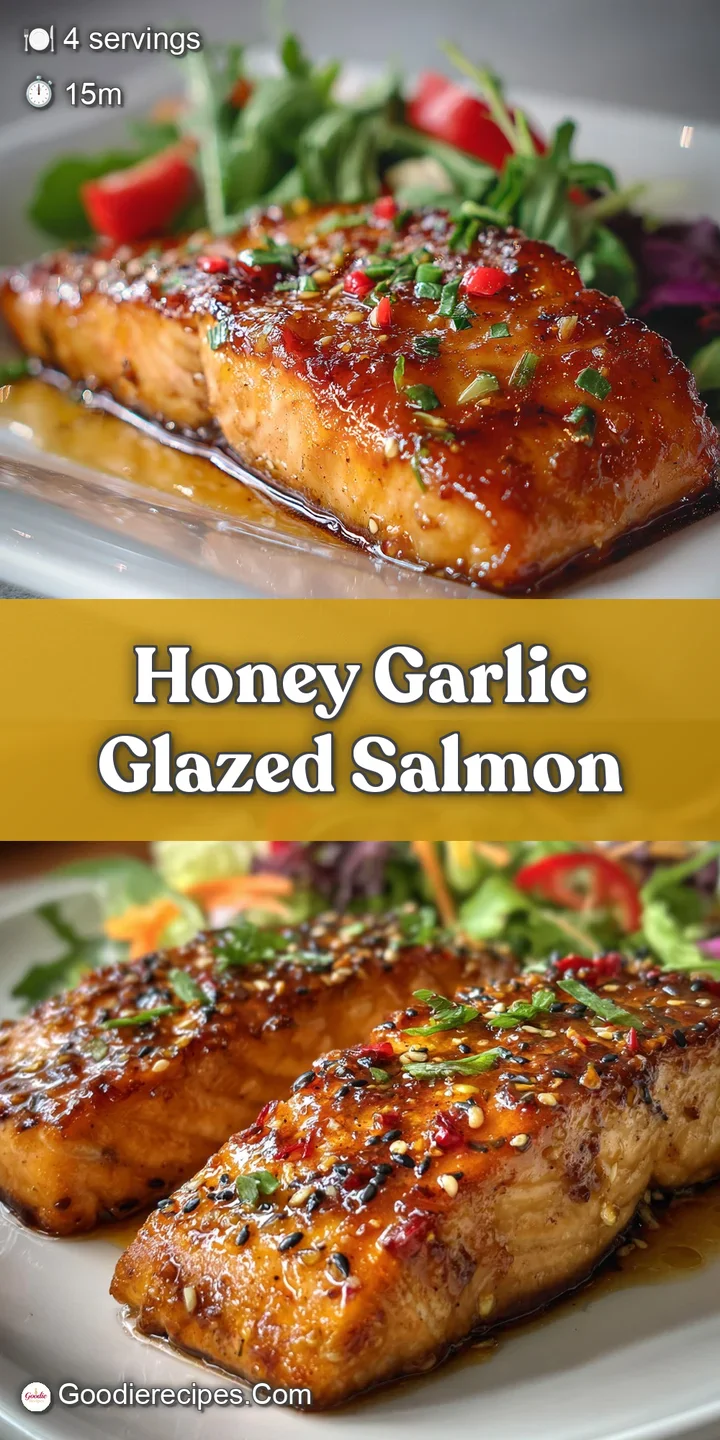
Honey Garlic Glazed Salmon
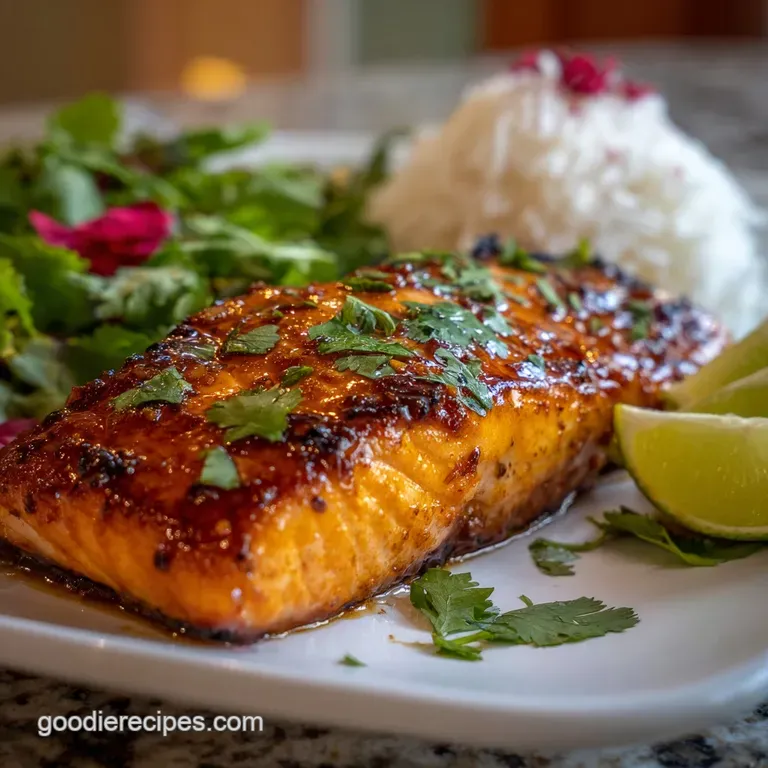
- Time: Active 5 minutes, Passive 10 minutes, Total 15 minutes
- Flavor/Texture Hook: Sticky, sweet and savory glaze with a shatter crisp exterior and flaky, buttery center.
- Perfect for: Busy weeknight dinners, high protein meal prep, or beginner cooks wanting a foolproof win.
- Making The Best Honey Garlic Glazed Salmon Tonight
- Why This Family Favorite Recipe Always Delivers Results
- Selecting Quality Components For This Honey Garlic Glaze
- The Only Basic Tools You Really Need
- Simple Actions For Searing And Glazing Your Fish
- Fast Solutions For Common Honey Garlic Mistakes
- Easy Variations To Suit Your Personal Taste
- Proper Storage Tips To Maintain Flaky Texture
- Classic Family Sides That Complement The Salmon
- Deciphering Common Cooking Myths
- Recipe FAQs
- 📝 Recipe Card
Making The Best Honey Garlic Glazed Salmon Tonight
The sizzle of a cold fillet hitting a hot pan is a sound that still makes my heart race a little. I remember the first time I tried to make a glaze like this; I was so worried about burning the honey that I ended up with a watery, pale mess that tasted more like warm juice than a proper sauce.
But then, I learned the secret of the reduction. When that honey starts to bubble and turn into a dark, amber syrup, it clings to the salmon like a velvet blanket, creating those slightly charred, sweet edges that everyone fights over at the table.
We’ve all had those nights where the fridge looks bare and the energy levels are even lower. That’s exactly when this dish shines. It’s the kind of meal that feels like a hug after a long day of work or school.
My kids call it the "sticky fish," and honestly, I don't mind the messy fingers if it means they're actually eating their protein without a fuss. It’s simple, it’s reliable, and it’s become a staple in our family rotation for very good reason.
This isn't about fancy culinary school tricks; it's about understanding how heat and sugar play together. You don't need a dozen bowls or a professional range. We’re going to use one pan, a few basic ingredients, and about fifteen minutes of your time.
By the time the rice is finished steaming, you’ll have a main course that looks like it came off a glossy magazine cover, but tastes like pure home cooked comfort.
Why This Family Favorite Recipe Always Delivers Results
- Maillard Magic: Searing the salmon at a high temperature creates a complex flavor profile by browning the proteins before the glaze even touches the pan.
- Viscosity Control: The high sugar content in the 85g of honey allows the sauce to thicken rapidly without the need for cornstarch or thickeners.
- Acid Balance: The 15ml of lemon juice breaks through the heavy fats of the salmon and the sweetness of the honey, preventing the dish from feeling cloying.
- Aromatic Infusion: Adding the garlic toward the end of the process allows the oils to release into the honey without the risk of the garlic becoming bitter and burnt.
| Component | Fresh Method | Shortcut Method | Result Difference |
|---|---|---|---|
| Garlic | Hand minced cloves | Jarred minced garlic | Fresh has a sharper, more pungent bite |
| Lemon | Squeezed fresh | Bottled concentrate | Fresh adds bright citrus oils from the zest |
| Salmon | Individual fillets | Large slab (cut later) | Fillets provide more surface area for the glaze |
Selecting Quality Components For This Honey Garlic Glaze
When I’m at the store, I always look for center cut fillets because they have a uniform thickness. This is crucial because it means they’ll cook at the same rate. If you have one thin tail piece and one thick center piece, someone is going to end up with dry fish while the other is still raw in the middle.
I prefer avocado oil for the sear because it has a high smoke point, meaning it won't break down and taste "off" when the pan gets hot.
| Ingredient | Science Role | Pro Secret |
|---|---|---|
| Salmon Fillets | Provides healthy fats (Omega-3s) | Pat them bone dry with paper towels to get a better sear |
| Honey (85g) | Acts as the primary glazing agent | Use room temperature honey so it whisks into the soy sauce easily |
| Garlic (4 cloves) | Sulfur compounds provide savory depth | Mince it finely so it distributes evenly through the sticky sauce |
| Soy Sauce (30ml) | Provides salt and umami | Use low sodium to control the saltiness as the sauce reduces |
For the fish, you'll need 4 (6 ounce) center cut salmon fillets. You can use skin on or skin off, though I find skin on helps hold the fillet together during the flip.
You'll also need 1 tbsp avocado oil, 1/2 tsp sea salt, and 1/4 tsp cracked black pepper for the initial seasoning.
The heart of the dish is the glaze: 85g honey, 30ml low sodium soy sauce, 15ml fresh lemon juice, and 4 large cloves garlic, minced. To give it a tiny bit of personality, we add 1/2 tsp red pepper flakes.
Finally, for that professional look, grab 1 tsp toasted sesame seeds and 2 green onions, thinly sliced for the garnish. If you don't have avocado oil, grapeseed oil is a great substitute because it also handles high heat well.
The Only Basic Tools You Really Need
I am a big believer in not cluttering up the kitchen with gadgets. For this, a heavy bottomed skillet is your best friend. A cast iron skillet (like a Lodge) is incredible for holding heat, but a good stainless steel pan works just as well.
You'll also need a thin metal spatula often called a fish turner because it can slide right under the delicate flesh without breaking the fillet.
Aside from the pan, a small glass jar or bowl for whisking the glaze is all you need. I actually like to use a measuring cup so I can pour it directly into the pan. No need for fancy whisking tools; a simple fork does the job perfectly.
We want to keep the cleanup minimal so you can actually enjoy your dinner instead of standing at the sink for twenty minutes afterward.
Simple Actions For Searing And Glazing Your Fish
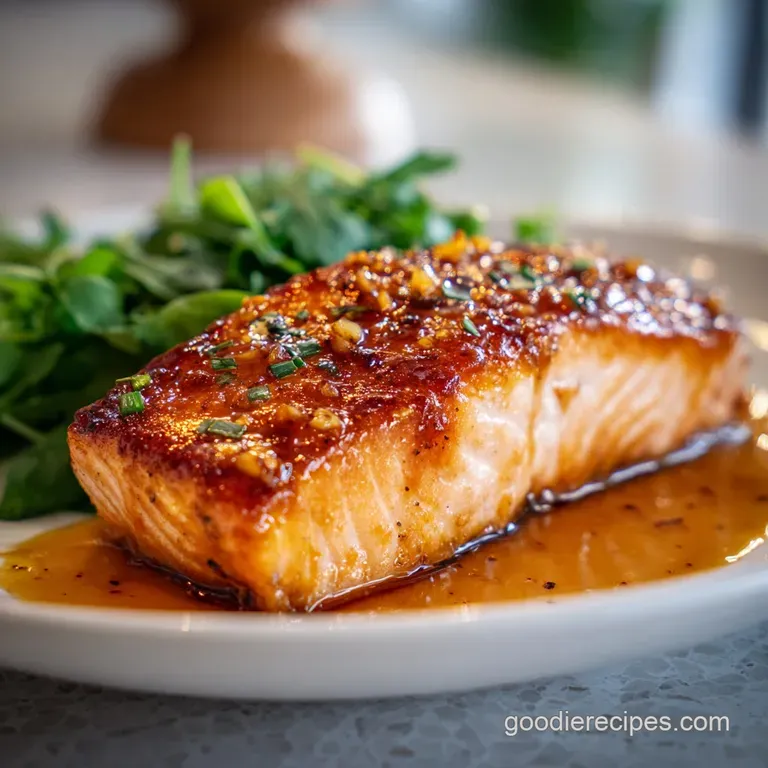
- Prep the salmon. Pat the 4 fillets dry with paper towels. Note: Excess moisture causes steaming rather than searing.
- Season thoroughly. Sprinkle the salt and pepper over both sides of the fish.
- Heat the pan. Add 1 tbsp avocado oil to your skillet over medium high heat until the oil shimmers and barely wisps smoke.
- Sear the first side. Place salmon in the pan (skin side up if using skin on). Cook for 3 minutes until a golden brown crust forms.
- Flip carefully. Turn the fillets over using your spatula. Note: The fish should release easily from the pan when the sear is ready.
- Whisk the glaze. While the second side cooks, mix the honey, soy sauce, lemon juice, garlic, and red pepper flakes in a small bowl.
- Add the sauce. Pour the mixture into the pan around the salmon.
- Reduce the liquid. Cook for 2 to 3 minutes until the glaze bubbles into a thick, syrupy consistency.
- Baste the fish. Use a spoon to pour the bubbling glaze over the top of the fillets repeatedly.
- Finish and garnish. Remove from heat when salmon reaches an internal temp of 145°F and the glaze is dark and glossy. Sprinkle with sesame seeds and green onions.
It is much like the technique I use in my Lemon Herb Chicken recipe, where the sauce is finished in the same pan to capture all those flavorful browned bits from the bottom.
Fast Solutions For Common Honey Garlic Mistakes
Why Your Salmon Is Sticking
If you try to flip the fish and it feels stuck, it’s usually because the proteins haven't fully caramelized yet. This is called "release." The pan might also not have been hot enough when you started. Always wait for that oil to shimmer.
If it's already stuck, remove the pan from the heat for sixty seconds; often the change in temperature will help the fish let go.
Why The Glaze Tastes Burnt
Honey has a high sugar content, which means it can go from "perfectly caramelized" to "burnt charcoal" in a matter of seconds. If your pan is too hot, the garlic will turn brown and bitter immediately.
If this happens, you can try to save it by adding a splash of water or more lemon juice to cool the pan down, but it's best to keep the heat at a steady medium once the sauce goes in.
| Problem | Root Cause | Solution |
|---|---|---|
| Dry Salmon | Cooked too long | Pull the fish at 140°F; carryover heat hits 145°F |
| Thin Glaze | Not reduced enough | Simmer for another 60 seconds without the fish |
| Pale Crust | Pan wasn't hot enough | Let the oil shimmer before adding the fillets |
Common Mistakes Checklist:
- ✓ Never put cold, wet salmon into a lukewarm pan.
- ✓ Don't move the fillets once they hit the oil; let the crust form.
- ✓ Avoid using "regular" soy sauce if you can; the low sodium version allows you to reduce the sauce without it becoming a salt bomb.
- ✓ Do not overcook; the fish continues to cook for a few minutes after you take it out of the pan.
Easy Variations To Suit Your Personal Taste
If you want a bit more texture, you can try making honey garlic glazed salmon bites. Just cube the salmon into 1 inch pieces before cooking. They cook much faster usually only 2 minutes per side and you get more surface area for that sticky glaze to cling to.
It’s a great option for kids or for serving over a salad.
For those watching their carbs, you can swap the honey for a keto friendly maple syrup or a brown sugar replacement. The texture won't be quite as "shatter crisp," but the flavor will still be fantastic.
If you want a more tropical vibe, swap the lemon juice for lime and add a teaspoon of freshly grated ginger to the glaze. It changes the profile entirely but stays within that easy, one pan framework we love.
If you are looking for a different preparation method, you might enjoy my Baked Salmon with recipe, which uses a gentler heat but delivers equally flaky results.
Proper Storage Tips To Maintain Flaky Texture
Storage: You can keep leftover honey garlic salmon in an airtight container in the fridge for up to 3 days. When reheating, I highly suggest using the oven or a toaster oven at 300°F rather than the microwave.
The microwave tends to make salmon rubbery and can make the garlic smell quite strong. Just 5 to 7 minutes in a low oven will warm it through while keeping the glaze tacky.
Freezing: While you can freeze cooked salmon for up to 2 months, the texture of the glaze will change. It tends to become a bit more watery upon thawing. If you must freeze it, wrap each fillet tightly in plastic wrap and then place them in a freezer bag to prevent freezer burn.
Zero Waste: Don't throw away those green onion roots! You can put them in a small glass of water on your windowsill and they will regrow in about a week. Also, if you have extra glaze left in the pan, toss some steamed broccoli or green beans in it.
It’s basically liquid gold and shouldn't go to waste.
Classic Family Sides That Complement The Salmon
When it comes to pairing, I usually stick to something that can soak up the extra sauce. A simple bed of jasmine rice or quinoa is my go to. The grains catch every drop of that honey soy goodness.
If you want something lighter, a crisp cucumber salad with a bit of rice vinegar provides a cool contrast to the warm, sticky fish.
- Grains: Fluffy white rice, brown rice, or even a simple couscous.
- Vegetables: Roasted broccoli, sautéed bok choy, or snap peas work beautifully with these flavors.
- Something Different: If you want a real comfort meal, try serving this alongside a bowl of Creamy Tomato Basil recipe. The acidity in the soup actually plays quite well with the sweetness of the glaze.
Deciphering Common Cooking Myths
A very common myth is that searing meat or fish "seals in the juices." Science tells us this isn't actually true moisture loss happens regardless of the sear. However, what searing does do is create the Maillard reaction.
This is a chemical reaction between amino acids and reducing sugars that gives browned food its distinctive flavor. So, while you aren't "sealing" anything, you are building a massive amount of flavor that makes the fish taste better.
Another one I hear a lot is that you should always cook salmon until it's opaque all the way through. If you do that, you've likely overcooked it. Salmon is best when it's still slightly translucent in the very center.
It will continue to cook for a few minutes after it leaves the pan (this is called carryover cooking), so taking it off the heat just before it looks "done" is the key to that buttery, velvety texture we all crave.
Recipe FAQs
How do you bake salmon with honey garlic glaze?
Sear first, then glaze. Pat salmon dry, season, and sear in a hot skillet for 3 minutes per side. Whisk together honey, soy sauce, lemon juice, and garlic; pour into the pan around the fish. Cook for another 2-3 minutes, basting the salmon with the bubbling glaze until thick and glossy.
How to get glaze to stick to salmon?
Reduce the glaze until thick. Ensure the glaze mixture simmers and bubbles for at least 2-3 minutes in the pan. This process thickens the sugars in the honey and soy sauce, creating a syrupy consistency that clings to the fish as it cooks and reduces further.
Is honey garlic sauce good on salmon?
Yes, it's a fantastic pairing. The sweetness of the honey balances the richness of the salmon, while the garlic and soy sauce add savory depth. The resulting sticky, caramelized glaze creates a delicious contrast in flavors and textures.
What is a good honey glaze for salmon?
A simple mixture of honey, soy sauce, and garlic works best. Combine approximately 85g honey with 30ml low sodium soy sauce, 15ml fresh lemon juice, and 4 minced garlic cloves. A pinch of red pepper flakes adds a nice touch of heat.
Can I use frozen salmon for this recipe?
No, use fresh salmon for best results. Frozen salmon can release excess moisture when cooked, leading to a less effective sear and a watery glaze. Always thaw frozen salmon completely and pat it very dry before cooking.
How long should salmon cook in the glaze?
Cook for 2-3 minutes, basting frequently. Once the glaze is added to the pan, let it bubble and reduce while spooning it over the salmon. Continue cooking until the glaze is thick and coats the fish, and the salmon reaches an internal temperature of 145°F.
What if my glaze isn't thickening?
Simmer the glaze longer without the fish. If the glaze seems too thin after adding it to the pan, carefully remove the salmon and let the glaze continue to bubble and reduce on its own for another minute or two. The heat and sugars will thicken it into a syrupy consistency.
Honey Garlic Salmon
Ingredients:
Instructions:
Nutrition Facts:
| Calories | 348 kcal |
|---|---|
| Protein | 34.5 g |
| Fat | 14.9 g |
| Carbs | 18.8 g |
| Fiber | 0.4 g |
| Sugar | 17.6 g |
| Sodium | 785 mg |
