Lasagna Soup: Savory Broth & Cheese
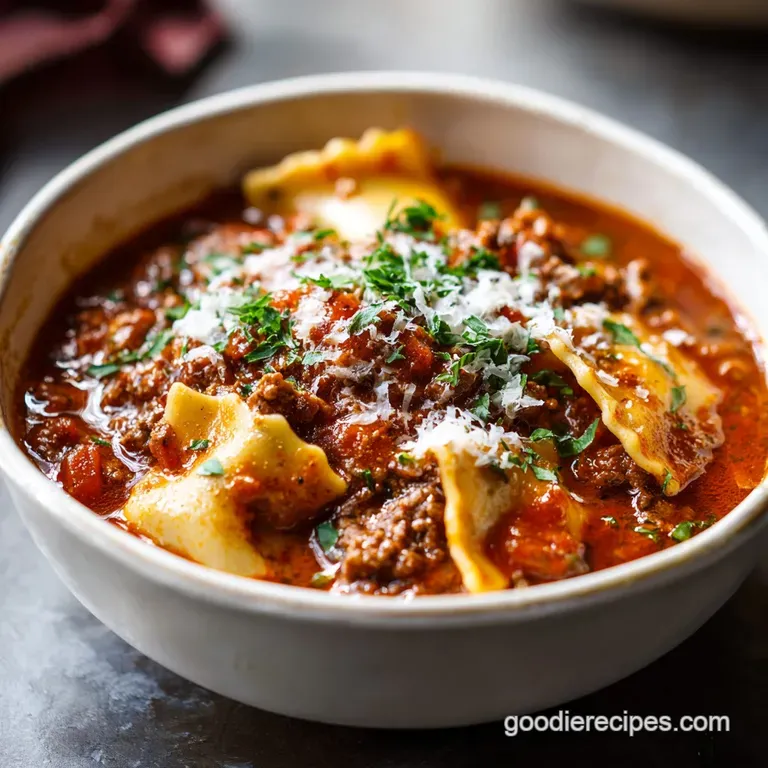
- Time: Active 10 minutes, Passive 25 minutes, Total 35 minutes
- Flavor/Texture Hook: Savory, herbaceous broth with a creamy three cheese finish
- Perfect for: Busy weeknight dinners or cozy Sunday meal prep sessions
- The Cozy Magic of This Lasagna Soup
- Why You'll Love This Hearty Bowl
- Essential Specs for Your Next Dinner
- The Science Behind Your Favorite Ingredients
- Tools Needed for a Perfect Soup
- Simple Steps for a One Pot Meal
- Common Mistakes and Smart Soup Fixes
- Variations for Your Custom Soup Bowl
- Storing and Freezing Your Delicious Leftovers
- Classic Sides for Your Hearty Meal
- Debunking Kitchen Tales
- Very High in Sodium
- Recipe FAQs
- 📝 Recipe Card
The Cozy Magic of This Lasagna Soup
I still remember the first time I tried to make a traditional lasagna for a weeknight dinner. It was a disaster. I was three hours deep into boiling noodles, mixing cheeses, and layering like I was building a skyscraper, only to have the whole thing slide apart on the plate.
By the time we sat down to eat, I was too exhausted to actually enjoy it. That was the night I realized there had to be a better way to get those same incredible flavors without the kitchen burnout.
Enter this Lasagna Soup. The very first time the aroma of browning Italian sausage and minced garlic filled my kitchen, I knew I was onto something special. There is a specific moment when you stir the tomato paste into the meat and it starts to caramelize - that deep, brick red sizzle is the sound of pure comfort.
It's the kind of meal that makes the whole house smell like a rustic Italian trattoria, even if you’ve only been cooking for twenty minutes.
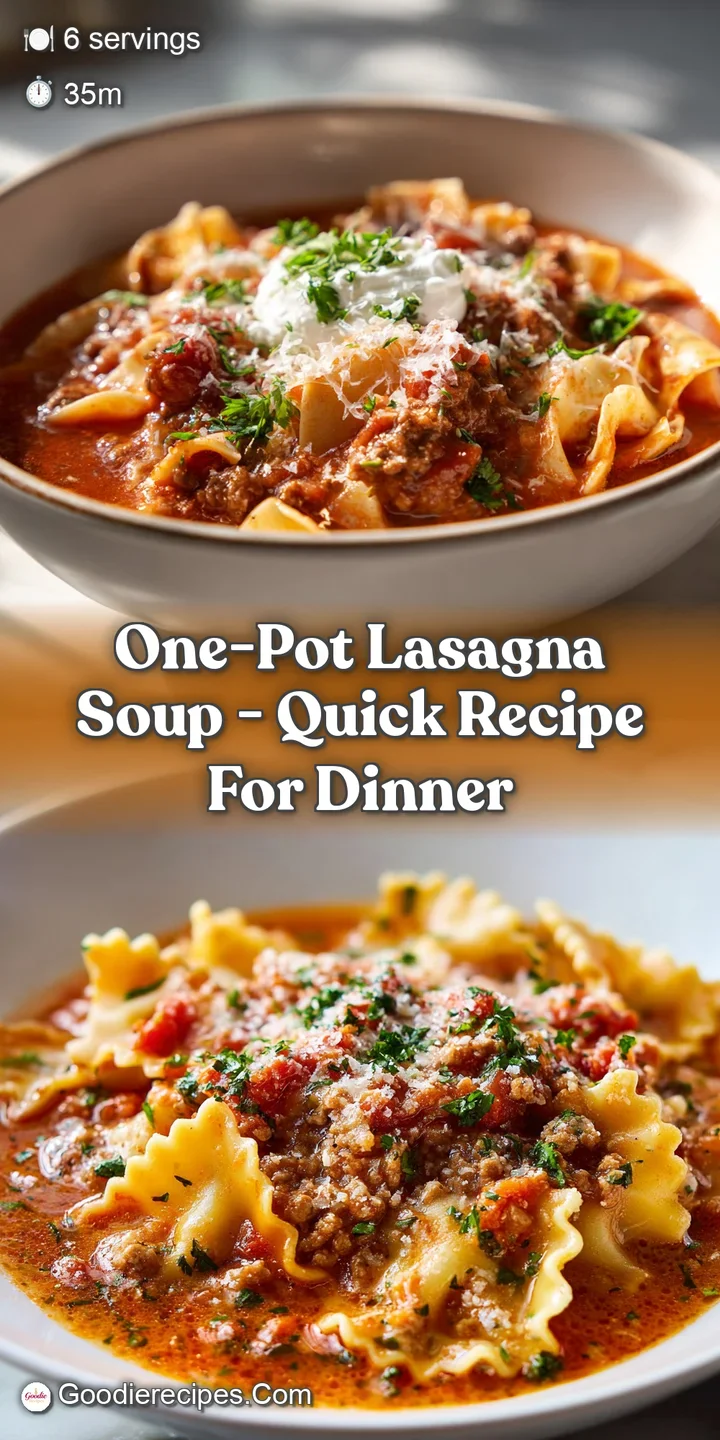
We’re not just talking about a watery soup with some pasta thrown in. This is a thick, hearty, and deeply seasoned meal that captures the essence of the classic dish. It has the bite of the sausage, the tang of the balsamic, and that iconic "cheese cloud" on top that melts into every spoonful.
Trust me, once you see how much faster this is than the baked version, you might never go back to the casserole dish again. It’s brilliant for when you want the reward without all the work.
Why You'll Love This Hearty Bowl
- Maillard Magic: Searing the Italian sausage creates a complex foundation of savory compounds that infuse the entire broth with a depth you can't get from simmering alone.
- Starch Suspension: Cooking the noodles directly in the pot releases just enough starch to naturally thicken the liquid, turning a thin broth into a silky, sauce like consistency.
- Acid Balance: The addition of balsamic vinegar provides a bright finish that cuts through the richness of the sausage and cheese, highlighting the sweetness of the tomatoes.
- Emulsification Control: By adding the cheese as a topping rather than stirring it in during the boil, we prevent the dairy from breaking or becoming grainy, ensuring a velvety mouthfeel in every bite.
- Hydration Ratios: The 6 cups of chicken broth provide the perfect volume to fully hydrate the noodles while leaving plenty of flavorful liquid to spoon up.
| Method | Time | Texture | Best For |
|---|---|---|---|
| Stovetop | 35 minutes | Al dente noodles | Quick weeknight dinners |
| Crock Pot | 4 hours (Low) | Soft, infused pasta | Set it and forget it days |
| Oven (Dutch Oven) | 45 minutes | Deeply caramelized | Maximum flavor development |
Deciding which method to use really depends on your schedule, but the stovetop is my go to for that fresh, vibrant flavor. If you find yourself craving more variety in your one pot rotation, you might also enjoy the ease of this Mexican Casserole Recipe which uses similar time saving techniques.
Essential Specs for Your Next Dinner
This recipe is designed to be a heavy hitter in your kitchen repertoire. It balances the acidity of the tomatoes with the fat of the sausage perfectly. One mistake I once made was using water instead of broth - honestly, don't even bother. The chicken broth is what gives the soup its backbone. If you want to dive deeper into the science of soup bases, look at the techniques used in our Creamy Tomato Basil recipe, where roasting the ingredients first changes the flavor profile entirely.
| Component | Science Role | Pro Secret |
|---|---|---|
| Tomato Paste | Umami & Body | Sauté until dark red to remove raw metallic taste |
| Balsamic Vinegar | PH Balancer | Adds "aged" complexity to quick cook sauces |
| Italian Sausage | Fat & Spice Base | Don't drain all the fat; it's where the flavor lives |
| Ricotta Cheese | Moisture & Cream | Use whole milk for a smoother, less grainy finish |
The science here is all about the "fond" - those little brown bits at the bottom of the pot. When you add the liquids, you're deglazing the pot and pulling all that concentrated flavor back into the soup.
The Science Behind Your Favorite Ingredients
When we look at the ingredient list, it’s not just a random collection of food. Each item plays a specific role in the chemistry of the pot. We use 1 lb of Italian sausage because the fat content provides the necessary mouthfeel, while the fennel and spices in the meat act as a built in seasoning rack.
The 6 cups of chicken broth are calculated to account for the absorption of the 10 lasagna noodles. If you use less liquid, you'll end up with a very dry pasta dish instead of a soup.
- 1 lb Italian sausage: The primary protein and fat source. Substitute with ground turkey + 1 tsp fennel seeds for a leaner option. Why this? Provides the essential "lasagna" flavor profile through spices.
- 1 tbsp olive oil: Used to jumpstart the onion sauté. Substitute with avocado oil.
- 1 medium yellow onion, diced: Adds sweetness and texture. Substitute with white onion or leeks.
- 4 cloves garlic, minced: The aromatic heart of the dish. Substitute with 1 tsp garlic powder in a pinch.
- 2 tbsp tomato paste: Concentrates the tomato flavor. Substitute with 3 tbsp tomato sauce (simmered longer).
- 24 oz marinara sauce: Provides the saucy, herb filled base. Substitute with plain tomato sauce + pinch of sugar/herbs.
- 14.5 oz crushed tomatoes: Adds chunky texture and fresh acidity. Substitute with diced tomatoes.
- 6 cups chicken broth: The liquid vehicle for the soup. Substitute with vegetable broth.
- 2 tsp Italian seasoning: A shortcut to oregano, basil, and thyme flavors. Substitute with dried oregano and basil.
- 1 tbsp balsamic vinegar: The "secret ingredient" for depth. Substitute with red wine vinegar.
- 10 lasagna noodles, broken: The structure of the dish. Substitute with fusilli or bow tie pasta. Why this? Broken pieces mimic the rustic feel of a cut lasagna.
- 8 oz ricotta cheese: Creates the creamy topping. Substitute with cottage cheese (blended).
- 1/2 cup shredded mozzarella cheese: For that classic cheese pull. Substitute with provolone.
- 1/4 cup grated parmesan cheese: Adds a salty, nutty finish. Substitute with Pecorino Romano.
- 1/4 cup fresh basil, chiffonade: Adds a burst of fresh herbal scent. Substitute with fresh parsley.
Tools Needed for a Perfect Soup
You don't need a professional kitchen to pull this off, but a few specific tools make the process much smoother. I always recommend a heavy bottomed pot like a Dutch oven (such as a Lodge or Le Creuset).
The cast iron core holds heat more evenly than thin stainless steel, which prevents the bottom of the soup from scorching while the noodles cook.
You'll also want a sturdy wooden spoon for scraping the bottom of the pot. That's how you get all the flavor into the broth. A good ladle is also essential for serving, as you want to make sure everyone gets a fair share of the noodles and sausage.
If you're feeling fancy, a microplane for the parmesan cheese makes a world of difference in how it melts into the hot soup.
Simple Steps for a One Pot Meal
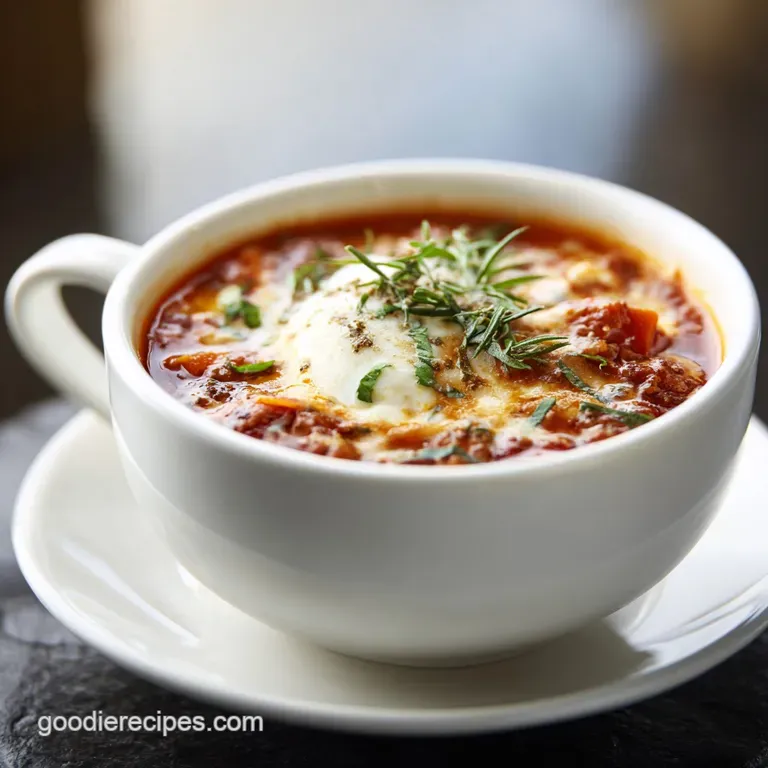
- Brown the sausage. Heat 1 tbsp olive oil in a large pot over medium high heat. Add 1 lb Italian sausage and cook 6-8 mins until browned and no pink remains, breaking it into small crumbles. Note: Browning creates the flavor base.
- Sauté the aromatics. Add 1 medium diced yellow onion to the pot with the sausage. Sauté 5 mins until the onion is translucent and soft.
- Infuse the garlic. Stir in 4 cloves of minced garlic. Cook 1 min until fragrant, being careful not to let it burn.
- Caramelize the paste. Add 2 tbsp tomato paste. Stir constantly for 2 mins until it turns a deep mahogany color. Note: This removes the raw metallic taste.
- Build the broth. Pour in 24 oz marinara sauce, 14.5 oz crushed tomatoes, 6 cups chicken broth, 2 tsp Italian seasoning, and 1 tbsp balsamic vinegar. Stir well to combine.
- Bring to a boil. Increase the heat and bring the liquid to a rolling boil.
- Add the noodles. Drop in the 10 lasagna noodles, broken into pieces. Reduce heat to a simmer.
- Simmer until tender. Cook 8-10 mins until the noodles are al dente and the soup has thickened slightly. Note: Stir occasionally to prevent noodles from sticking to the bottom.
- Prep the cheese. While the soup simmers, stir together 8 oz ricotta, 1/2 cup mozzarella, and 1/4 cup parmesan in a small bowl.
- Serve and garnish. Ladle the hot soup into bowls. Top with a generous dollop of the cheese mixture and 1/4 cup fresh basil. Serve while the cheese is melting and gooey.
Common Mistakes and Smart Soup Fixes
One of the biggest blunders I've seen with lasagna soup is letting the noodles sit in the broth for too long after cooking. They are basically sponges. If you aren't serving the whole pot immediately, the pasta will continue to soak up the liquid until you're left with a thick mush.
I always suggest cooking the noodles separately if you know you’ll have leftovers.
Overcoming the Mushy Noodle
If your noodles have turned into a soft, structureless mess, it's usually because the heat was too high or they sat in the hot liquid too long. To avoid this, pull the pot off the heat about a minute before you think the noodles are actually done.
The residual heat will finish them off without pushing them over the edge.
Rescuing a Thin Broth
Sometimes the soup feels a bit more like a tea than a hearty meal. This often happens if the tomato paste wasn't caramelized enough or if the noodles didn't release enough starch. A quick fix is to mash a few of the cooked noodle pieces against the side of the pot to release more starch, or whisk in a slurry of 1 tsp cornstarch and 1 tbsp water.
| Problem | Root Cause | Solution |
|---|---|---|
| Greasy Surface | Sausage fat didn't emulsify | Skim the top with a spoon or use a paper towel to blot |
| Bland Flavor | Lack of acidity or salt | Add an extra splash of balsamic or a pinch of salt |
| Noodles Sticking | Not enough stirring | Add noodles gradually and stir frequently for the first 3 mins |
Common Mistakes Checklist
- ✓ Don't skip the tomato paste caramelization; it's the key to that "cooked all day" flavor.
- ✓ Always use a large enough pot; 10 noodles plus 6 cups of broth need plenty of room to move.
- ✓ Keep the cheese mixture separate until the very end to maintain texture.
- ✓ Use whole milk ricotta; low-fat versions can turn watery and grainy in the hot soup.
- ✓ Taste for salt after the sausage and parmesan are added, as they are both naturally salty.
Variations for Your Custom Soup Bowl
If you're looking to switch things up, there are plenty of ways to adapt this recipe to your needs. For a vegetarian lasagna soup, simply swap the Italian sausage for a pound of chopped mushrooms and a pinch of fennel seeds. You'll still get that earthy, savory bite without the meat.
If you want to lean into the convenience, a slow cooker lasagna soup is a great option. Brown the meat and aromatics first, then throw everything except the noodles and cheese into the crockpot for 4 hours on low. Add the noodles in the last 30 minutes.
For those who love their gadgets, an instant pot lasagna soup is a total life saver. Sauté the meat and onions right in the pot, add the rest of the ingredients, and cook on high pressure for 4 minutes. Just be sure to do a quick pressure release so the noodles don't overcook.
If you're feeling adventurous, you can even add a handful of fresh spinach at the very end for a pop of color and extra nutrients.
Storing and Freezing Your Delicious Leftovers
Handling leftovers for this dish requires a little bit of strategy. In the fridge, the soup will stay fresh for about 3-4 days. However, the noodles will continue to absorb liquid. When you go to reheat it, you'll likely need to add a splash of broth or water to bring it back to a soup like consistency.
Zero Waste Tip: If you have leftover ricotta mixture, don't toss it! It makes an incredible spread for toast the next morning or can be dolloped onto a simple pasta dish.
You can also save your parmesan rinds in the freezer and drop one into your next batch of soup while it simmers for an extra boost of umami.
For freezing, I highly recommend freezing the soup base without the noodles. The broth and sausage mixture freeze beautifully for up to 3 months. When you're ready to eat, thaw the base, bring it to a boil, and drop in fresh noodles.
Freezing cooked noodles usually results in a very unappealing texture once thawed.
Classic Sides for Your Hearty Meal
While this soup is definitely a meal on its own, I love serving it with something crunchy to contrast the soft noodles. A big piece of crusty garlic bread is non negotiable in my house - it's the perfect tool for swiping up every last drop of that tomato broth.
A simple green salad with a sharp lemon vinaigrette is also a great way to balance the richness of the three cheese topping.
Chef's Tip: If you want to take your cheese topping to the next level, freeze your butter for 10 minutes and then grate a little bit of it into the ricotta mixture. It sounds crazy, but it adds a decadent, buttery finish that mimics the luxury of a restaurant style lasagna.
If you're planning a full Italian inspired spread, you could also pair this with my Panera Broccoli Cheese recipe for a "soup and salad" style lunch gathering. The creamy texture of the broccoli soup provides a lovely counterpoint to the tomato heavy lasagna flavors.
If you want X, do Y: If you want a spicier kick, add 1/2 tsp of red pepper flakes when sautéing the garlic. If you want a thicker, stew like soup, reduce the chicken broth to 4.5 cups.
If you want more greens, stir in 2 cups of fresh baby spinach during the last 2 minutes of simmering.
Debunking Kitchen Tales
There's a common belief that you have to boil lasagna noodles before putting them in any dish. In this soup, that is absolutely false. Boiling them separately actually robs the soup of the starch it needs to thicken properly.
By cooking them in the broth, the noodles absorb the flavor of the tomatoes and sausage, making them much more delicious.
Another myth is that all the alcohol in the balsamic vinegar cooks off instantly. While much of it does evaporate, the acidity remains, which is why we add it. It’s not about the "vinegar" taste; it’s about using acid to brighten the heavy fats.
Searing the meat doesn't "seal in juices" either - it’s all about creating that Maillard reaction for a deeper, more savory flavor profile. Trust the process, keep your heat consistent, and you'll have a bowl of comfort that rivals any grandmother's kitchen.
Very High in Sodium
1410 mg mg of sodium per serving
(61% % of daily value)
The American Heart Association recommends limiting sodium intake to about 2,300mg per day.
Sodium Reduction Tips for Your Lasagna Soup:
-
Low-Sodium Broth-30%
Replace regular chicken broth with low-sodium or no-sodium added chicken broth. This is the single biggest source of sodium in this recipe. Opt for homemade broth for even better control.
-
No-Salt Added Canned Tomatoes-20%
Use no-salt added crushed tomatoes and marinara sauce. Rinse the canned tomatoes before adding them to the soup to reduce the sodium content further.
-
Lower Sodium Sausage-20%
Opt for sweet Italian sausage (which typically contains less sodium) and look for a brand specifically labeled as 'low-sodium' or 'reduced sodium'. You can also remove the sausage casing and drain off excess fat after browning.
-
Reduce Cheese Quantities-15%
Reduce the amount of parmesan, mozzarella, and ricotta cheese. A little bit of cheese goes a long way. Consider using a lower sodium mozzarella variety, if available.
-
Skip Added Salt-10%
Omit adding any extra salt. Taste the soup after cooking, and if needed, add a very small amount of salt at the end.
-
Spice It Up!
Use plenty of herbs and spices like oregano, pepper, garlic powder, and red pepper flakes to enhance the flavor without adding sodium.
Estimated Reduction: Up to 60% less sodium
(approximately 564 mg per serving)
Recipe FAQs
What are the ingredients for lasagna soup?
The core ingredients are Italian sausage, onion, garlic, tomato paste, marinara sauce, crushed tomatoes, chicken broth, Italian seasoning, balsamic vinegar, and lasagna noodles. You also need ricotta, mozzarella, and parmesan for the creamy cheese topping, finished with fresh basil for garnish.
What are the common mistakes when making lasagna soup?
The most common mistake is overcooking the noodles or letting them sit in the broth too long, which causes mushiness. Another frequent error is skipping the caramelization of the tomato paste, which results in a flat, metallic flavor.
What's the best broth to use in lasagna soup?
Chicken broth provides the best backbone for the savory profile of this soup. Vegetable broth is an acceptable substitute if you need a vegetarian option, but water should be avoided as it lacks the necessary depth and seasoning.
What do you eat with lasagna soup?
Crusty garlic bread is the essential side for soaking up the rich tomato broth. A simple green salad dressed with a sharp lemon vinaigrette offers a nice textural and acidic contrast to the hearty soup.
How do I make the broth thick like a sauce without adding flour?
Cook the broken lasagna noodles directly in the broth to release their natural starch. This starch emulsifies with the tomato base as it simmers, creating a natural, silky thickness without needing artificial thickeners.
Is it true I should skip boiling the lasagna noodles beforehand?
No, this is a common misconception in baked lasagna recipes, but for soup, you should absolutely cook them directly in the pot. Boiling separately removes the starch needed to thicken the soup base into a rich, sauce like consistency.
Can I prepare this soup ahead of time?
Yes, you can prepare the soup base up to two days in advance without the noodles. Store the broth mixture separately and add the lasagna noodles only when you are ready to reheat and serve to prevent them from becoming soggy.
Lasagna Soup In 35 Minutes

Ingredients:
Instructions:
Nutrition Facts:
| Calories | 558 kcal |
|---|---|
| Protein | 28.5 g |
| Fat | 29.2 g |
| Carbs | 46.4 g |
| Fiber | 4.2 g |
| Sugar | 10.8 g |
| Sodium | 1410 mg |
