Moist Carrot Cake Cupcakes Recipe
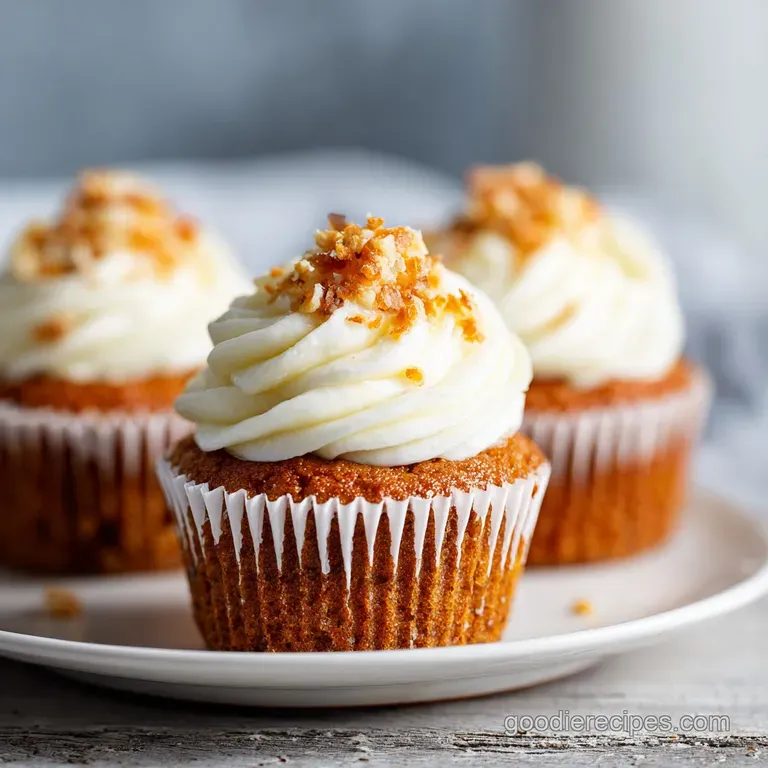
- Time: Active 20 minutes, Passive 22 minutes, Total 42 minutes
- Flavor/Texture Hook: Spiced, velvety, and deeply moist
- Perfect for: Easter brunch, birthday parties, or weekend treats
- The Physics of Moist Sponge
- Ingredient Proportions and Bake Times
- Essential Elements for Success
- Tools for Effortless Baking
- Mixing and Baking Step-by-Step
- Solving Common Baking Blunders
- Alternative Diet Adaptation Guide
- Storing and Keeping Them Fresh
- Presentation and Perfect Pairings
- Recipe FAQs
- 📝 Recipe Card
The Physics of Moist Sponge
Getting that specific texture in Carrot Cake Cupcakes isn't just luck; it's about managing how ingredients interact with heat and each other.
- Hygroscopic Sugar Balance: The combination of granulated and brown sugar doesn't just add sweetness; the molasses in the brown sugar attracts moisture, preventing the cupcakes from drying out even three days later.
- Liquid Fat Advantage: Using vegetable oil instead of butter means the fat remains liquid at room temperature, which gives your palate a sensation of extreme silkiness compared to the firmer crumb of a butter based cake.
- Enzymatic Softening: The acidity in the crushed pineapple and sour cream breaks down some of the flour's gluten structure, ensuring the final result is tender rather than chewy or bread like.
Ingredient Proportions and Bake Times
Choosing between fresh ingredients and pantry shortcuts can change the final texture significantly. While I love a good shortcut, some things are worth the extra five minutes of effort.
| Feature | Freshly Grated Carrots | Pre Shredded Bagged Carrots |
|---|---|---|
| Moisture Level | High; releases natural juices into the batter | Low; often dry and woody |
| Texture | Melts into the sponge during baking | Remains crunchy and distinct |
| Flavor | Sweet and earthy | Muted and slightly bitter |
Whether you use a box grater or a food processor, the goal is a fine shred. If the pieces are too big, they won't soften in the short 22 minutes they spend in the oven. For another spiced favorite, you might enjoy my Carrot Cake Cookies recipe which uses a similar flavor profile but in a portable, chewy format.
Essential Elements for Success
Understanding the "why" behind your ingredients helps you become a more intuitive cook. Here is a breakdown of the heavy hitters in this recipe.
| Ingredient | Science Role | Pro Secret |
|---|---|---|
| Vegetable Oil | Coats flour proteins to limit gluten | Use a neutral oil like canola or grapeseed to let spices shine. |
| Full fat Sour Cream | Adds fat and acidity for a tender crumb | Ensure it's room temperature to prevent the batter from curdling. |
| Crushed Pineapple | Provides moisture and natural sweetness | Squeeze it in a sieve; too much juice equals a sunken cupcake. |
| Cream Cheese | Provides structure and tang to frosting | Use the brick variety, not the spreadable tub version. |
Similar to the technique I use in my Red Velvet Cake recipe, using room temperature eggs and fats is the non negotiable key to a smooth, emulsified batter. Cold ingredients just won't bond properly, leading to an uneven bake.
Tools for Effortless Baking
You don't need a professional kitchen to pull this off. Since we're keeping it simple, a few basic tools are all it takes to get that bakery style finish.
- Box Grater: Use the fine holes for the carrots; you want them to almost disappear into the batter.
- Standard 12 cup Muffin Tin: This recipe is perfectly calibrated for exactly one dozen servings.
- Fine Mesh Sieve: Absolutely essential for draining that pineapple. If you skip this, the extra liquid will ruin the rise.
- Hand Mixer: While you can whisk the batter by hand, a mixer is much better for getting that cream cheese frosting completely smooth and airy.
- Rubber Spatula: For the "gentle fold" stage where we incorporate the dry ingredients without overworking the gluten.
Chef's Tip: If you want your frosting to look professional without a piping bag, use a large zip top bag and snip off the corner. It gives you way more control than a knife.
Mixing and Baking step-by-step
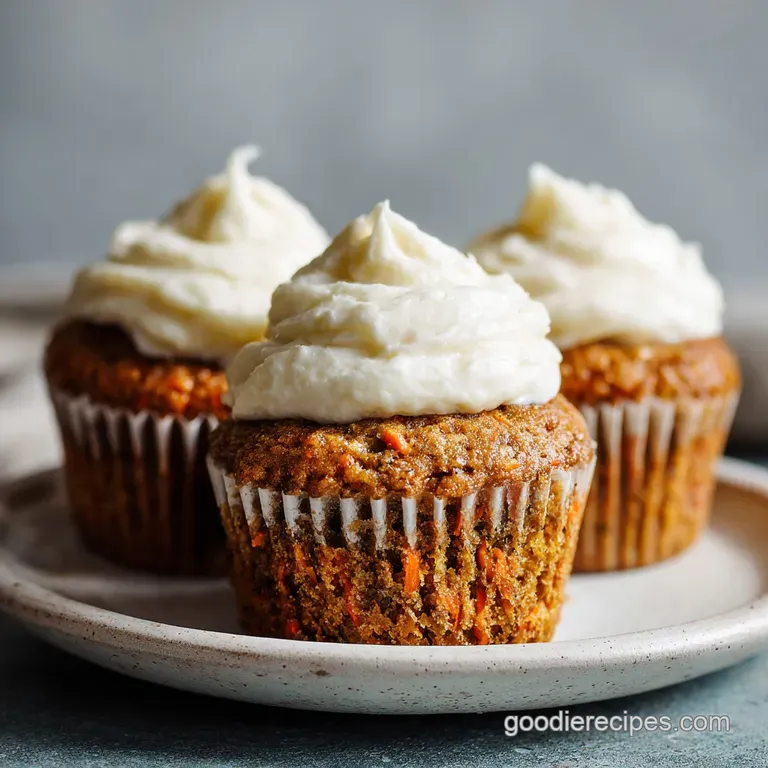
Follow these steps closely, especially the cues for what to look for at each stage. Precision here ensures every cupcake comes out identical.
1. Prep and Sift for Aeration
Preheat your oven to 180°C (350°F) and line your tin. In a medium bowl, whisk together 190g all purpose flour, 1 tsp baking powder, 0.5 tsp baking soda, 0.5 tsp salt, 1.5 tsp cinnamon, 0.5 tsp ginger, and 0.25 tsp nutmeg.
Note: Sifting or vigorous whisking breaks up clumps and ensures the leavening agents are evenly distributed.
2. Emulsify the Wet Ingredients
In a large bowl, whisk 150g granulated sugar and 100g light brown sugar with 180ml vegetable oil. Add 2 large eggs one at a time, whisking well after each. Stir in 120g sour cream and 1 tsp vanilla extract until the mixture looks glossy and uniform.
3. The Gentle Fold
Switch to a spatula. Add the dry ingredients to the wet, stirring just until a few streaks of flour remain. Fold in 150g finely grated carrots and 115g well drained crushed pineapple. Note: Overmixing at this stage will make the cupcakes tough and rubbery.
4. The Precision Bake
Divide the batter evenly among the 12 liners, filling them about three quarters full. Bake for 22 minutes until the tops spring back when lightly touched and a toothpick comes out clean. Let them cool in the pan for 5 minutes before moving to a wire rack.
5. Whip the Frosting
While the cakes cool, beat 225g softened cream cheese and 115g softened butter until smooth. Gradually add 360g sifted powdered sugar, 1 tsp vanilla, and a pinch of salt. Beat on high for 2-3 minutes until the frosting is pale and fluffy.
Solving Common Baking Blunders
Even with the best intentions, things can go sideways. Here is how to fix the most common issues I've run into over the years.
To Prevent Sinking Centers
If your cupcakes look like little craters, it's usually because there was too much moisture or the oven door was opened too early. The pineapple is usually the culprit. If you don't drain it until it's almost a dry pulp, that extra juice creates steam that collapses the structure once the heat is removed.
To Avoid Grainy Frosting
Grainy frosting happens when the powdered sugar isn't sifted or the butter is too cold. If it’s already grainy, try adding a tiny splash of heavy cream and beating it for another two minutes. The extra liquid and friction can help dissolve those tiny sugar crystals.
| Problem | Root Cause | Solution |
|---|---|---|
| Liners Sticking | low-fat in batter or cheap liners | Use grease proof liners and let cupcakes cool completely before peeling. |
| Dense/Heavy Crumb | Overmixing the flour | Stop mixing as soon as no dry flour is visible. |
| Greasy Tops | Oil separated during bake | Ensure eggs are room temperature to create a stable emulsion. |
Common Mistakes Checklist:
- ✓ Always weigh your flour (190g) instead of using a measuring cup to avoid packing it down.
- ✓ Squeeze the crushed pineapple in a paper towel to remove every drop of excess juice.
- ✓ Don't frost the cupcakes until they are stone cold to the touch, or the butter will melt.
- ✓ Check your baking soda and powder freshness by dropping a pinch in vinegar; it should fizz violently.
Alternative Diet Adaptation Guide
Sometimes you need to tweak things for friends with dietary needs. These swaps are tested and reliable, though they do change the "soul" of the cupcake slightly.
| Original Ingredient | Substitute | Why It Works |
|---|---|---|
| All purpose Flour | 1:1 gluten-free Blend | Rice based blends work well here due to the high moisture from carrots. |
| Full fat Sour Cream | Plain Greek Yogurt | Similar acidity and fat content; provides the same tenderizing effect. |
| Vegetable Oil | Melted Coconut Oil | Adds a subtle tropical note. Note: Texture will be firmer when refrigerated. |
For a Nutty Texture Boost
If you aren't dealing with allergies, adding 50g of toasted, chopped pecans or walnuts to the batter provides a fantastic textural contrast. Just toss them in a teaspoon of flour before folding them in so they don't sink to the bottom of the liners.
Vegan Carrot Cake Cupcakes Recipe
To make these vegan, swap the eggs for 2 flax eggs (2 tbsp ground flax mixed with 6 tbsp water, sat for 10 mins). Use a vegan butter substitute and a coconut based cream cheese for the frosting. The rise will be slightly less dramatic, but the flavor remains excellent.
Storing and Keeping Them Fresh
Because of the cream cheese frosting, these cupcakes need a little more care than a standard vanilla cake.
- Fridge: Store in an airtight container for up to 4 days. The oil based sponge actually stays remarkably soft even when chilled.
- Freezer: You can freeze un frosted cupcakes for up to 2 months. Wrap them individually in plastic wrap and then place in a freezer bag. Thaw at room temperature for an hour before frosting.
- Zero Waste: If you have leftover frosting, it's incredible sandwiched between two graham crackers or used as a dip for apple slices. Any leftover carrot scraps or peels are perfect for your compost bin or to flavor a vegetable stock.
Presentation and Perfect Pairings
How you serve these can turn a simple snack into a real event. I love topping mine with a little "carrot" made of orange tinted frosting, but honestly, a simple dusting of cinnamon looks just as elegant.
Decision Shortcut: If you want a show stopping look, use a large round piping tip and swirl from the outside in. If you want maximum spice flavor, add a grating of fresh orange zest into the frosting.
If you want a crunchy finish, sprinkle toasted coconut flakes on top immediately after frosting.
The Perfect Drink Pairing
These cupcakes are quite rich, so they pair beautifully with a drink that has a bit of acidity or bitterness to cut through the cream cheese. A dark roast coffee or a spicy Chai tea is my go to.
If you're serving these at a brunch, a crisp Prosecco or a Mimosa works surprisingly well with the pineapple notes in the cake.
Trust me on this: don't skip the salt in the frosting. That tiny pinch is what balances the powdered sugar and makes the cream cheese flavor pop. It's the difference between a "sweet" cupcake and a "sophisticated" one. Right then, grab your grater and let's get to work!
Recipe FAQs
Can carrot cake be made into cupcakes?
Yes, absolutely. Cupcakes bake faster and freeze better than a full layer cake, making them excellent for portion control and portability.
What are common carrot cupcake mistakes?
Overmixing the batter is the biggest error. Overmixing develops gluten, leading to tough, rubbery cupcakes instead of the desired tender crumb.
What is the secret to a good carrot cake?
Using oil instead of butter for moisture. Oil remains liquid at room temperature, providing a silky texture that butter based cakes cannot match.
What toppings go on carrot cake cupcakes?
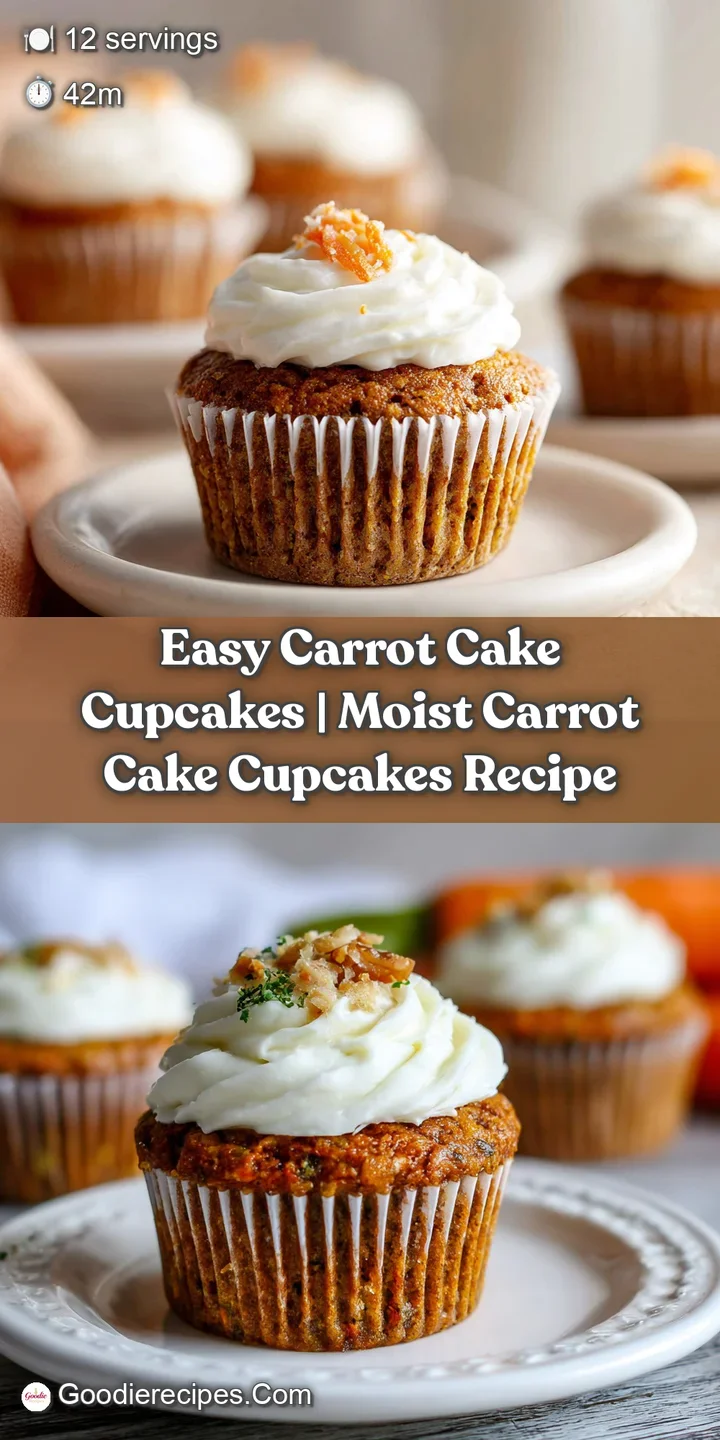
Cream cheese frosting is the traditional and recommended topping. It provides the perfect tangy counterpoint to the warm, sweet spices in the cake base.
Is it true I should use pre-shredded carrots?
No, this is a common misconception. Freshly grated carrots release more moisture during baking, ensuring a superior, softer texture compared to often dry, bagged shreds.
How to ensure my cream cheese frosting doesn't taste too sweet?
Add a pinch of salt and a squeeze of lemon juice to the frosting mix. The salt balances the sugar, while acidity cuts through the richness, similar to how we balance flavor in our Crock Pot Roast recipe.
How to prevent the crushed pineapple from sinking my cupcakes?
Squeeze the drained pineapple thoroughly before adding it to the batter. Too much liquid causes the structure to collapse during the bake; always aim for a nearly dry fruit pulp.
Moist Carrot Cake Cupcakes
Ingredients:
Instructions:
Nutrition Facts:
| Calories | 552 kcal |
|---|---|
| Protein | 4.2 g |
| Fat | 31.4 g |
| Carbs | 66 g |
| Fiber | 1.1 g |
| Sugar | 51 g |
| Sodium | 285 mg |
