Southern Coconut Cake: Moist and Velvety
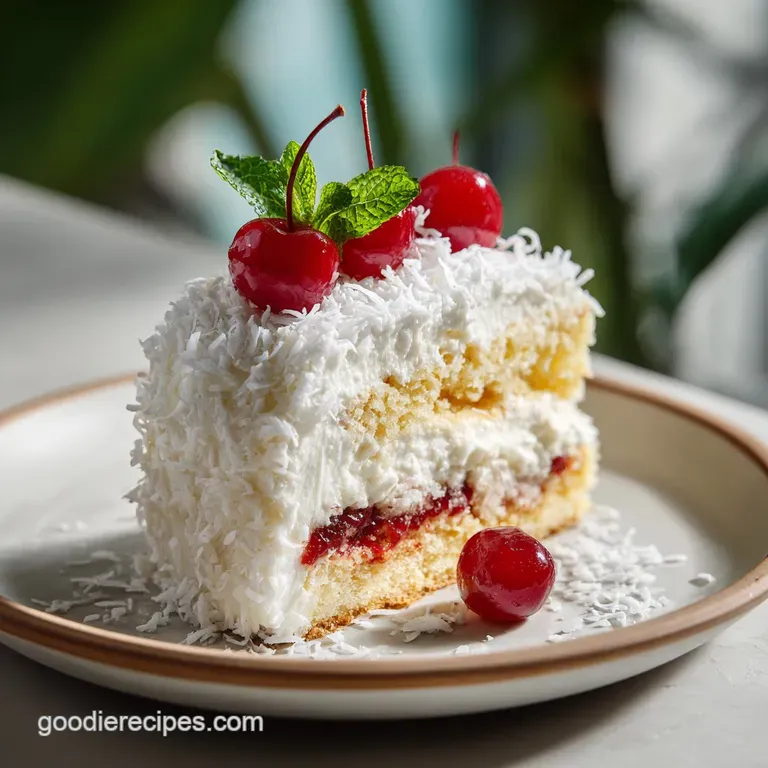
- Time: Active 25 minutes, Passive 30 minutes, Total 55 minutes
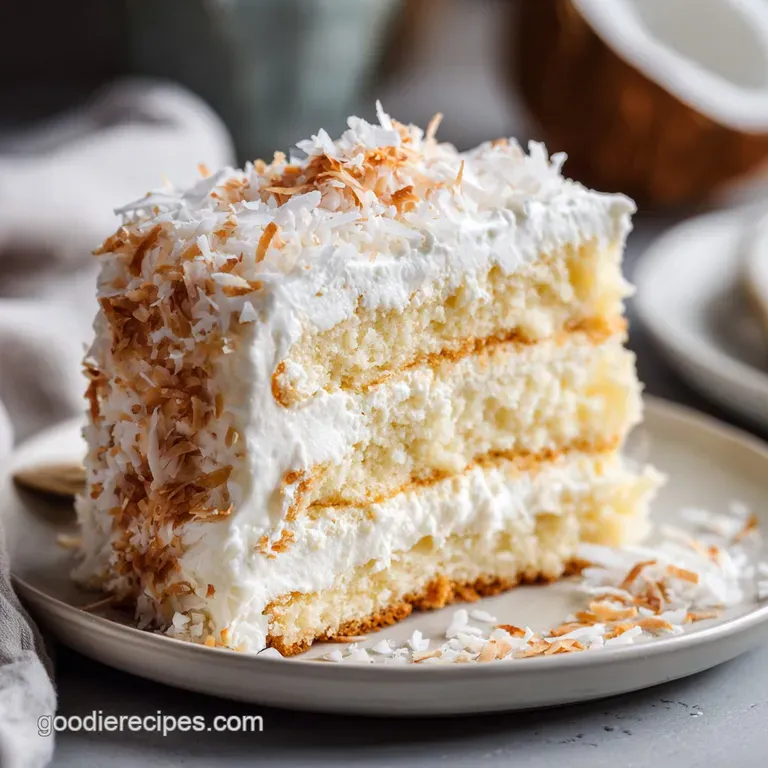
- Flavor/Texture Hook: Plush, velvety sponge with a cloud like cream cheese finish
- Perfect for: Sunday family dinners or a centerpiece for spring celebrations
- Why This Specific Method Works for Your Sponge
- The Component Analysis of Every Key Ingredient
- Key Stats for Your Fluffy Coconut Cake Baking Session
- The Simple Pantry Staples for an Authentic Southern Coconut Cake
- Minimal Tools Required for This Showstopping Dessert Masterpiece
- Step-by-Step Guide to Baking Your Dream Coconut Layer Cake
- Troubleshooting Common Issues for a Flawless Coconut Cake Finish
- Adjusting the Recipe for Different Crowds
- Debunking Common Beliefs About Baking with Coconut
- How to Store and Preserve That Fresh Coconut Flavor
- Perfect Pairings and Presentation for Your Classic Coconut Cake
- If you want X, do Y:
- Recipe FAQs
- 📝 Recipe Card
Creating a Truly Moist and Velvety Coconut Cake from Scratch
The second you slide those pans into the oven, the entire house starts to smell like a tropical vacation. It is a warm, sweet, nutty aroma that literally pulls people into the kitchen.
I remember the first time I got this Coconut Cake right, the way the light hit the shredded coconut on top making it look like a pristine, sugary snowdrift. It was almost too beautiful to cut, but the moment the knife slid through that plush sponge, I knew we had something special.
Most of us have had a version of this cake that was, frankly, a bit of a letdown. Maybe it was a dry, crumbly mess that needed a gallon of coffee to wash down, or perhaps it relied so heavily on artificial extracts that it tasted more like a scented candle than a dessert. I’ve been there.
I’ve baked those sad cakes. But this recipe is the one that changed my mind about what home baking can achieve. We are going for a texture that is dense enough to hold up to frosting but soft enough to melt on your tongue.
We are keeping things straightforward here. You don't need a thousand fancy gadgets or a degree in pastry arts. What you do need is a little bit of patience and the right ratio of fats to flour.
We are leaning into the classic Southern tradition of a big, bold layer cake, but we are using a few modern shortcuts that preserve the quality without making you sweat over the stove for hours. Let's get into why this specific method works so well.
Why This Specific Method Works for Your Sponge
Fat Coated Flour: By beating the butter directly into the dry ingredients first, we coat the flour particles in fat, which limits gluten development and ensures a tender, velvety crumb.
Acidity Balance: Sour cream provides the necessary acid to react with the baking powder, creating a gentle lift while adding a richness that prevents the cake from feeling "bready."
Emulsion Stability: Using room temperature egg whites and coconut milk ensures the fats and liquids play nice together, preventing the batter from breaking or curdling before it hits the heat.
Moisture Retention: The high fat content in the canned coconut milk acts as a natural humectant, trapping water molecules within the starch structure so the cake stays fresh longer.
| Method | Texture Result | Flavor Profile | Best For |
|---|---|---|---|
| Reverse Creaming | Tight, velvety, fine crumb | Rich and buttery | Reliable layer cakes |
| Traditional Creaming | Airy, light, larger holes | Clean and sweet | Cupcakes or sponges |
| Oil Based | Very moist, slightly heavy | Muted butter notes | Sheet cakes |
This table shows why I choose the reverse creaming method for this specific Coconut Cake. It gives us that signature "bakery" feel where the cake doesn't crumble into a million pieces the moment you poke it with a fork. It’s sturdy enough for the thick cream cheese frosting but remains incredibly soft.
The Component Analysis of Every Key Ingredient
| Ingredient | Science Role | Pro Secret |
|---|---|---|
| Cake Flour | Lower protein content means less gluten and a finer, more delicate structure. | Always spoon and level your flour; never pack it into the cup or the cake will be heavy. |
| Full Fat Coconut Milk | Provides both liquid for hydration and essential fats for a silky mouthfeel. | Shake the can vigorously before measuring to ensure the cream and water are fully integrated. |
| Egg Whites | Adds structure and lift without the yellow tint or heavy richness of yolks. | Use whites at room temperature to help them incorporate into the batter without seizing the butter. |
Understanding these components is the first step to becoming a more confident baker. When you know that the cake flour is there to keep things light, you won't be tempted to swap it for all purpose flour without expecting a denser result. It's all about how these pieces fit together to create that final, silky bite.
If you love that tropical vibe, you might also enjoy the caramelized sweetness of a Pineapple Upside Down Cake. It uses a similar moisture heavy profile that keeps the sponge incredibly tender.
Key Stats for Your Fluffy Coconut Cake Baking Session
Before we grab our bowls, let's look at the hard numbers. I am a firm believer that baking is a mix of art and precision. You can feel the batter, but you have to respect the clock and the thermometer. This Coconut Cake is designed to fit into a busy afternoon without feeling like a marathon.
We are looking at 25 minutes of hands on time. That includes whisking your dry ingredients, getting your wet mix ready, and doing the actual mixing. The oven does the heavy lifting for 30 minutes. This is the perfect window to clean up your workspace or start whipping up that frosting.
Keep in mind that the "Total Time" of 55 minutes doesn't account for the cooling period. You absolutely cannot frost a warm cake. If you try, the frosting will slide right off in a sugary puddle. Trust me, I have tried to rush it, and it never ends well.
Give it at least an hour on the wire rack before you even think about opening that cream cheese.
The Simple Pantry Staples for an Authentic Southern Coconut Cake
- 3 cups (375g) cake flour: Why this? Essential for that signature fine crumb texture that makes the cake feel professional. (Substitute: 2 ¾ cups AP flour + ¼ cup cornstarch)
- 2 cups (400g) granulated sugar: Why this? Provides sweetness and helps with browning and moisture retention. (Substitute: Caster sugar)
- 1 tablespoon baking powder: Why this? The primary leavening agent that gives our layers their height. (Substitute: 1 tsp baking soda + 2 tsp cream of tartar)
- 0.5 teaspoon salt: Why this? Balances the sugar and enhances the subtle nuttiness of the coconut. (Substitute: Sea salt)
- 1 cup (225g) unsalted butter, softened: Why this? Creates the fat coated flour base for a tender crumb. (Substitute: Salted butter, but omit the extra salt)
- 5 large egg whites, room temperature: Why this? Provides structure while keeping the cake snowy white. (Substitute: 3 whole eggs, though the cake will be more yellow)
- 1 cup (240ml) full fat canned coconut milk: Why this? Deepens the flavor and adds a rich, creamy fat content. (Substitute: Whole milk with 1 tsp extra extract)
- 0.5 cup (120g) sour cream: Why this? Adds moisture and a slight tang that cuts through the sweetness. (Substitute: Plain Greek yogurt)
- 2 teaspoons coconut extract: Why this? Amplifies the coconut profile so it doesn't get lost in the bake. (Substitute: Almond extract for a different nutty vibe)
- 1 teaspoon vanilla extract: Why this? Rounds out the flavors and adds a classic bakery aroma. (Substitute: Vanilla bean paste)
- 8 oz (225g) cream cheese, softened: Why this? The base for a sturdy, tangy frosting that holds the coconut. (Substitute: Mascarpone for a richer, less tangy finish)
- 0.5 cup (115g) unsalted butter, softened (for frosting): Why this? Adds stability and a buttery mouthfeel to the cream cheese. (Substitute: Shortening for a stiffer, whiter frosting)
- 4 cups (500g) powdered sugar, sifted: Why this? Sweetens and thickens the frosting to a spreadable consistency. (Substitute: Any finely milled icing sugar)
- 2 tablespoons coconut cream: Why this? Adds a punch of flavor and thins the frosting just enough. (Substitute: Heavy cream)
- 1 teaspoon coconut extract (for frosting): Why this? Ensures the frosting matches the cake's flavor intensity. (Substitute: Vanilla extract)
- 2 cups (186g) sweetened shredded coconut: Why this? Provides the iconic "snowball" look and a lovely chewy texture. (Substitute: Unsweetened coconut flakes for less sugar)
Minimal Tools Required for This Showstopping Dessert Masterpiece
You don't need a high end kitchen to make a great Coconut Cake. In fact, I often prefer using a hand mixer because it gives me more control over the speed, especially when I'm adding the wet ingredients. A large mixing bowl is your main arena.
Make sure it's big enough to handle the flour without puffing it all over your counters.
A set of 9 inch round cake pans is standard. If you only have 8 inch pans, you can use them, but the cakes will be taller and will need an extra 5-7 minutes in the oven. Parchment paper is the one "non negotiable" tool for me.
Greasing and flouring is fine, but parchment guarantees that the cake won't leave its bottom half behind in the pan.
Finally, a wire cooling rack is essential. If you let the cakes cool on a flat surface, steam gets trapped underneath and makes the bottom soggy. We want air circulating all around those layers so they firm up properly.
A simple offset spatula or even the back of a large spoon works perfectly for spreading that velvety frosting.
step-by-step Guide to Baking Your Dream Coconut Layer Cake
1. How do I prep the oven and pans for a clean release?
Preheat your oven to 350°F (175°C). Grease two 9 inch round cake pans thoroughly and line the bottoms with parchment paper for a clean release. Note: This prevents the delicate sponge from sticking to the metal.
2. What is the fastest way to build the batter structure?
In a large mixing bowl or the bowl of a stand mixer, whisk together the cake flour, granulated sugar, baking powder, and salt. Note: Whisking first breaks up lumps and ensures the leavening is even.
3. How do I incorporate the egg whites without losing air?
Add 1 cup of softened butter to the dry ingredients. Beat on low speed until the mixture resembles coarse crumbs and no large lumps of butter remain. Note: This is the reverse creaming method that creates the velvety texture.
4. How long does the bake take?
In a separate medium bowl, whisk together the room temperature egg whites, full fat coconut milk, sour cream, coconut extract, and vanilla extract until well combined. Gradually pour the wet ingredients into the flour butter mixture while mixing on medium speed.
Beat for about 1-2 minutes until the batter is smooth and aerated.
5. How do I achieve the "Snowball" look?
Divide the batter evenly between the two prepared 9 inch pans. Bake for 30 minutes until a toothpick inserted into the center comes out clean. Allow the cakes to cool in the pans for 10 minutes, then invert onto wire racks to cool completely before frosting.
6. Mixing the creamy base
Prepare the frosting: Beat the cream cheese and remaining 0.5 cup butter until smooth. Note: Ensure both are fully softened to avoid tiny lumps in your frosting.
7. Adding the sweetness
Gradually add powdered sugar, coconut cream, and 1 teaspoon coconut extract. Whip until light and fluffy.
8. The first layer
Place one cake layer on a stand. Spread a thick layer of frosting over the top. Note: Use enough frosting so it peeks out the sides when you add the second layer.
9. Completing the stack
Top with the second cake layer. Frost the top and sides of the entire cake until the sponge is completely covered.
10. The finishing touch
Press the sweetened shredded coconut into the sides and over the top of the frosted cake. Serve at room temperature. Note: The coconut sticks best when the frosting is still freshly applied.
Troubleshooting Common Issues for a Flawless Coconut Cake Finish
Why is my cake sinking in the middle?
A sunken center usually happens for one of two reasons: either the oven door was opened too early, causing a sudden temperature drop, or the baking powder has lost its potency. If the cake structure hasn't set yet, that blast of cool air will make the air bubbles collapse. Also, check your expiration dates!
Baking powder is only good for about six months to a year once opened.
Why is my frosting runny?
If your cream cheese or butter was too soft (almost melting), the frosting won't hold its shape. Another culprit is adding too much coconut cream too fast. If this happens, don't panic.
Just add another half cup of powdered sugar and pop the whole bowl in the fridge for 20 minutes to firm up before you try to frost the cake.
| Problem | Root Cause | Solution |
|---|---|---|
| Dry Sponge | Overbaked or too much flour | Reduce bake time by 2 mins; use the "spoon and level" method for flour. |
| Dense/Heavy Cake | Overmixed after adding liquids | Mix only until the streaks of flour disappear. |
| Frosting Sliding | Cake was too warm | Let cakes cool for at least 60 minutes on a wire rack. |
This cake is the star of the show, but if you're looking for a smaller bite sized treat, you should definitely check out my Coconut Cookies recipe. They have that same addictive flavor but in a chewy, portable format.
Common Mistakes Checklist:
- ✓ Ensure your egg whites are at room temperature (they won't emulsify properly if cold).
- ✓ Use canned coconut milk, NOT the refrigerated carton kind used for cereal.
- ✓ Don't skip the parchment paper; this cake is tender and prone to sticking.
- ✓ Sift your powdered sugar if it looks even slightly lumpy.
- ✓ Let the butter soften naturally on the counter; don't use the microwave.
Adjusting the Recipe for Different Crowds
When you need to scale this Coconut Cake, the most important thing to remember is pan volume. If you are cutting the recipe in half to make a single layer, use an 8 inch or 9 inch pan and check for doneness about 5 minutes earlier than the original recipe.
A single layer cake is perfect for a small weeknight treat without the commitment of a giant tower.
For doubling the recipe to make a four layer cake or a massive sheet cake for a party, work in batches if your mixer is small. Overloading a standard hand mixer can lead to uneven blending. When doubling, I usually only increase the salt and extracts to 1.5x the original amount.
Flavors tend to amplify in larger volumes, and you don't want the salt to become distracting.
In baking, doubling often requires a slight adjustment in temperature. If you are putting four pans in the oven at once, lower the heat by about 25°F and rotate the pans halfway through. This ensures the air can circulate properly and everything browns evenly.
| Feature | Fresh Coconut | Sweetened Shredded | Unsweetened Flakes |
|---|---|---|---|
| Texture | Crunchy and moist | Soft and chewy | Very dry and crisp |
| Sweetness | Natural/Low | High | Zero |
| Effort | High (cracking/grating) | Zero (open bag) | Zero (open bag) |
Debunking Common Beliefs About Baking with Coconut
Many people believe that you must use fresh coconut to get a "real" flavor. While fresh is great, the fats in canned coconut milk actually provide more consistent moisture and flavor depth than the water inside a fresh coconut. Canned milk is the secret to that bakery style richness that everyone loves.
Another myth is that you can substitute coconut oil for butter 1:1 in this cake. While you can do it, the texture will change significantly. Butter provides water and milk solids that help with the rise and the tender crumb. Using only oil will result in a much denser, greasier sponge.
Stick to the butter for that velvety finish we’re after.
Finally, don't believe that "more extract equals more flavor." If you go overboard with the coconut extract, the cake starts to taste chemical or like sunscreen. The balance of vanilla, real coconut milk, and a measured amount of extract is what creates that sophisticated, authentic profile.
How to Store and Preserve That Fresh Coconut Flavor
This Coconut Cake is remarkably hardy thanks to the cream cheese frosting. You can keep it at room temperature in a cake dome for about 24 hours, but after that, it really should go into the fridge. The cream cheese is perishable, and the cool air helps keep the frosting stable.
Just make sure to bring the slices to room temperature for 15-20 minutes before eating so the butter in the sponge can soften back up.
For freezing, this cake is a dream. You can freeze the individual layers (wrapped tightly in plastic wrap and then foil) for up to 3 months. If the cake is already frosted, I like to freeze individual slices on a baking sheet until they are hard, then wrap them up.
This way, you can grab a single slice whenever the craving hits!
Zero Waste Tip: If you have leftover shredded coconut, toast it in a dry pan for 3 minutes until golden and keep it in a jar. It’s a fantastic topping for morning oatmeal or yogurt.
If you have leftover egg yolks from the whites we used, use them to make a rich lemon curd or a batch of homemade vanilla pudding!
Perfect Pairings and Presentation for Your Classic Coconut Cake
When it comes to serving, this cake is a showstopper all on its own, but a few little touches can take it to the next level. I love serving a slice with a side of fresh raspberries or sliced mango. The acidity of the fruit cuts through the rich cream cheese frosting beautifully.
If you want to go full tropical, a small scoop of lime sorbet on the side is a refreshing contrast to the sweet cake.
For the drink pairing, a light roast coffee or a floral Earl Grey tea is my go to. The tannins in the tea help cleanse the palate between those decadent, coconut heavy bites. If it’s a celebration, a glass of chilled Prosecco or a dry Riesling works surprisingly well; the bubbles and acidity keep the palate lively.
To get those perfect, clean slices you see in magazines, use a long, thin knife and dip it into a tall glass of hot water between every single cut. Wipe the blade dry, make the cut, and repeat. It prevents the frosting from dragging and keeps the layers looking sharp and defined.
This cake is meant to be shared, so put it on your prettiest stand, pile that coconut high, and get ready for the compliments!
If you want X, do Y:
| Variation | Modification |
|---|---|
| a toasted flavor | spread the shredded coconut on a tray and bake at 325°F for 5 minutes before pressing it onto the cake |
| a lighter frosting | replace the cream cheese with a double batch of whipped cream stabilized with a little bit of gelatin or mascarpone |
| a soak | poke small holes in the warm cake layers and drizzle with a mixture of 2 tbsp coconut milk and 1 tbsp sugar before cooling |
For another decadent treat that uses a similar high moisture sponge, you've got to try my Chocolate Sheet Cake. It’s a bit more casual but just as satisfying for a crowd.
Recipe FAQs
What is Tom Cruise's coconut cake?
It refers to a specific white chocolate coconut bundt cake. This version is famous for its dense texture and chocolate shavings, whereas this recipe focuses on a light, airy layer cake with cream cheese frosting.
What is the famous coconut cake in Hawaii?
The most iconic version is often a Haupia cake. It traditionally features layers of coconut milk based pudding between fluffy sponge cake, which differs from our classic American style layer cake.
What is the 1234 cake rule?
It is a traditional ratio for pound cake. The rule calls for 1 cup of butter, 2 cups of sugar, 3 cups of flour, and 4 eggs, but this recipe uses a customized blend of cake flour and sour cream to achieve a much lighter, more delicate crumb.
Where did coconut cake originate?
The cake has deep roots in the American South. It became a staple in Southern cuisine during the late 19th century as coconut became more accessible, evolving into the festive, multi layered dessert celebrated today.
How to ensure the cake doesn't stick to the pan?
Grease the pans thoroughly and line the bottoms with parchment paper. If you enjoyed mastering this clean release technique, you will find the same logic essential when preparing our citrus forward lemon bars to ensure a smooth presentation.
How to tell when the layers are finished baking?
Insert a toothpick into the center of the cake. When it comes out clean or with just a few moist crumbs, the cake is perfectly baked; be sure to remove it immediately to prevent the edges from drying out.
How to achieve a perfectly smooth frosting finish?
Apply a thin "crumb coat" of frosting first. Chill the cake for 15 minutes before adding the final, thicker layer of frosting to lock in any loose coconut or cake crumbs for a professional look.
Moist Southern Coconut Cake
Ingredients:
Instructions:
Nutrition Facts:
| Calories | 818 calories |
|---|---|
| Protein | 6.8 g |
| Fat | 40.4 g |
| Carbs | 107.6 g |
| Fiber | 1.8 g |
| Sugar | 84.2 g |
| Sodium | 215 mg |
