Oven Roasted Turkey Breast: Herb Butter Roasted
- Time: Active 20 minutes, Passive 1 hours 30 mins, Total 1 hours 50 mins
- Flavor/Texture Hook: Herb crusted, buttery, and velvety
- Perfect for: Sunday family dinners or stress free holiday hosting
- Juicy Oven Roasted Turkey Breast Mastery
- Why This Technique Works
- Essential Roasted Turkey Recipe Specs
- Choosing the Best Ingredients
- Tools for a Perfect Bird
- Cooking the Turkey Step by Step
- Solving Common Roasting Problems
- Flavor Variations for Every Occasion
- Storing and Using Your Leftovers
- Perfect Sides for Turkey Dinner
- Recipe FAQs
- 📝 Recipe Card
Juicy oven-roasted Turkey Breast Mastery
We have all been there. You sit down for a big family meal, eyeing that beautiful bird, only to take a bite and realize it has the texture of a dry kitchen sponge. It is heartbreaking when the center is dusty and the skin is limp.
I remember one specific Thanksgiving where I followed a "fail proof" guide that left my turkey so parched we had to basically drown every slice in a pint of gravy just to swallow it. That was the day I decided to stop guessing and start focusing on what actually keeps the moisture inside the meat.
The secret to a truly great oven-roasted Turkey Breast isn't just about the seasoning, though the rosemary and garlic certainly help. It is about managing the relationship between the heat and the protein. We want to shock the skin into becoming crispy without turning the delicate breast meat into sawdust.
This recipe is my tried and true fix for the "shoe leather" syndrome. It is reliable, simple, and honestly, the aroma that fills your kitchen when that rosemary hits the hot butter is enough to make anyone hungry.
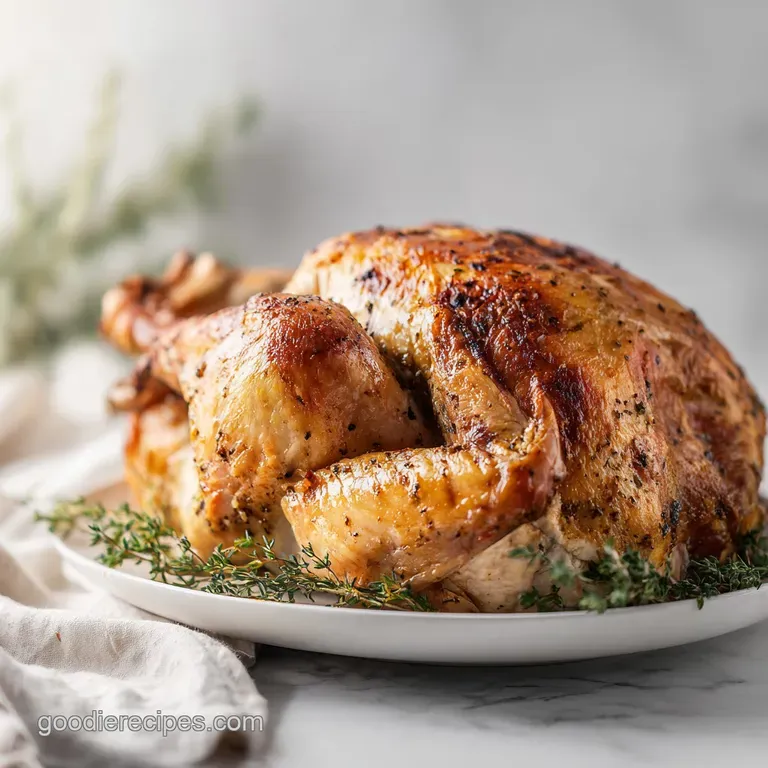
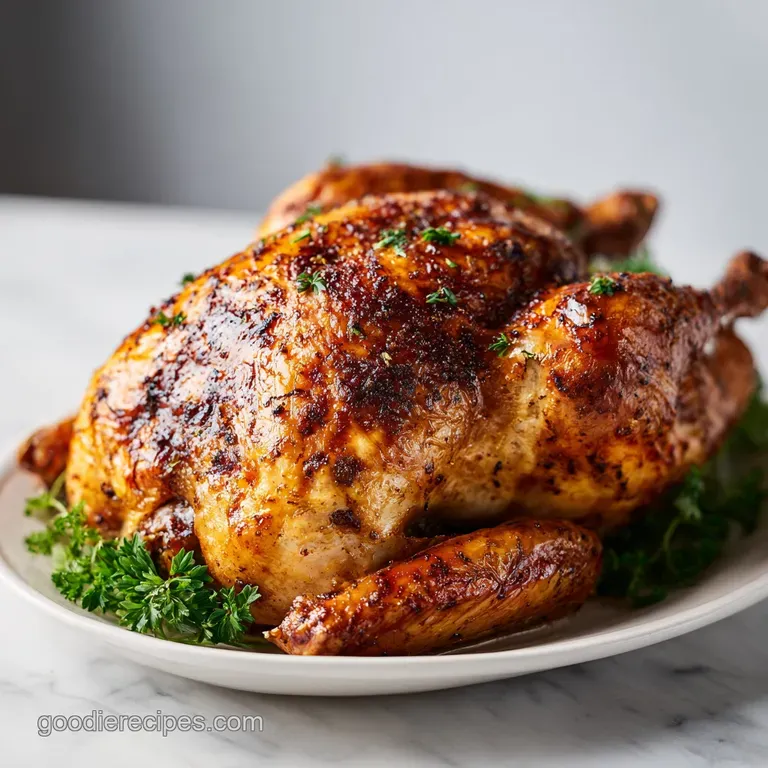
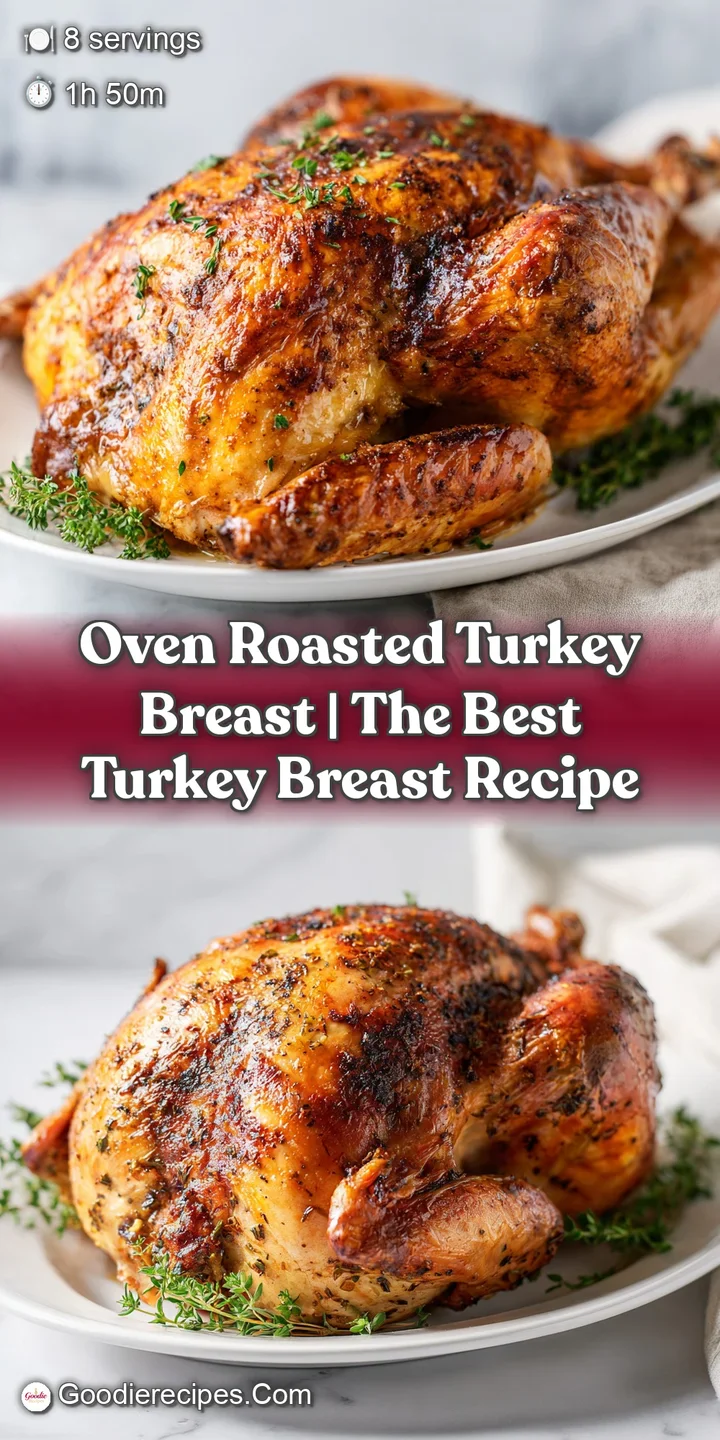
When you pull this 6.5 lb bone in turkey breast out of the oven, it should have a deep golden hue that looks like it belongs on a magazine cover. But the real magic happens when you slice into it. You will see those juices running clear and the meat will look almost glistening. No more sawdust, no more chewy bits.
Just classic, comforting flavor that reminds you why we love home cooked meals. Let's get into why this specific method works so well every single time.
Why This Technique Works
- The Skin Barrier: Patting the skin bone dry allows the heat to immediately start rendering the fat, creating a crispy texture instead of a rubbery one.
- Subcutaneous Basting: Tucking compound butter directly onto the meat under the skin ensures the fat melts into the fibers, keeping them lubricated throughout the roast.
- Two Phase Firing: Starting at 425°F sears the exterior for color, while dropping to 325°F allows the center to reach temperature without overcooking the outside.
- Aromatic Steam: The chicken broth and vegetables in the pan create a humid environment that prevents the bottom of the turkey from scorching.
- Carry Over Precision: Pulling the bird at 160°F and letting it rest allows the internal energy to finish the job, hitting that 165°F sweet spot without losing moisture.
| Cooking Method | Total Time | Skin Texture | Meat Moisture |
|---|---|---|---|
| over High heat Only | 1 hours 10 mins | Very Crispy | Often Dry |
| Low and Slow | 2 hours 15 mins | Soft/Pale | Very Juicy |
| Two Stage Roast | 1 hours 50 mins | Perfect Shatter | Maximum Juice |
Choosing the two stage roast gives you the best of both worlds. You get that satisfying crunch when you bite into the skin, but you don't sacrifice the velvety texture of the meat. It is the gold standard for anyone who wants a reliable result without needing fancy professional equipment.
Essential Roasted Turkey Recipe Specs
To get the best oven-roasted Turkey Breast, you need to pay attention to the details. I always use a 6.5 lb bone in turkey breast for this recipe. The bone is vital because it acts as a heat conductor, helping the meat cook more evenly from the inside out, and it adds a depth of flavor that boneless versions just can't match.
You will want to make sure your oven is calibrated correctly too. If your oven runs cold, that skin will never get the "shatter" quality we are looking for.
| Component | Function in Dish | Pro Secret |
|---|---|---|
| 6.5 lb Turkey Breast | Main Protein | Keep the bone in for better flavor. |
| Unsalted Butter | Moisture and Fat | Use high-quality butter for a richer taste. |
| Fresh Rosemary | Flavor and Aroma | Mince it very fine to avoid woody bits. |
| Garlic Paste | Savory Depth | Mash the garlic with salt to release oils. |
The timing for this recipe is very specific. We are looking at exactly 20 minutes of prep time to get the bird ready and the butter tucked in. Then, the oven takes over for a total of 1 hours 30 mins of cook time.
If you follow these numbers, you won't have to worry about a raw center or a burnt exterior. Consistency is the name of the game here.
Choosing the Best Ingredients
When it comes to the ingredients for an easy oven-roasted turkey breast, quality is your best friend. Start with the turkey itself. If you can find a fresh, never frozen bird, grab it. Frozen turkeys often lose some of their cellular structure when they thaw, which can lead to a slightly grainier texture.
If you do use a frozen 6.5 lb bone in turkey breast, make sure it is completely thawed in the fridge for at least 24 to 36 hours before you even think about putting it in the oven.
The butter is another huge factor. I always go for unsalted butter because it gives me total control over the seasoning. Soften it on the counter for about an hour so it is pliable enough to mix with the herbs but not so soft that it turns into a puddle. For the herbs, fresh is non negotiable.
Dried rosemary can sometimes feel like eating pine needles, but fresh rosemary has a bright, woodsy oils that infuse the skin beautifully. The smoked paprika is my little secret addition. It doesn't make the turkey taste like BBQ, but it provides a gorgeous mahogany color that makes the bird look stunning.
Finally, don't overlook the pan aromatics. The yellow onion and carrots aren't just there for show. As the turkey roasts, the drippings fall onto these vegetables, and the chicken broth keeps them from burning. This creates a concentrated "jus" in the bottom of the pan that you can use later.
It adds a layer of savory steam that keeps the environment inside the oven just right. This is much more effective than using a plain rack with nothing underneath it.
Tools for a Perfect Bird
You don't need a kitchen full of gadgets to make a fantastic oven-roasted Turkey Breast, but a few specific items make the job much easier. A heavy duty roasting pan with a V rack is the most important piece of equipment. The rack lifts the bird up, allowing hot air to circulate underneath it.
If you set the turkey directly on the bottom of the pan, the underside will get soggy and greasy. We want that air to touch every single inch of the skin.
The other tool I swear by is a digital meat thermometer. Honestly, don't even try to roast a turkey without one. Relying on "time per pound" is a gamble because every oven and every bird is slightly different. A thermometer tells you the truth.
You want to insert it into the thickest part of the breast, being careful not to hit the bone, which can give you a false high reading. Once it hits 160°F, you are done. The rest of the journey happens on the cutting board.
| Original Ingredient | Substitute | Why It Works |
|---|---|---|
| Fresh Rosemary | Fresh Sage | Gives a more traditional, earthy holiday flavor. |
| Chicken Broth | Dry White Wine | Adds a crisp acidity to the pan drippings. |
| Unsalted Butter | Ghee | Higher smoke point and rich, nutty flavor notes. |
If you are out of chicken broth, using a bit of water mixed with a splash of white wine works beautifully. Just avoid using "cooking wine" from the grocery store aisle as it usually has too much salt and not enough actual flavor. A cheap Pinot Grigio is a much better choice for deglazing that pan later.
Cooking the Turkey step-by-step
- Preheat your oven to 425°F (218°C). Pat the turkey breast completely dry with paper towels to ensure the skin becomes crisp. Note: Any moisture left on the skin will turn into steam, which makes the skin soft instead of crunchy.
- In a small bowl, combine the 0.5 cup softened butter, 3 tbsp minced rosemary, 4 cloves garlic paste, 1 tbsp thyme, and 1 tsp smoked paprika to create a compound butter.
- Gently loosen the skin from the turkey meat with your fingers. Spread half of the compound butter directly onto the meat under the skin, then rub the remaining butter and olive oil over the exterior.
- Season the outside with the 2 tsp kosher salt and 1 tsp cracked black pepper.
- Place the quartered yellow onion, 2 large carrots, and 1 cup chicken broth in the bottom of a roasting pan equipped with a V rack. Position the turkey breast on the rack.
- Roast at 425°F (218°C) for 20 minutes to brown the skin. Look for the skin to begin turning golden and smelling fragrant.
- Reduce the oven temperature to 325°F (163°C) and continue roasting until a digital meat thermometer reaches 160°F (71°C) in the thickest part of the breast. The skin should be a deep mahogany brown.
- Remove the turkey from the oven and transfer to a cutting board. Tent loosely with foil and allow it to rest for 20 minutes. Notice the juices settling back into the meat during this time.
- Carve the turkey against the grain for the most tender slices. Serve immediately with the pan juices if desired.
Solving Common Roasting Problems
Why Your Skin Is Rubbery
The most common culprit for rubbery skin is moisture. If the turkey wasn't dried properly before the butter was applied, the water trapped against the skin will boil rather than the fat rendering. This leaves you with a pale, chewy exterior that is anything but appetizing.
Another reason could be that the initial oven temp wasn't high enough. That first blast of 425°F is critical for setting the texture of the skin. If your oven takes forever to preheat, give it an extra 15 minutes to ensure the walls of the oven are truly radiating heat.
Why Your Turkey Is Dry
If you find the meat is dry, you likely bypassed the 160°F pull temperature. Remember, meat continues to cook even after you take it out of the oven. This is called carry over cooking.
If you wait until the thermometer says 165°F to pull it out, it will likely climb to 170°F or higher while resting, which is the "danger zone" for dryness. Also, skipping the resting period is a big mistake.
If you cut into the bird immediately, all the juices will pour out onto the board instead of staying in the meat.
| Problem | Root Cause | Solution |
|---|---|---|
| Burnt Skin | Oven rack too high | Move rack to the lower middle position. |
| Raw Near Bone | Inaccurate Temp | Use a probe thermometer for continuous monitoring. |
| Bland Flavor | Under seasoned meat | Ensure butter is tucked under the skin, not just on top. |
Common Mistakes Checklist
- ✓ Always pat the skin with paper towels until it feels like parchment paper.
- ✓ Never skip the 20 minute resting period - it is as important as the cooking.
- ✓ Don't overcrowd the roasting pan with too many vegetables, which can block airflow.
- ✓ Make sure the butter is actually softened; cold butter won't spread and will clump under the skin.
- ✓ Check the internal temp in two different spots to be absolutely sure it is even.
Flavor Variations for Every Occasion
While the rosemary and garlic combo is a total classic, sometimes you want to change things up. For a citrus twist, I love adding the zest of one lemon and one orange to the compound butter. The acidity cuts through the richness of the turkey and makes it feel a bit lighter.
If you are serving this for a fall meal, you might try a maple sage version. Swap the rosemary for fresh sage and whisk a tablespoon of pure maple syrup into the butter rub. The sugar in the syrup will help the skin brown even faster, so keep a close eye on it.
If you are looking for a dairy-free option, you can substitute the butter with a high-quality extra virgin olive oil or even duck fat. Duck fat makes an incredible roast turkey with a very rich, savory profile. For those who like a bit of heat, adding a teaspoon of chipotle powder to the rub gives the bird a subtle smokiness and a gentle kick that pairs surprisingly well with traditional sides like mashed potatoes. This reminds me of the time I tried my Air Fryer wings with a similar spice blend; the high heat really brings out the complexity of the peppers.
You can also adjust the aromatics in the pan. Instead of carrots and onions, try using leeks and fennel. These vegetables soften into a sweet, melt in-your mouth consistency that is fantastic served alongside the turkey. If you want a more "pot roast" feel, you can check out my Pot Roast recipe for inspiration on how to slow cook those root vegetables until they are perfectly tender.
Storing and Using Your Leftovers
Storing an oven-roasted Turkey Breast is easy, but you have to do it right to prevent it from drying out in the fridge. I recommend slicing the meat off the bone before storing. Place the slices in an airtight container and pour any remaining pan juices over them. This keeps the meat in a "bath" of moisture.
It will stay fresh in the refrigerator for about 3 to 4 days. If you want to freeze it, wrap the sliced meat tightly in plastic wrap, then a layer of foil, and place it in a freezer bag. It will hold its quality for about 2 to 3 months.
To reheat, avoid the microwave if possible, as it tends to make poultry rubbery. Instead, place the slices in a baking dish with a splash of broth, cover tightly with foil, and warm it in a 300°F oven for about 15 minutes. This gently steams the meat back to life.
For zero waste, don't throw away that turkey bone! You can simmer the bone with some veggie scraps to make a rich, golden turkey stock that is far better than anything you can buy in a carton.
Leftover turkey is also the ultimate "ingredient" for other meals. It is perfect for club sandwiches, hearty salads, or chopped up and added to a creamy pasta. Since this turkey already has the rosemary and garlic notes, it works particularly well in a turkey pot pie or a wild rice soup.
I often use leftovers in place of chicken in almost any savory recipe.
Perfect Sides for Turkey Dinner
When you have a perfectly cooked oven-roasted Turkey Breast, you want sides that won't overshadow it. Traditional mashed potatoes are a must, but make sure you use plenty of butter and cream to match the decadence of the turkey.
A bright, acidic side dish like a cranberry orange relish or a vinegary slaw can help balance the richness of the compound butter.
Green vegetables are also a great choice. Roasted Brussels sprouts with a bit of balsamic glaze or steamed green beans with toasted almonds provide a nice crunch and color to the plate. If you are looking for something a bit more comforting, this turkey pairs perfectly with my Broccoli Casserole recipe. The creamy cheese and tender vegetables in a casserole provide a lovely contrast to the crispy skin of the roast turkey.
Debunking Roasting Myths
- Myth: You need to baste the turkey every 15 minutes.
- Truth: Every time you open the oven door, you lose heat and lower the temperature, which actually makes the cooking time longer and can lead to drier meat. The butter under the skin does all the "basting" for you.
- Myth: Washing the turkey in the sink makes it cleaner.
- Truth: Washing raw poultry actually spreads bacteria around your kitchen and makes the skin wet, which prevents it from getting crispy. Just pat it dry with paper towels.
- Myth: The "pop up" timer is the most accurate way to check doneness.
- Truth: These timers are often set to pop at 180°F or higher, which means by the time it pops, your turkey is already overcooked and dry. Stick to your digital thermometer.
I hope this guide helps you feel confident the next time you head into the kitchen to roast a bird. It really is about the simple things: dry skin, butter under the hood, and a reliable thermometer.
Once you see how easy it is to get that perfect, juicy result, you will never go back to the old "guess and hope" method again. Happy roasting!
Recipe FAQs
Is it better to roast a turkey breast at 325 or 350?
Use 325°F for the majority of the cooking time. While you start at 425°F to brown the skin, reducing the heat to 325°F ensures the breast cooks evenly without drying out the exterior before the center is done.
How long will a 5 lb turkey breast take to cook?
Plan for approximately 70 to 80 minutes of total roasting time. Always rely on a digital meat thermometer rather than the clock, pulling the turkey once it hits 160°F in the thickest part of the breast.
Do I cover a turkey breast when roasting it?
No, leave it uncovered during the entire roasting process. Covering the breast will steam the skin rather than crisping it, resulting in a rubbery texture instead of that golden, flavorful crust you want.
How to make a 3 lb turkey breast in the oven?
Preheat your oven to 425°F, season the meat with your compound butter, and roast for 90 minutes before reducing the heat to 325°F. Because a 3 lb breast is smaller than the standard 6.5 lb size, start checking the internal temperature after about 50 minutes total to prevent overcooking.
Is it true I should wash the turkey breast before seasoning?
No, this is a common misconception. You must pat the turkey completely dry with paper towels to ensure the skin becomes crisp; washing adds moisture that prevents proper browning.
How do I keep the breast meat from drying out?
Focus on two steps: spread the compound butter under the skin and allow for a 20-minute rest after roasting. If you enjoyed mastering this resting period, you can see how this same moisture retaining technique improves your weeknight protein prep.
Can I store the leftovers for sandwiches?
Yes, slice the meat off the bone and store it in an airtight container. Pour the remaining pan juices over the slices to keep the meat in a moisture rich bath; it will stay fresh in the refrigerator for 3 to 4 days.
oven-roasted Turkey Breast
Ingredients:
Instructions:
Nutrition Facts:
| Calories | 521 calories |
|---|---|
| Protein | 61g |
| Fat | 29g |
| Carbs | 2g |
| Fiber | 0.6g |
| Sugar | 0.7g |
| Sodium | 564mg |
