Overnight Chia Oats: Silky & Nutritious
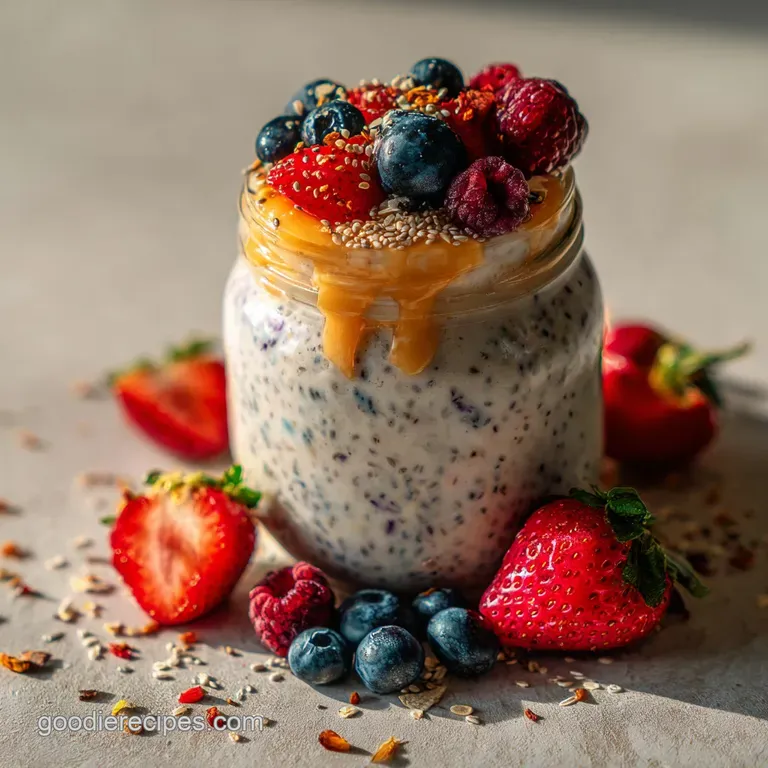
- Time: Active 10 minutes, Passive 6 hours, Total 6 hours 10 mins
- Flavor/Texture Hook: Silky, pudding like consistency with a subtle vanilla finish
- Perfect for: High efficiency meal prep and sustained morning energy
- Master the Science of Overnight Chia Oats
- The Science of Why it Works
- Analyzing the Thermodynamic Balance of Cold Soaked Grains
- Essential Molecular Components for a Balanced Morning Base
- Optimized Tools for Hydration and Emulsification Success
- Step-by-Step Methodology for Consistent Gelatinization
- Technical Troubleshooting for Superior Structural Integrity
- Calibrating the Formula for Specific Nutritional Requirements
- Maintaining Osmotic Stability During Extended Cold Storage
- Strategic Additions for Textural Contrast and Micronutrient Density
- Myths Regarding Cold Soaked Grains
- Recipe FAQs
- 📝 Recipe Card
Master the Science of Overnight Chia Oats
We have all experienced the disappointment of a gritty, watery breakfast jar that looks more like a science experiment gone wrong than a meal. I spent months tweaking ratios because I couldn't stand the "chalky" texture that often plagues quick prep recipes.
The secret isn't just in the ingredients; it is in the molecular interaction between the starches and the liquid during the cold soaking phase.
This approach solves the common issue of separation by utilizing specific ratios of hydrocolloids and proteins. By understanding how the oats and seeds absorb moisture, you can create a breakfast that feels like a decadent treat but functions as high performance fuel.
We are moving away from guesswork and toward a replicable formula that yields a consistent, velvety result every single time you open the fridge.
You will find that this method relies on precise hydration levels to ensure every grain is fully softened without becoming mushy. It’s about achieving structural integrity. We want a spoonable, creamy consistency that holds its shape while offering a satisfying mouthfeel.
Let's get into the mechanics of why this works.
The Science of Why it Works
Capillary Action: The porous structure of rolled oats draws in almond milk through capillary action, hydrating the starch granules without the need for heat induced gelatinization.
Mucilage Formation: Chia seeds contain a high concentration of soluble fiber that, when exposed to liquid, develops a mucilaginous coating, creating a natural gel that emulsifies the entire mixture.
| Method | Prep Time | Resulting Texture | Stability |
|---|---|---|---|
| Fast (Instant) | 1 hour | Slightly grainy; thin liquid | Low (separates) |
| Classic (6 hour) | 6 hours | Creamy; integrated suspension | High (homogenous) |
| Long (24 hour) | 24 hours | Very soft; custard like | Medium (may soften too much) |
The contrast between quick soaking and a true overnight cure is significant. While a one hour soak might technically be edible, the starch hasn't fully relaxed, leading to a jagged texture.
Giving the mixture at least 6 hours allows the almond milk to penetrate the dense center of the old-fashioned oats, resulting in a uniform bite.
Analyzing the Thermodynamic Balance of Cold Soaked Grains
| Component | Science Role | Pro Secret |
|---|---|---|
| Old Fashioned Oats | Primary Starch | Use "thick cut" for better structural resistance against long soaks. |
| Chia Seeds | Hydrocolloid Gel | Whisk vigorously to prevent clumping and ensure even gel distribution. |
| Greek Yogurt | Protein/Acid Emulsifier | The acidity slightly breaks down oat phytic acid for easier digestion. |
Success in this recipe depends on the interaction between the liquid and the binders. If the ratio of liquid to solid is too high, the suspension fails, and you end up with a layer of sediment at the bottom of the jar. If it is too low, the seeds cannot fully bloom, leaving you with a dry, unpleasant mass.
The addition of a pinch of sea salt is not just for flavor; it acts as a flavor enhancer that suppresses bitterness and highlights the natural sweetness of the oats. It also helps to tighten the protein structures in the yogurt, contributing to a thicker overall viscosity.
Essential Molecular Components for a Balanced Morning Base
To achieve the results discussed, you must use the following specific components. Each serves a functional purpose beyond just taste.
- 0.5 cup old fashioned rolled oats: Why this? Provides the structural backbone and essential slow release complex carbohydrates.
- 1 tbsp chia seeds: Why this? Acts as a thickening agent and provides omega-3 fatty acids.
- 0.75 cup unsweetened almond milk: Why this? The primary hydration medium with a neutral pH level.
- 0.25 cup Greek yogurt: Why this? Adds creamy density and probiotic acidity to soften the grain.
- 1 tsp pure maple syrup: Why this? Provides a low glycemic liquid sweetener that integrates easily.
- 0.25 tsp vanilla extract: Why this? Adds aromatic complexity to the lipid rich base.
- 1 pinch sea salt: Why this? Balances the electrical ions to enhance overall flavor perception.
| Original Ingredient | Substitute | Why It Works |
|---|---|---|
| Almond Milk | Soy Milk | Higher protein content creates an even thicker, more velvety emulsion. |
| Greek Yogurt | Coconut Yogurt | High fat content maintains creaminess while being entirely plant based. |
| Maple Syrup | Agave Nectar | Similar viscosity but a more neutral flavor profile for fruit heavy versions. |
Using the correct oat variety is the most critical decision you will make. Steel cut oats are too dense for this cold soak method and will remain unpleasantly hard. Quick oats, on the other hand, lack the structural integrity to withstand a 6 hour soak, often turning into a glue like paste that lacks any textural interest.
Optimized Tools for Hydration and Emulsification Success
You don't need a lab full of equipment, but the right vessels make the process much more efficient. I prefer using wide mouth glass jars, specifically 8 ounce or 16 ounce sizes. The wide opening allows for better leverage when you are performing the "critical first stir," ensuring no dry pockets of chia seeds are left hiding at the bottom corners.
A small silicone spatula is also far superior to a spoon. The flexibility of the silicone allows you to scrape the sides of the jar, ensuring every single seed is incorporated into the liquid.
If you are making multiple servings at once, a large stainless steel bowl is better for initial mixing before portioning the mixture into individual containers.
Chef's Tip: Toast your dry oats in a pan for 3 minutes until they smell nutty before adding them to the jar. This adds a layer of complex flavor that simple soaking cannot replicate.
step-by-step Methodology for Consistent Gelatinization
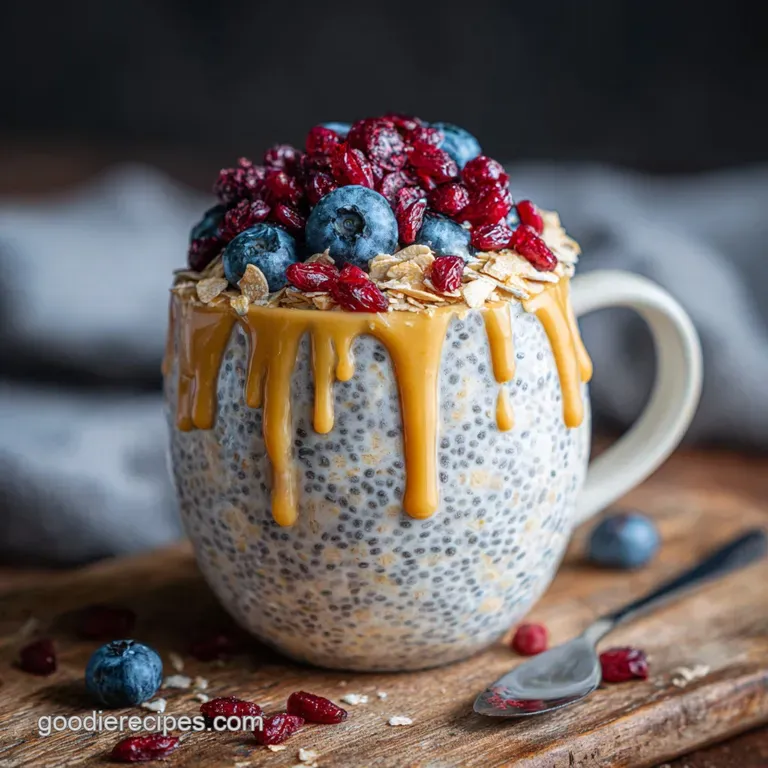
1. The Dry Wet Integration
Place 0.5 cup old fashioned rolled oats and 1 tbsp chia seeds into your jar. Add the pinch of sea salt. Note: Mixing dry ingredients first prevents the seeds from immediately clumping when liquid hits them.
2. The Liquid Addition
Pour in 0.75 cup unsweetened almond milk and 0.25 cup Greek yogurt. Stir vigorously for 30 seconds until the yogurt is fully incorporated and no white streaks remain.
3. Flavor Infusion
Add 1 tsp pure maple syrup and 0.25 tsp vanilla extract. Stir again until the liquid looks homogenous and slightly thickened.
4. The Critical First Stir
Wait 5 minutes for the chia seeds to begin their initial hydration. Give the mixture one more thorough stir to break up any "seed islands" that have formed.
5. The Cold Cure
Seal the jar tightly and place it in the refrigerator for at least 6 hours. Note: This duration is necessary for the starches to fully hydrate without heat.
6. The Visual Inspection
Check the jar after the curing period; the mixture should be thick enough that it doesn't run when the jar is tilted.
7. Texture Calibration
If the oats appear too stiff, fold in 1 tablespoon of extra almond milk. Note: This restores the "pudding" consistency if the oats were particularly absorbent.
8. Final Assembly
Add your desired toppings just before consumption to maintain textural contrast. Enjoy the velvety, perfectly set result.
Technical Troubleshooting for Superior Structural Integrity
Why Your Overnight Chia Oats Are Soupy
If the mixture remains watery, the ratio of liquid to binders was likely skewed. This usually happens if the yogurt used was too thin or the chia seeds were old and lost their gelling capacity.
Why Your Oats Are Chalky
This is almost always a result of under hydration. If the oats feel "raw" or the seeds are still crunchy, they haven't been submerged long enough or there wasn't enough liquid to penetrate the fibers.
| Problem | Root Cause | Solution |
|---|---|---|
| Separation | Lack of initial agitation | Stir twice: once immediately and once after 5 minutes. |
| Clumpy Seeds | Wet seeds sticking together | Whisk dry ingredients together before adding any liquids. |
| Bland Flavor | Lack of seasoning | Never skip the salt; it is essential for flavor definition. |
Common Mistakes Checklist: ✓ Ensure you use "old fashioned" oats, not "quick" or "instant" varieties. ✓ Stir the mixture again after it has sat for 5 minutes to prevent chia clumps. ✓ Check the expiration of your chia seeds; they lose gelling power over time.
✓ Always leave at least an inch of headspace in the jar for expansion. ✓ Don't add fresh fruit before the soak, as it can release water and change the ratio.
Calibrating the Formula for Specific Nutritional Requirements
For a Vegan Friendly Version
Swap the Greek yogurt for a high protein soy yogurt or a thick coconut cream. Ensure your almond milk is fortified if you are looking for a similar micronutrient profile to dairy. The maple syrup is already vegan friendly, but you can use date syrup for a more whole food approach.
For a Textural Contrast
If you find the texture too uniform, add 1 tablespoon of chopped nuts or seeds after the soak. The "shatter" of a toasted almond against the velvety oats provides a sophisticated sensory experience that keeps the meal from feeling monotonous.
| Goal | Adjustment | Expected Outcome |
|---|---|---|
| Higher Protein | Add 1 scoop whey/pea protein | Denser texture; requires 2 tbsp extra milk. |
| Lower Calorie | Omit yogurt, use more milk | Thinner consistency; more like traditional cereal. |
| Extra Creamy | Use full fat canned coconut milk | Extremely rich, dessert like mouthfeel. |
If you are looking for a high protein boost, adding protein powder is efficient, but be careful. Most powders act as additional "dry" ingredients. If you add a scoop (about 30g), you must increase the almond milk by 0.25 cup to maintain the correct hydration levels.
Otherwise, you will end up with a brick rather than a pudding.
Maintaining Osmotic Stability During Extended Cold Storage
These oats are the ultimate meal prep solution because they actually improve slightly after 24 hours. I recommend storing them in the back of the fridge, where the temperature is most consistent. Fluctuations in temperature can cause the yogurt to weep liquid, leading to a "split" texture.
- Fridge
- Store in an airtight container for up to 4 days. After day 4, the oats may begin to lose their structural integrity and become overly soft.
- Freezer
- I do not recommend freezing this recipe. The cellular structure of the oats breaks down during the freeze thaw cycle, resulting in a grainy, watery mess.
- Zero Waste
- If you find yourself with leftover "liquid" at the bottom of the yogurt container (whey), don't pour it out! Use it as part of the 0.75 cup liquid requirement. It’s packed with protein and helps the fermentation like softening of the oats.
Strategic Additions for Textural Contrast and Micronutrient Density
To keep things interesting, you can vary the flavor profile without changing the base science. Think of the base recipe as a canvas. You want to add components that provide a different "crunch" or "snap" to offset the creamy oats.
- The "Crunch" Element: Toasted pepitas, cacao nibs, or hemp hearts. These provide a "shatter" that wakes up the palate.
- The "Acid" Element: Fresh raspberries or a squeeze of lemon juice. Acid cuts through the fat of the yogurt and almond milk.
- The "Aromatic" Element: A dash of cardamom or almond extract can completely change the vibe from "standard vanilla" to "artisanal cafe."
- If you want a chocolate version
- Add 1 tbsp of high-quality cocoa powder and 1 extra tsp of maple syrup.
- If you want it extra thick
- Reduce the almond milk to 0.5 cup and let it sit for a full 12 hours.
- If you want it drinkable
- Omit the yogurt and increase the almond milk to 1.25 cups for an "oat smoothie" texture.
Myths Regarding Cold Soaked Grains
Many people believe that "raw" oats are difficult to digest. This is a misconception. The soaking process in an acidic environment (like that provided by the yogurt) effectively reduces phytic acid, which is an anti nutrient that can inhibit mineral absorption.
By the time you eat these after 6 hours, they are technically "processed" by the liquid.
Another common myth is that you need hot water to "cook" the oats for them to be safe. In reality, rolled oats are steamed during the manufacturing process, so they are already "cooked." The overnight soak is simply a rehydration method that allows for a different, more pudding like texture than traditional stovetop boiling.
Finally,, don't believe that chia seeds will grow in your stomach if you don't soak them first. While they do expand, the real reason we soak them is to access their gelling properties for texture and to make their nutrients more bioavailable.
Pre soaking ensures you aren't stripping hydration from your own body as you digest them.
Recipe FAQs
Are overnight oats with chia seeds good for you?
Yes, they are highly nutritious. They provide sustained energy from complex carbohydrates, healthy fats and fiber from chia seeds, and protein from yogurt or milk, promoting satiety and digestive health.
Is it okay to eat oats and chia seeds every day?
Yes, it is generally safe and beneficial for most people. As part of a balanced diet, daily consumption offers consistent fiber and nutrient intake, aiding digestion and providing steady energy release throughout the day.
Do you use raw chia seeds for overnight oats?
Yes, you use them dry and raw. The chia seeds absorb liquid during the soaking process, forming a gel that thickens the oats and makes nutrients more accessible.
Is it healthy to soak chia seeds overnight?
Yes, it is very healthy. Soaking chia seeds overnight transforms them into a gel, making their fiber and omega-3 fatty acids more digestible and easier for your body to absorb.
Why are my overnight oats soupy?
The ratio of liquid to binders was likely too high. This can happen if the yogurt used was too thin, or if the chia seeds have lost their gelling capacity and aren't thickening the mixture sufficiently.
Why are my overnight oats chalky?
This is typically due to under hydration. If the oats still feel "raw" or the seeds are crunchy, they likely haven't been soaked long enough or there wasn't enough liquid for the starches and seeds to fully absorb.
Can I use quick oats instead of old-fashioned oats?
No, it's best to use old-fashioned rolled oats. Quick oats break down too much during the soaking period, resulting in a mushy, glue like texture rather than the desired creamy consistency.
Overnight Chia Oats
Ingredients:
Instructions:
Nutrition Facts:
| Calories | 313 kcal |
|---|---|
| Protein | 14.7 g |
| Fat | 9.0 g |
| Carbs | 42.7 g |
| Fiber | 8.6 g |
| Sugar | 6.2 g |
| Sodium | 185 mg |
