Pineapple Upside Down Cake: Silky & Caramelized
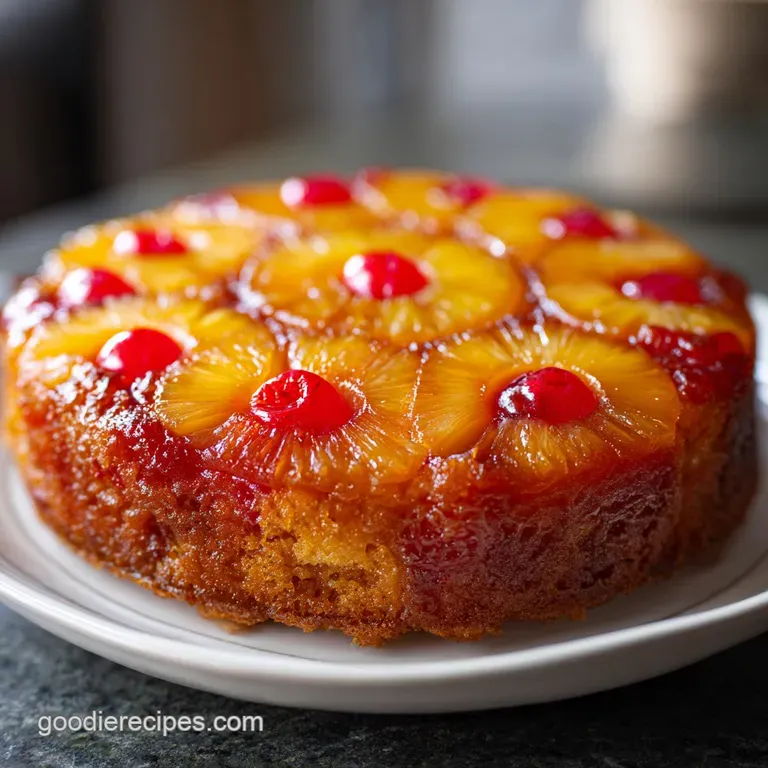
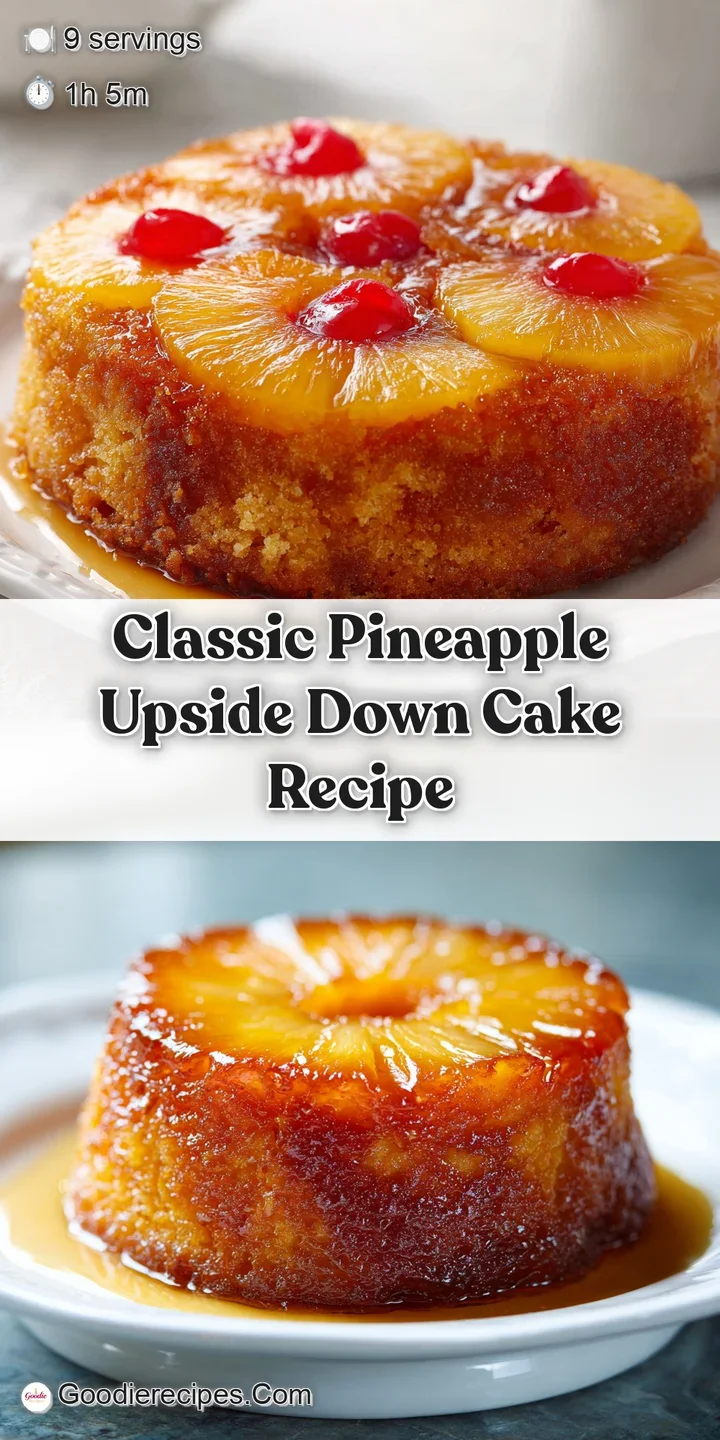
- Time: Active 20 minutes, Passive 45 minutes, Total 1 hours 5 mins
- Flavor/Texture Hook: Silky sponge with a gooey, molten brown sugar glaze
- Perfect for: Sunday family dinners or nostalgic birthday celebrations
- Creating a Golden Legacy with This Pineapple Upside Down Cake
- Timing and Precision for the Perfect Fruit Topped Sponge
- Selecting the Finest Elements for a Traditional Pineapple Dessert
- Essential Tools for Achieving That Flawless Flip and Release
- A Step by Step Guide to Crafting This Vintage Favorite
- Solving Common Baking Hurdles for a Pristine Fruit Finish
- Creative Twists to Customize Your Pineapple Upside Down Cake
- Maintaining the Moist Texture and Flavor for Days Afterward
- The Best Ways to Present and Enjoy Your Warm Cake
- Recipe FAQs
- 📝 Recipe Card
Creating a Golden Legacy with This Pineapple Upside Down Cake
I still remember the first time I tried to flip one of these. I was standing in my tiny apartment kitchen, heart hammering against my ribs, gripping the edges of a hot cast iron pan with mismatched oven mitts.
There’s that breathless second of silence right after the "thwack" of the pan hitting the plate where you pray to the baking gods that nothing stuck. When I finally lifted the pan, the aroma of sizzling butter and warm, tropical sugar hit me like a physical wave.
It wasn't just a cake; it was a shimmering, amber hued trophy.
Since then, I’ve realized that while this looks like a high wire act, it’s actually one of the most forgiving bakes you can master. We've all seen those sad, dry versions at potlucks, but the secret lies in the moisture balance.
We're going for a crumb that's sturdy enough to hold the fruit but soft enough to melt on your tongue. Trust me, once you see those maraschino cherries nestled in those golden rings, glowing like little jewels under a caramel glaze, you'll never go back to a box mix again.
Timing and Precision for the Perfect Fruit Topped Sponge
Getting the timing right is the difference between a soggy mess and a masterpiece. I like to follow a specific rhythm: prep the topping while the oven preheats, whisk the dry ingredients while the butter softens, and never, ever rush the cooling process before the flip.
If you flip too early, the caramel is too liquid and runs off; flip too late, and the sugar cools into a cement that traps your fruit in the pan forever.
The Chemistry of the Caramel Crown
Caramelization Synthesis: The 150g of light brown sugar dissolves into the 60g of melted butter, creating a concentrated syrup that partially dehydrates the pineapple.
This prevents the fruit from releasing too much internal moisture into the cake batter, ensuring the top stays gooey rather than watery.
| Choice Factor | Fresh Pineapple | Canned Pineapple |
|---|---|---|
| Texture | Firm and slightly fibrous | Tender and consistent |
| Prep Time | 10-15 minutes (peeling/coring) | 2 minutes (draining) |
| Flavor Profile | Tart and bright | Sweet and nostalgic |
| Reliability | Variable moisture levels | High - predictable results |
Every cook has their preference, but for that classic look, I almost always reach for the canned rings. They are uniform in thickness, which means every slice of your Pineapple Upside Down Cake gets the same amount of love. If you're feeling adventurous later, you might try a Red Velvet Cake recipe for a different kind of texture, but for today, we are keeping it bright and tropical.
Selecting the Finest Elements for a Traditional Pineapple Dessert
| Ingredient | Science Role | Pro Secret |
|---|---|---|
| Cake Flour (190g) | Low protein content | Sift it twice to ensure an airy, cloud like crumb. |
| Sour Cream (60g) | Fat and acidity | Adds "weight" to the moisture without thinning the batter. |
| Pineapple Juice (60ml) | Flavor infusion | Use the liquid from the can to reinforce the tropical notes. |
The foundation of any great bake is the quality of your fats and sugars. We are using two types of sugar here for a reason. The light brown sugar in the bottom provides that deep, molasses driven caramelization, while the 200g of granulated sugar in the batter keeps the cake light and allows the vanilla extract to shine through.
- Unsalted Butter (60g + 115g): Divided for the topping and the cake. Why this? Using unsalted allows you to control the exact seasoning of the sponge.
- Light Brown Sugar (150g): For the base. Why this? It contains more moisture than dark brown, preventing a brittle topping.
- Canned Pineapple Rings (20 oz): Drained and dried. Why this? Drying them prevents "fruit weep" which can make the top soggy.
- Maraschino Cherries (9): Stems removed. Why this? They provide the iconic color contrast and a pop of almond like sweetness.
- Cake Flour (190g):Why this? This creates a much finer, velvety texture compared to all purpose flour.
- Granulated Sugar (200g): For the batter.
- Baking Powder (7g) & Salt (2g): Our leavening and flavor balancer.
- Large Eggs (2): Room temperature. Why this? Cold eggs can curdle the creamed butter and sugar mixture.
- Sour Cream (60g):Why this? It provides a subtle tang that cuts through the intense sugar.
- Reserved Pineapple Juice (60ml): From the can.
- Vanilla Extract (5ml): Use the real stuff, not imitation, for the best aroma.
Essential Tools for Achieving That Flawless Flip and Release
You don't need a professional kitchen, but a 9 inch square or round cake pan is non negotiable here. I prefer a light colored metal pan over glass because it conducts heat more evenly, preventing the edges from scorching before the center is set.
If you use a heavy cast iron skillet, you'll get a thicker, crunchier caramel crust, which is honestly a vibe if you like that old-fashioned feel.
A stand mixer makes creaming the 115g of softened butter and 200g of granulated sugar much easier, but a hand mixer works just fine. The most important tool, however, is your cooling rack. It needs to be sturdy enough to support the weight of the pan and the plate during the flip. Oh, and don't forget the paper towels!
Patting those pineapple rings dry is a step you simply cannot skip if you want that glossy finish.
A step-by-step Guide to Crafting This Vintage Favorite
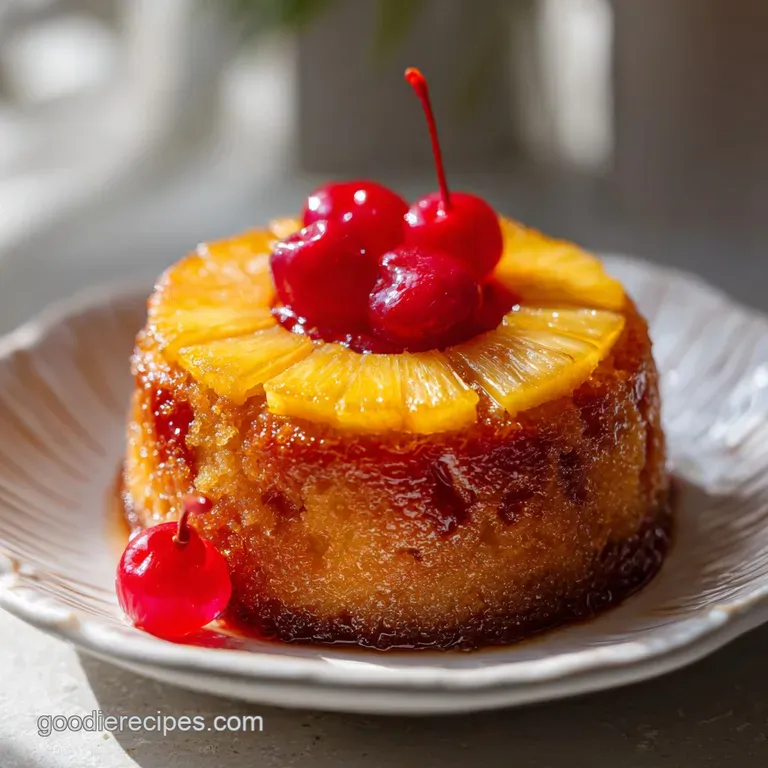
- Prep the Oven. Heat your oven to 350°F (180°C) and ensure the rack is in the center. Note: This ensures even heat distribution for the caramel base.
- Create the Caramel. Pour the 60g of melted butter into your 9 inch pan and sprinkle the 150g of light brown sugar evenly over it until a thick paste forms.
- Arrange the Fruit. Place the drained pineapple rings on top of the sugar, then nestle a maraschino cherry in the center of each ring until the bottom is fully covered.
- Whisk Dry Ingredients. Sift the 190g of cake flour, 7g of baking powder, and 2g of salt into a bowl. Note: Sifting prevents lumps and keeps the cake light.
- Cream Butter and Sugar. Beat the 115g of softened butter and 200g of granulated sugar in a large bowl until pale and fluffy (about 3 minutes).
- Add Wet Ingredients. Mix in the 2 eggs one at a time, then stir in the 60g of sour cream and 5ml of vanilla extract until smooth and velvety.
- Combine the Batter. Alternately add the dry ingredients and the 60ml of pineapple juice to the butter mixture, starting and ending with the flour. Note: This prevents the batter from breaking.
- The Final Pour. Spread the batter gently over the fruit, being careful not to shift the rings.
- The Precision Bake. Bake for 45 minutes until a toothpick comes out clean and the edges are pulling away.
- The Critical Release. Let the cake cool in the pan for exactly 10 minutes, then run a knife around the edge and flip it onto a serving plate until you hear the fruit release.
Chef's Note: If a pineapple ring stays behind in the pan after the flip, don't panic! Just peel it out with a fork and slide it back onto the cake. The warm caramel will act like glue and hide the evidence.
Solving Common Baking Hurdles for a Pristine Fruit Finish
The biggest fear with an upside down cake is the dreaded stick. If the sugar gets too cold, it acts like epoxy. If the fruit is too wet, the top of the cake turns into mush. Dealing with these issues is all about temperature control. If you're hosting a big party and want to offer multiple options, consider making a batch of Red Velvet Cupcakes recipe alongside this cake; they use a similar creaming method but offer a totally different flavor profile for your guests.
Fixing a Soggy Top
If your cake comes out of the oven looking a bit wet around the rings, it’s usually because the pineapple wasn't patted dry enough. The extra juice steams the batter instead of letting it bake. Next time, press the rings between double layers of paper towels.
To fix a currently soggy cake, you can place it back in the oven (after flipping) for 5 minutes at 320°F (160°C) to help the surface set, though this is a last resort move.
| Problem | Root Cause | Solution |
|---|---|---|
| Fruit Sticking | Cooled too long in pan | Briefly warm the pan bottom on the stove to melt the sugar. |
| Dry Cake Crumb | Overbaked or overmixed | Check doneness 5 mins early; stop mixing as soon as flour disappears. |
| Runny Topping | Flipped while too hot | Wait exactly 10 minutes to allow the caramel to thicken. |
Common Mistakes Checklist
- ✓ Pat the pineapple rings with paper towels until they feel dry to the touch.
- ✓ Use room temperature eggs to ensure they emulsify properly with the butter.
- ✓ Set a timer for the 10 minute cooling window — 15 minutes is often too long.
- ✓ Don't use a springform pan; the caramel will leak out of the bottom seal.
- ✓ Sift the cake flour to avoid dense pockets in the sponge.
Creative Twists to Customize Your Pineapple Upside Down Cake
While the classic version is iconic, you can easily adapt this base. If you want a deeper, more complex flavor, try substituting the light brown sugar with dark brown sugar or even a touch of maple syrup.
For those who want to skip the traditional pan entirely, you can bake these in a jumbo muffin tin for individual portions just reduce the bake time to about 20 minutes.
| Original Ingredient | Substitute | Why It Works |
|---|---|---|
| Sour Cream | Plain Greek Yogurt | Similar acidity and fat. Note: Resulting cake may be slightly tangier. |
| Cake Flour | All Purpose + Cornstarch | 1 3/4 cups AP + 1/4 cup cornstarch. Note: Slightly denser crumb. |
| Pineapple Juice | Spiced Rum | Adds a deep, toasted oak flavor. Note: Best for adult gatherings. |
If you're looking for a smaller version, you can halve the recipe and use an 8x4 inch loaf pan. When scaling up for a crowd, it's better to bake two separate 9 inch cakes rather than trying to fit it all into one giant roasting pan.
The heat distribution in a larger pan is often uneven, leading to burnt edges and a raw middle. For baking double batches, I recommend lowering your oven temp by 25°F and extending the bake time by about 10-15 minutes, checking frequently with a skewer.
Maintaining the Moist Texture and Flavor for Days Afterward
Because of the fruit and the caramel, this cake actually stays moist longer than your average sponge. You can store it at room temperature under a cake dome for about 2 days. If you need it to last longer, pop it in the fridge for up to 5 days, but be aware that the butter in the cake will firm up, so it won't be as soft when cold.
- Fridge Storage: Keep in an airtight container for 5 days.
- Freezer Instructions: Wrap individual slices in plastic wrap and foil. They stay fresh for 3 months. Thaw at room temperature.
- Zero Waste Tip: Don't throw away the leftover pineapple juice in the can! Freeze it in ice cube trays to use in smoothies or to deglaze a pan for a sweet and sour chicken dinner later in the week.
The Best Ways to Present and Enjoy Your Warm Cake
This cake is a showstopper all on its own, but a little styling goes a long way. I love serving it while it's still slightly warm, perhaps with a dollop of unsweetened whipped cream to balance the sugary topping. The contrast between the cold cream and the warm, buttery sponge is pure heaven.
Debunking Topping Misconceptions
Some folks think you need to cook the butter and sugar into a caramel on the stovetop first. You don't. The 45 minutes in the oven provides more than enough heat to transform those two ingredients into a rich syrup. Another myth is that fresh pineapple is always better.
In this specific case, the enzymes in fresh pineapple (bromelain) can actually break down the proteins in the cake batter, sometimes leading to a mushy texture. Canned pineapple is heat treated, which deactivates those enzymes, giving you a perfect result every time.
Right then, you're ready to go! Grab your pan, dry off those pineapple rings, and get ready for that satisfying flip. It's a classic for a reason, and once you pull that golden beauty out of the oven, you'll see exactly why. Let me know how yours turns out!
Recipe FAQs
What kind of cake do you use for pineapple upside down cake?
A classic vanilla butter cake base is ideal. Use cake flour and sour cream in the batter to achieve a velvety crumb that supports the heavy, caramelized topping without becoming soggy.
What is the secret ingredient to a moist cake?
Sour cream is the key to guaranteed moisture. Its fat and acidity add richness and tenderness to the sponge, ensuring it stays soft even after sitting under the fruit layer.
Do you flip a pineapple upside down cake while it's still hot?
No, you must wait exactly 10 minutes after removing it from the oven. If you flip too early, the hot caramel is too liquid and runs off; too late, and the sugar sets like cement, sticking the fruit to the pan.
Does Walmart sell upside down pineapple cake?
Yes, many major grocery chains, including Walmart, sell pre-made versions. However, the homemade version using cake flour and fresh caramelizing offers a superior texture and flavor profile.
Is it true you should use fresh pineapple instead of canned for this recipe?
No, canned pineapple rings are often more reliable for this bake. Fresh pineapple contains enzymes that can break down the cake batter proteins, whereas canned fruit is stabilized and drains more predictably.
How to prevent the topping from sticking to the pan?
Warm the bottom of the pan briefly on the stovetop if necessary. This step melts the hardened brown sugar slightly, releasing the crust just before you attempt the flip after the mandatory 10-minute cool down period.
How to ensure the cake batter doesn't get watery from the fruit?
Pat the drained pineapple rings thoroughly dry with paper towels before arranging them. This crucial step removes surface moisture, preventing steam from soaking and damaging the batter during baking.
Pineapple Upside Down Cake
Ingredients:
Instructions:
Nutrition Facts:
| Calories | 428 kcal |
|---|---|
| Protein | 3.4 g |
| Fat | 18.3 g |
| Carbs | 64 g |
| Fiber | 1.1 g |
| Sugar | 45.2 g |
| Sodium | 185 mg |
