Spring Salad Recipe with Lemon Vinaigrette
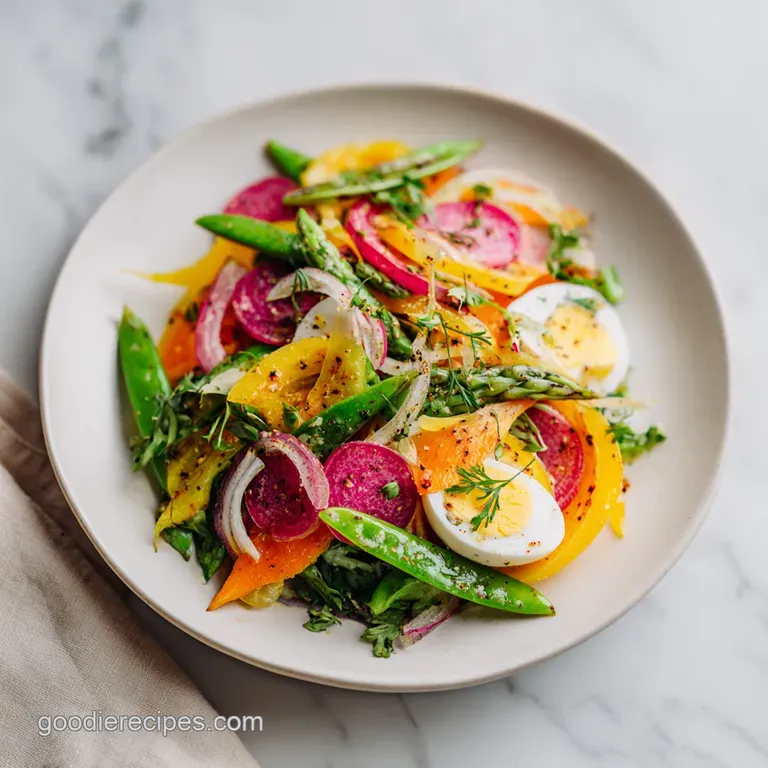
- Time: Active 20 minutes, Passive 2 minutes, Total 22 minutes
- Flavor/Texture Hook: Zesty, snap crisp, and velvety
- Perfect for: High precision meal prep or elegant spring luncheons
- Master the Spring Salad Recipe with Lemon Vinaigrette
- Science of the Seasonal Ingredients
- Essential Ingredients and Smart Substitutes
- Precise Tools for Best Results
- Step-By-Step Assembly and Technique
- Troubleshooting Texture and Flavor Errors
- Scaling Ratios for Large Groups
- Debunking Traditional Salad Preparation Myths
- Freshness Retention and Scraps Management
- Optimal Main Course Pairing Options
- Recipe FAQs
- 📝 Recipe Card
Master the Spring Salad Recipe with Lemon Vinaigrette
I remember the first time I tried to pull off a "simple" spring salad for a brunch party. I thought I could just toss raw peas and asparagus into a bowl with some oil and lemon and call it a day. The result?
A pile of fibrous, squeaky vegetables that tasted more like a lawn than a meal, and a dressing that separated into a greasy mess within three minutes. It was a humbling lesson in the chemistry of green vegetables and the physics of oil in-water emulsions.
Since then, I have treated salad construction like a lab experiment, focusing on how to lock in that vibrant chlorophyll green while ensuring the dressing actually clings to the leaves. We are moving away from the "toss and pray" method.
Instead, we'll use a 60 second blanch to denature enzymes that cause toughness and a specific maceration step for our shallots to neutralize harsh sulfur compounds.
This specific Spring Salad Recipe with Lemon Vinaigrette is about balance and precision. We are looking for that specific "shatter" from a fresh radish, the velvety finish of goat cheese, and a dressing that is chemically stable enough to coat every surface without pooling at the bottom of the bowl.
Once you understand the mechanism behind the "snap" and the "cling," you will never go back to lazy salads again.
The Science of the Snap
Enzymatic Inactivation: Brief immersion in boiling water (blanching) halts the enzymes responsible for textural breakdown and color loss in green vegetables. This process preserves the bright green hue by preventing the magnesium atom in chlorophyll from being replaced by hydrogen.
Sulfur Maceration: Soaking 15g minced shallots in 60ml lemon juice breaks down the strong thiosulfinates. This chemical reaction mellows the sharp "bite" of the onion family, leaving a sweet, complex aromatic base for your lemon vinaigrette.
Quick Decision: To Blanch or Not?
| Prep Method | Texture Result | Flavor Profile | Best For |
|---|---|---|---|
| Raw Veggies | Fibrous and squeaky | Grassy and sharp | Very young, tender shoots |
| 60 Second Blanch | Tender crisp (snap) | Sweet and concentrated | Standard English peas and asparagus |
| Over Boiled | Mushy and limp | Dull and sulfurous | Soups or purees only |
Understanding the difference between raw and blanched vegetables is the first step toward salad mastery. While raw vegetables offer a certain rustic appeal, the blanching process used in this recipe makes the nutrients more bio available and the texture far more pleasant for a refined palate.
Science of the Seasonal Ingredients
When selecting your components for this Spring Salad Recipe with Lemon Vinaigrette, think about the molecular interaction between fat, acid, and fiber. We aren't just looking for color; we are looking for structural integrity.
| Ingredient | Science Role | Pro Secret |
|---|---|---|
| Lemon Juice (60ml) | Acid/Denaturant | Use room temp lemons for 20% more juice yield. |
| Dijon Mustard (1 tsp) | Emulsifier | Contains mucilage that prevents the oil and acid from separating. |
| Extra Virgin Olive Oil (120ml) | Lipid Carrier | high-quality polyphenols add a peppery finish that cuts through the honey. |
| English Peas (150g) | Starch/Sugar Balance | Immediately shock in ice water to stop the cooking process. |
Maximizing Nutrient Absorption Efficiency
The inclusion of 120ml extra virgin olive oil isn't just for flavor; it is essential for absorbing fat soluble vitamins (A, D, E, and K) found in the baby arugula and asparagus. Without a high-quality lipid, your body misses out on the dense nutrient profile of these spring greens.
Non Wilting Structural Integrity
By using baby arugula (150g) as our base, we provide a peppery bite that holds up better than butter lettuce. However, even the heartiest greens will wilt if the dressing's osmotic pressure is too high.
This is why we add the 0.25 tsp sea salt to the dressing first, allowing it to dissolve completely before it touches the leaves.
Molecularly Balanced Flavor Profiles
The 0.5 tsp honey acts as a bridge between the sharp 60ml lemon juice and the 50g crumbled goat cheese. It doesn't make the salad "sweet," but rather rounds out the aggressive acidity, creating a more sophisticated flavor profile on the tongue.
Essential Ingredients and Smart Substitutes
The success of this Spring Salad Recipe with Lemon Vinaigrette relies on the freshness of the produce, but I know that seasonal availability can be a headache. Here is the breakdown of what you need and how to swap if necessary.
- Freshly squeezed lemon juice (60ml): Mandatory for the bright, non metallic acidity.
- Substitute: Champagne vinegar (50ml). Why this? Offers a similarly light, floral acidity without the citrus notes.
- Extra virgin olive oil (120ml): Provides the velvety mouthfeel and peppery base.
- Substitute: Avocado oil. Why this? Neutral flavor with the same high fat content for emulsification.
- Fresh English peas (150g): The star of the spring season.
- Substitute: Frozen petite pois. Why this? They are flash frozen at peak ripeness, preserving sugar content better than "old" fresh peas.
- Baby arugula (150g): Adds a spicy, peppery kick.
- Substitute: Baby spinach. Why this? Note: Spinach is milder and will change the peppery profile of the dish.
- Fresh asparagus (200g): Provides the necessary crunch and height.
- Substitute: Snap peas (sliced lengthwise). Why this? Offers the same structural "snap" and sweetness.
- Crumbled goat cheese (50g): Adds a creamy, tangy fat component.
- Substitute: Feta cheese. Why this? Saltier and firmer, but still provides that necessary acidic dairy tang.
Precise Tools for Best Results
You don't need a lab, but a few specific tools will ensure your lemon vinaigrette is perfectly emulsified and your vegetables are cut with precision.
- Small Glass Jar with Lid: For the most efficient emulsification. Shaking the dressing creates a more stable suspension than whisking in an open bowl.
- Mandoline Slicer: Essential for the 5 medium radishes and Persian cucumber. We want "shatter thin" slices, about 1mm, which is nearly impossible with a standard chef's knife.
- Large Ice Bath: A bowl filled with 50% ice and 50% water. This is non negotiable for the "snap" blanching technique.
- Microplane: For the 1 tbsp finely grated lemon zest. You want the aromatic oils from the yellow flavedo, not the bitter white pith.
step-by-step Assembly and Technique
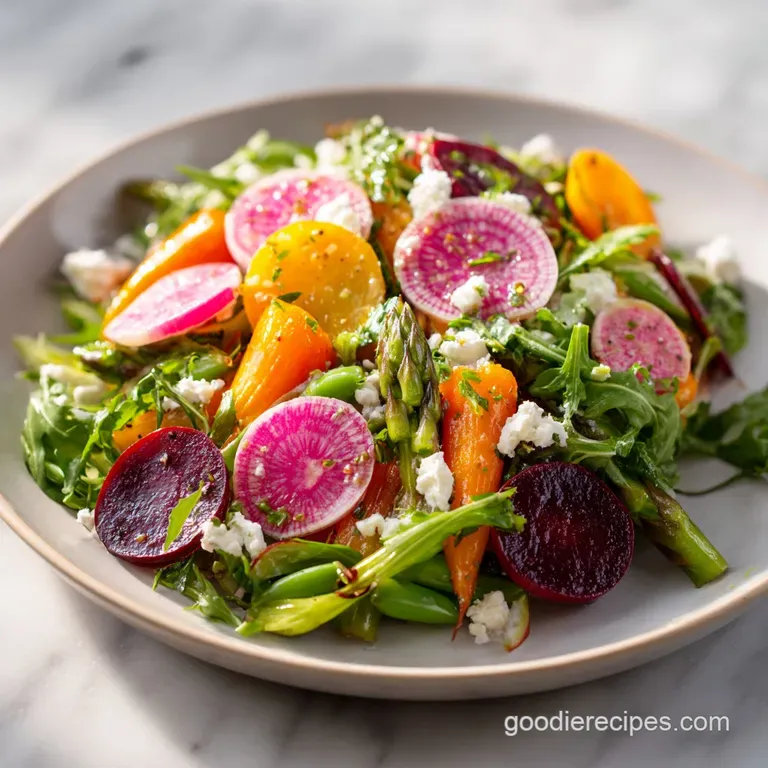
This is where the science meets the plate. Follow these steps exactly to avoid the "swampy salad" syndrome I struggled with for years.
1. Macerate the Aromatic Shallots
Combine the 60ml lemon juice, 1 tbsp lemon zest, and 15g minced shallot in your glass jar. Let this sit for 10 minutes. Note: The acid in the lemon juice begins to "cook" the shallots, removing the raw onion burn.
2. The 60 Second Snap Blanch
Bring a small pot of salted water to a boil. Add the 150g English peas and 200g asparagus (cut into 2cm pieces) for exactly 60 seconds until the color turns a neon, electric green. Immediately plunge them into the ice bath to halt the thermal carryover.
3. Emulsify the Dressing Components
To your lemon and shallot mixture, add 1 tsp Dijon mustard, 0.5 tsp honey, 0.25 tsp sea salt, and 0.25 tsp cracked black pepper. Pour in the 120ml extra virgin olive oil. Secure the lid and shake vigorously for 30 seconds until the liquid becomes opaque and slightly thickened.
4. Build the Salad Architecture
In a large chilled bowl, layer the 150g baby arugula, followed by the blanched (and dried!) peas and asparagus. Add the thinly sliced radishes and Persian cucumber. Note: Ensuring the blanched vegetables are bone dry prevents the dressing from sliding off.
5. Apply Final Finishing Touches
Toss the greens with about half of the lemon vinaigrette. Add the 30g raw pepitas, 0.25 cup torn fresh mint and dill, and 50g crumbled goat cheese. Gently fold together to avoid bruising the herbs or smashing the cheese.
Troubleshooting Texture and Flavor Errors
Even with a scientific approach, variables like the age of your olive oil or the sugar content of your peas can shift the balance. If you are struggling with a similar consistency to what we see in our Artichoke Dip recipe, you may need to adjust your emulsification.
Solutions for Wilted Leaves
If your arugula looks like it's melting, it's usually a result of dressing the salad too early. The salt in the vinaigrette draws water out of the cell walls via osmosis, leading to collapse. Always dress within 5 minutes of serving.
Fix Overly Sour Dressings
Sometimes lemons are more acidic than expected. If the 60ml of juice is overpowering the dish, do not add more honey, as this can make the salad cloying. Instead, add a pinch of salt and another tablespoon of olive oil to increase the fat to acid ratio.
Dietary and Allergen Modifications
For those avoiding dairy, the goat cheese provides a necessary fatty tang. You can swap this for avocado slices sprinkled with a little sea salt. If you need a nut free option, the pepitas (pumpkin seeds) are already safe, but make sure they are toasted for maximum crunch.
| Problem | Root Cause | Solution |
|---|---|---|
| Dressing Separates | Lack of emulsifier | Add an extra 0.5 tsp of Dijon mustard and shake again. |
| Veggies are Bitter | Over blanching | Reduce blanching time to 45 seconds; check water salinity. |
| Salad is Watery | Wet vegetables | Use a salad spinner or pat veggies dry with a lint free towel. |
Common Mistakes Checklist
- ✓ Never use bottled lemon juice; the preservatives ruin the delicate spring flavors.
- ✓ Ensure the asparagus ends are snapped at their natural breaking point to avoid woodiness.
- ✓ Don't skip the ice bath; the carryover heat will turn your peas grey.
- ✓ Avoid over mixing once the goat cheese is added to keep the dressing clear.
- ✓ Toast the pepitas for 2 minutes in a dry pan for a deeper, nutty aroma.
Scaling Ratios for Large Groups
When you need to feed a crowd, scaling this Spring Salad Recipe with Lemon Vinaigrette isn't as simple as multiplying everything by four.
If you are scaling DOWN to a single serving, use a small whisk instead of a jar for the dressing, as 15ml of lemon juice doesn't provide enough volume for a jar shake to be effective. Reduce the blanching time by 10 seconds since the smaller volume of vegetables will cool faster in the ice bath.
When scaling UP for a party (8-12 people), do not triple the salt or pepper immediately. Start with 1.5x the seasonings and taste test. The surface area of the greens increases exponentially, and it is very easy to over salt.
Also, blanch the vegetables in batches to ensure the water temperature doesn't drop too significantly, which would result in longer cook times and duller colors.
Much like the method used in my quinoa salad with recipe, you can prep the components ahead of time, but keep them separate until the very last second.
Debunking Traditional Salad Preparation Myths
One persistent myth is that you should always use a 3 to-1 oil to vinegar ratio. For a Spring Salad Recipe with Lemon Vinaigrette, this ratio is often too heavy. We use a 2 to-1 ratio (120ml oil to 60ml juice) because the freshness of spring vegetables needs more acidity to cut through the natural sweetness of the peas.
Another common misconception is that "massaging" the greens is always better. While this works for kale, it is a disaster for baby arugula. Arugula's cell structure is delicate; massaging it breaks the vacuole membranes and releases enzymes that turn the leaves bitter and soggy within minutes.
Freshness Retention and Scraps Management
Storage: The lemon vinaigrette can be stored in the fridge for up to 7 days. If the olive oil solidifies, simply let it sit at room temperature for 15 minutes and shake well.
The assembled salad (without dressing) will stay crisp in an airtight container for 2 days if you place a dry paper towel over the greens to absorb excess moisture.
Zero Waste: Don't throw away the woody asparagus ends! I freeze them in a bag with other vegetable scraps. Once I have a full bag, I boil them down to create a base for a seasonal vegetable stock. You can also use the leftover radish tops in a pesto or sauté them with a bit of garlic.
Optimal Main Course Pairing Options
This salad is designed to be a bright, acidic counterpoint to richer proteins. It's the perfect side for a Lemon Herb Chicken recipe or a piece of seared salmon. The lemon notes in the dressing harmonize beautifully with any dish featuring garlic or white wine.
If you want to turn this into a Filling Salad Recipe for a main meal, I suggest adding 150g of cooked quinoa or some grilled shrimp. The pepitas and goat cheese provide a decent protein base (9.2g per serving), but a little extra lean protein makes it a complete, scientifically balanced dinner.
Trust me, the combination of the peppery arugula and the creamy cheese is the ultimate spring flavor profile.
Recipe FAQs
Should I blanch the asparagus and peas, or can I serve them completely raw?
Yes, blanching is highly recommended for optimal texture. A 60-second blanch in boiling water halts the enzymes that cause fibrousness and color loss, locking in that vibrant green hue and "snap." Shocking them immediately in an ice bath stops the cooking process perfectly.
How do I prevent the lemon vinaigrette from separating into oil and acid layers quickly?
Incorporate Dijon mustard as your primary emulsifier. The mustard contains mucilage that helps suspend the oil droplets within the acid, creating a stable emulsion. Shaking vigorously in a sealed jar for 30 seconds works better than whisking.
Can I substitute the fresh lemon juice with bottled juice for convenience?
No, bottled juice is strongly discouraged for this recipe. Freshly squeezed lemon juice provides the bright, non-metallic acidity required to properly macerate the shallots and balance the final dressing profile.
How to incorporate the goat cheese without making the entire salad mushy?
Fold the goat cheese in last, gently, after the initial toss. You want to add the cheese and soft herbs after the initial combination of the greens and dressing to maintain its crumbly structure and prevent it from dissolving.
Is it true that massaging baby arugula helps soften the leaves?
No, this is a common misconception that ruins delicate greens. Massaging kale works well, but applying pressure to baby arugula releases bitter enzymes and causes immediate wilting; dress it lightly and serve immediately.
What is the best way to prepare the shallots to avoid a harsh, raw onion flavor?
Macerate the minced shallots in the lemon juice for 10 minutes before adding oil. The acid denatures the harsh thiosulfinates in the shallot, mellowing its bite significantly while adding aromatic complexity to your dressing base.
If I need to make this ahead of time, how long can I store the components before assembly?
Prep the dressing and store it separately for up to 7 days. The blanched vegetables can be shocked and refrigerated for 1 day, but always dress the salad components right before serving to maintain structural integrity and crunch.
Simple Spring Salad With Vinaigrette
Ingredients:
Instructions:
Nutrition Facts:
| Calories | 382 kcal |
|---|---|
| Protein | 9.2 g |
| Fat | 33.7 g |
| Carbs | 14.4 g |
| Fiber | 4.5 g |
| Sugar | 3.8 g |
| Sodium | 185 mg |
