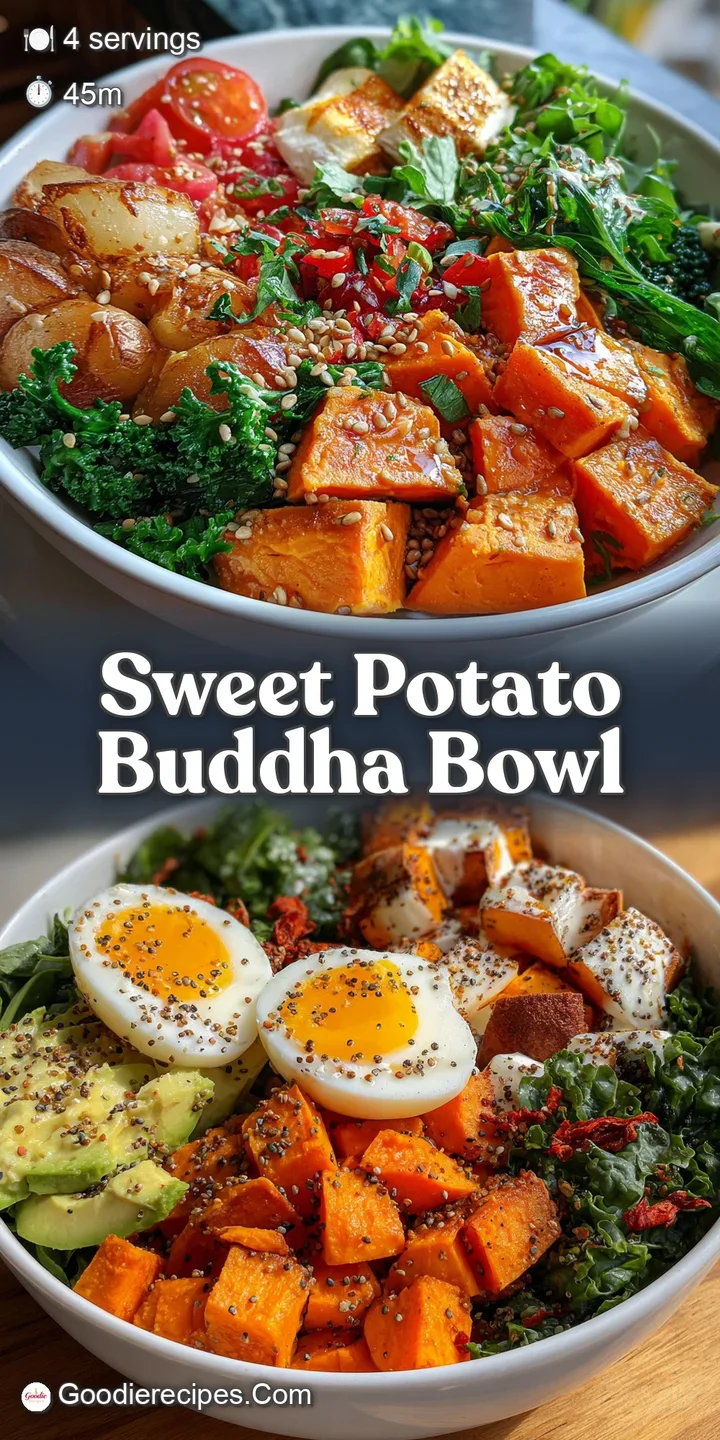
Sweet Potato Buddha Bowl
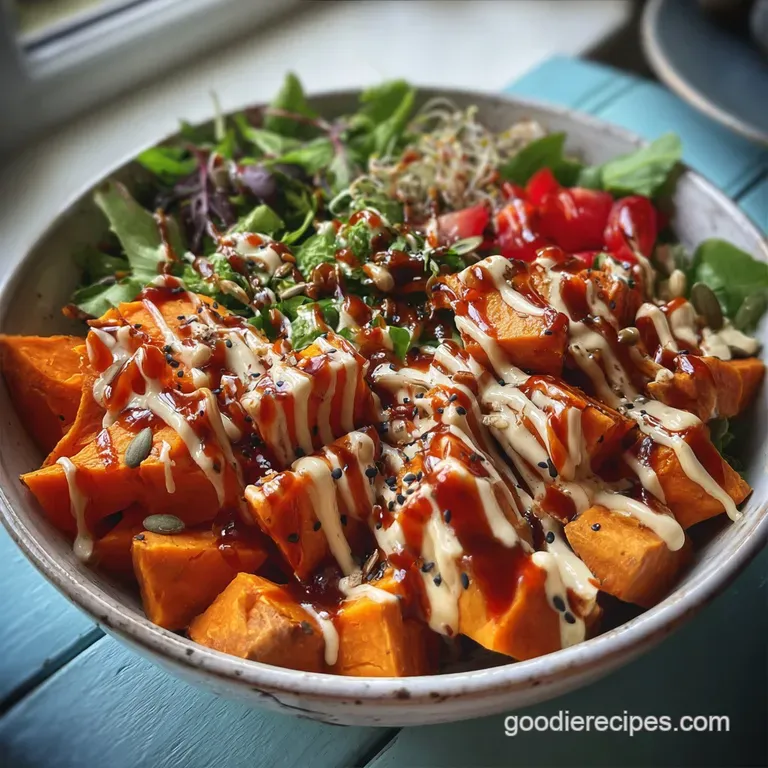
- Time: Active 15 minutes, Passive 30 minutes, Total 45 minutes
- Flavor/Texture Hook: Earthy, nutty, and vibrant with a crispy to creamy gradient
- Perfect for: High performance meal prep and efficient weeknight dinners
- Efficiency Tips for Your Sweet Potato Buddha Bowl
- Precise Specs for Consistent Results
- Sourcing Top Tier Bowl Ingredients
- Kitchen Tools for Preparation Efficiency
- Step-by-Step Bowl Construction Guide
- Solving Texture and Flavor Imbalances
- Customizing Flavors and Nutrient Profiles
- Storage and Zero Waste Strategies
- Ideal Pairings for Your Meal
- Kitchen Myths Debunked
- Recipe FAQs
- 📝 Recipe Card
Efficiency Tips for Your Sweet Potato Buddha Bowl
The aroma of smoked paprika hitting a hot sheet pan is a sensory signal that dinner is moving in the right direction. I remember my first attempt at this dish, where I made the mistake of crowding the sweet potatoes on a small tray.
Instead of roasting, they steamed in their own moisture, resulting in a soggy, pale mess that lacked any structural integrity. It was a lesson in the thermodynamics of air circulation that I've never forgotten.
We are aiming for a specific structural contrast here. The goal is to achieve a caramelized exterior on the sweet potato while keeping the center tender and light. By utilizing high heat and precise ingredient ratios, we can transform simple plant based staples into a meal that feels architecturally sound and nutritionally complete.
This recipe focuses on the synergy between roasted, raw, and cooked elements. You will find that the dressing isn't just a topping; it acts as a chemical bridge, emulsifying the fats from the tahini and avocado with the acidity of the lemon to unite the bowl.
Let's look at how to optimize every step for maximum efficiency and flavor.
Precise Specs for Consistent Results
Starch Gelatinization: Quinoa absorbs water and swells at 212°F (100°C), breaking down its outer shell to create a fluffy, digestible texture.
Maillard Reaction: At 425°F (220°C), the sugars in the sweet potato react with amino acids, creating that signature brown crust and deep, complex flavor profile.
- Surface Area Optimization: Cutting potatoes into exact 1 inch cubes ensures they cook through just as the exterior reaches peak caramelization.
- Thermal Conductivity: Using a preheated dark metal baking sheet transfers heat faster than glass, resulting in a superior "shatter" on the chickpea skins.
- Cellular Breakdown: Massaging kale with fat and acid breaks down the fibrous cellulose, making it tender without the need for heat.
- Emulsification Stability: Slowly adding liquid to tahini prevents the proteins from clumping, ensuring a smooth, velvety sauce.
| Roast Depth | Internal Temp | Rest Time | Visual Cue |
|---|---|---|---|
| Standard | 205°F | 2 minutes | Soft with golden edges |
| Crispy/Firm | 210°F | 5 minutes | Deep amber, slight shrinkage |
| Extra Char | 215°F | 5 minutes | Dark brown edges, crispy skin |
The difference between a "good" roast and a "great" one often comes down to the temperature of your oven before the tray even enters. Most home ovens are inaccurate; using a standalone thermometer can save you from the frustration of under caramelized vegetables.
Sourcing Top Tier Bowl Ingredients
Choosing the right components is about understanding their chemical contributions. For instance, choosing curly kale over Lacinato provides more surface area for the dressing to cling to, though it requires more mechanical breakdown (massaging) to become palatable.
| Component | Science Role | Pro Secret |
|---|---|---|
| Sweet Potato | Complex carbohydrate/Sugar source | Leave skins on for fiber and a crispier texture |
| Quinoa | Complete protein/Starch base | Toast the dry grain for 2 minutes before adding liquid |
| Tahini | Fat based emulsifier | Use "runny" tahini for a smoother, less bitter finish |
Below are the items required for this build. Precision in measurement is key for maintaining the nutrient density and flavor balance.
- 2 large sweet potatoes (approx. 800g), cubed into 1 inch pieces
- 1 can (15 oz / 425g) chickpeas, drained and rinsed
- 2 tbsp (30ml) extra virgin olive oil Why this? High smoke point and rich polyphenols for flavor.
- 1 tsp (5g) smoked paprika
- 1/2 tsp (2.5g) garlic powder
- 1/2 tsp (3g) sea salt
- 1 cup (185g) uncooked quinoa
- 2 cups (475ml) vegetable broth Why this? Adds more depth than plain water.
- 4 cups (120g) curly kale, de stemmed and torn
- 1/3 cup (80g) creamy tahini
- 1 tbsp (15ml) maple syrup
- 1 lemon, juiced
- 1 large avocado, sliced
- 1/4 cup (35g) pumpkin seeds
- 1/2 cup (60g) red cabbage, shredded
Roasted Component Base
The sweet potatoes and chickpeas form the heart of the bowl. By roasting them together, the fat from the oil coats both, allowing the spices to bloom in the oven's heat. This is very similar to how we achieve the crunch in this Healthy Homemade Roasted recipe.
Grain and Green Foundation
Quinoa serves as our protein rich base. When cooked in vegetable broth, the grains absorb savory notes that plain water can't provide. The kale provides the necessary "bitter" counterpoint to the sweetness of the potatoes.
Golden Tahini Sauce Details
This sauce is a chemical emulsion. The lemon juice acts as the acid, while the maple syrup balances the natural bitterness of the sesame seeds.
Fresh Topping Selections
Avocado adds the necessary "velvety" fat, while red cabbage and pumpkin seeds provide a mechanical "crunch" that contrasts with the softer quinoa.
Kitchen Tools for Preparation Efficiency
Efficiency in the kitchen depends on using tools that maximize heat transfer and minimize prep time. A large, rimmed baking sheet (half sheet size) is essential; if the pan is too small, your vegetables will steam rather than roast.
For the grains, a heavy bottomed saucepan is vital to prevent scorching. The thick base distributes heat evenly, allowing the quinoa to absorb liquid at a steady rate. If you find your grains are consistently sticking, you might be using a pot that is too thin.
Chef's Tip: Freeze your lemon for 10 minutes before juicing. This breaks down the internal membranes, allowing you to extract significantly more juice with less effort.
step-by-step Bowl Construction Guide
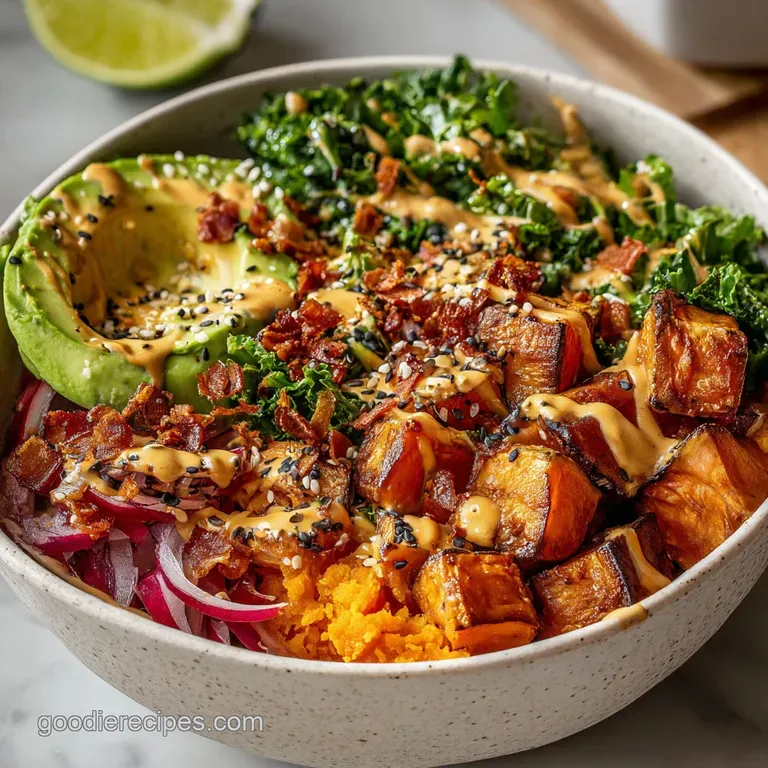
- Preheat oven. Set your oven to 425°F (220°C). Note: A high temperature is required to trigger the Maillard reaction quickly.
- Prep potatoes. Toss 800g cubed sweet potatoes and 425g chickpeas with 30ml olive oil, 5g smoked paprika, 2.5g garlic powder, and 3g sea salt.
- Roast tray. Spread the mixture on a large baking sheet and bake for 30 minutes until sweet potatoes are tender and chickpeas are crispy.
- Cook quinoa. Combine 185g quinoa and 475ml vegetable broth in a pot. Bring to a boil, then cover and simmer for 15 minutes until liquid is absorbed and grains are translucent.
- Steam kale. Place 120g torn kale in a bowl with a splash of lemon juice and a pinch of salt. Massage for 2 minutes until leaves look dark green and feel supple.
- Whisk sauce. Combine 80g tahini, 15ml maple syrup, and the remaining lemon juice. Note: If too thick, add water 1 teaspoon at a time until it reaches a pourable consistency.
- Shred cabbage. Finely slice 60g red cabbage. Note: Thin ribbons provide a better "snap" in the final dish.
- Slice avocado. Halve the avocado and create thin, even slices for uniform distribution of healthy fats.
- Assemble base. Divide the fluffy quinoa and massaged kale among four bowls.
- Layer toppings. Add the roasted potatoes, chickpeas, cabbage, and avocado. Drizzle with tahini sauce and scatter 35g pumpkin seeds over the top.
Solving Texture and Flavor Imbalances
The most common failure in a Sweet Potato Buddha Bowl is a lack of textural variety. If everything is soft, the palate becomes fatigued. The solution is usually found in the roasting technique or the mechanical prep of the greens.
Crunchy Chickpea Troubleshooting
If your chickpeas come out chewy instead of crispy, it is almost always due to residual moisture. Water on the surface of the chickpea creates steam, which prevents the skin from crisping up. Always pat them dry with a clean towel after rinsing.
Fixing Seized Tahini
When you add lemon juice to tahini, it often seizes up into a thick, dry paste. This is a natural reaction of the sesame proteins to the acid. Don't panic; simply whisk in a small amount of warm water. The sauce will eventually break and then smooth out into a silky emulsion.
Preventing Discolored Potatoes
Sweet potatoes can sometimes develop greyish spots after roasting if they are left to sit in a humid environment. To keep them vibrant orange, remove them from the baking sheet immediately after roasting to allow steam to escape.
| Problem | Root Cause | Solution |
|---|---|---|
| Soggy Sweet Potatoes | Overcrowding the pan | Use two trays or a larger sheet pan for air flow |
| Bitter Tahini | Low quality or old tahini | Add an extra teaspoon of maple syrup to balance |
| Mushy Quinoa | Excessive liquid ratio | Use a 1:2 ratio exactly and fluff with a fork |
Common Mistakes Checklist
- ✓ Pat chickpeas completely dry before seasoning to ensure a shatter crisp skin.
- ✓ Preheat your baking sheet for 5 minutes before adding the vegetables.
- ✓ Don't skip the kale massage; it is the difference between "raw grass" and tender greens.
- ✓ Rinse quinoa under cold water for 60 seconds to remove bitter saponins.
- ✓ Let the roasted vegetables rest for 3 minutes off the pan to firm up.
Customizing Flavors and Nutrient Profiles
This recipe is highly adaptable depending on your caloric needs or flavor preferences. If you are looking for a more "Thai Sweet Potato Buddha Bowl" vibe, you can swap the tahini for a peanut based sauce and add fresh cilantro.
| Original Ingredient | Substitute | Why It Works |
|---|---|---|
| Quinoa (185g) | Cauliflower Rice (4 cups) | Reduces carbs significantly. Note: Texture will be much softer. |
| Tahini (80g) | Almond Butter (80g) | Similar fat profile but adds a distinct nutty sweetness. |
| Pumpkin Seeds | Crushed Peanuts | Increases the "snap" and fits a Thai inspired profile. |
- If you want more protein, add 4oz of pan seared tofu or extra chickpeas.
- If you want it low carb, replace the quinoa with a base of spinach or roasted cauliflower.
- If you want it spicy, add 1 tsp of red pepper flakes to the roasting tray.
This bowl is excellent for those following a Chicken Meal Prep recipe philosophy, as the components hold up incredibly well over several days without losing their structural integrity.
Storage and Zero Waste Strategies
To maximize the lifespan of your Potato Buddha Bowl, store the components separately. Moisture is the enemy of texture; if you store the dressing on the kale, it will become overly wilted by the second day.
- Fridge: Store roasted vegetables and quinoa in airtight containers for up to 5 days. Keep the dressing in a glass jar.
- Freezer: Quinoa and roasted sweet potatoes freeze well for up to 3 months. Chickpeas lose their crunch once frozen, so they are best eaten fresh.
- Zero Waste: Don't toss the kale stems! Finely dice them and sauté them with onions for a base in your next soup. The chickpea liquid (aquafaba) can be saved and whipped into a vegan mousse or used as an egg binder in baking.
Ideal Pairings for Your Meal
While this is a complete meal on its own, adding a fermented element can enhance the biological availability of the nutrients. A side of kimchi or sauerkraut provides probiotics that assist in breaking down the fiber from the beans and kale.
If you are serving this for a gathering, a light citrus based sparkling water or a dry kombucha cleanses the palate between the rich tahini and the earthy sweet potatoes. For those who enjoy a warm side, a simple miso soup provides a savory "umami" punch that complements the sweetness of the roasted root vegetables.
over High heat Roasting Benefits
Roasting at 425°F isn't just about speed; it's about the chemistry of the potato's exterior. The high heat forces the water out of the surface cells rapidly, allowing the sugars to caramelize before the interior becomes overcooked and mushy.
Thai Style Variation
By swapping the smoked paprika for ginger and the lemon for lime, you can pivot the entire flavor profile. Drizzle with a spicy peanut sauce instead of tahini to create a "Thai Sweet Potato Buddha Bowl" that hits all the salty, sweet, and spicy notes.
Increasing Protein Density
While 21g of protein is substantial, athletes may want more. Adding a quarter cup of hemp hearts or a side of edamame can push the protein count closer to 30g without significantly altering the flavor profile.
Kitchen Myths Debunked
Many believe that leaving quinoa to soak for hours is necessary for digestion. In reality, a thorough 60 second rinse under cold running water is sufficient to remove the bitter saponins that coat the seeds. Long soaking can actually lead to a "sprouted" texture that doesn't fluff as well.
Another myth is that "fats are bad" in a healthy bowl. The fats in the tahini and avocado are essential for the absorption of fat soluble vitamins (A, D, E, and K) found in the sweet potatoes and kale. Without these healthy fats, your body cannot efficiently process the nutrients you're consuming.
Finally, searing the sweet potatoes in a pan before roasting does not "lock in juices." The best way to keep them moist is to ensure they are coated in enough oil to create a barrier and roasting them at the correct temperature for the correct amount of time.
Moisture loss is inevitable, but proper timing preserves the "velvety" interior we crave.
Recipe FAQs
What are the 5 components of a buddha bowl?
A balanced buddha bowl typically includes: a base grain, a protein, roasted vegetables, raw or fresh vegetables, and a sauce or dressing. Some also add healthy fats like avocado or nuts. This ensures a variety of textures, flavors, and nutrients.
How to cook sweet potatoes for a buddha bowl?
Roast cubed sweet potatoes at 425°F (220°C) for 30 minutes until tender and slightly caramelized. Toss them with olive oil, smoked paprika, garlic powder, and salt before roasting to enhance their flavor and texture.
This high heat is crucial for achieving that perfect tender interior with slightly crispy edges.
Are buddha bowls actually healthy?
Yes, when thoughtfully constructed. They are packed with whole grains, lean proteins, and a variety of vegetables, offering essential vitamins, minerals, and fiber. The key is to balance nutrient dense ingredients and avoid excessive high calorie dressings.
What are some common buddha bowl mistakes?
Common mistakes include overcrowding the roasting pan, leading to steamed instead of roasted vegetables, and using a bland or unbalanced dressing. Another frequent error is not incorporating enough textural contrast, making the bowl monotonous.
Ensuring adequate seasoning and a variety of textures from crispy to creamy is vital.
Can I use different vegetables in my sweet potato buddha bowl?
Absolutely! While sweet potatoes are a delicious base, feel free to swap them out for other root vegetables like carrots or butternut squash, or incorporate cruciferous veggies like broccoli or Brussels sprouts. If you enjoy roasting vegetables, you might also like the techniques in our Lemon Herb Chicken and Potatoes: One-Pan Garlic Bake.
What is the role of the tahini dressing in a buddha bowl?
The tahini dressing acts as an emulsifier and flavor binder, bringing all the components together. Its creamy texture coats the other ingredients, while its nutty, slightly bitter flavor balances the sweetness of the potatoes and the earthiness of the grains.
It's a key component for creating a cohesive and satisfying flavor profile.
How do I ensure crispy chickpeas for my buddha bowl?
Pat the rinsed chickpeas completely dry with a towel before seasoning and roasting. Excess moisture will cause them to steam, resulting in a chewy texture rather than a crispy one. Roasting them on a preheated baking sheet also helps achieve that desired crunch.
Sweet Potato Buddha Bowl
Ingredients:
Instructions:
Nutrition Facts:
| Calories | 764 calories |
|---|---|
| Protein | 21g |
| Fat | 27g |
| Carbs | 94g |
| Fiber | 18g |
| Sugar | 12g |
| Sodium | 540mg |
