Tangzhong Dinner Rolls: Soft and Fluffy
- Time: Active 25 minutes, Passive 1 hours 50 mins, Total 2 hours 15 mins
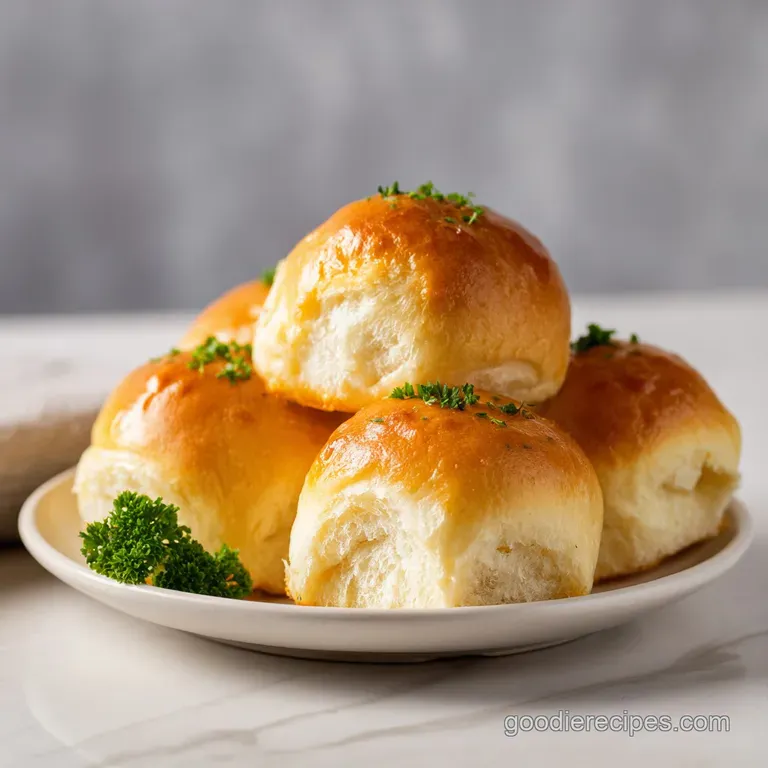
- Flavor/Texture Hook: Velvety, buttery crumb with a honey glazed top
- Perfect for: Sunday dinners, holiday feasts, or beginner bakers wanting a win
- Make-ahead: Shape dough up to 24 hours in advance and refrigerate
- Everything You Need for Soft Pillowy Homemade Dinner Rolls
- Why This Tangzhong Method Beats Every Other Bread Recipe
- The Molecular Magic of the Flour Roux
- The Essential Pantry Staples for Rich and Buttery Dough
- The Basic Kitchen Tools for Perfect Golden Brown Rolls
- Step by Step Guide to Shaping and Baking Your Rolls
- Common Dough Struggles and Simple Solutions for Better Baking
- Easy Ingredient Swaps for Healthier or Plant Based Rolls
- Best Practices for Keeping Your Bread Soft for Days
- Classic Family Favorites That Pair Best With Warm Rolls
- Recipe FAQs
- 📝 Recipe Card
Everything You Need for Soft Pillowy Homemade Dinner Rolls
The first time I tried making Dinner Rolls, I ended up with something closer to hockey pucks than bread. I remember pulling them out of the oven, knocking one against the counter, and hearing a literal "thud." My family politely chewed through them, but I knew I’d failed the carb load mission.
I was obsessed with finding that squishy, pull apart texture you get at high end bakeries, but every recipe I tried turned dry by the next morning.
Then I stumbled onto the "starter" secret. The second I pulled these specific rolls out of the oven, the aroma of toasted butter and sweet yeast filled every corner of my kitchen. When I tore one open, it didn't just break; it shredded into delicate, gossamer layers. I actually giggled.
It was the "aha" moment every home cook lives for. Now, I don't even look at other recipes. This is the one I text to my friends when they’re stressed about hosting Thanksgiving.
Trust me, once you see how that flour paste transforms a basic dough into something ethereal, you’ll never go back to the standard mix and dump method. We are going for a crumb so soft it feels like a hug for your soul, topped with a glaze that gives just a hint of sweetness. It’s a total mood shifter.
Why This Tangzhong Method Beats Every Other Bread Recipe
- Starch Gelatinization: Pre cooking flour and milk creates a roux that holds onto water molecules, preventing them from evaporating during the bake.
- Extended Shelf Life: Because the moisture is chemically "locked" in, these rolls stay soft for three days instead of turning into croutons by sunset.
- Structural Integrity: The starter allows the dough to rise higher and support more fat (butter) without becoming heavy or dense.
- Honey Hydration: Using honey instead of granulated sugar acts as a humectant, drawing moisture from the air into the finished roll.
| Goal | Internal Temp | Rest Time | Visual Cue |
|---|---|---|---|
| Soft Crumb | 190°F (88°C) | 15 minutes | Light golden top, bounces back when poked |
| Firm Crust | 200°F (93°C) | 5 minutes | Deep mahogany color, hollow sound when tapped |
| Pull Apart | 195°F (90°C) | 20 minutes | Sides look slightly pale but feel dry to touch |
Cooking is often about managing moisture, and this recipe is basically a masterclass in hydration. If you've ever made my Crescent Rolls recipe, you know I'm a stickler for texture, but these take "soft" to a whole new level.
The Molecular Magic of the Flour Roux
| Ingredient | Science Role | Pro Secret |
|---|---|---|
| Bread Flour | High protein (12-14%) creates the gluten "net" that traps air. | Use a scale; 1 cup can vary by 30 grams depending on how you scoop! |
| Instant Yeast | Fermentation gas producer that doesn't require "blooming" in water. | Keep it away from direct contact with salt, which can kill the yeast cells. |
| Whole Milk | Fats and lactose tenderize the crumb and aid in Maillard browning. | Use full fat milk for the richest flavor and most velvety mouthfeel. |
| Honey | Natural invert sugar that provides food for yeast and keeps bread moist. | Lightly grease your measuring cup so the honey slides right out. |
It is a common mistake to think all flour is created equal. For these rolls, you really want that high protein bread flour. It gives the dough the "muscle" it needs to expand without collapsing, which is how we get that signature height.
The Essential Pantry Staples for Rich and Buttery Dough
For the Tangzhong (Starter): 3 tbsp (25g) Bread Flour Why this? The base for our moisture locking roux. 2 tbsp (30ml) Water Why this? thins the roux for even heating. 4 tbsp (60ml) Whole Milk Why this? Adds fat for a richer
starter.
For the Main Dough: 3 ½ cups (450g) Bread Flour Why this? Provides the structure for a high rise. 1/4 cup (60ml) Honey Why this? Sweetness plus moisture retention. 1 packet (7g) Instant Yeast Why this? Fast acting and
reliable rise. 1 tsp (6g) Fine Sea Salt Why this? Tightens gluten and balances sweetness. 1/2 cup (120ml) Warm Milk (100°F) Why this? Activates yeast without killing it. 1 Large Egg (Room temperature) Why
this? Adds structure and a golden interior. 4 tbsp (56g) Unsalted Butter, softened Why this? Creates the "short" flaky texture.
For the Finishing Glaze: 1 tbsp Melted Butter 1 tsp Honey Flaky Sea Salt
Chef's Tip: Freeze your butter for 10 minutes, then grate it into the dough if you're mixing by hand. This ensures even distribution without overworking the dough and melting the fat prematurely.
The Basic Kitchen Tools for Perfect Golden Brown Rolls
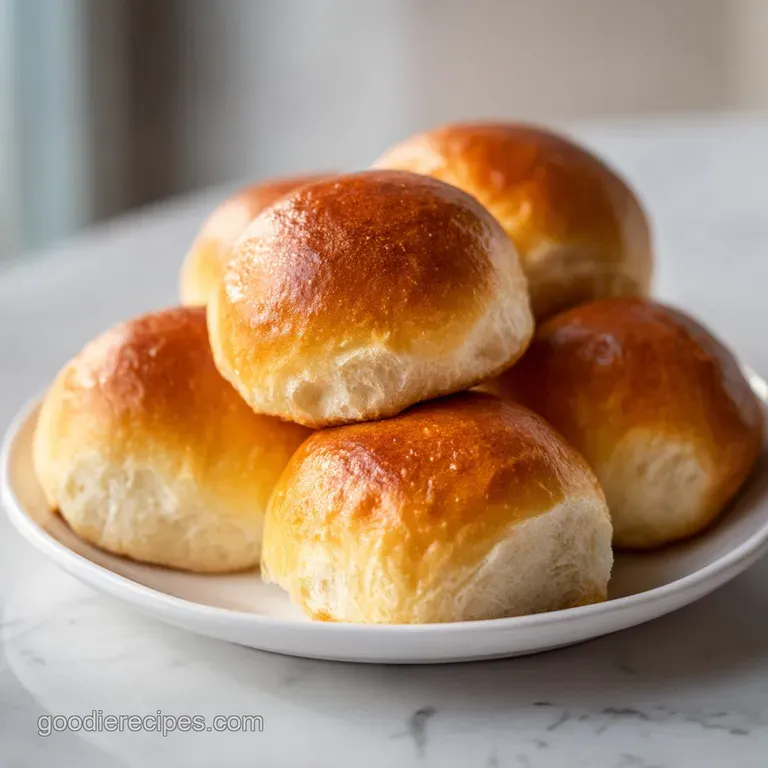
You don't need a professional bakery to pull this off, but a few specific items make life much easier. A digital kitchen scale is the difference between "maybe this will work" and "this is guaranteed." Measuring flour by volume (cups) is notoriously inaccurate because of how much the flour settles.
If you have a stand mixer with a dough hook, use it. It saves your arms from 10 minutes of intense kneading. However, if you're kneading by hand, just think of it as your workout for the day.
You’ll also need a 9x13 inch baking pan (glass or metal works, but metal browns the bottoms better) and a pastry brush for that final, shimmering honey butter coat.
step-by-step Guide to Shaping and Baking Your Rolls
Create the Roux (Tangzhong)
Whisk the 3 tbsp flour, 2 tbsp water, and 4 tbsp milk in a small saucepan over medium low heat. Stir constantly for about 2 minutes until a thick, translucent paste forms. It should look like mashed potatoes.
Remove from heat and let it cool for 5 minutes so it doesn't scramble your egg later.
The Master Mix
In your mixer bowl, combine the bread flour, yeast, and sea salt. Give it a quick stir. Add the warm milk (make sure it's not over 110°F!), honey, the room temperature egg, and your cooled Tangzhong paste.
Knead to Perfection
Mix on low until a shaggy dough forms. Add the softened butter one tablespoon at a time. Increase speed to medium and knead for 8 to 10 minutes until the dough is smooth, elastic, and clears the sides of the bowl. It should feel tacky but not stick to your clean finger.
First Rise & Shaping
Place the dough in a greased bowl, cover with a damp cloth, and let it sit in a warm spot for 60 minutes until doubled in size. Once risen, punch the dough down to release the air. Divide into 15 equal pieces (about 60g each if you're using a scale).
Final Proof & Bake
Roll each piece into a tight ball by cupping your hand over it and moving in a circular motion on the counter. Place them in a greased 9x13 pan. Cover and let rise for another 45 minutes until they look puffy and are touching each other.
Preheat your oven to 350°F (180°C).
The Golden Finish
Bake for 18 to 20 minutes until the tops are a deep, shimmering golden brown. While they're hot, whisk the melted butter and honey together and brush liberally over the rolls. Sprinkle with flaky salt and let them sit for at least 10 minutes before eating.
The carryover heat finishes the "set" of the crumb.
Common Dough Struggles and Simple Solutions for Better Baking
Why Your Dinner Rolls Feel Heavy
If your rolls come out like stones, the culprit is usually one of two things: dead yeast or too much flour. If your milk was too hot, it killed the yeast. If you measured your flour with a heavy hand, the dough didn't have enough moisture to create steam and lift. Always use a scale if you can!
The Dough is Too Sticky to Handle
Don't panic and dump a cup of flour in! This dough is supposed to be slightly tacky because of the high hydration. If it’s truly unmanageable, grease your hands with a little vegetable oil or room temperature butter instead of adding more flour. This keeps the rolls light while letting you shape them easily.
| Problem | Root Cause | Solution |
|---|---|---|
| No Rise | Water/Milk too hot | Use a thermometer; keep liquids under 110°F |
| Tough Crust | Over baking | Check internal temp at 18 minutes (aim for 190°F) |
| Pale Tops | Low oven temp | Ensure rack is in middle; use an oven thermometer |
Common Mistakes Checklist
- ✓ Never skip the Tangzhong cooling step (hot roux kills yeast).
- ✓ Don't rush the second rise; this is where the "fluff" happens.
- ✓ Avoid adding extra flour during shaping; use oil on your hands instead.
- ✓ Brush the butter on while the rolls are screaming hot for maximum absorption.
- ✓ Let them rest for 10 minutes post bake to stabilize the internal structure.
Easy Ingredient Swaps for Healthier or Plant Based Rolls
| Original Ingredient | Substitute | Why It Works |
|---|---|---|
| Whole Milk | Oat Milk (Full fat) | High protein and fat content mimics dairy well. |
| Honey | Maple Syrup | Similar sugar profile. Note: Adds a slight woody flavor. |
| Unsalted Butter | Vegan Butter Sticks | Provides the fat needed for a tender crumb. |
If you're looking for something that works as a side for a Chicken Meal Prep recipe, you can even swap out 1 cup of the bread flour for whole wheat flour. Just be aware that it will make the rolls slightly nuttier and a bit more dense.
Best Practices for Keeping Your Bread Soft for Days
Storage: Once completely cool, keep these in an airtight bag or container at room temperature for up to 3 days. Do not put them in the fridge! The refrigerator actually accelerates the staling process (retrogradation) by drawing moisture out of the starch.
Freezing: These freeze beautifully. Wrap the cooled rolls individually in plastic wrap, then place them in a freezer bag for up to 2 months. To reheat, let them thaw at room temp, then pop them in a 300°F (150°C) oven for 5 minutes to restore the "just baked" sizzle.
Zero Waste: If you have rolls that finally did go stale after 4 or 5 days, don't toss them! They make the most incredible French toast or bread pudding. Because they're so rich in butter and honey, they caramelize like a dream in a hot pan.
Classic Family Favorites That Pair Best With Warm Rolls
These rolls are the ultimate "sopper." You need something with a sauce or a broth that can be soaked up by that velvety crumb. I love serving these alongside a big, steaming bowl of Lasagna Soup Recipe. The tomato base and melted cheese are the perfect foil for a slightly sweet, buttery roll.
If you’re doing a more traditional Sunday roast, they are a requirement for herb roasted chicken or a slow cooked pot roast. The way the gravy interacts with the honey glaze on the roll is something I think about far too often. Honestly, though?
Sometimes I just eat two of them standing at the kitchen counter with an extra smear of salted butter. No judgment here.
Decision Shortcut
- If you want Maximum Fluff, let the second rise go until they look almost "over puffed."
- If you want Dinner Roll Sliders, make the balls smaller (40g) and bake for only 15 minutes.
- If you want Savory Rolls, skip the honey glaze and top with garlic butter and rosemary.
The Fresh vs. Shortcut Reality
| Feature | Homemade Tangzhong | store-bought Brown & Serve |
|---|---|---|
| Texture | Shred able, moist layers | Spongy and often dry |
| Aroma | Yeasty, sweet, and buttery | Mildly chemical or bland |
| Longevity | Stays soft for 72 hours | Hardens within 4-6 hours |
Bread baking can feel intimidating, but this specific method is very forgiving. Even if your shaping isn't "perfect" and the balls look a little lopsided, the science of the Tangzhong will ensure they taste better than anything you can find in a plastic bag at the grocery store.
Just remember to breathe, enjoy the feel of the dough, and don't skimp on that final brush of honey butter!
Recipe FAQs
What are the 4 ingredients in easy dinner rolls?
Flour, yeast, liquid (milk/water), and salt are the fundamental four, though most rich recipes like this one also use fat (butter) and a sweetener (honey). This recipe uses the Tangzhong method which requires a small starter paste of flour and liquid.
Which are the best dinner rolls?
Rolls made using the Tangzhong (water roux) method are arguably the softest. This technique pre-cooks a small portion of flour to lock in moisture, keeping the crumb incredibly tender and fresh for days. If you enjoyed mastering the texture control here, the same principle of moisture management works in our French Fries Recipe for perfect crispiness.
What is a dinner roll?
A dinner roll is a small, soft, single serving yeast bread, typically served as a side dish with a main meal. They are enriched with fat and sugar, making them softer and slightly sweeter than standard sandwich bread.
What makes dinner rolls different from standard bread?
Dinner rolls are generally more enriched with higher ratios of fat (butter) and sweeteners (honey/sugar). This enrichment tenderizes the gluten structure, resulting in a much softer, fluffier crumb that stays fresh longer compared to leaner loaves.
How can I ensure my homemade rolls are soft the next day?
Use the Tangzhong starter method to chemically lock in hydration. This prevents the starches from rapidly crystallizing overnight, which causes staleness. Do not store the finished rolls in the refrigerator, as cold temperatures speed up this staling process.
Should I knead dinner roll dough longer than regular bread dough?
No, kneading must stop precisely when the dough is smooth and passes the windowpane test, usually around 8 10 minutes with a stand mixer. Over kneading, especially in enriched doughs, can develop the gluten too much, leading to tough rather than tender rolls. If you enjoyed developing the structure here, see how we manage dough development for a different texture in our Cheesy Pasta Dinner recipe.
What temperature should the milk be when adding yeast?
The liquid should be between 100°F and 110°F (38°C to 43°C). If the liquid is much cooler, the yeast will activate too slowly; if it’s hotter than 120°F, you risk killing the yeast entirely, resulting in a flat, dense roll.
Tangzhong Dinner Rolls Recipe
Ingredients:
Instructions:
Nutrition Facts:
| Calories | 178 kcal |
|---|---|
| Protein | 4.9 g |
| Fat | 5.1 g |
| Carbs | 28.9 g |
| Fiber | 1.1 g |
| Sugar | 6.2 g |
| Sodium | 168 mg |
