Silky Garlic Rosemary Mashed Potatoes
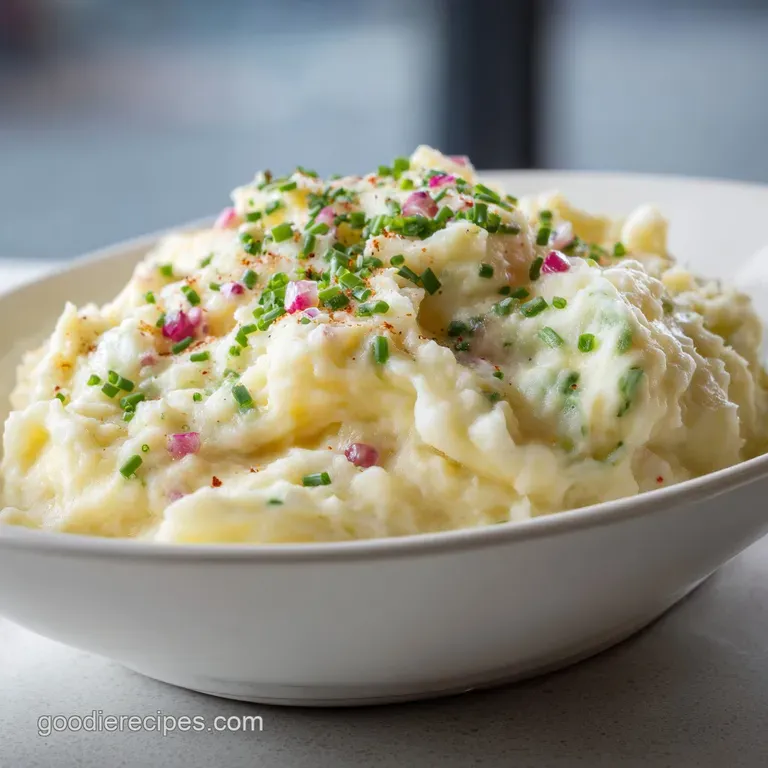
- Time: Active 15 minutes, Passive 25 minutes, Total 40 minutes
- Flavor/Texture Hook: Silky, velvety texture with a hint of earthy rosemary
- Perfect for: Holiday gatherings, Sunday family dinners, or whenever you need pure comfort
- The Comfort of Crafting Perfect Mashed Potatoes
- The Science of Starch and Fat Emulsion
- Ingredient Deep Dive
- Selecting Ideal Tubers and Flavor Enhancers
- Fundamental Tools for a Lump Free Result
- Executing the Flawless Boil and Mash Technique
- Correcting Texture Flaws for a Smooth Finish
- Scaling Guidelines for Larger Crowds
- Creative Variations for Your Potato Dish
- Debunking Common Potato Preparation Myths
- Preserving Leftovers and Reducing Kitchen Waste
- Entrees That Pair with Creamy Potatoes
- Mashed Potato FAQs
- 📝 Recipe Card
The Comfort of Crafting Perfect Mashed Potatoes
There is a specific sound a wooden spoon makes when it hits the bottom of a heavy pot filled with perfectly fluffy potatoes, a soft, muffled thud that promises pure comfort. It reminds me of my grandmother's kitchen on Sunday afternoons, where the steam from the boiling pots would fog up the windows and the air smelled faintly of melting butter and dried herbs.
Back then, I didn't realize there was a science to it, I just knew that her potatoes were always cloud like, never gummy, and always demanded a second helping.
I spent years trying to recreate that texture, making every mistake in the book from overworking the starch to using the wrong variety of potato. I once served a batch that had the consistency of school glue because I thought a food processor would save me time. Trust me, it didn't.
We've all been there, staring at a bowl of lackluster spuds, wondering where it went wrong. But after much trial and error, I found that the secret lies in the balance of starch types and the temperature of your additions.
This recipe is the result of those lessons learned. We are going to treat the humble potato with the respect it deserves, using a blend of Russets for fluff and Yukon Golds for that signature yellow, buttery crumb.
We aren't just mashing things together, we are building an emulsion that stays light and creamy even after it hits the plate. It's a classic approach that relies on technique rather than fancy ingredients, and it’s the only way I make them now.
The Science of Starch and Fat Emulsion
The Science of the Fluff: When potatoes boil, their starch granules swell and eventually burst, releasing amylose molecules that want to bond together. If we stir too much without enough fat, those molecules create a sticky, elastic web the dreaded gluey texture.
By adding European style butter first, we coat those starch molecules in fat, which physically prevents them from bonding and keeps the mash velvety.
- Starch Gelatinization: Heat breaks down the crystalline structure of the potato starch, allowing it to absorb water and soften.
- Moisture Evaporation: Drying the potatoes in the hot pot after draining removes excess water, which allows them to soak up more flavorful milk and butter later.
- Fat Encapsulation: Fat molecules from the butter wrap around the starch, acting as a lubricant that ensures a smooth, non sticky mouthfeel.
- Aromatic Infusion: Heat soluble compounds in the rosemary and garlic transfer into the milk fats, distributing flavor evenly throughout the entire dish.
Since we are aiming for that perfect balance of speed and quality, it helps to know how this traditional stovetop method compares to faster alternatives. While a pressure cooker saves time, the classic method gives us much more control over the final texture and seasoning levels. If you are planning a big meal, like serving this alongside my Pot Roast Recipe, the stovetop method is usually the most reliable way to ensure everything finishes at once.
| Method | Time | Texture | Best For |
|---|---|---|---|
| Stovetop | 40 minutes | Fluffy & Controlled | Traditional Sunday dinners |
| Pressure Cooker | 20 minutes | Dense & Consistent | Quick weeknight meals |
| Slow Cooker | 4 hours | Creamy & Soft | Freeing up stove space |
Choosing the right method depends on your schedule, but the stovetop version remains the gold standard for achieving that specific, light crumb. It allows you to check the potatoes for doneness every few minutes, ensuring they never become waterlogged or mushy before they even hit the masher.
Ingredient Deep Dive
Understanding what each component brings to the pot is the first step toward becoming a better cook. We aren't just using "potatoes"; we are using a specific ratio to hit the sweet spot between fluff and creaminess.
The Russets provide the volume and the dry, flaky texture, while the Yukon Golds bring a rich, almost waxy density that makes the dish feel indulgent without being heavy.
| Ingredient | Science Role | Pro Secret |
|---|---|---|
| Russet Potatoes | High starch content | Provides the "fluff" and absorbs the most liquid |
| Yukon Gold | Medium starch/Sugar | Adds natural buttery flavor and yellow hue |
| European Butter | High fat, low water | Emulsifies better for a silkier finish |
| Whole Milk | Liquid & Protein | Casein proteins help stabilize the potato emulsion |
Selecting Ideal Tubers and Flavor Enhancers
Right then, let's look at what you need to grab from the store. Quality matters here, especially with the butter. Since there are so few ingredients, each one has to pull its weight.
- 2 lbs Russet Potatoes: Peeled and cubed. Why this? They provide the light, airy structure essential for traditional mash.
- 1 lb Yukon Gold Potatoes: Peeled and cubed. Why this? Their waxy texture prevents the mash from becoming too dry.
- 1 tbsp Kosher Salt: For the water. Why this? Seasoning from the inside out is non negotiable for flavor.
- 1/2 cup Unsalted European style Butter: Cubed and cold. Why this? Higher fat content means less water and more creaminess.
- 1 cup Whole Milk: Room temp or warmed. Why this? Cold milk can shock the starches and cause graininess.
- 4 cloves Garlic: Smashed but whole. Why this? Infuses flavor without the sharp bite of minced garlic.
- 1 sprig Fresh Rosemary: Whole sprig. Why this? Adds an earthy aroma that pairs perfectly with the butter.
- Salt and White Pepper: To taste. Why this? White pepper keeps the mash looking pristine and bright.
| Original Ingredient | Substitute | Why It Works |
|---|---|---|
| Whole Milk | Heavy Cream | Much richer result, though significantly higher in calories. |
| European Butter | Standard Butter | Works fine, but the mash will be slightly less velvety. |
| Fresh Rosemary | Fresh Thyme | Offers a more floral, subtle herb note than rosemary. |
| Kosher Salt | Sea Salt | Use 25% less if using fine sea salt due to density. |
Fundamental Tools for a Lump Free Result
You don't need a kitchen full of gadgets, but a few specific tools will make your life much easier. I've tried mashing with a fork, and while it works in a pinch, it's a recipe for sore arms and lumpy spuds.
If you want that restaurant quality finish, a potato ricer is your best friend, though a standard masher works perfectly for a more rustic, homemade feel.
A heavy bottomed pot, such as a Dutch oven or a thick stainless steel saucepan, is crucial. It holds heat better, which is vital when you are drying out the potatoes after boiling. You'll also want a small skillet or saucepan to warm your milk and steep your aromatics.
Heating the milk separately might seem like an extra step, but it’s the difference between "good" and "where have these been all my life" potatoes.
Chef Tip: Freeze your butter for 10 minutes before cubing it. Cold butter hitting the hot potatoes creates a better emulsion than room temperature butter, which can sometimes separate and leave the dish feeling oily.
Executing the Flawless Boil and Mash Technique
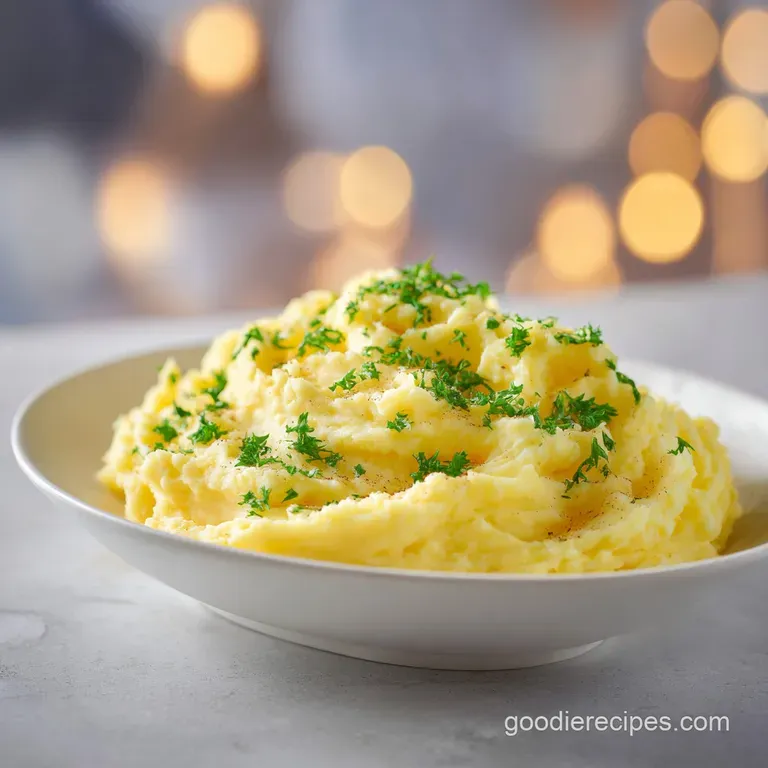
- Prep the potatoes. Peel and cube all 3 lbs of potatoes into uniform 1 inch pieces. Note: Uniformity ensures they all finish cooking at the exact same time.
- Start in cold water. Place the cubes in a large pot and cover with cold water by at least an inch. Note: Starting in cold water allows the potatoes to heat evenly from the outside in.
- Season and boil. Add the 1 tbsp of kosher salt and bring to a boil over high heat, then reduce to a simmer.
- Cook until tender. Simmer for about 25 minutes until a fork slides in and out with zero resistance.
- Infuse the milk. While the potatoes boil, combine the 1 cup of milk, 4 garlic cloves, and rosemary sprig in a small pan over low heat.
- Drain and dry. Drain the potatoes thoroughly, then return them to the hot, empty pot over low heat for 2 minutes until the surface looks matte and dry.
- Add the butter. Toss in the 1/2 cup of cubed butter and stir gently until the butter is completely melted and coating the potatoes.
- Strain the infusion. Remove the garlic and rosemary from the warm milk and discard them.
- Mash and incorporate. Use a ricer or masher to break down the potatoes, slowly pouring in the warm milk until the texture is silky and holds a soft peak.
- Final seasoning. Taste and add salt and white pepper. Fold it in gently with a spatula to avoid overworking the starch.
Correcting Texture Flaws for a Smooth Finish
Even the best of us run into trouble occasionally. The most common issue is usually related to moisture levels or the temperature of the ingredients. If your potatoes feel a bit "tight" or heavy, you likely just need a splash more warm liquid. If they are soupy, you might have skipped the drying step.
Fixing a Runny Texture
If you added too much milk and your mash looks like porridge, don't panic. You can return the pot to very low heat and stir constantly with a flat spatula. This encourages evaporation.
Alternatively, if you have any instant potato flakes in the pantry (no judgment here!), a tablespoon or two can act as a quick thickener without ruining the flavor.
Rescuing Gluey Potatoes
Once potatoes turn gluey, you can't technically "un glue" them because the starch bonds have already formed. However, you can transform them. Spread the mash into a baking dish, top with plenty of cheese and breadcrumbs, and bake it into a gratin.
The oven's dry heat and the addition of fat from the cheese help mask the gummy texture.
| Problem | Root Cause | Solution |
|---|---|---|
| Lumpy Mash | Under boiled potatoes | Mash longer or use a ricer for the next batch. |
| Gluey/Sticky | Over processing | Fold in a little extra butter and stop stirring immediately. |
| Bland Flavor | Lack of salt in water | Add a pinch of salt at the very end and fold in. |
Common Mistakes Checklist
- ✓ Never use a blender or food processor (this guarantees a gluey result).
- ✓ Don't skip the drying step after draining; excess water dilutes the flavor.
- ✓ Always warm your milk and aromatics before adding them to the hot potatoes.
- ✓ Check for doneness at the 20 minute mark to prevent waterlogging.
- ✓ Use a mix of potatoes rather than just one type for the best texture.
Scaling Guidelines for Larger Crowds
When you're cooking for a big holiday crowd, the math isn't always as simple as doubling everything. Potatoes are heavy and hold a lot of thermal mass, so they take longer to reach a boil when you increase the volume.
- Scaling Down (1/2 batch): Use a smaller pot to ensure the potatoes stay submerged. Reduce the boiling time by about 5 minutes since the smaller mass heats up faster. Use the same amount of aromatics to keep the flavor punchy.
- Scaling Up (2x batch): Use 6 lbs of potatoes total. Use 1.5x the salt for the water (not double). Increase the milk and butter linearly, but add the milk in stages. You may need to work in batches for the mashing process to ensure everything stays hot.
For those who love a bit of variety, you can also experiment with different prep styles. If you are looking for something with more crunch, you might enjoy trying a French Fries Recipe, which uses similar starch principles but targets a completely different texture.
Creative Variations for Your Potato Dish
Once you have the base recipe down, you can start playing with the flavor profile. The beauty of this dish is how well it takes to different add ins.
Red Potato Garlic Mashed Potatoes Recipe
If you prefer a more rustic, skin on look, swap the Russets for Red Bliss potatoes. Keep the skins on for extra texture and fiber. Since red potatoes are waxy, they won't be as "fluffy," but they offer a wonderful, home cooked feel that pairs great with roasted meats.
Creamy Garlic Rosemary Mashed Potatoes
To double down on the herb flavor, you can finely mince a teaspoon of fresh rosemary and sauté it in the butter before adding it to the potatoes. This gives you little flecks of green and a more intense, piney aroma throughout every bite.
| Preference | Adjustment | Flavor Impact |
|---|---|---|
| Extra Tangy | Swap 1/4 cup milk for Sour Cream | Adds a bright, acidic finish to the richness. |
| Loaded Style | Add Bacon and Chives | Transforms a side into a heavy, savory treat. |
| Extra Garlic | Use Roasted Garlic Paste | Much sweeter and milder than boiled garlic. |
Debunking Common Potato Preparation Myths
Myth: You must peel potatoes before boiling them. Truth: While this recipe calls for peeling to get that ultra smooth texture, boiling potatoes in their skins actually preserves more of the potato flavor and prevents them from absorbing too much water.
You can peel them after they are cooked if you have the patience to handle hot tubers!
Myth: Adding salt to the water toughens the potato. Truth: This is actually the opposite of the truth. Salting the water is the only chance you have to season the starch granules themselves. If you wait until the end, the salt just sits on the surface, and the interior stays bland.
Myth: You should always use heavy cream for the best mash. Truth: While cream is delicious, it can sometimes be so heavy that it masks the actual taste of the potato.
Whole milk, especially when infused with aromatics, provides enough fat to be creamy while still letting the earthy potato flavor shine through.
Preserving Leftovers and Reducing Kitchen Waste
Leftover potatoes are a gift, truly. They stay fresh in the fridge for up to 4 days if kept in an airtight container. When reheating, don't just shove them in the microwave. Add a splash of milk or a knob of butter and heat them gently on the stove or in the oven to restore that creamy texture.
You can also freeze mashed potatoes! Because of the high fat content in this recipe, they actually freeze quite well for up to 2 months. Thaw them overnight in the fridge before reheating. For a zero waste tip, don't throw away those potato peels.
Toss them with a little oil and salt and bake them at 400°F (200°C) until crispy for a quick kitchen snack.
Entrees That Pair with Creamy Potatoes
These potatoes are the ultimate wingman for any protein heavy dish. They soak up gravies and juices like a sponge, making them the perfect partner for a slow cooked meal. I love serving them with a Crock Pot Roast recipe where the herbs in the roast mirror the rosemary in the mash.
If you are looking for something a bit lighter but still savory, they work beautifully alongside a simple pan seared steak or roasted chicken. The garlic and rosemary infusion provides enough interest that you don't even necessarily need a gravy, though I certainly wouldn't stop you from making one!
Whatever you serve them with, just make sure you make enough for seconds they always go faster than you think.
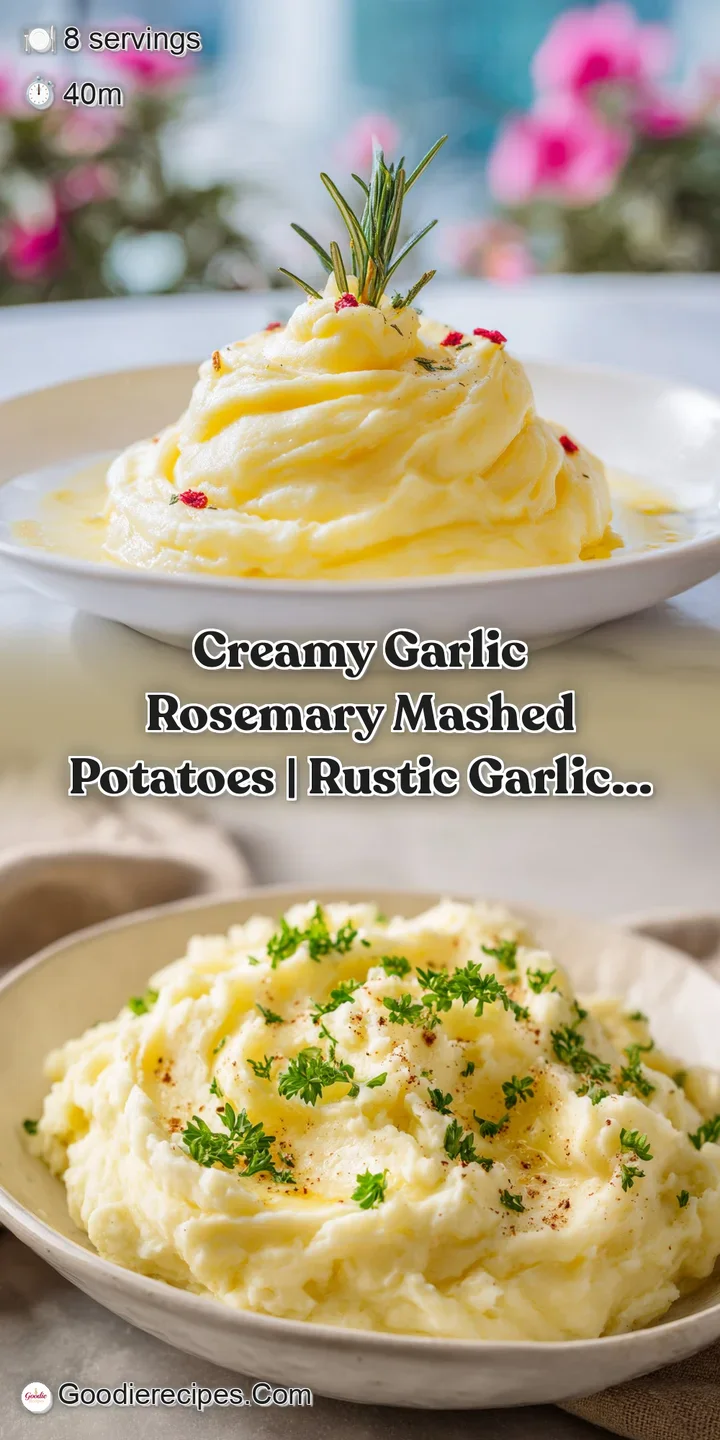
Mashed Potato FAQs
What is the secret to really good mashed potatoes?
Use a blend of Russet and Yukon Gold potatoes. Russets provide the fluffiness, while Yukon Golds contribute buttery flavor and structure. Also, incorporate cold butter first to coat the starches before adding warm milk, preventing gumminess.
Are mashed potatoes good for upset stomach?
Yes, plain mashed potatoes are usually well tolerated. As long as they are prepared simply with just salt and minimal fat they are easy to digest due to their soft texture and low fiber content.
How long do I need to boil potatoes for mashed potatoes?
Simmer for about 20 to 25 minutes after reaching a boil. The potatoes are done when a fork slides in and out with absolutely no resistance. Avoid boiling longer than necessary to prevent them from becoming waterlogged.
Is milk or cream better for mashed potatoes?
Whole milk is generally better for balancing flavor and texture. Cream provides richness but can sometimes weigh the potatoes down; whole milk ensures they absorb flavor without becoming overly heavy.
What should I do if my mashed potatoes taste bland?
Add salt to the boiling water first, then season again at the end. Salt added early seasons the starch granules throughout the potato, unlike salt sprinkled on top which only seasons the surface.
What is the best tool for achieving lump free mashed potatoes?
A potato ricer is the best tool available for a silky texture. It forces cooked potatoes through small holes, creating uniform, fine strands that won't activate excess starch.
Can I substitute butter with oil for a dairy-free version?
No, substituting oil for butter will result in a significantly inferior texture. Butter’s milk solids and fat structure help emulsify the mash; oil only coats the starch, leading to a slick, separated texture.
Velvety Garlic Mashed Potatoes
Ingredients:
Instructions:
Nutrition Facts:
| Calories | 253 kcal |
|---|---|
| Protein | 4.4 g |
| Fat | 12.6 g |
| Carbs | 31.1 g |
| Fiber | 3.8 g |
| Sugar | 2.3 g |
| Sodium | 210 mg |
