Lemon Pasta: a Velvety Italian Classic
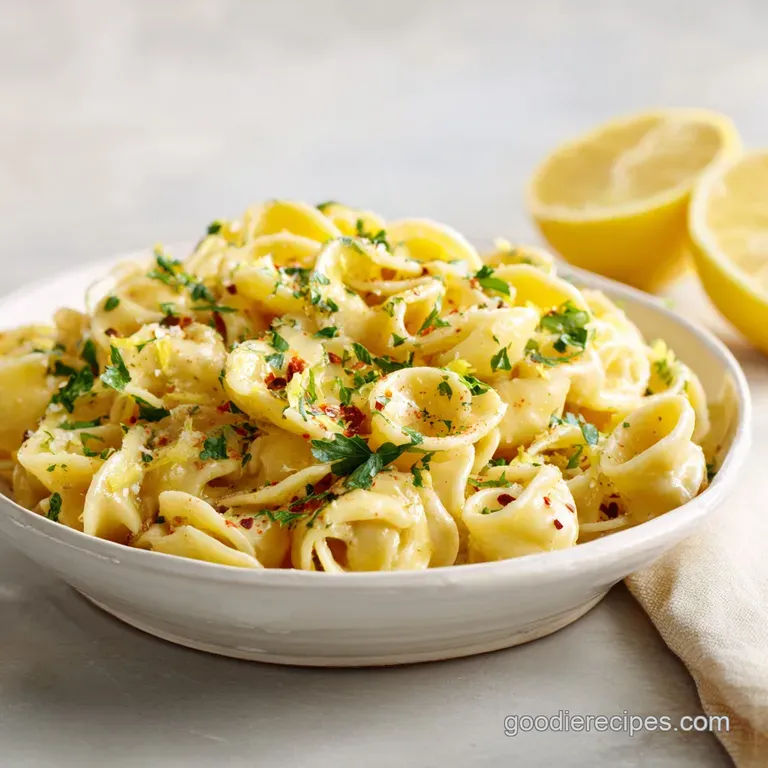
- Time: Active 5 minutes, Passive 10 minutes, Total 15 minutes
- Flavor/Texture Hook: Zesty, silky, and bright
- Perfect for: High speed weeknight dinners or minimal effort entertaining
- Quick Weeknight Creamy Lemon Pasta
- Why This Simple Recipe Works
- Analyzing Essential Ingredient Roles
- Essential Ingredients and Smart Substitutes
- Minimal Equipment for Faster Cleanup
- Mastering the Step-by-Step Method
- Troubleshooting Common Cooking Mistakes
- Smart Scaling for Any Crowd
- Flavor Twists and Easy Swaps
- Debunking Common Kitchen Pasta Myths
- Storage and Reheating Guidelines
- Perfect Side Dishes and Pairings
- Recipe FAQs
- 📝 Recipe Card
Quick Weeknight Creamy Lemon Pasta
The second the lemon zest hits that warm butter, your entire kitchen transforms. It is a sharp, clean aroma that cuts through the heavy steam of the pasta pot, promising something fresh and vibrant. I remember the first time I made this after a grueling twelve hour shift.
I was exhausted, the fridge was nearly empty, and I just wanted something that didn't come out of a microwave. That first bite of silky, citrusy linguine was a total reset for my brain.
You do not need a culinary degree or a pantry full of exotic imports to make this Lemon Pasta sing. It is about the friction of the pasta hitting the skillet and the way cold butter transforms a thin splash of water into a thick, clinging sauce.
We are looking for that specific velvety mouthfeel that only comes from real Parmigiano Reggiano and high-quality citrus. No heavy cream is required here, we are letting the starch do the heavy lifting.
This dish is the ultimate "fridge raid" hero. It relies on staples you likely already have tucked away, but when treated with a bit of heat and speed, they become something elegant. It is fast, it is punchy, and it proves that minimal tools can lead to maximum flavor.
Let's get that water boiling and transform a few humble lemons into a dinner that feels like a luxury.
Why This Simple Recipe Works
- Starch Concentration: Using 20% less water than usual concentrates the loose starch molecules, which acts as a natural binder for the butter and cheese.
- Fat Emulsification: Adding the final butter while cold prevents it from breaking into oil, instead creating a stable, silky coating.
- Essential Oil Release: Sautéing zest in butter briefly extracts the fragrant oils (limonene) that provide more flavor than the juice alone.
- Absorption Phase: Finishing the undercooked pasta in the skillet allows the linguine to soak up the sauce's flavor rather than just sitting in it.
| Method | Time | Texture | Best For |
|---|---|---|---|
| Traditional Skillet | 15 minutes | Silky and glossy | Pure flavor and speed |
| One Pot Method | 18 minutes | Starchy and thick | Minimum cleanup |
| Slow Cooker | N/A | Mushy/Overcooked | Avoid this method |
While the one pot method is tempting for cleanup, the skillet finish is non negotiable for that specific restaurant style gloss. It allows you to control the evaporation of the pasta water, ensuring the sauce never turns into a watery mess.
Using a wide skillet increases the surface area, which helps the liquid reduce quickly while you toss the noodles vigorously to build that creamy texture.
Analyzing Essential Ingredient Roles
| Ingredient | Science Role | Pro Secret |
|---|---|---|
| Linguine | Starch provider | Use bronze die cut pasta for a rougher surface that grips the sauce. |
| Organic Lemon | Acid and Aroma | Avoid bottled juice; it lacks the essential oils found in fresh zest. |
| Cold Butter | Emulsifier | Keep it in the fridge until the very last second to ensure a smooth sauce. |
| Parmigiano | Umami and Thickener | Grate it yourself on a microplane for the fastest melt and zero clumps. |
The interaction between the acidic lemon juice and the aged cheese can be tricky if the temperature is too high. If you are looking for a Cheesy pasta dinner idea that feels more sophisticated, this balance of sharp citrus and salty cheese is exactly where you want to be. The acidity actually helps cut through the richness of the butter, preventing the dish from feeling heavy or greasy on the palate.
Essential Ingredients and Smart Substitutes
This recipe is built on the backbone of high-quality basics. If you use the right components, the dish will taste like it took hours instead of 15 minutes.
- 1 lb linguine: Why this? The flat surface area is ideal for holding onto the thin lemon butter emulsion.
- Substitute: Spaghetti or Fettuccine.
- 2 tbsp sea salt: Why this? Vital for seasoning the pasta from the inside out during the boil.
- Substitute: Kosher salt (use 3 tbsp).
- 2 large organic lemons: Why this? Since we use the zest, organic prevents ingesting wax or pesticides.
- Substitute: 1 large grapefruit for a bitter sweet floral twist.
- 1/2 cup unsalted butter: Why this? Provides the fat needed for the sauce without adding uncontrolled salt.
- Substitute: high-quality vegan butter (ensure it has high fat content).
- 3 cloves garlic: Why this? Microplaning creates a paste that melts into the sauce without chunks.
- Substitute: 1 tsp garlic powder (not recommended, but works in a pinch).
- 1 cup freshly grated Parmigiano Reggiano: Why this? The king of cheeses adds a nutty, salty depth that mimics creaminess.
- Substitute: Pecorino Romano for a saltier, tangier profile.
- 1/2 cup fresh flat leaf parsley: Why this? Adds a clean, grassy finish to balance the richness.
- Substitute: Fresh basil or a small amount of chives.
Minimal Equipment for Faster Cleanup
For a busy weeknight, you want to keep the tool count low. I always reach for a large Dutch oven or a stockpot for the pasta and a 12 inch stainless steel skillet for the sauce.
The wide skillet is better than a deep pan because it allows you to toss the linguine with abandon without it flying across the kitchen.
You will also need a Microplane zester. Honestly, don't even bother with those old school box graters for the garlic or the cheese. The Microplane creates a snowy, light texture that dissolves instantly into the heat of the skillet. A liquid measuring cup is the final essential piece.
Use it to scoop out that liquid gold pasta water before you drain the noodles. If you forget this step, the recipe is essentially over, so keep that cup sitting right next to the stove as a visual reminder.
Mastering the step-by-step Method
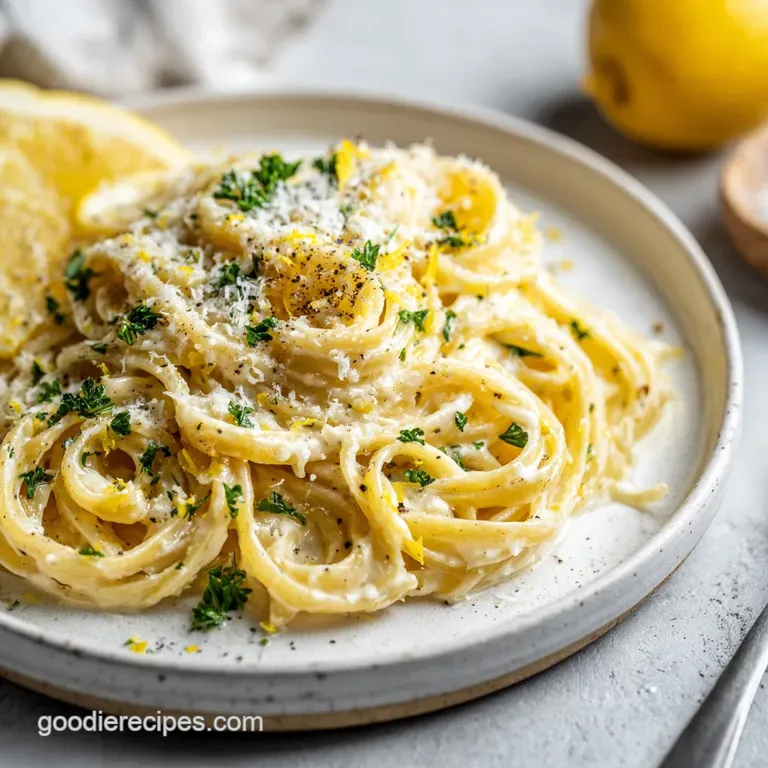
- Bring a large pot of water to a boil using 20% less water than usual to concentrate starches. Add 2 tbsp sea salt and 1 lb linguine.
- Cook the pasta for 2 minutes less than the package 'al dente' instructions. Check for a firm, slightly chalky center.
- Reserve 2 cups of the starchy pasta water before draining the linguine. Note: This water is the secret "glue" for your sauce.
- While the pasta boils, place a wide skillet over medium low heat. Add 2 tbsp of the butter and 3 cloves microplaned garlic.
- Sauté for 1 minute until the garlic smells sweet and fragrant but shows no brown color.
- Stir in the lemon zest and 1/2 tsp red pepper flakes. Wait for the sizzle to release the oils.
- Increase heat to medium. Pour in 1.5 cups of reserved pasta water and the juice of 2 lemons, bringing it to a simmer.
- Transfer the undercooked linguine directly into the skillet.
- Toss vigorously for 2 minutes until the liquid reduces by half and clings to the pasta.
- Remove from heat. Add the remaining cold, cubed butter and 1 cup Parmigiano Reggiano.
- Toss continuously until the sauce looks glossy and velvety. Fold in 1/2 cup parsley and black pepper, then serve immediately.
Troubleshooting Common Cooking Mistakes
Why Your Sauce is Watery
The most common mistake is not tossing the pasta enough once it hits the skillet. This isn't just about mixing; it’s about mechanical energy. You need to vigorously move that pasta so the starch from the noodles marries the fat from the butter.
If it stays watery, crank the heat for 30 seconds while stirring like your life depends on it.
Why the Cheese is Clumping
If your cheese turns into a rubbery ball, your skillet was likely way too hot when you added it. Always remove the pan from the heat source before tossing in the Parmigiano. The residual heat is plenty to melt finely grated cheese.
If it happens anyway, a tiny splash of boiling pasta water can sometimes save it, but prevention is much easier.
| Problem | Root Cause | Solution |
|---|---|---|
| Bitter Flavor | Zested too deep into the white pith | Only zest the bright yellow outer layer. |
| Oily Sauce | Butter was too warm or added too fast | Use ice cold butter and toss constantly. |
| Dry Pasta | Pasta absorbed all the liquid | Add a splash of the remaining 0.5 cup reserved water. |
Common Mistakes Checklist
- ✓ Never rinse your pasta after draining; you need that surface starch.
- ✓ Don't use "shaker" parmesan in a green can; it contains anti clumping agents that ruin the texture.
- ✓ Ensure the butter is truly cold straight from the fridge to help the emulsion stay stable.
- ✓ Taste your lemon juice first; if it's exceptionally sour, start with half and add more later.
- ✓ Work fast once the cheese is in; this dish waits for no one and is best served piping hot.
Smart Scaling for Any Crowd
When you need to feed a larger group, say 8 people, don't just double everything blindly. For the pasta, go ahead and use 2 lbs, but for the aromatics like garlic and red pepper flakes, only increase by 1.5x. Too much garlic can overwhelm the delicate citrus notes.
When scaling up, use your largest pot to ensure the linguine has room to move, otherwise, it will clump into a solid mass of gluten.
Scaling down is even easier. If you are cooking for one or two, you can do a half batch (8 oz pasta). Use a smaller skillet so the pasta water doesn't evaporate too quickly before the noodles have a chance to finish cooking.
For the egg bound variations of this dish, if a recipe calls for one egg and you are halving it, beat the egg in a small bowl first and use exactly half by weight or volume.
| Servings | Linguine Amount | Lemon Count | Butter Total | Pan Size |
|---|---|---|---|---|
| 2 People | 0.5 lb | 1 Large | 1/4 cup | 10 inch skillet |
| 4 People | 1 lb | 2 Large | 1/2 cup | 12 inch skillet |
| 8 People | 2 lbs | 3 Large | 3/4 cup | Large Stockpot |
Flavor Twists and Easy Swaps
If you want to turn this into a heartier meal, adding protein is a breeze. A side of Lemon Herb Chicken pairs naturally because it echoes the citrus notes already in the linguine. For a vegetarian boost, tossing in some sautéed asparagus or frozen peas during the last 2 minutes of the skillet phase adds a pop of color and a nice "snap" to the texture.
Chef Tip: For an ultra luxurious version, swap half the butter for a dollop of mascarpone cheese. It creates a sauce that is almost dangerously creamy without the heaviness of double cream.
- For a Protein Packed Dinner: Add grilled shrimp or pan seared scallops right at the end.
- For a Restaurant Quality Veggie Twist: Top with toasted pine nuts and a handful of fresh arugula for a peppery bite.
- For a Vegan Alternative: Use a high fat vegan butter and nutritional yeast instead of Parmigiano.
Debunking Common Kitchen Pasta Myths
Myth 1: Adding oil to the boiling water prevents sticking. This is actually counterproductive. The oil floats on top and then coats the pasta as you drain it, which prevents your beautiful lemon sauce from sticking to the noodles.
To prevent sticking, just use a large enough pot and give it a good stir in the first 30 seconds of cooking.
Myth 2: You need "Gallons" of water to cook pasta. Actually, as we do in this recipe, using less water is better for sauce based dishes. It concentrates the starch, making your reserved pasta water a much more powerful emulsifier. You want that water to look cloudy and thick, not clear.
Myth 3: Al dente means "crunchy." Al dente should have a firm "bite" or resistance, but it shouldn't be hard or stick to your teeth. Since we finish this Lemon Pasta in the skillet for 2 minutes, it’s vital to pull it out of the boiling water while it still has a slightly white, undercooked core.
It will finish to a perfect texture in the sauce.
Storage and Reheating Guidelines
This dish is at its absolute peak about 30 seconds after it leaves the skillet. However, life happens. If you have leftovers, store them in an airtight container in the fridge for up to 3 days. The sauce will thicken and look dull as it cools, but don't worry the flavor is still there.
To reheat, avoid the microwave if possible; it tends to make the butter separate and the pasta rubbery. Instead, place the pasta in a skillet over low heat with a splash of water or a tiny bit of milk. Toss gently until the sauce loosens up and becomes glossy again.
Zero Waste Tips
Don't throw away those spent lemon halves! Toss them into your garbage disposal to freshen it up, or put them in a jar with white vinegar for a week to create a natural, citrus scented glass cleaner.
If you have leftover parsley stems, chop them finely and add them to a freezer bag for your next batch of homemade vegetable stock.
Perfect Side Dishes and Pairings
Because this pasta is quite bright and acidic, it pairs beautifully with earthy or salty sides. A Simple spring salad with a light vinaigrette provides a nice textural contrast with crunchy radishes or cucumbers.
If you want something warmer, roasted broccolini with a heavy dusting of red pepper flakes and salt is my go to. The charred florets soak up any extra lemon sauce left on your plate. For bread, skip the heavy garlic bread and go with a simple, crusty sourdough baguette.
You’ll want something neutral to swipe through the leftover pools of emulsified butter and cheese at the bottom of the bowl. Trust me, you won't want to leave a single drop behind.

Recipe FAQs
What is lemon pasta called in Italy?
It is typically referred to as pasta al limone. This classic dish highlights the bright, acidic profile of fresh citrus balanced by creamy emulsified butter and cheese.
Does lemon work with pasta?
Yes, lemon is an excellent pairing for pasta. The acidity cuts through the richness of the butter and Parmigiano Reggiano, creating a balanced, bright flavor profile. If you enjoyed Bake in 30 Minutes recipe here, you can apply that same logic to create silky, stable sauces in other baked dishes.
What cheese goes well with lemon pasta?
Use freshly grated Parmigiano Reggiano. Its salty, nutty profile provides the perfect foundation to stabilize the sauce when tossed with the starchy pasta water.
Why is lemon pasta so good?
It relies on a perfect emulsion of starch, fat, and acid. By reserving the starchy water and tossing the butter and cheese off the heat, you create a velvety, glossy coating that clings to every strand of linguine.
How to keep the sauce from breaking when reheating?
Place the pasta in a skillet over low heat with a splash of water. Toss gently until the sauce loosens up and regains its glossy, creamy texture, avoiding the microwave to prevent the butter from separating.
Is it true I must boil pasta in a huge amount of water?
No, this is a common misconception. You should actually use 20% less water than usual to concentrate the starches, which is essential for creating the final silky sauce.
How to ensure the pasta isn't mushy?
Cook the linguine for 2 minutes less than the package instructions. Finishing the cooking process directly in the skillet with the sauce ensures the noodles maintain the perfect bite.
Velvety Lemon Butter Linguine
Ingredients:
Instructions:
Nutrition Facts:
| Calories | 712 kcal |
|---|---|
| Protein | 23.6 g |
| Fat | 31.4 g |
| Carbs | 86.2 g |
| Fiber | 4.1 g |
| Sugar | 2.4 g |
| Sodium | 685 mg |
