Buttery Fruit Tart with Vanilla Custard
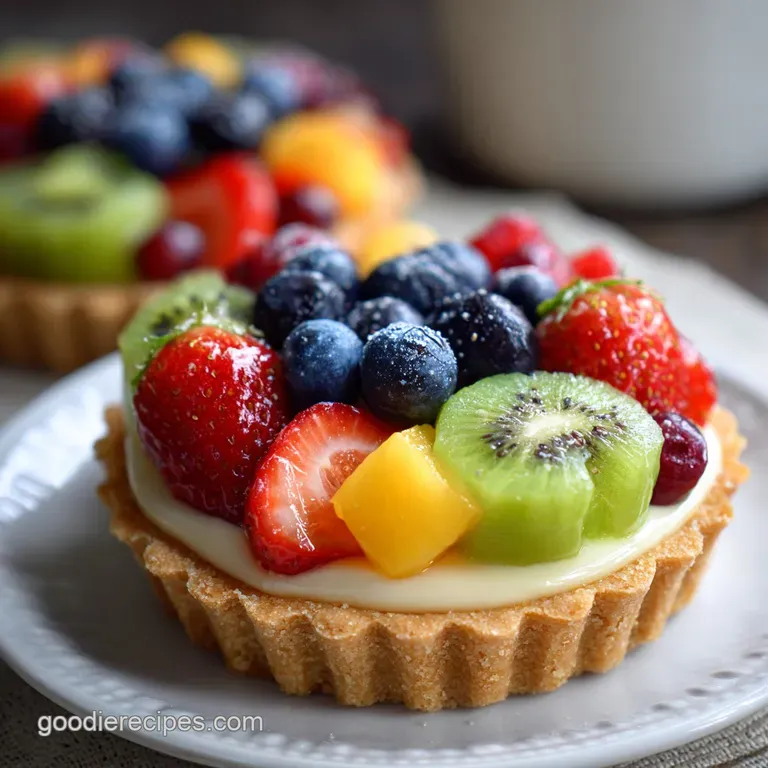
- Time: Active 45 minutes, Passive 25 minutes, Total 1 hours 10 mins
- Flavor/Texture Hook: Shattering buttery crust with velvety cream
- Perfect for: Family Sunday brunch or birthday celebrations
- The Science of the Crunch
- Fresh Versus Store Bought Shortcuts
- Component Analysis and Pro Secrets
- Essential Ingredients and Smart Swaps
- Tools for a Flawless Bake
- Step-by-Step Assembly and Baking Guide
- Troubleshooting Common Baking Problems
- Scaling Recipes for Larger Groups
- Innovative Flavor Profiles to Try
- Proper Storage and Waste Reduction
- Presentation and Serving Techniques
- Recipe FAQs
- 📝 Recipe Card
The first time I tried making a Fruit Tart at home, I was a nervous wreck. I remember the kitchen smelling like warm butter and vanilla, but I was so worried about the crust shrinking into a puddle of dough that I barely enjoyed the process.
My grandmother sat at the table, sipping tea and laughing at me while I hovered over the oven door. "It’s just cookies and pudding, honey," she said. "Don't overthink it."
She was right, of course. When I finally pulled that tart out of the oven and heard the satisfying "clink" of the removable bottom snapping away from the crust, I knew I’d never buy a grocery store version again.
There’s something about the way a homemade crust shatters under a fork no soggy cardboard textures here. We’re going for that golden, sandy crunch that holds up perfectly against the cold, silky cream.
Since then, I’ve made this for every family gathering from Easter to baby showers. It’s become my signature move because it looks incredibly expensive but actually relies on basic pantry staples like flour, sugar, and milk.
If you’ve ever felt intimidated by French pastry, let’s clear that up right now. This is approachable, honest baking that rewards you with the most vibrant centerpiece you’ve ever put on a table.
The Science of the Crunch
The Shortbread Barrier: Confectioners' sugar contains a small amount of cornstarch, which interferes with gluten development to ensure the crust remains tender and "short" rather than chewy.
By chilling the dough, we solidify the fat, creating a moisture resistant wall that prevents the custard from making the base soggy.
Chef's Tip: Freeze your butter for 10 minutes before cubing it. This ensures it doesn't melt during the mixing process, which is the secret to that coveted "shatter" texture.
Another trick I learned the hard way: brush the baked crust with a thin layer of melted white chocolate or more apricot glaze before adding the cream. This creates an invisible waterproof seal that keeps your tart crispy for hours longer than usual.
It’s those little details that separate a good dessert from one people talk about for weeks.
Fresh Versus store-bought Shortcuts
Choosing between making everything from scratch or using shortcuts often comes down to the occasion and your budget. Here is how the two methods stack up.
| Method | Time | Texture | Best For |
|---|---|---|---|
| Fully Homemade | 1 hours 10 mins | Shattering, buttery, rich | Special events and holidays |
| Shortcut (Store Crust) | 40 minutes | Softer, less flavorful | Quick weeknight cravings |
| Hybrid (Scratch Cream) | 55 minutes | Velvety and authentic | Improving store-bought bases |
Regardless of the method you choose, the real star is the assembly. If you find yourself in a rush, focusing your energy on the pastry cream while using a pre made shortbread crust is a smart middle ground. Speaking of quick treats, if you're looking for something simpler but just as satisfying, you might enjoy my Strawberries and Cream recipe which skips the baking entirely.
Component Analysis and Pro Secrets
Understanding your ingredients is the first step toward a flawless Fruit Tart. We aren't just tossing things in a bowl; we are building a structural masterpiece.
| Ingredient | Science Role | Pro Secret |
|---|---|---|
| Cornstarch | Thickening agent | Whisk into cold yolks first to prevent "lump shock." |
| Egg Yolks | Emulsifier and fat | Use room temp yolks for a smoother, richer emulsion. |
| Cold Butter | Steam generator | Keep it visible in the dough to create tiny air pockets. |
| Apricot Preserves | Moisture barrier | Strain it while hot to remove fruit chunks for a clear finish. |
Mixing your dry ingredients thoroughly before adding the fat is a step many skip, but don't be that person. Even distribution of the salt and sugar ensures every bite of the crust is seasoned perfectly. It’s also much easier to work with a dough that has been hydrated evenly by the egg yolk and heavy cream.
Essential Ingredients and Smart Swaps
For this recipe, we are using the official measurements to ensure your custard sets perfectly and your crust stays structural. Stick to these for the best results.
- 1.5 cups all purpose flour: The structural base of our shortbread.
- 0.5 cup confectioners' sugar: Provides sweetness and a fine, tender crumb. Why this? The added cornstarch in the sugar prevents a tough, bready texture.
- 0.25 tsp salt: Essential for balancing the sweetness of the fruit.
- 0.75 cup unsalted butter, cold and cubed: Our primary fat for flavor and flakes.
- 1 large egg yolk: Binds the crust dough together.
- 1 tbsp heavy cream: Adds just enough moisture to make the dough pliable.
- 2 cups whole milk: The base of our silky pastry cream.
- 0.5 cup granulated sugar: Sweetens the custard without thinning it out.
- 4 large egg yolks: Provides the "yellow" richness and thickening power.
- 0.25 cup cornstarch: Ensures the cream holds its shape when sliced.
- 2 tbsp unsalted butter: Whisked in at the end for a glossy finish.
- 1 tsp vanilla bean paste: Offers those beautiful black flecks and deep aroma.
- 2.5 cups fresh seasonal fruit: Strawberries, kiwi, blueberries, or peaches.
- 0.25 cup apricot preserves: The secret to that professional "shiny" look.
- 1 tbsp water: Thins the preserves for easier brushing.
| Original Ingredient | Substitute | Why It Works |
|---|---|---|
| Unsalted Butter | high-quality Margarine | Similar fat content. Note: Crust will be softer and have less "snap." |
| Vanilla Bean Paste | Pure Vanilla Extract | Provides the same flavor profile but without the visual bean flecks. |
| Apricot Preserves | Apple or Lemon Jelly | Similar sugar content and clarity. Better if you want a neutral flavor. |
If you happen to have leftovers of that heavy cream, it works beautifully in other recipes. For instance, it’s a great way to add richness to the base of my Coconut Cookies in recipe if you're in the mood for a tropical twist later in the week.
Tools for a Flawless Bake
You don't need a kitchen full of gadgets, but a few specific items make this Fruit Tart much easier to manage. First and foremost, a 9 inch tart pan with a removable bottom is non negotiable if you want those pretty fluted edges. Without it, getting the tart out of the pan is a recipe for heartbreak.
A heavy bottomed saucepan is also vital for the pastry cream. Thin pans have hot spots that will scorch your milk before the cornstarch has a chance to thicken. I also highly recommend using a fine mesh sieve.
Straining your custard through a sieve after cooking removes any tiny bits of overcooked egg, leaving you with a texture that is absolutely velvety.
step-by-step Assembly and Baking Guide
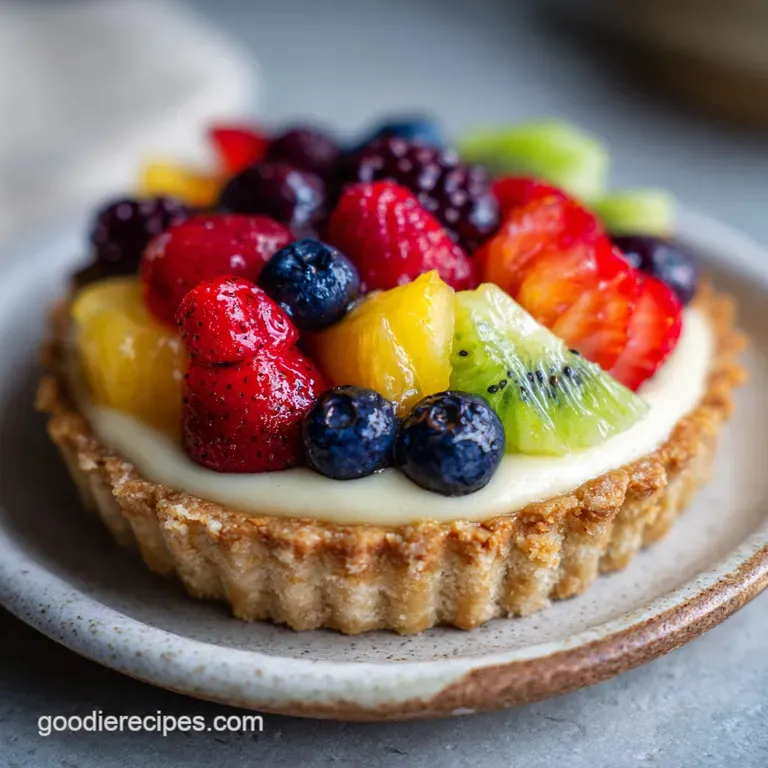
- Pulse dry ingredients. Combine 1.5 cups flour, 0.5 cup confectioners' sugar, and 0.25 tsp salt in a processor. Note: This aerates the flour for a lighter crust.
- Incorporate cold butter. Add 0.75 cup cubed butter and pulse until the mixture looks like coarse sand.
- Bind the dough. Mix in 1 egg yolk and 1 tbsp heavy cream. Note: The dough should just hold together when pinched.
- Chill the base. Press into the tart pan and freeze for 15 minutes until firm to the touch.
- Blind bake the crust. Bake at 180°C (350°F) for 20 minutes until the edges are lightly golden.
- Simmer the milk. Heat 2 cups milk in a pan until small bubbles form at the edges.
- Temper the yolks. Whisk 4 yolks, 0.5 cup granulated sugar, and 0.25 cup cornstarch, then slowly stream in the hot milk.
- Thicken the custard. Return to heat and whisk constantly until it reaches the consistency of thick pudding.
- Finish the cream. Stir in 2 tbsp butter and 1 tsp vanilla paste, then cover with plastic wrap directly on the surface.
- Assemble and glaze. Spread chilled cream into the crust, top with 2.5 cups fruit, and brush with melted apricot preserves until glistening and sealed.
Troubleshooting Common Baking Problems
Even the most seasoned home cooks run into trouble sometimes. The good news is that most Fruit Tart issues are easy to fix if you know what to look for.
The Shrinking Pastry Wall
If your crust slides down the sides of the pan while baking, it’s usually because the fat got too warm before it hit the oven. The gluten also needs time to relax. If you skip the freezing step, the dough will snap back like a rubber band. Always ensure the dough is cold enough to hold its shape against the heat.
| Problem | Root Cause | Solution |
|---|---|---|
| Lumpy Pastry Cream | Heat too high or poor whisking | Pass the warm cream through a fine mesh sieve immediately. |
| Soggy Tart Base | Fruit moisture or hot cream | Let cream cool completely and pat fruit dry with paper towels. |
| Cracked Crust | Over baking or thin spots | Patch small cracks with a bit of melted white chocolate as a "glue." |
Common Mistakes Checklist
- ✓ Never skip the "docking" step (pricking the dough with a fork) to prevent air bubbles.
- ✓ Ensure the plastic wrap touches the surface of the custard to prevent a "skin" from forming.
- ✓ Let the crust cool 100% before adding the cream; any residual heat will melt your filling.
- ✓ Brush the fruit glaze all the way to the edges to keep the fruit from drying out or oxidizing.
- ✓ Don't over mix the dough once the liquid is added, or the crust will become tough and bread like.
Scaling Recipes for Larger Groups
When scaling this recipe down for a smaller household, you can easily halve the ingredients and use a 6 inch tart tin. For the egg yolk in the crust, simply whisk one yolk and use half of it. The baking time will usually need to be reduced by about 5 minutes, so keep a close eye on the color.
If you are scaling up for a party, doubling the recipe works perfectly. However, I suggest making two separate tarts rather than one giant one. Large tarts are much harder to move and slice cleanly.
For the custard, when doubling, you may need to whisk a bit more vigorously as the larger volume takes longer to reach the thickening point. Reduce your total liquids by about 5% to ensure a firm set when working with high volumes.
Innovative Flavor Profiles to Try
While the classic vanilla and berry combo is a crowd pleaser, don't be afraid to experiment with the seasons. A Tropical Twist is one of my favorites; replace the vanilla with coconut extract and top with mango, pineapple, and a sprinkle of toasted coconut flakes.
For a more sophisticated Garden Party Brunch, try steeping a few bags of Earl Grey tea in the milk before making the custard. Pair that with fresh figs and a drizzle of honey for a flavor profile that feels very high end.
If you want a deeper, nuttier base, you can swap 0.25 cup of the flour for finely ground almonds or pistachios.
Proper Storage and Waste Reduction
A Fruit Tart is best served the day it's made, but it will keep in the fridge for up to 2 days. To prevent the crust from softening, store it uncovered or very loosely draped with foil. Moisture is the enemy here, so avoid airtight containers if possible.
For zero waste cooking, don't throw away those leftover egg whites! You can use them for meringues or a healthy breakfast omelet. Any fruit scraps or slightly bruised berries can be tossed into a freezer bag for smoothies or simmered down with a little sugar to make a quick jam.
The leftover apricot glaze can be stored in a jar and used to sweeten oatmeal or yogurt.
Presentation and Serving Techniques
When you're ready to serve, the "wow" factor comes from the design. I like to start from the outside edge with larger fruit like sliced strawberries and work my way in with smaller berries or kiwi slices. Creating a concentric circle pattern is the easiest way to make it look professional.
For the cleanest slices, use a long, sharp chef's knife. Dip the blade in hot water and wipe it dry between every single cut. This prevents the cream from sticking to the knife and blurring the beautiful layers you've worked so hard to create.
Serve it chilled, perhaps with a tiny sprig of fresh mint for a pop of green that makes the colors of the fruit really sing. Honestly, just seeing the look on people's faces when you bring this out is the best part of the whole process. Enjoy every bite!
Recipe FAQs
What are the typical components of a classic fruit tart?
A shortbread crust, pastry cream, and fresh fruit. The crust provides the crisp base, the pastry cream (crème pâtissière) offers a smooth, vanilla flavored filling, and the fruit is arranged decoratively on top.
What is the best pastry dough for a fruit tart that stays crisp?
Pâte Sablée (sweet shortbread pastry) is highly recommended. This dough uses confectioners' sugar and cold butter, creating a tender, crumbly texture that resists becoming soggy when supporting the wet cream.
What are famous names for fruit pastries that resemble tarts?
They are often called Galettes or Tartelettes. A Galette is typically free form with rustic, folded edges, whereas Tartelettes are just small, individual sized tarts.
What is the clear glaze traditionally brushed over the fruit?
It is almost always a thinned apricot or neutral piping jelly glaze. You achieve this by heating apricot preserves with a little water and straining out any fruit pieces for a perfectly clear, shiny finish.
How do I prevent my pastry cream from becoming grainy or lumpy?
Pass the finished custard through a fine mesh sieve immediately after cooking. This removes any tiny bits of overcooked egg, which is the main cause of graininess, ensuring a velvety smooth texture.
Is it true you must blind bake the crust before filling it?
Yes, blind baking is crucial for preventing a soggy bottom. Baking the crust partially or fully before adding the wet ingredients ensures the base is cooked through and develops that desired "shatter." If you want a deeper dive into how baking fat affects texture, check out the principles in our Brown Butter Toffee recipe.
How should I slice the finished tart for perfect servings?
Dip a long, sharp chef’s knife in hot water and wipe it dry between every cut. This prevents the cold, sticky pastry cream from dragging and messing up the clean edges between slices.
Bakery Style Fruit Tart
Ingredients:
Instructions:
Nutrition Facts:
| Calories | 368 kcal |
|---|---|
| Protein | 5.3 g |
| Fat | 21.2 g |
| Carbs | 40.6 g |
| Fiber | 1.4 g |
| Sugar | 24.2 g |
| Sodium | 72 mg |
