The Best Chocolate Chip Cookies Recipe
- Time: Active 15 minutes, Passive 10 minutes, Total 25 minutes
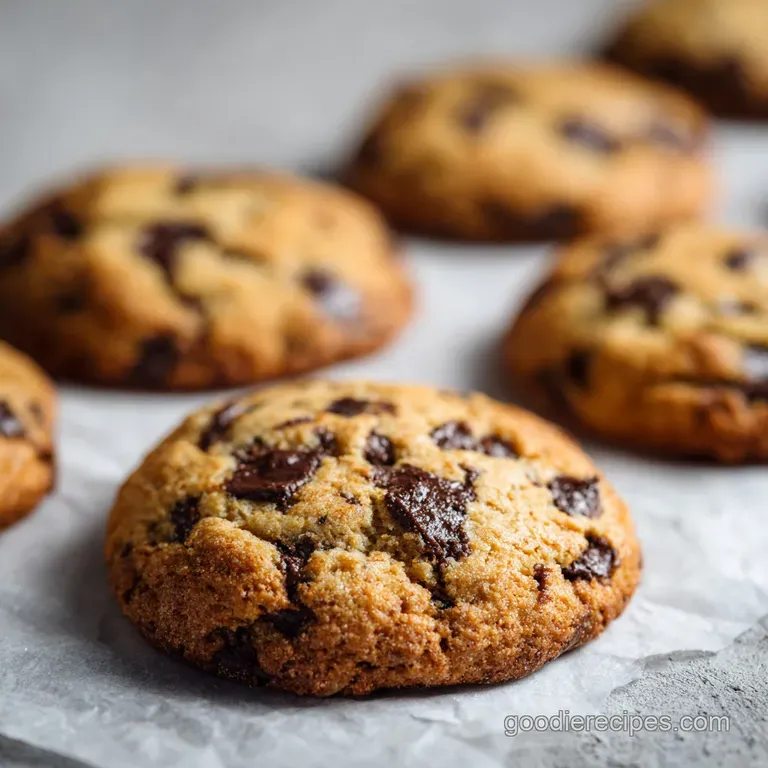
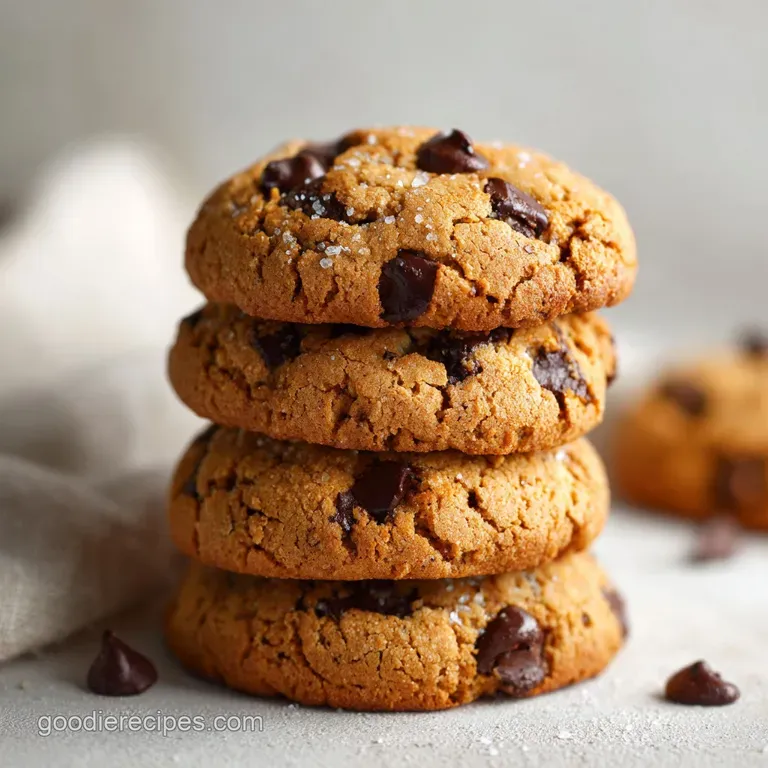
- Flavor/Texture Hook: Deeply toasted, buttery notes with a shatter crisp rim and velvety chocolate pools
- Perfect for: Sunday family baking or showing off at the neighborhood block party
- Making the best chocolate chip cookies recipe at home
- The Chemistry of the Golden Crunch
- Component Analysis of Cookie Structure
- The Alchemy of Selecting Your Elements
- Essential Tools for Seamless Baking
- Step-by-Step Culinary Transformation
- Mastery of Texture and Troubleshooting
- Guidelines for Scaling and Adaptations
- Debunking Cookie Preparation Myths
- Storage Guidelines and Zero Waste
- Visual Flourishes and Presentation
- Recipe FAQs
- 📝 Recipe Card
Making the best chocolate chip cookies recipe at home
The house smells like toasted hazelnuts and caramelized sugar, and honestly, I am not mad about it. It’s that specific moment when the butter in the pan starts to foam and crackle, turning from a pale yellow to a deep, golden amber.
I remember the first time I tried making a serious batch of cookies back in my tiny first apartment; I didn't understand why mine always came out like flat, greasy puddles while my neighbor's looked like something out of a magazine.
It took a lot of burnt edges and floury messes to realize that the secret wasn't some expensive gadget it was all in how we treat the fat and sugar.
We have all been there, staring at a recipe that promises the world but delivers a dry, crumbly disc. This journey is about unlearning those "box mix" habits and embracing the small, tactile cues that make a massive difference.
You’ll feel the weight of the dough change as you fold in the flour and hear that satisfying "thwack" as the tray hits the counter to deflate the cookies. It’s a sensory experience that ends with the best possible reward.
Trust me, once you taste the difference that browning your butter and adding an extra yolk makes, there is no going back. We are aiming for a cookie that has personality something that feels substantial when you pick it up and offers a different texture with every single bite.
Let's get into the "why" so you can bake with total confidence today.
The Chemistry of the Golden Crunch
Maillard Reaction: Browning the butter toasts the milk solids, creating complex aromatic compounds that provide a nutty, savory backbone to the sweetness.
Hygroscopic Balance: The high ratio of light brown sugar attracts and holds onto moisture more effectively than white sugar, ensuring a soft, fudgy interior.
Enzymatic Tenderizing: Using an extra egg yolk increases the fat to protein ratio, which weakens the gluten structure for a more tender, melt in-your mouth crumb.
| Method | Time | Texture | Best For |
|---|---|---|---|
| Fast Bake | 25 minutes total | Soft, pale, and very sweet | Last minute cravings |
| Classic Chilled | 24 hours rest | Deeply browned, chewy, complex | The "ultimate" results |
| Brown Butter (This Recipe) | 25 minutes total | Nutty, crisp edges, fudgy center | Maximum flavor, minimum wait |
While some people swear by a 48 hour chill, this specific method uses brown butter to "fast track" that flavor development. You get the complexity of a long aged dough without the agonizing wait, though a quick 30 minute rest in the fridge never hurts if you have the patience.
Component Analysis of Cookie Structure
| Ingredient | Science Role | Pro Secret |
|---|---|---|
| Unsalted Butter | Provides fat and flavor | Brown it until it smells like shortbread to remove water content. |
| Light Brown Sugar | Adds moisture and chew | Pack it tightly to ensure the correct volume to weight ratio. |
| Egg Yolk | Emulsifier and fat source | The extra yolk prevents the cookies from becoming "cakey" or dry. |
| Baking Soda | Leavening and browning | It reacts with the acidic brown sugar to create lift and a darker crust. |
The interplay between the baking soda and the molasses in the brown sugar is what gives these cookies their iconic mahogany hue. Without that reaction, you’d end up with a much paler, less flavorful result.
The Alchemy of Selecting Your Elements
- 1 cup (225g) unsalted butter: Why this? Allows us to control salt levels while creating rich, toasted milk solids.
- 1 1/4 cups (250g) light brown sugar, packed: Why this? The molasses content is the primary driver of that signature chewy texture.
- 1/2 cup (100g) granulated white sugar: Why this? Essential for creating the crispy, caramelized edges through evaporation.
- 1 large egg + 1 large egg yolk (room temperature): Why this? The extra yolk adds richness without the drying effect of another egg white.
- 1 tablespoon (15ml) vanilla bean paste or extract: Why this? Provides the aromatic bridge between the dark chocolate and toasted butter.
- 2 1/4 cups (280g) all purpose flour: Why this? The middle ground protein content provides enough structure without becoming tough.
- 1 teaspoon (5g) baking soda: Why this? Creates the necessary lift and promotes the Maillard (browning) reaction.
- 3/4 teaspoon (4g) fine sea salt: Why this? Sharpens all the flavors and balances the heavy sugar content.
- 1 1/2 cups (250g) semi sweet chocolate chips: Why this? These hold their shape well, providing consistent "pockets" of sweetness.
- 2 oz (60g) dark chocolate bar (70%), chopped: Why this? Chopped chocolate creates irregular "pools" and chocolate "dust" throughout the dough.
- 1 pinch flaky sea salt: Why this? The final crunch that cuts through the richness of the dark chocolate.
| Original Ingredient | Substitute | Why It Works |
|---|---|---|
| Light Brown Sugar | Dark Brown Sugar | More molasses; results in a darker, more "toffee like" cookie. |
| Vanilla Bean Paste | Pure Vanilla Extract | Same flavor profile. Note: Paste provides the visual "flecks" of vanilla. |
| Semi sweet Chips | Milk Chocolate Chips | Sweeter profile. Note: The cookies will be significantly sweeter; reduce white sugar by 10g. |
Essential Tools for Seamless Baking
You don't need a high tech kitchen to master this. I’ve made these with nothing but a wooden spoon and a sturdy bowl in a rental kitchen, and they were still incredible. The key is a good heavy bottomed pan for the butter using a thin pan increases the risk of the milk solids catching and burning before the butter is actually browned.
A standard baking sheet (sometimes called a half sheet pan) is your best friend here. If you use a dark colored pan, keep an eye on the bottoms of the cookies, as they will brown much faster than on a light aluminum tray.
Also, a simple spring loaded cookie scoop isn't just for aesthetics; it ensures every cookie is the same size so they all finish baking at the exact same moment. No one wants half a tray of burnt cookies and half a tray of raw ones!
step-by-step Culinary Transformation
- Brown the butter. Place the butter in a light colored saucepan over medium heat, whisking constantly until the foam subsides and you see dark golden specks. Note: The aroma will shift from "melting butter" to "toasted nuts" suddenly.
- Cool the fat. Pour the liquid gold into a large heat proof bowl and let it cool for 10 minutes. Note: If the butter is too hot, it will melt the sugars and change the final spread.
- Combine the sugars. Whisk the light brown sugar and white sugar into the cooled brown butter until no lumps remain and the mixture looks like wet sand.
- Incorporate the liquids. Add the egg, the extra egg yolk, and the vanilla paste. Whisk vigorously for about 2 minutes until the mixture lightens in color and becomes ribbony.
- Sift the dry ingredients. In a separate bowl, whisk the flour, baking soda, and fine sea salt.
- Merge the bases. Fold the dry ingredients into the wet mixture using a spatula until only a few streaks of flour remain. Note: Over mixing at this stage will lead to a tough, bread like cookie.
- Fold the chocolate. Add the semi sweet chips and the chopped dark chocolate bar, folding gently until the chocolate is evenly distributed.
- Portion the dough. Use a large scoop to form 18 balls of dough. If you have time, chill these for 30 minutes.
- The Golden Bake. Arrange on a lined sheet and bake at 175°C for 10 minutes until the edges are set and golden but the centers look slightly underdone.
- The Finish. Immediately sprinkle with flaky sea salt and let them rest on the pan for 5 minutes. Note: Carryover cooking finishes the centers while the edges crisp up.
Mastery of Texture and Troubleshooting
If your cookies aren't coming out exactly how you envisioned, don't worry baking is as much about the environment (humidity, oven hot spots) as it is the recipe. One thing I've learned is that most "cookie failures" happen because the butter was either too hot when the sugar was added, or the flour wasn't measured correctly.
Always use the "spoon and level" method for your flour if you aren't using a scale!
This recipe is very similar to the flavor profile of my Brown Butter Toffee recipe, which leans even harder into those caramelized notes. If you find your cookies are spreading too much, it might be that your oven isn't quite hot enough, causing the fat to melt before the structure of the flour sets.
Reasons For Excessively Flat Cookies
This usually happens when the dough is too warm or the butter wasn't cooled sufficiently. If the fat is liquid state when it hits the oven, it runs.
| Problem | Root Cause | Solution |
|---|---|---|
| Greasy puddles | Butter was too hot | Let the browned butter cool until it's opaque before mixing. |
| Dry and crumbly | Too much flour | Use a scale (280g) or spoon flour into the cup instead of scooping. |
| Pale and soft | Oven temp too low | Verify your oven with a thermometer; bake at a true 175°C. |
Common Mistakes Checklist
- ✓ Room temperature eggs are a must; cold eggs will seize the browned butter.
- ✓ Don't skip the extra yolk it's the difference between "good" and "bakery style."
- ✓ Measure the flour by weight if possible; 280g is the "sweet spot" for this hydration level.
- ✓ Take the cookies out when they look almost done. They firm up significantly as they cool.
- ✓ Use a silicone mat or parchment paper; greasing the pan directly causes too much spread.
Guidelines for Scaling and Adaptations
If you need to make a massive batch for a party, you can easily double this recipe. However, when doubling, I usually suggest only using 1.5x the salt and vanilla, as those flavors can become overwhelming in large volumes.
For a smaller household, you can actually halve the recipe quite easily; just beat one egg in a cup and use half of it, plus the single yolk.
For those who want a different flavor profile, you might enjoy the tropical notes in my Coconut Cookies in recipe, which use a similar fat to sugar ratio but swap the chocolate for toasted coconut.
Decision Shortcut for Customizing
- If you want extra chewy cookies, replace the white sugar entirely with more light brown sugar.
- If you want ultra crisp cookies, bake them for 12 minutes instead of 10 at a slightly lower temp (160°C).
- If you want bakery thick cookies, chill the dough balls in the freezer for 15 minutes before sliding them into the oven.
| Method | Servings | Pan Size | Bake Time |
|---|---|---|---|
| Standard | 18 cookies | Two large sheets | 10 minutes |
| Half Batch | 9 cookies | One large sheet | 10 minutes |
| Double Batch | 36 cookies | Four large sheets | 12 minutes (work in batches) |
Debunking Cookie Preparation Myths
One major myth is that you must cream the butter and sugar for 5+ minutes to get a good cookie. While that's true for cakes, for "the best chocolate chip cookies recipe", we actually want a denser, fudgier structure.
Over creaming incorporates too much air, which can cause the cookies to puff up and then collapse, creating a wrinkled, unattractive surface.
Another common misconception is that "more chocolate is always better." If you exceed the 1.5 cup limit too significantly, there isn't enough dough "glue" to hold the chocolate together. You’ll end up with cookies that fall apart as soon as you lift them.
The balance of 250g of chips and 60g of chopped bar chocolate is designed to give you chocolate in every bite without compromising the structural integrity of the cookie.
Storage Guidelines and Zero Waste
These cookies are at their absolute peak about 20 minutes after they leave the oven, but they store remarkably well. Keep them in an airtight container at room temperature for up to 4 days.
To revive that "just baked" feel, pop a cookie in the microwave for exactly 8 seconds it softens the chocolate pools perfectly.
If you find yourself with a few lonely, stale cookies at the end of the week, don't throw them away! I love crushing them up into coarse chunks and using them as a topping for vanilla bean ice cream or folding them into a cheesecake crust. You can also freeze the raw dough balls for up to 3 months.
Just bake them directly from frozen, adding an extra 2 minutes to the total bake time. It’s the ultimate "emergency dessert" strategy for when friends drop by unexpectedly.
Visual Flourishes and Presentation
To get those perfectly round, Instagram worthy cookies, use the "scoot" trick. As soon as the cookies come out of the oven and are still soft, place a circular glass or a large round cutter over each cookie and gently swirl it in a circular motion. This pulls in any stray edges and creates a perfect, uniform circle.
When plating, stack them slightly offset so you can see the pools of dark chocolate peeking through. A final light dusting of flaky sea salt isn't just for flavor; those large, sparkling crystals catch the light and signal to everyone that these aren't your average supermarket treats.
Serve them with a cold glass of whole milk or a bitter espresso to balance the rich, buttery sweetness of the dough. These are the kinds of cookies that disappear within minutes, so maybe keep a couple hidden in the kitchen for yourself before you bring the tray out!
Recipe FAQs
What is the secret to making good chocolate chip cookies?
Brown the butter. Browning the butter removes excess water and toasts the milk solids, creating deep, nutty, complex flavor notes that are impossible to achieve otherwise.
What is the secret to the best cookies?
Use an extra egg yolk. The higher fat-to-protein ratio introduced by the yolk tenderizes the crumb, resulting in a fudgier center and preventing the cookie from becoming cakey.
What is the secret ingredient for great cookies?
Flaky sea salt sprinkled on top immediately after baking. This small addition provides a crucial textural crunch and cuts through the richness of the melted chocolate and butter.
Is it true you must chill the dough for 24 hours for the best flavor?
No, chilling is beneficial but not mandatory for this recipe. Browning the butter fast tracks the flavor development, meaning a 30-minute rest is often enough, though you can chill up to 48 hours for even deeper complexity.
How to ensure even baking across all cookies on the tray?
Scoop dough balls to uniform size using a spring loaded scoop. This ensures that every cookie has the same mass, meaning they will finish setting at the exact same moment.
What is the #1 cookie in the United States?
The chocolate chip cookie is widely considered the perennial favorite. Its dominance is largely due to the perfect balance of chewiness, melt, and salt that recipes like this master.
How to troubleshoot cookies that spread too thin and become greasy?
Cool the browned butter longer before mixing, and use parchment paper. If the butter is too hot when mixing the sugar, it melts the structure too early; if you prefer a thicker cookie, try freezing the dough for 15 minutes before baking.
Best Chocolate Chip Cookies Recipe
Ingredients:
Instructions:
Nutrition Facts:
| Calories | 318 kcal |
|---|---|
| Protein | 3.0 g |
| Fat | 16.5 g |
| Carbs | 41.6 g |
| Fiber | 1.5 g |
| Sugar | 27.2 g |
| Sodium | 159 mg |
