Coconut Cookies: Buttery & Toasted
- Time: Active 10 minutes, Passive 10 minutes, Total 20 minutes
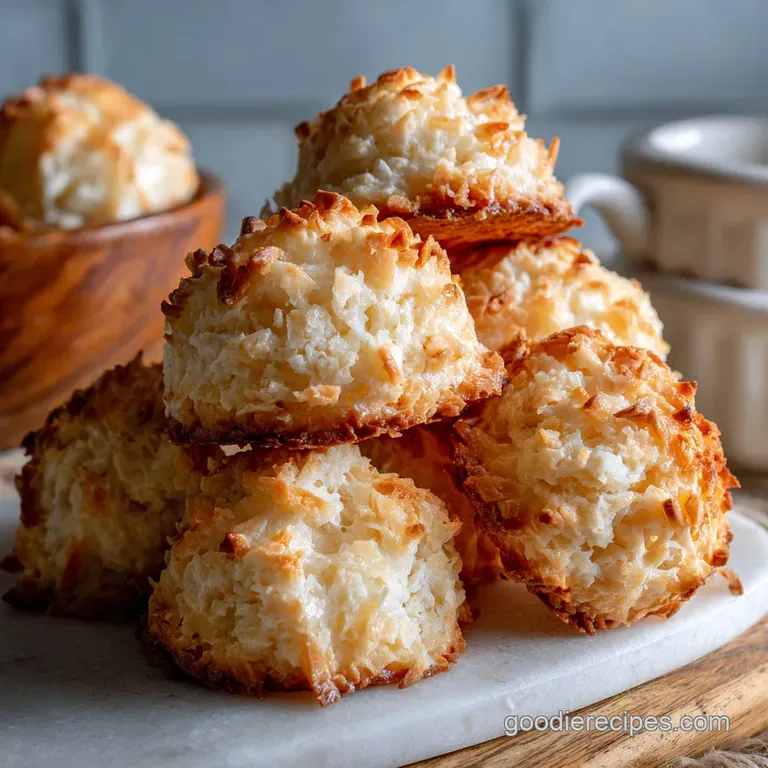
- Flavor/Texture Hook: Shatter crisp edges with a velvety, coconut rich center
- Perfect for: Last minute guests or an easy lunchbox treat
- Essential Benefits of This Recipe
- Quick Recipe Specifications
- Selecting Quality Ingredients
- Required Kitchen Tools
- Efficient Baking Instructions
- Solving Texture Issues
- Flavor Variations and Swaps
- Scaling and Batch Adjustments
- Debunking Popular Baking Beliefs
- Storage and Waste Tips
- Ideal Serving Pairings
- Recipe FAQs
- 📝 Recipe Card
The kitchen currently smells like a sun drenched beach, and it’s all because of a tray of these golden beauties cooling on the counter. I used to think that getting a deep coconut flavor meant you had to use those sticky, syrupy bags of sweetened coconut that basically turn into candy in the oven.
The result was always a tooth aching mess that stuck to the pan like glue. Then I had a "lightbulb" moment while visiting a tiny bakery in the Keys: they used unsweetened shreds and a hint of extract to let the butter really shine.
This recipe is my tribute to that discovery. It’s the kind of cookie that makes you want to pour a cold glass of milk (or maybe a coffee) and just sit for a minute. We’re skipping the fussy chilling times and long ingredient lists.
It’s all about the ratio of dark brown sugar to coconut, creating a deep caramel note that highlights the tropical fruit rather than masking it. You're going to love how the edges catch the heat and turn almost lace like while the middle stays tender.
We’ve all been there craving a treat but not wanting to spend two hours hovering over a stand mixer. These cookies are for the busy days when you need a win. I’ve refined the steps so you can go from "I’m hungry" to "shattering a warm cookie" in exactly 20 minutes.
It’s reliable, it’s simple, and honestly, it’s a bit of a family legend at this point. Let’s get your oven preheated and dive into why this specific ratio works so well.
Essential Benefits of This Recipe
The magic behind this recipe lies in the structural integrity provided by the coconut itself. Unlike a standard chocolate chip cookie where the flour does all the heavy lifting, here the coconut shreds act as a secondary binder.
This creates a more complex crumb that doesn't just crumble away; it has a satisfying "chew" that lasts even three days after baking.
Maillard Reaction: The combination of dark brown sugar and the high fat content in the coconut accelerates browning, giving you that deep, toasted aroma without overcooking the flour. This ensures the flavor is complex and nutty rather than just "sweet."
Moisture Management: Unsweetened coconut is naturally drier than the sweetened variety, which prevents the dough from becoming greasy. It absorbs just enough of the egg and butter to stay moist without losing its distinct texture.
Structural Fat: Because coconut is high in natural oils, it helps keep the cookies soft for longer. These oils remain semi solid at room temperature, which prevents the cookies from drying out as quickly as traditional butter cookies.
| Method | Time | Texture | Best For |
|---|---|---|---|
| Room Temp Butter | 20 mins | Chewy and soft | Classic everyday cookies |
| Melted Butter | 15 mins | Thin and crispy | Quick, caramelized snacks |
| Chilled Dough | 1 hour | Thick and puffy | Gift boxes or gourmet looks |
Choosing the right method depends on your schedule, but the room temperature butter approach is the gold standard for that classic "bakery style" finish. If you love the depth of toasted notes found in these methods, you'll definitely enjoy my Brown Butter Toffee recipe which uses a similar caramelization technique.
Quick Recipe Specifications
When you're aiming for consistency, precision is your best friend. I've found that using a kitchen scale is the only way to ensure the 250g of flour doesn't accidentally become 300g (which leads to a dry, bready cookie). We are looking for a dough that feels slightly tacky but doesn't coat your hands in grease.
- Checkpoint 1 (Internal Temp): Aim for a 350°F (175°C) oven, but verify with a thermometer; even a 10 degree variance can turn "chewy" into "burnt."
- Checkpoint 2 (Cookie Size): Each dough ball should weigh approximately 35g (about 2 tablespoons) to ensure they all finish at the same 10 minute mark.
- Checkpoint 3 (Doneness): Pull them when the edges are a deep golden brown but the center still looks slightly "underdone" or soft to the touch.
The chemistry of the sugars here is vital. Dark brown sugar contains more molasses than light brown sugar, which adds acidity. This acidity reacts with our 1 tsp of baking soda to create carbon dioxide bubbles.
This is what gives the cookies their initial rise before they collapse into that signature chewy ripple pattern.
Selecting Quality Ingredients
The ingredients for these coconut cookies are straightforward, but the quality of your fats will make or break the final taste. I always reach for unsalted butter so I can control the salt level myself with that 0.5 tsp of sea salt.
It’s the contrast between the salt and the tropical coconut that makes these so addictive.
| Ingredient | Science Role | Pro Secret |
|---|---|---|
| Dark Brown Sugar | Moisture retention | Provides the acidic kick needed for the baking soda to foam |
| Unsweetened Coconut | Structural bulk | Toasting the shreds for 2 minutes beforehand doubles the aroma |
| Coconut Extract | Flavor reinforcement | Acts as an aromatic bridge between the vanilla and the fruit |
For the dry foundation, we use 250g of all purpose flour. If you need a substitute, a 1:1 gluten-free flour blend (like King Arthur) works surprisingly well here because the coconut helps mask any textural differences.
Just be aware that gluten-free versions might not spread as much, so press them down slightly with a fork before baking.
For the creamed base, you'll need 227g of unsalted butter at room temperature. A quick substitute is vegan butter sticks, which offer a similar fat to water ratio. The 200g of dark brown sugar is non negotiable for that deep flavor, but if you're in a pinch, 200g of light brown sugar mixed with a tablespoon of molasses works perfectly.
Finally, for the flavor and bulk, we rely on the 150g of unsweetened shredded coconut. If you only have the sweetened version, reduce the granulated sugar (100g) by half to prevent the cookies from becoming cloyingly sweet and spreading too thin on the tray.
Required Kitchen Tools
You don't need a pantry full of gadgets to make world class cookies. In fact, a simple hand mixer is often better than a massive stand mixer because you have more control over the aeration process. For this recipe, we are focusing on minimal tools to keep the cleanup as fast as the baking.
Chef Tip: Freeze your butter for just 10 minutes before grating it if you forgot to take it out of the fridge. Grating cold butter allows it to reach room temperature almost instantly when mixed with the sugars.
A sturdy silicone spatula is essential for folding in the 150g of coconut. You want to avoid overworking the dough once the flour is in, as this develops gluten and makes the cookies tough.
A cookie scoop is my secret weapon for uniform baking; if every cookie is the same size, you won't end up with half burnt and half raw trays.
Efficient Baking Instructions
- Preheat and Prep: Set your oven to 350°F (175°C). Line two large baking sheets with parchment paper. Note: Parchment prevents the sugars in the coconut from sticking and burning.
- Cream the Fats: Beat 227g room temperature butter with 200g dark brown sugar and 100g granulated sugar until the mixture looks pale and fluffy.
- Add Aromatics: Mix in 1 large egg, 1 tsp coconut extract, and 1 tsp vanilla extract. Beat until velvety and fully combined.
- Whisk Dry Ingredients: In a separate bowl, whisk 250g flour, 1 tsp baking soda, and 0.5 tsp sea salt. Note: This ensures the leavening agent is evenly distributed.
- Combine Bases: Gradually add the flour mixture to the wet ingredients. Mix only until no white streaks remain.
- Fold the Coconut: Use a spatula to fold in 150g unsweetened shredded coconut. The dough should feel thick and pebbly.
- Portion the Dough: Scoop 2 tablespoon rounds (about 35g) onto the prepared sheets, spacing them 2 inches apart.
- Initial Bake: Slide the sheets into the oven. Bake for 10 minutes.
- The Visual Cue: Look for the edges to turn golden and start to sizzle while the center remains pale.
- Cooling Period: Let the cookies rest on the hot sheet for 5 minutes before moving to a wire rack. This allows the center to set into a chewy crumb.
Solving Texture Issues
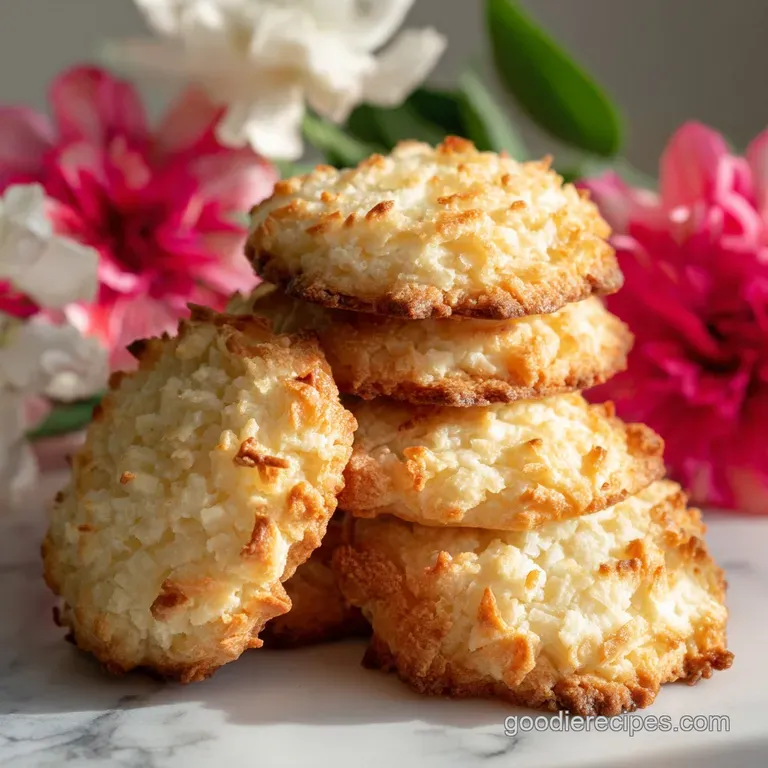
Even the best bakers hit a snag now and then. The most common issue with coconut cookies is the "spread." Because coconut has a high fat content, if your kitchen is too warm or your butter was too soft (almost oily), the cookies will melt into a single giant pancake before the edges can set.
Why Cookies Spread Flat
If your cookies look like puddles, the butter was likely too warm. When butter is over softened, it doesn't hold air bubbles during the creaming process. Without those bubbles, the structure collapses the second it hits the heat. Another culprit is over beating the egg, which adds too much liquid like air.
Preventing Dry Texture
A crumbly, dry cookie usually means there was too much flour or the oven was too hot. When flour is measured by volume (cups) instead of weight (grams), it’s easy to pack an extra 20% into the cup. This absorbs all the moisture from the egg and butter, leaving the coconut feeling like sawdust.
| Problem | Root Cause | Solution |
|---|---|---|
| Greasy Bottoms | Butter was too soft | Chill the dough balls for 15 mins before baking |
| No Spread | Too much flour | Weigh your flour (250g) and don't over mix |
| Burnt Coconut | Sweetened coconut used | Lower oven temp by 15°F and watch closely |
Common Mistakes Checklist - ✓ Always use room temperature eggs to prevent the butter from curdling. - ✓ Avoid "melting" the butter in the microwave; it destroys the emulsion. - ✓ Don't overcrowd the pan; these cookies need room to breathe and crisp up.
- ✓ Use a middle rack for baking to ensure even heat distribution from top and bottom. - ✓ Check your baking soda freshness by dropping a pinch in vinegar it should fizz instantly.
Flavor Variations and Swaps
If you're feeling adventurous, these cookies are the perfect blank canvas. For another spiced holiday favorite, try my Brown Butter Snickerdoodles recipe if you want a break from the tropical notes. However, staying within the coconut theme offers plenty of room for creativity.
Crafting Chocolate Coconut Cookies
Adding 100g of semi sweet chocolate chips to the dough transforms these into something reminiscent of a famous candy bar. The bitterness of the chocolate cuts through the richness of the coconut perfectly.
I recommend using "mini" chips so you get a bit of chocolate in every single bite without overwhelming the coconut texture.
Creating Coconut Cookies with Condensed Milk
For an ultra chewy, almost macaroon like version, you can replace the egg and granulated sugar with 1/2 cup of sweetened condensed milk. This results in a much denser, fudgier cookie. Be aware that these will be very sticky, so using a high-quality silicone mat is a must to prevent a total mess on your baking sheets.
Adapting gluten-free Coconut Cookies
As mentioned earlier, the coconut does a lot of the structural work here. When using a gluten-free flour, I like to add 1/4 tsp of xanthan gum (if your blend doesn't have it). This helps mimic the "bend" of a traditional cookie.
Also, let the dough rest for 20 minutes before baking to allow the gluten-free flours to fully hydrate, preventing a gritty mouthfeel.
Scaling and Batch Adjustments
Baking for a crowd? Doubling this recipe is quite simple, but you have to be careful with the leavening. When moving from 24 to 48 servings, I suggest using 1.5 tsp of baking soda instead of a full 2 tsp. Too much soda can leave a metallic aftertaste in larger batches.
When scaling down for a "small batch" of 12 cookies, use half an egg. Simply beat the egg in a small bowl and measure out 25g. It sounds fussy, but using a whole egg for a half batch will make the cookies cakey and puffy rather than chewy. For another quick meal idea that scales beautifully for meal prep, my Turkey Lettuce Wrap recipe is a great savory counterpoint to these sweets.
- - If you want Extra Crunch
- Replace 50g of the shredded coconut with toasted, chopped macadamia nuts.
- - If you want Chewier Centers
- Replace the white sugar entirely with more dark brown sugar.
- - If you want Lighter Cookies
- Swap the dark brown sugar for light brown sugar to reduce the molasses weight.
Debunking Popular Baking Beliefs
One of the biggest myths in the baking world is that you must chill cookie dough for 24 hours to get good flavor. While chilling helps with complex enzymes in some doughs, this coconut version is designed for instant gratification.
The coconut extract and dark brown sugar provide enough "punch" that you don't need a long rest period to develop flavor.
Another misconception is that fresh coconut is better for baking. Actually, fresh coconut contains a huge amount of variable moisture that can turn your cookies into a soggy mess. Desiccated, unsweetened shredded coconut is the industry standard for a reason: it’s consistent.
It provides the texture you want without the unpredictable water content of a fresh fruit.
Storage and Waste Tips
To keep that "shatter crisp" edge, store these cookies in an airtight container with a single piece of white bread. The bread will give up its moisture to the cookies, keeping them soft, while the cookies stay fresh for up to 5 days.
If they do start to get a bit hard, a 5 second zap in the microwave will revive that velvety center instantly.
Don't throw away the "fines" or the tiny crumbs at the bottom of the bag of coconut. I like to toast them in a dry pan until brown and use them as a topping for morning yogurt or even a Overnight Chia Oats recipe. For long term storage, these cookies freeze beautifully. Once baked and cooled, stack them with parchment paper in between and freeze for up to 3 months.
Ideal Serving Pairings
These cookies are substantial enough to stand on their own, but they really shine when paired with something slightly acidic or bitter. A strong dark roast coffee is the classic choice, as the bitterness of the bean highlights the caramel notes of the dark brown sugar.
The Island Coffee Break
Try serving these alongside a cold brew coffee with a splash of coconut milk. The creaminess of the milk mirrors the fat in the cookies, creating a seamless flavor profile. It's my favorite "Saturday morning on the porch" ritual.
The Tropical Sundae Base
If you want to get fancy, crumble two cookies over a scoop of high-quality vanilla bean ice cream. Add a drizzle of salted caramel and a pinch of lime zest. The lime zest sounds strange, but it cuts through the richness and brings out the floral notes of the coconut extract.
It’s a simple way to turn a basic cookie into a dinner party worthy dessert.
Whether you're baking these for a school bake sale or just a quiet night in, the key is to watch that oven timer. Once you master the "pull out" point where the centers look slightly soft but the edges are dancing with golden color you'll have the best coconut cookies in your repertoire. Happy baking!

Recipe FAQs
What is the name of this coconut cookie recipe?
These are classic Coconut Cookies. They are designed to deliver a tropical escape with a buttery, toasted finish, avoiding the cloying sweetness of store-bought versions.
What is the healthiest cookie to eat?
Focus on moderation and ingredient quality. While no cookie is a health food, this recipe uses unsweetened coconut and balances sugars, making it a more wholesome choice than overly sweet, processed cookies.
What is in cowboy cookies?
Cowboy cookies typically contain oats, chocolate chips, nuts, and sometimes coconut. They are known for being hearty and packed with various mix-ins, differing from the simpler focus of these coconut cookies.
What type of coconut is best in cookies?
Unsweetened shredded coconut is best. It provides the ideal texture and allows the other flavors to shine without adding excess sweetness or moisture that can lead to a greasy cookie.
Can I use sweetened coconut in these cookies?
Yes, but adjust the sugar. If you must use sweetened coconut, reduce the recipe's granulated sugar by half to prevent the cookies from becoming overly sweet and spreading too thin.
Do I need to chill the dough for these coconut cookies?
No, chilling is not required for this recipe. These cookies are designed for instant gratification, with the flavors well developed by the dark brown sugar and coconut extract, so you can bake them immediately.
How can I get crispy edges on my coconut cookies?
Bake until the edges are golden brown and sizzling. Pull the cookies out when the centers still look slightly soft, as they will continue to set on the hot baking sheet during the cooling period.
Coconut Cookies
Ingredients:
Instructions:
Nutrition Facts:
| Calories | 199 kcal |
|---|---|
| Protein | 1.8g |
| Fat | 12.0g |
| Carbs | 21.8g |
| Fiber | 1.1g |
| Sugar | 12.8g |
| Sodium | 85mg |
