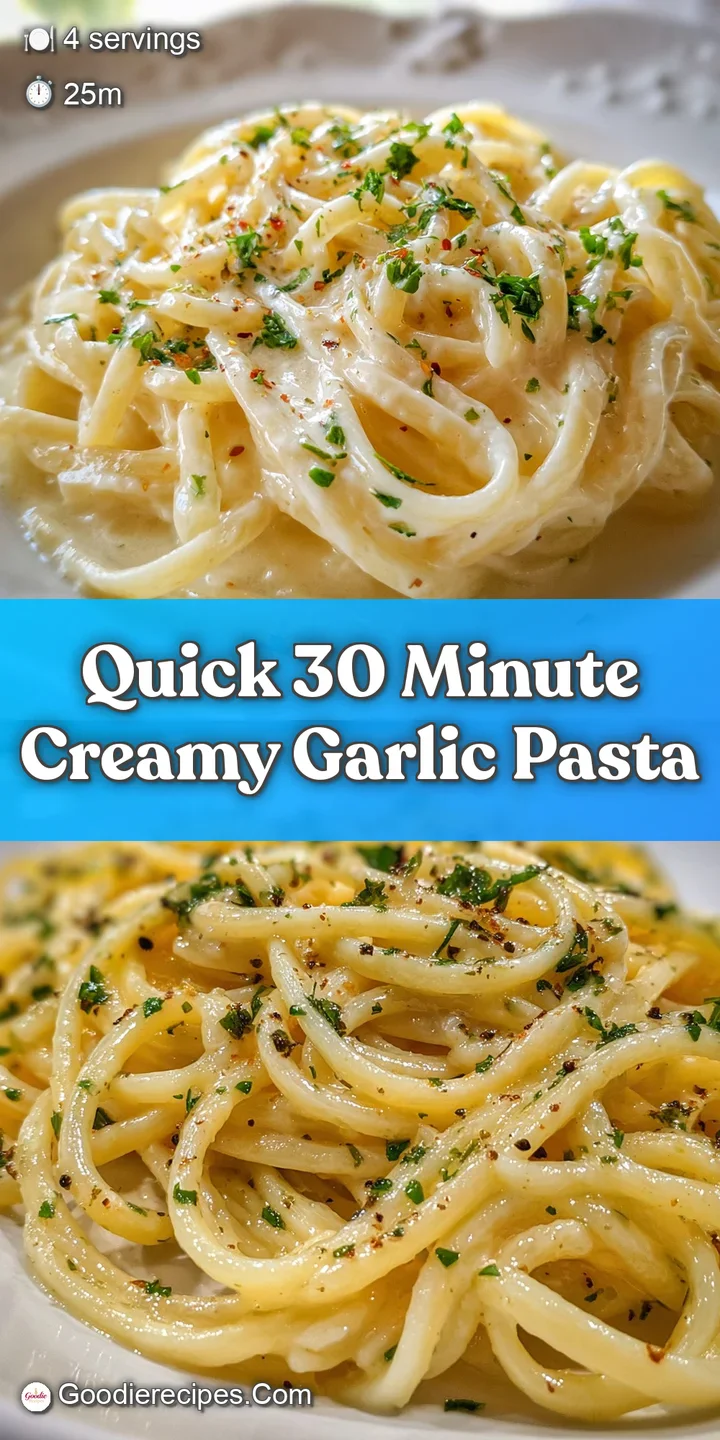
Quick 30 Minute Creamy Garlic Pasta
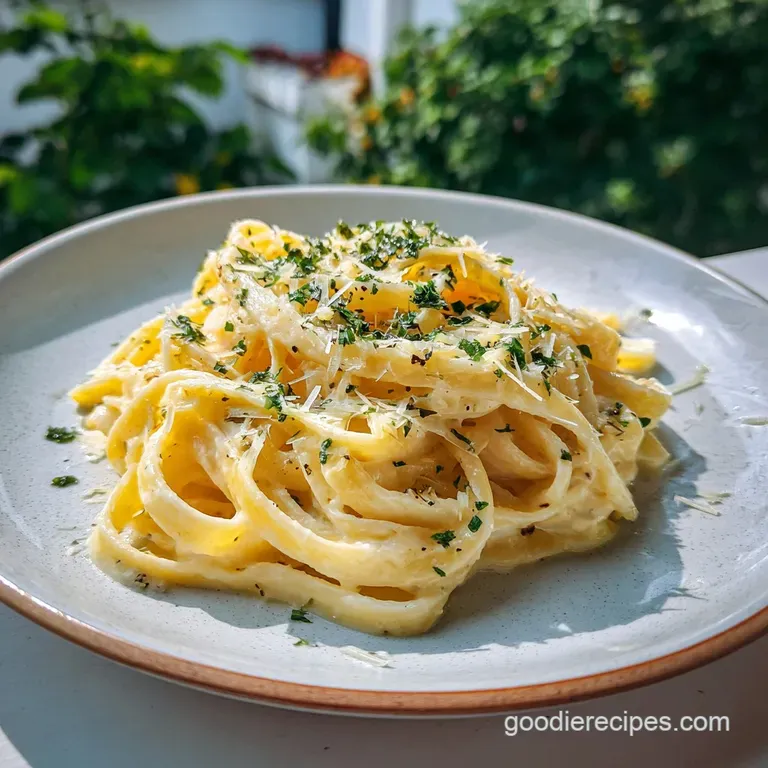
- Time: Active 10 minutes, Passive 15 minutes, Total 25 minutes
- Flavor/Texture Hook: Silky, garlic infused sauce with golden, pan seared chicken
- Perfect for: Busy weeknights when you need comfort food fast
- Mastering the Quick 30 Minute Creamy Garlic Pasta at Home
- The Molecular Science Behind Achieving a Perfectly Silky Emulsion
- Time Planning and Cooking Specs for This Fast Dinner
- Essential Ingredients and Substitutions for Your Creamy Pasta Bowl
- The Best Kitchen Tools for Fast and Efficient Execution
- Step By Step Cooking Flow for Your One Pan Meal
- Crucial Pro Tips to Prevent Sauce Separation and Clumping
- Creative Ingredient Swaps to Customize Your Garlic Pasta Dish
- Correct Storage Methods and Effective Reheating for Leftover Pasta
- Nutritious Side Dishes That Pair Well With Creamy Pasta
- Debunking Common Kitchen Misconceptions
- Very High in Sodium
- Recipe FAQs
- 📝 Recipe Card
Mastering the Quick 30 Minute Creamy Garlic Pasta at Home
You know those nights when you're staring at the fridge, starving, and the thought of boiling a massive pot of water feels like a marathon? I've been there more times than I can count. This recipe is my absolute "secret weapon" for those exact moments because it feels fancy but takes less time than ordering pizza.
The magic happens because we don't drain the pasta water we use it to build the sauce right in the pan.
I remember the first time I tried making a creamy sauce; it ended up as a clumpy, greasy mess because I rushed the heat. After a lot of trial and error (and some very questionable dinners), I figured out the trick is all about the liquid to starch ratio.
This quick 30 minute creamy garlic pasta isn't just a meal; it’s a lesson in how to let simple ingredients do the heavy lifting for you.
We are going to use a one pan method that creates a sauce so smooth it coats every single strand of fettuccine. You'll get that hit of sharp parmesan, the mellow sweetness of sautéed garlic, and a little kick from red pepper flakes.
It’s the kind of dinner that makes you feel like a pro cook even if you’re still in your pajamas. Let’s get into why this method actually works.
The Molecular Science Behind Achieving a Perfectly Silky Emulsion
Starch Concentration: Simmering pasta in a limited amount of liquid keeps the starch molecules concentrated, which acts as a natural thickener for the heavy cream. This prevents the sauce from breaking or becoming watery as it cools.
Fat in-Water Emulsion: The proteins in the heavy cream and the fats from the butter wrap around the starch particles, creating a stable "bridge" that keeps the sauce velvety. If you used only water, the fats would separate and pool at the bottom of your bowl.
Maillard Reaction: Searing the thinly sliced chicken first creates a brown crust (fond) on the bottom of the pan. When we add the liquid, those toasted protein compounds dissolve, adding deep, savory notes that you can't get from boiling alone.
Sulfur Volatility: Garlic contains allicin, which is sharp and pungent when raw but transforms into sweet, nutty compounds when gently heated in fat. Controlling the temperature during the initial sizzle ensures the flavor stays mellow rather than bitter and burnt.
| Method | Time | Texture | Best For |
|---|---|---|---|
| Stovetop (This Recipe) | 25 minutes | Silky and precise | Maximum flavor control and golden chicken. |
| Instant Pot | 18 minutes | Very soft pasta | Absolute hands off cooking for the busiest days. |
| Slow Cooker | 3 hours | Dense and heavy | Large batches where texture isn't the priority. |
Choosing the stovetop method is almost always the winner because it allows you to see the sauce thickening in real time. You can adjust the liquid levels exactly when you need to, which is much harder to do inside a sealed pressure cooker.
Trust me, that extra five minutes of standing at the stove pays off in the final bite.
Time Planning and Cooking Specs for This Fast Dinner
When you're trying to get a quick 30 minute creamy garlic pasta on the table, the order of operations is everything. I like to call this the "prep flow" where you get your knife work done before any heat touches the pan.
Because we are working with high heat for the chicken, you won't have time to peel garlic while the meat is cooking.
The specifications for this dish are built around the thickness of your chicken and the shape of your pasta. Fettuccine is the standard here because its flat surface area provides more "grip" for the heavy cream to cling to.
If you use a thinner pasta like angel hair, you'll need to cut the simmering time nearly in half to avoid a mushy disaster.
| Cooking Phase | Goal | Visual Checkpoint | Numeric Target |
|---|---|---|---|
| Chicken Sear | Build crust | Golden brown exterior | 3 minutes per side |
| Garlic Sizzle | Infuse oil | Fragrant and pale gold | 60 seconds |
| Pasta Simmer | Absorb liquid | Liquid reduced by half | 10-12 minutes |
If you find yourself needing a lighter side to balance out the richness of the cream, this dish pairs beautifully with a fresh salad. However, if you are looking for a more vegetable forward meal that still hits those comfort notes, you might enjoy my Lemon Herb Chicken recipe which uses similar aromatics but focuses on roasted textures.
Essential Ingredients and Substitutions for Your Creamy Pasta Bowl
For this recipe, we are using 1 lb of fettuccine pasta as the base. The 3 cups of low sodium chicken broth are vital because they season the pasta from the inside out as it cooks. We also need 1.5 cups of heavy cream to provide that signature richness, plus 1 cup of grated parmesan cheese for the salty finish.
The aromatics are simple: 6 cloves of garlic (don't be shy here!), 2 tbsp of unsalted butter, and 1 tbsp extra virgin olive oil. To cut through the fat, we use 1 tsp of lemon zest and 2 tbsp of fresh Italian parsley at the very end.
For the protein, 1 lb of boneless, skinless chicken breast, sliced thin, ensures every bite has a bit of meat.
| Component | Science Role | Pro Secret |
|---|---|---|
| Heavy Cream | Emulsion Base | Use room temp cream to prevent the sauce from "shocking" and curdling. |
| Chicken Broth | Flavor Hydrator | The salt in the broth seasons the pasta more deeply than plain water ever could. |
| Parmesan Cheese | Umami Binder | Grate it fresh; pre shredded cheese is coated in potato starch that makes sauces gritty. |
Don't panic if your pantry is missing one or two items. Cooking is about adapting to what you have on hand. Just keep in mind that swapping out high fat ingredients will change how the sauce coats the noodles.
| Original Ingredient | Substitute | Why It Works |
|---|---|---|
| Heavy Cream (1.5 cups) | Whole Milk + 1 tbsp Flour | Lighter feel. Note: Sauce will be thinner and less velvety than the original. |
| Chicken Broth (3 cups) | Vegetable Broth | Maintains volume. Adds more earthy, herbal notes to the final dish. |
| Fettuccine (1 lb) | Penne or Rigatoni | Same weight works. Ridged pasta holds the heavy sauce inside the tubes. |
If you decide to use whole milk instead of heavy cream, you'll want to whisk that tablespoon of flour into the cold milk before adding it to the pan. This creates a "slurry" that helps the thinner milk thicken up without the high fat content of the cream.
It’s a great trick for a Tuesday night when you’re trying to keep things a bit lighter.
The Best Kitchen Tools for Fast and Efficient Execution
You don't need a kitchen full of gadgets, but two specific tools make this quick 30 minute creamy garlic pasta a breeze. First, a large 12 inch straight sided skillet or a deep sauté pan is a must.
You need the surface area to sear the chicken, but the high sides are necessary once you add the 3 cups of broth and the pasta. A regular frying pan is usually too shallow and will lead to broth splashing all over your stove.
Second, get yourself a microplane or a very fine grater. This is essential for both the 6 cloves of garlic and the 1 tsp of lemon zest. When you grate garlic into a paste rather than just chopping it, the cells break down more completely, releasing more of those aromatic oils into the butter.
This gives you a more intense garlic flavor without the risk of biting into a large, bitter chunk of half cooked garlic.
Chef's Tip: If you find yourself cooking for a crowd often, consider using a wide Dutch oven. The cast iron retains heat better, which helps keep the sauce at a consistent simmer once the cold cream is added.
step-by-step Cooking Flow for Your One Pan Meal
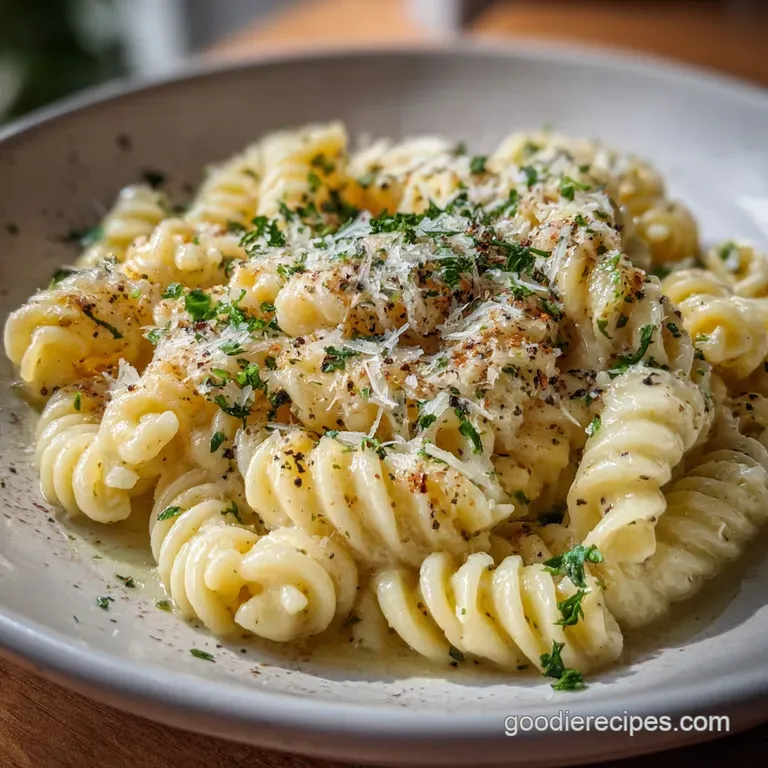
1. Sear the Aromatics and Protein
Pat your 1 lb of sliced chicken breast dry with paper towels. Heat the 1 tbsp of olive oil in your skillet over medium high heat. Once the oil shimmers, add the chicken in a single layer. Let it sit undisturbed for 3 minutes until a golden brown crust forms.
Flip and cook for another 2 minutes, then remove the chicken to a plate.
2. Infuse the Base
Lower the heat to medium and melt the 2 tbsp of butter in the same pan. Add your 6 minced cloves of garlic and 0.5 tsp of red pepper flakes. Stir constantly for about 60 seconds until the aroma fills the kitchen. Don't let the garlic turn brown; we want a pale straw color to keep the flavor sweet.
3. De glaze and Simmer
Pour in the 3 cups of chicken broth, 1 tsp kosher salt, and 0.5 tsp black pepper. Use a wooden spoon to scrape up all those brown bits from the bottom of the pan that’s pure flavor. Bring the liquid to a rolling boil.
4. Add the Pasta
Slide the 1 lb of fettuccine into the boiling broth. You might need to nudge them down as they soften. Reduce the heat to medium low and cover the pan. Simmer for about 8 to 10 minutes, tossing the noodles occasionally with tongs to prevent sticking.
5. Incorporate the Cream
Once the pasta is al dente and most of the broth is absorbed, pour in the 1.5 cups of heavy cream. Stir well to combine. Let it simmer uncovered for 2 to 3 minutes until the sauce begins to bubble and thicken.
6. The Final Emulsion
Turn off the heat entirely. This is crucial! Fold in the 1 cup of grated parmesan cheese, 2 tbsp of fresh parsley, and 1 tsp of lemon zest. The residual heat will melt the cheese into a perfectly smooth sauce. Add the cooked chicken back into the pan and toss one last time.
7. Texture Check
If the sauce looks too thick, add a splash of warm water or extra broth. If it looks too thin, just let it sit for 2 minutes; it will thicken significantly as it cools. Serve immediately while it's still glossy and warm.
Crucial Pro Tips to Prevent Sauce Separation and Clumping
The biggest mistake people make with this quick 30 minute creamy garlic pasta is adding the cheese while the pan is still over high heat. High heat causes the proteins in the cheese to tighten and clump, which leaves you with a stringy mess and a watery sauce.
Always pull the pan off the burner before the parmesan goes in.
Another trick I've learned is to freeze your block of parmesan for about 10 minutes before grating it. This makes the cheese firmer and prevents it from clumping together in the grater, ensuring you get those fine, snow like shards that melt instantly into the heavy cream.
It’s a small step that makes a massive difference in the final texture.
Why Your Sauce Might Break
A "broken" sauce is when the fat separates from the liquid, leaving a greasy film. This usually happens if the sauce boils too vigorously after the cream is added. Keep it at a gentle simmer, never a hard boil, once the dairy is in the pan.
The Starch Secret
If you decide to boil the pasta separately (though I don't recommend it for this recipe), save a cup of that cloudy pasta water. If your sauce ever gets too thick or "tight," that starchy water is the only thing that will loosen it back up without making it feel thin or oily.
| Problem | Root Cause | Solution |
|---|---|---|
| Clumpy Cheese | Added to boiling liquid | Remove from heat and stir in cheese gradually. |
| Bland Sauce | Not enough salt in broth | Add a splash of lemon juice or extra parmesan at the end. |
| Mushy Pasta | Simmered too long | Check doneness 2 minutes before the package instructions suggest. |
Common Mistakes Checklist: ✓ Pat the chicken dry before searing (prevents steaming and gray meat). ✓ Grate your own cheese (avoids the waxy coating on pre shredded bags). ✓ Don't wash the pan after searing chicken (those brown bits are the sauce's soul).
✓ Use a large enough skillet so the pasta isn't crammed together. ✓ Wait for the sauce to thicken slightly before adding the final cheese.
Creative Ingredient Swaps to Customize Your Garlic Pasta Dish
When it comes to scaling this recipe, the math is fairly straightforward. If you want to cut the recipe in half for a solo dinner, use a smaller 10 inch pan and reduce the simmering time by about 20%.
For the egg, if you were using a recipe that required them, you'd beat one and use half, but here we just focus on the liquid ratios.
If you are doubling the recipe for a party, you'll likely need to work in two separate pans or one very large 7 quart Dutch oven. When doubling, don't double the salt immediately; start with 1.5x the salt and taste as you go.
Liquids should be reduced by about 10% when doubling because less evaporation happens in a larger volume.
For a Spicy Kick
If you love heat, double the red pepper flakes and add a teaspoon of smoked paprika to the chicken as it sears. This gives the dish a "Cajun lite" vibe that is incredibly addictive.
Adding Greenery
I often toss in two cups of fresh baby spinach during the final 2 minutes of simmering. The heat from the cream wilts the spinach perfectly without requiring an extra pan. It adds color and a nice earthy balance to the garlic.
| Premium Ingredient | Budget Alternative | Flavor Impact |
|---|---|---|
| Fresh Scallops | Sliced Chicken | Chicken is more savory; scallops are sweeter and more delicate. |
| Heavy Cream | Half and Half | Slightly less rich mouthfeel but saves about 150 calories per serving. |
| Fresh Herbs | Dried Parsley | Dried is less vibrant; use only 1/3 the amount of fresh. |
If you're in the mood for something completely different but still want that comforting, creamy vibe, you might want to try a Creamy Tomato Basil recipe. It uses similar dairy emulsion techniques but applies them to a vibrant vegetable base, which is perfect for dipping crusty bread.
Correct Storage Methods and Effective Reheating for Leftover Pasta
Leftover quick 30 minute creamy garlic pasta can be a bit tricky because the pasta continues to soak up the sauce as it sits in the fridge. To store it properly, let it cool to room temperature first, then place it in an airtight container. It will stay fresh for up to 3 days.
When it's time to reheat, do not just throw it in the microwave on high. That will break the sauce and leave you with oily noodles. Instead, put the pasta in a small skillet over low heat. Add a tablespoon of milk or water and stir gently as it warms up.
This "re hydrates" the sauce and brings back that silky texture we worked so hard for.
Freezing Guidelines
I generally don't recommend freezing cream based pasta dishes. The molecular bond between the fat and the starch often breaks during the freezing and thawing process, resulting in a grainy texture.
However, if you must, freeze it in a flat freezer bag to minimize air contact and thaw it slowly in the fridge overnight before reheating on the stove.
Zero Waste Tips
Don't throw away those parsley stems! Finely chop the tender upper stems and add them to the pan at the same time as the garlic. They have just as much flavor as the leaves. Also, if you have the rind from your parmesan block, toss it into the simmering broth while the pasta cooks.
It adds a massive boost of umami and can be pulled out before serving.
Nutritious Side Dishes That Pair Well With Creamy Pasta
Since this pasta is quite rich, I always look for sides that offer acidity or crunch. A simple arugula salad with a lemon vinaigrette is my go to. The peppery bite of the greens cuts through the heavy cream perfectly. Roasted broccoli or asparagus with a heavy squeeze of lemon also works wonders to balance the plate.
Another fun option is to serve this alongside some garlic bread, though that might be garlic overload for some! If you’re hosting a weekend brunch and want something totally different to follow up a savory dinner, you could even prep some Fluffy Pancakes Recipe for the next morning. It’s all about creating a balanced food "ecosystem" in your kitchen.
Vegetable Infusions
If you want to skip the side dish entirely, you can roast some cherry tomatoes in a separate pan until they burst and stir them into the pasta at the end. The acidity of the tomatoes acts as a "palate cleanser" between bites of the creamy sauce.
Bread Pairings
A crusty baguette or sourdough is almost mandatory here. You’ll want something to mop up every last drop of that garlic sauce from the bottom of your bowl. Just lightly toast it with a bit of olive oil and a pinch of sea salt for the best experience.
Debunking Common Kitchen Misconceptions
One common myth is that you must add oil to your pasta water to keep the noodles from sticking. This is actually counterproductive! The oil creates a slick coating on the pasta that prevents the sauce from clinging to it.
In this one pan recipe, the constant stirring and the fat from the butter handle the sticking naturally.
Another misconception is that "cooking wine" is a good substitute for broth or cream. Most grocery store cooking wines are loaded with salt and preservatives that can ruin the balance of a delicate garlic sauce.
If you want to add wine, use a dry white like Pinot Grigio, but do it right after the garlic sizzles so the alcohol has time to evaporate.
Finally, many people think that more cream always equals a better sauce. In reality, the best sauces are a balance of fat, starch, and acidity. That’s why we use the chicken broth and the lemon zest. Without them, the dish would feel "one note" and heavy.
The broth provides the depth, the cream provides the body, and the lemon provides the finish.
Very High in Sodium
1210 mg mg of sodium per serving (53% % of daily value)
The American Heart Association recommends limiting sodium intake to about 2,300mg per day for most adults.
Tips to Reduce Sodium in Your Fettuccine Alfredo:
-
Broth Swap-30%
Use homemade or no-sodium added chicken broth instead of low-sodium broth. This simple swap can significantly cut down on the sodium content.
-
Parmesan Control-15%
Reduce the amount of parmesan cheese by half, or substitute with a lower sodium cheese option. Parmesan is a significant source of sodium in this dish.
-
Salt Reduction-25%
Cut the amount of kosher salt in half or eliminate it entirely. Taste and adjust after cooking to avoid over salting.
-
Acid Boost
Enhance the flavor with more lemon zest or a splash of lemon juice. The acidity will brighten the dish and help compensate for reduced salt.
-
Herb Power
Increase the amount of fresh Italian parsley and experiment with other herbs like basil or oregano to add depth and flavor without sodium.
Recipe FAQs
Can I use dried garlic or garlic powder instead of fresh garlic?
No, stick with fresh garlic. Dried garlic and powder have a very different flavor profile and won't provide the same sweet, mellow notes when sautéed in butter.
What kind of pasta is best for this recipe?
Fettuccine is ideal due to its flat surface. This shape allows the creamy sauce to cling perfectly, but other flat or ridged pastas like linguine or penne will also work well.
How do I prevent the sauce from becoming greasy?
Ensure your heavy cream is at room temperature. Adding cold cream to a hot pan can shock it, causing the fat to separate. Also, avoid boiling vigorously after the cream is added.
Can I make this recipe vegetarian?
Yes, easily. Omit the chicken and use vegetable broth instead of chicken broth. You can add sautéed mushrooms or extra vegetables for more substance.
My sauce seems too thin, what can I do?
Simmer it uncovered for a few more minutes. Allow the sauce to gently bubble and reduce until it reaches your desired thickness; the residual heat will thicken it further as it cools slightly.
How long does this pasta keep in the refrigerator?
Up to 3 days in an airtight container. The pasta will continue to absorb sauce as it sits, so you might need to add a splash of liquid when reheating.
Is it true that I shouldn't drain pasta water when making creamy sauces?
Yes, this is a key technique for creamy sauces. The starch released from the pasta into the cooking liquid helps to emulsify and thicken the sauce naturally, preventing it from being watery.
Creamy Garlic Pasta
Ingredients:
Instructions:
Nutrition Facts:
| Calories | 1065 calories |
|---|---|
| Protein | 56g |
| Fat | 54g |
| Carbs | 89g |
| Fiber | 4g |
| Sugar | 5g |
| Sodium | 1210mg |
