Cinnamon Twists: Buttery & Shatter Crisp

- Time: Active 25 mins, Passive 55 mins, Total 1 hours 20 mins
- Flavor/Texture Hook: Shatter crisp exterior with a buttery, velvety crumb
- Perfect for: Lazy Sunday mornings or a budget-friendly holiday brunch
- Mastering My Family Favorite Homemade Cinnamon Twists
- Essential Techniques for Achieving Flaky Dough
- Recipe Specifications for a Perfect Batch
- Pantry Staples for These Sweet Twists
- Simple Kitchen Tools for Easier Baking
- Step-by-Step Guide to Shaping and Baking
- Solving Texture and Shape Issues Easily
- Budget Swaps and Creative Flavor Variations
- Debunking Common Baking Myths
- Guidelines for Storing and Reviving Leftovers
- Finishing Touches for Professional Looking Pastries
- Recipe FAQs
- 📝 Recipe Card
Mastering My Family Favorite Homemade Cinnamon Twists
The spicy sweet perfume of Saigon cinnamon hitting warm milk is a scent that immediately transports me back to my aunt’s cramped, flour dusted kitchen. I remember watching her twist ropes of dough with such speed they looked like blurry fans.
My first attempt at making these was, honestly, a total disaster I used milk that was too hot, killed the yeast, and ended up with cinnamon flavored bricks that could have doubled as doorstops. But that failure taught me the most important lesson in baking: temperature is everything.
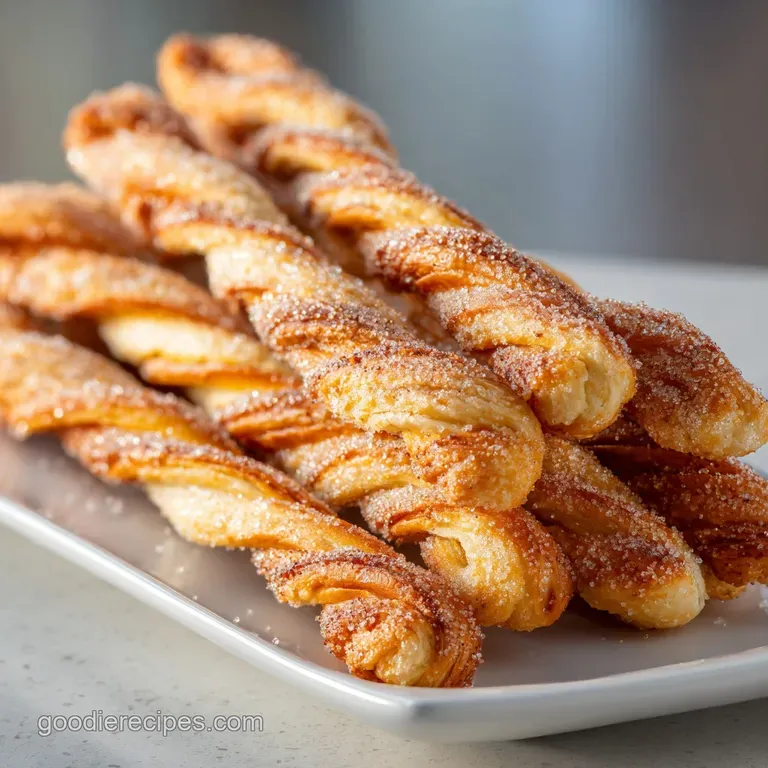
We are going for that specific, golden brown glow and a texture that offers a distinct crunch before melting away. This version of Cinnamon Twists uses a clever trick with cold, cubed butter to mimic the flaky layers of a croissant without the three day labor of love.
It is the kind of recipe that makes your house smell like a professional bakery for pennies on the dollar. You don't need fancy equipment or high end imports; just basic pantry staples and a little bit of patience while the yeast does its heavy lifting.
I’ve spent years tweaking the ratios to ensure these stay soft on the inside while the outside gets that signature caramelized "sizzle" in the oven. We'll be using all purpose flour because it provides just enough structure without making the twists tough.
Trust me on this, once you see those twists puff up and the sugar starts to bubble into a dark amber lace, you will never go back to the canned stuff again. Let's crack on and get your hands in some flour.
Essential Techniques for Achieving Flaky Dough
The Steam Explosion: Cold butter cubes create tiny pockets of fat that vaporize during baking, forcing the dough upward to create a shattered, flaky texture.
Yeast Fermentation: The 7g of active dry yeast consumes the 50g of granulated sugar, releasing carbon dioxide gas which inflates the gluten structure for a light crumb.
Maillard Reaction: The protein in the 120ml of whole milk reacts with the sugars at 350°F (180°C) to produce that deep, golden brown crust and complex toasted aroma.
Gluten Relaxation: A 55 minute passive rise allows the elastic proteins to soften, making the dough easy to stretch into long ropes without it snapping back.
| Method Type | Time Investment | Texture Result | Best For |
|---|---|---|---|
| Fast (Puff Pastry) | 25 minutes | Airy and light | Last minute guests |
| Classic (Yeasted) | 1 hour 20 mins | Chewy and rich | Authentic flavor |
| No Rise (Biscuit) | 35 minutes | Dense and cakey | Quick breakfast |
Using the yeasted method provides a depth of flavor that store-bought shortcuts just can't replicate. The yeast develops a slight tang that cuts through the richness of the 55g of butter, creating a balanced treat that isn't cloyingly sweet.
Recipe Specifications for a Perfect Batch
| Ingredient | Science Role | Pro Secret |
|---|---|---|
| All purpose Flour | Provides structural gluten | Sift it twice for a lighter, more velvety crumb |
| Warm Whole Milk | Hydrates yeast and fats | Keep it at 110°F (43°C) to avoid killing yeast |
| Cold Cubed Butter | Creates steam pockets | Freeze for 10 mins before mixing for extra flakes |
| Saigon Cinnamon | Provides essential oils | Use "Saigon" variety for a more intense, spicy punch |
Selecting the right ingredients makes a massive difference in the final outcome of your Cinnamon Twists. For example, using whole milk instead of skim provides the necessary fat to keep the dough from drying out during the bake.
Pantry Staples for These Sweet Twists
- 250g All purpose flour: The foundation of our structure. Why this? Provides enough protein for chew without becoming tough like bread flour.
- Substitute: White whole wheat flour (adds a nuttier flavor but slightly denser).
- 120ml Warm whole milk (110°F/43°C): Our primary hydrator. Why this? The fat content ensures the crumb remains soft for days.
- Substitute: Unsweetened almond milk (works well but the crust will be less golden).
- 50g Granulated sugar: Food for the yeast. Why this? Sweetens the dough slightly while assisting with the rising process.
- Substitute: Honey (use 40g, but the dough will be slightly stickier).
- 7g Active dry yeast: Our leavening agent. Why this? Provides a reliable, steady rise and classic fermented aroma.
- Substitute: Instant yeast (use the same amount, skip the proofing step).
- 55g Unsalted butter, cold and cubed: The secret to the flake. Why this? Cold fat creates layers as it melts in the oven.
- Substitute: Vegan butter sticks (must be very cold, not tub margarine).
- 1 Large egg: Adds richness and color. Why this? Emulsifies the dough and contributes to a silky mouthfeel.
- Substitute: 1/4 cup unsweetened applesauce (results in a slightly more moist, dense twist).
- 0.5 tsp Sea salt: The flavor enhancer. Why this? Sharpens the sweetness and regulates yeast activity.
- Substitute: Table salt (use 1/4 tsp to avoid over salting).
- 100g Granulated sugar (for rub): Creates the crunchy exterior.
- 2 tbsp Ground Saigon cinnamon: The star of the show.
- 30g Salted butter, melted: The "glue" for our cinnamon sugar.
- 60g Powdered sugar: The base for our velvet glaze.
- 1 tbsp Heavy cream: For a pourable, rich icing.
- Substitute: Whole milk (will make a thinner, more translucent glaze).
- 0.5 tsp Vanilla bean paste: For those beautiful little black specks.
- Substitute: Vanilla extract (same amount, just no visible flecks).
Simple Kitchen Tools for Easier Baking
To get the best results with your Cinnamon Twists, a few specific tools will make your life much easier. First, a digital kitchen scale is non negotiable for that 250g of flour; measuring by volume is the quickest way to end up with dry, tough dough.
You'll also want a solid rolling pin to get an even thickness, ensuring every twist bakes at the same rate.
A pastry brush is essential for applying that 30g of melted butter without tearing the delicate dough. If you don't have one, the back of a small spoon can work in a pinch, but it's less efficient. Finally, a large, sharp knife or a pizza cutter will give you those clean, straight lines needed for the perfect spiral.
I personally prefer a pizza cutter because it doesn't "drag" the dough as much as a blade.
step-by-step Guide to Shaping and Baking
Preparing the Yeasted Base
- Whisk 120ml warm milk (110°F) with 50g granulated sugar and 7g yeast. Note: Let it sit for 5-8 minutes until it looks foamy and smells like bread.
- Combine 250g flour and 0.5 tsp sea salt in a large bowl, then rub in 55g cold cubed butter using your fingers. Note: Stop when the mixture looks like coarse breadcrumbs with pea sized lumps.
- Pour the yeast mixture and 1 large egg into the flour. Note: Stir with a wooden spoon until a shaggy, sticky ball forms.
- Knead the dough on a lightly floured surface for 5-7 minutes. Note: Continue until the dough feels smooth, elastic, and bounces back when poked.
- Place the dough in a greased bowl, cover, and let rise in a warm spot for 45-55 minutes. Note: Wait until it has doubled in size and looks airy.
Shaping and Adding Flavor
- Punch down the dough and roll it out on a floured surface into a large rectangle (about 12x15 inches). Note: Aim for about 1/4 inch thickness across the entire sheet.
- Brush the surface with 30g melted salted butter and generously sprinkle the mix of 100g sugar and 2 tbsp cinnamon. Note: Press the sugar lightly with your hands so it adheres to the butter.
- Fold the dough in half lengthwise and cut into 12 even strips using a pizza cutter. Note: Each strip should be roughly 1 inch wide for consistent baking.
- Twist each strip 3-4 times by holding both ends and rotating in opposite directions. Note: Place on parchment until they look like tight, elegant spirals.
- Bake at 350°F (180°C) for 12-15 minutes. Note: Remove until the edges are deep gold and the sugar is bubbling.
Chef's Note: If your kitchen is cold, turn your oven on for 30 seconds, then turn it off. This creates a "proofing box" environment that helps the yeast thrive without overheating it.
Solving Texture and Shape Issues Easily
Dealing with Unrolled Pastry
It is incredibly frustrating when you pull your tray out and see your beautiful spirals have turned into flat planks. This usually happens because the ends weren't secured properly. When you place the twisted dough on the baking sheet, make sure to press the ends firmly down onto the parchment paper.
If you find the dough is "fighting" you and untwisting immediately, let the strips rest for two minutes after cutting to allow the gluten to relax before you start the twisting motion.
Managing a Burnt Base
Cinnamon sugar has a high sugar content which means it can go from caramelized to burnt in a matter of seconds. If the bottoms of your Cinnamon Twists are turning black before the tops are done, it's likely your oven rack is too low. Move the tray to the upper third of the oven.
Another trick is to use a "double pan" place your baking sheet inside another identical sheet to create an air pocket that insulates the bottom of the pastries from direct heat.
| Problem | Root Cause | Solution |
|---|---|---|
| Dough won't rise | Milk was too hot (>120°F) | Restart with milk at 110°F to keep yeast alive |
| Twists are tough | Over kneading the dough | Stop kneading as soon as the dough is smooth |
| Sugar rub falls off | Not enough melted butter | Ensure every inch of the dough is brushed before topping |
Handling Excessively Sticky Dough
If the dough is clinging to your fingers like glue, don't panic and dump in a cup of flour. This will make the final product dry. Instead, lightly grease your hands with a bit of neutral oil. If it's still unmanageable, pop the dough in the fridge for 15 minutes.
Cold dough is significantly easier to handle because the fats solidify and the flour has more time to fully hydrate.
- ✓ Check your yeast freshness by proofing in warm water first
- ✓ Use a thermometer to ensure milk isn't over 110°F
- ✓ Flour your work surface and rolling pin generously
- ✓ Always use parchment paper to prevent sugar sticking
- ✓ Let the twists cool for 5 minutes before glazing to prevent melting
Budget Swaps and Creative Flavor Variations
If you're looking to save a few dollars, you can easily swap the heavy cream in the glaze for whole milk; the result will be a thinner, more traditional icing similar to what you'd find on a donut. For a twist on the flavor, try replacing the cinnamon with a chai spice blend or even a bit of citrus zest in the sugar rub. If you want to save time on the topping, my Cinnamon Roll Icing recipe is a total lifesaver and uses basic pantry items you likely already have.
For those who love these flavors but want something no bake and even more budget friendly, check out the Churro Rice Krispie recipe. It uses the same cinnamon sugar profile but with a much faster turnaround. When scaling this recipe, if you're doubling it for a crowd, remember that you don't need to double the salt or spices exactly aim for 1.5x the amount to avoid an overpowering flavor.
| Servings | Dough Adjustment | Pan Size | Total Bake Time |
|---|---|---|---|
| 6 People | Halve all ingredients | 9x9 Inch | 12 minutes |
| 12 People | Standard Recipe | 12x15 Inch | 15 minutes |
| 24 People | Double ingredients | Two 12x15 Inch | 18 minutes (rotate) |
Debunking Common Baking Myths
One common myth is that "more sugar makes the dough rise faster." In reality, too much sugar actually draws moisture away from the yeast cells through osmosis, which can slow down or even kill the fermentation process. Stick to the 50g in the dough for the best lift.
Another misconception is that the dough must rise in a very hot place. A consistent temperature of around 75°F to 80°F is actually better than a scorching 100°F environment.
High heat can make the yeast work too quickly, resulting in a "beery" off flavor and a weak structure that collapses in the oven.
Finally, many people think you can't over knead by hand. While it's harder than using a machine, you can still toughen the dough if you work it for 15-20 minutes. Once it passes the "windowpane test" (where you can stretch a small piece thin enough to see light through it without breaking), you're good to go.
Guidelines for Storing and Reviving Leftovers
To keep your Cinnamon Twists fresh, store them in an airtight container at room temperature for up to 2 days. If you want them to last longer, they will keep in the fridge for about 5 days, though they may lose some of that initial crunch.
For long term storage, wrap individual twists in plastic wrap and place them in a freezer bag; they'll stay good for up to 3 months. To reheat, avoid the microwave as it makes them rubbery.
Instead, pop them in a 350°F (180°C) oven or air fryer for 3-4 minutes to restore that "shatter" to the crust.
Don't let any scraps go to waste! If you have odd shaped ends or leftover cinnamon sugar, toss them into a small greased ramekin and bake them alongside the twists for a "chef's snack." If you have twists that have gone stale, they make an incredible base for a bread pudding.
Simply tear them into chunks, soak them in a basic custard of egg and milk, and bake until set. The cinnamon sugar already in the twists provides most of the flavoring you'll need.
Finishing Touches for Professional Looking Pastries
Getting that coffee shop aesthetic is all about the glaze application. Instead of just dumping the icing over the top, use a spoon to drizzle it in a back and forth motion while the twists are still slightly warm but not hot.
This allows the glaze to set into beautiful, opaque ribbons rather than soaking into the dough. For an extra touch of "fancy," sprinkle a tiny pinch of coarse flaky sea salt over the glaze; it makes the cinnamon flavor pop and prevents the sugar from feeling one dimensional.
These twists pair perfectly with a strong cup of black coffee or a cold glass of milk. If you're serving them at a brunch, a small bowl of fresh raspberries or sliced apples on the side provides a tart contrast to the rich, buttery pastry. If you're feeling adventurous, you can even serve them with a side of warm chocolate ganache for dipping. For another decadent treat with a similar silky texture, you might want to try my Red Velvet Cake recipe which focuses on that same balance of moisture and flavor.
Recipe FAQs
What are cinnamon twists from Taco Bell made of?
They are yeast leavened fried dough coated in cinnamon sugar. While the commercial version uses proprietary ingredients, the core components are flour, yeast, sugar, and seasoning. Our homemade version relies on cold butter rubbed into the flour to mimic flakiness.
Are homemade cinnamon twists crunchy or soft?
They should be both: crunchy exterior, soft interior. The crunch comes from the caramelized cinnamon sugar coating baked at high heat, while the yeast structure keeps the inside light and velvety.
What ingredients are needed for the cinnamon sugar coating?
You need 100g granulated sugar and 2 tablespoons of ground Saigon cinnamon. This dry mixture is sprinkled over the buttered dough just before twisting. For the glaze, you will also need powdered sugar, heavy cream, and vanilla bean paste.
What is the secret to the best cinnamon rolls (or twists)?
The secret is controlling the butter temperature to create layers. Cold, cubed butter melts in the oven, turning to steam, which forces the dough apart into flaky layers. If you enjoyed mastering this fat incorporation technique, see how the same principle applies to achieving flakiness in our Puff Pastry Hearts recipe.
How can I ensure my yeast rises properly for the twists?
Activate the yeast in milk warmed to exactly 110°F (43°C). Temperatures above this will kill the yeast, resulting in dense dough. If your environment is cold, allow the dough to rise in a slightly warm, draft free spot for closer to an hour.
How to revive day-old cinnamon twists so they are not rubbery?
Reheat them in a 350°F oven or air fryer for 3-4 minutes. The microwave heats the water inside the dough too quickly, causing it to contract and become tough or rubbery. This brief, dry heat restores the signature crispness.
Can I use substitute ingredients for the rich, soft crumb?
Yes, whole milk can be substituted with unsweetened almond milk, but the crust color will be less golden. The fat content in whole milk is crucial for preventing dryness. For a completely different kind of rich, soft bake that also uses milk as a primary binder, check out the French Toast Muffins recipe.
Easy Cinnamon Twists Recipe
Ingredients:
Instructions:
Nutrition Facts:
| Calories | 216 kcal |
|---|---|
| Protein | 3.4 g |
| Fat | 7.2 g |
| Carbs | 35.2 g |
| Fiber | 1.1 g |
| Sugar | 18.3 g |
| Sodium | 113 mg |
