Fluffy Homemade Donuts Recipe
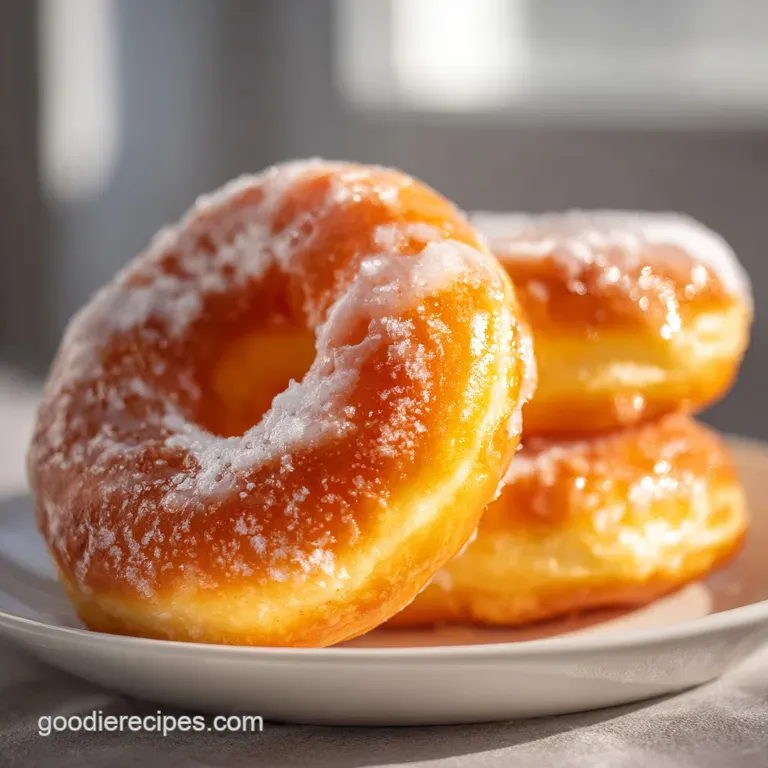
- Time: Active 45 mins, Passive 2 hours 30 mins, Total 3 hours 15 mins
- Flavor/Texture Hook: Airy, buttery crumb with a silky vanilla finish
- Perfect for: Slow Sunday mornings or making kids the happiest people on earth
- Mastering a Fluffy Homemade Donuts Recipe
- Why This Method Works Best
- Essential Recipe Metrics
- Selecting Quality Ingredients
- Minimal Equipment Needed
- The Detailed Cooking Process
- Overcoming Common Kitchen Hurdles
- Delicious Doughnut Variations
- Scaling Your Batch
- Storage and Reheating Advice
- Creative Serving Ideas
- Myths About Frying Dough
- Recipe FAQs
- 📝 Recipe Card
Mastering a Fluffy Homemade Donuts Recipe
The first time I tried making a homemade donuts recipe, I ended up with what could only be described as greasy hockey pucks. My kitchen smelled like a fast food joint, and I almost gave up on the idea entirely.
But then, I smelled the yeast blooming in warm milk at a local bakery, and that sweet, earthy aroma pulled me back in. I realized I was rushing the process and treating the dough like a brick instead of a living thing.
Since that disaster, I've spent years tweaking the hydration and the fry time to get that "bakery style" ring that stays soft even after it cools. It's not about fancy equipment, it's about patience and a bit of kitchen science.
When you see that dough puff up in the hot oil and the first golden ring appears, you'll feel like a total pro. Trust me on this, once you master the feel of the dough, you'll never look at a store-bought box the same way again.
We're going for a classic enriched dough here. It’s the kind of recipe that makes the house feel warm and inviting. You don't need a heavy duty fryer or any complicated gadgets. Just a heavy pot, a thermometer, and a little bit of counter space. Let's get into what makes this work so well.
Why This Method Works Best
Getting a donut to be light rather than dense comes down to how we treat the yeast and the fat. We're using butter and eggs to create a rich structure that still allows for massive air pockets. It's a balance of strength and softness.
- The Physics of the Proof: Yeast consumes sugar to produce carbon dioxide, which gets trapped by the gluten network in the 500g of all purpose flour.
- Enrichment Buffer: Fat from the 75g of melted butter coats the gluten strands, keeping the crumb soft and velvety rather than chewy like bread.
- Thermal Shock: Dropping the cold proofed dough into 350°F (180°C) oil creates an immediate steam release, giving the donut its final "oven spring" in the fat.
- Osmotic Balance: The 50g of sugar provides enough food for the yeast without drawing too much moisture away from the flour's hydration.
Checking your oil temperature is the most important part of this whole operation. If the oil is too cold, the dough acts like a sponge and drinks it up. If it's too hot, the outside turns brown before the middle even realizes it's supposed to be cooking.
| Method | Total Time | Texture | Best For |
|---|---|---|---|
| Classic Yeast | 3 hours 15 mins | Airy, stretchy, light | Traditional bakery style |
| Fast Track | 1 hour 30 mins | Denser, more cake like | Last minute cravings |
| Overnight Proof | 12 hours | Deep flavor, very soft | make-ahead breakfasts |
Using a slow proofing method really develops those complex flavors in the dough. If you find yourself in a rush, you can try my Cinnamon Twists Recipe for a faster fix, but for the ultimate experience, stick with the classic yeast rise here.
Essential Recipe Metrics
I used to guess when my dough was ready, but numbers don't lie. Precision with your temperature is the difference between a soggy mess and a golden cloud. I always keep my kitchen scale handy because measuring flour by the cup is the quickest way to end up with dry, tough donuts.
| Component | Target Value | Visual Cue |
|---|---|---|
| Milk Temp | 110°F (43°C) | Warm to touch, not hot |
| Oil Temp | 350°F (180°C) | Small bubbles form on a wooden spoon |
| Proofing | Double in size | Dough doesn't bounce back when poked |
Always aim for that 110°F mark for your milk. If it's too hot, you'll kill the 7g of yeast, and your dough will be a flat pancake. If it's too cold, the yeast will stay asleep, and you'll be waiting six hours for a rise that should have taken two.
Selecting Quality Ingredients
You don't need gourmet flour for this. Standard all purpose flour works beautifully because it has enough protein to hold the shape but not so much that it becomes "bready." I also insist on using fine sea salt. It dissolves faster into the dough and ensures every bite has that perfect savory sweet balance.
- Whole Milk (240ml): Provides the liquid and fat for a tender crumb. Why this? Higher fat content than 2% results in a richer, softer donut.
- Active Dry Yeast (7g): The engine that makes the donuts rise. Why this? Reliable and easy to bloom in warm milk for beginners.
- Unsalted Butter (75g): Adds flavor and softens the gluten. Why this? Lets you control the salt levels precisely with the 5g of salt.
- Ground Nutmeg (1g): The secret "old-fashioned" bakery scent. Why this? Just a pinch creates that nostalgic, professional donut shop aroma.
- Neutral Oil (1L): For frying without adding flavor. Why this? Vegetable or canola oil has a high smoke point for safe frying.
| Ingredient | Science Role | Pro Secret |
|---|---|---|
| Large Egg | Emulsifier | Use at room temperature to keep dough temp stable |
| Powdered Sugar | Surface Tension | Sift it twice for a glaze that never clumps |
| Fine Sea Salt | Flavor Enhancer | Tightens gluten strands for a better "pull" |
Chef Tip: Freeze your butter for 10 minutes before melting it if your kitchen is very warm. This prevents the butter from getting too oily and ensures it integrates smoothly into the milk.
Minimal Equipment Needed
You really don't need a specialized donut fryer. I use a heavy bottomed Dutch oven (like a Lodge) because it holds heat much better than a thin stainless steel pot. When you drop cold dough into the oil, the temperature will naturally dip.
A heavy pot acts as a heat reservoir, keeping that dip minimal so your donuts don't get greasy.
You'll also want a wire cooling rack set over a baking sheet. If you put hot, glazed donuts directly onto a plate, the bottom gets soggy. Letting them sit on a rack allows the glaze to set and the air to circulate. If you don't have a donut cutter, don't sweat it.
A wide mouth mason jar lid and a soda bottle cap work perfectly fine for the centers.
The Detailed Cooking Process
- Bloom the yeast. Mix 240ml warm milk with 50g sugar and 7g yeast. Note: Wait 5-10 mins until it looks foamy and smells like bread.
- Whisk the liquids. Add 75g melted butter and 1 large egg to the yeast mixture. Whisk until the yellow streaks of egg disappear.
- Incorporate the dry. Stir in 500g all purpose flour, 5g salt, and 1g nutmeg. Note: Start with a spoon, then move to your hands once it gets shaggy.
- Knead the dough. Work the dough on a floured surface for 8-10 mins. Knead until it feels smooth and elastic like a stress ball.
- Initial rise. Place dough in a greased bowl and cover with a damp cloth. Wait 1 hour 30 mins until it has doubled in size.
- Shape the donuts. Roll dough to 1.5cm thickness and cut using your donut cutter. Note: Don't forget to keep the donut holes for frying later!
- Second proof. Let the cut rings sit on parchment paper for 45 mins. They should look puffy and feel very delicate.
- Prepare the oil. Heat 1L oil in a heavy pot to 350°F (180°C). Note: Use a thermometer to be certain of the heat.
- The golden fry. Carefully drop 2-3 donuts into the oil for 1-2 mins per side. Fry until they are deep golden and sizzle gently.
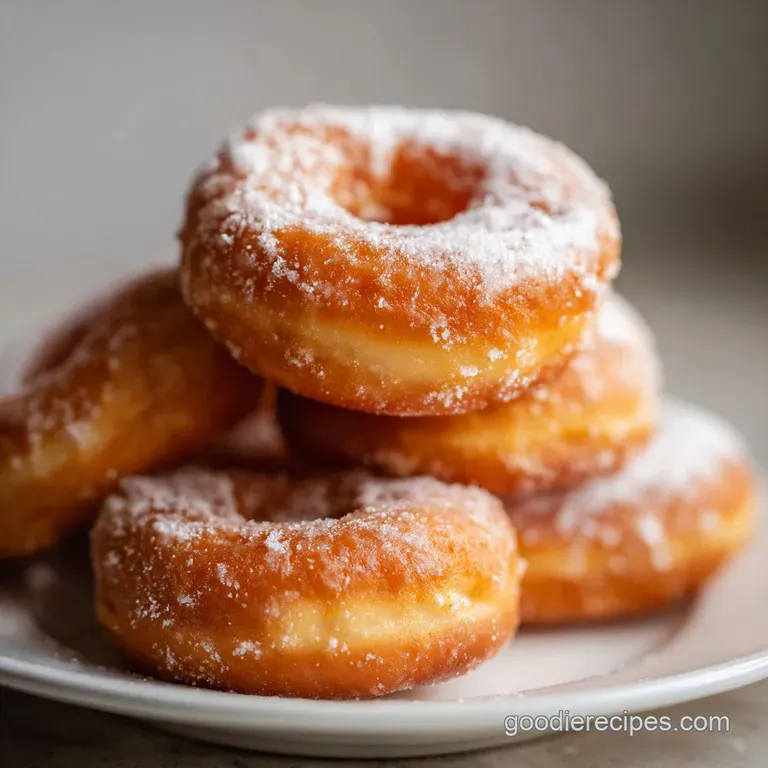
- The glazing ritual. Whisk 360g powdered sugar, 60ml milk, and 5ml vanilla, then dip warm donuts. Dip while warm so the glaze sets into a thin shell.
While you're waiting for that second proof, it's the perfect time to prep. If you want a different flavor profile for your next batch, you might enjoy the spices in my Mexican Hot Chocolate recipe, which uses a similar blend of cinnamon and cocoa that works wonders as a donut topping too.
Overcoming Common Kitchen Hurdles
The most frustrating thing is when your donuts look perfect on the outside but are doughy in the middle. This usually happens because the oil was too hot, causing the exterior to "set" before the heat could reach the center. If this happens, lower the heat slightly and increase the cook time by 30 seconds.
Why My Donuts Are Greasy
If your donuts come out heavy and oily, your oil temperature was likely below 325°F (165°C). The dough needs that immediate hit of heat to create a steam barrier that keeps the oil out. Always wait for the oil to come back up to temperature between batches.
Why the Dough Won't Rise
This is almost always a temperature issue or old yeast. If your milk was over 120°F (49°C), the yeast is likely dead. Also, make sure your kitchen isn't too drafty. I like to let my dough rise inside the oven (turned off) with the light on for a cozy, consistent heat.
| Problem | Root Cause | Solution |
|---|---|---|
| Donuts are flat | Under proofing | Let them sit for another 15 mins before frying |
| Glaze is runny | Donut was too hot | Let donuts cool for 3 mins before dipping |
| Tough texture | Over kneading | Stop once the dough is smooth; don't fight it |
Common Mistakes Checklist:
- ✓ Check yeast expiration before starting - if it doesn't foam, stop and get new yeast.
- ✓ Pat excess flour off the dough before frying to prevent the oil from burning.
- ✓ Use a slotted spoon or "spider" to flip gently; tongs can deflate the air pockets.
- ✓ Never crowd the pot - three donuts max to keep the oil temperature stable.
- ✓ Drain on a wire rack, not paper towels, to keep the bottom from steaming.
Delicious Doughnut Variations
Once you have the base down, the possibilities are endless. Honestly, don't even bother with low-fat glaze the sugar is what creates that iconic crunch.
- Maple Bacon: Replace the vanilla in the glaze with maple extract and top with crispy bacon bits.
- Chocolate Ganache: Dip the tops in melted dark chocolate instead of the milk glaze for a richer treat.
- Cinnamon Sugar: Skip the glaze and toss the hot donuts in a mix of 200g sugar and 10g cinnamon.
If you want a change of pace, you can actually turn these into homemade baked donuts. Just place the proofed rings in a 375°F (190°C) oven for about 12-15 minutes.
They won't have that classic fried "snap" on the outside, but they'll be incredibly soft and slightly lighter.
Scaling Your Batch
If you're cooking for a crowd, you can easily double this recipe. However, don't just double the yeast keep it to about 1.5x the amount (around 10-11g) to avoid a "yeasty" aftertaste.
When doubling, the dough will take slightly longer to knead, so I recommend using a stand mixer such as a KitchenAid with a dough hook if you have one.
For a smaller batch (around 6 donuts), halve all ingredients but use one small egg or half of a beaten large egg. You'll need a smaller pot for frying to keep the oil depth at least 3 inches without wasting a whole liter of oil.
Storage and Reheating Advice
Donuts are best eaten within two hours of frying, but let's be real, leftovers happen. Store them in a cardboard box rather than a plastic container. Plastic traps moisture and turns the glaze into a sticky puddle. A cardboard box allows them to breathe just enough to stay crisp.
- Fridge: Up to 2 days in a sealed box. Reheat in the microwave for 8 seconds to soften.
- Freezer: You can freeze unglazed donuts for up to 2 months. Thaw at room temperature, then pop in a 350°F (180°C) oven for 5 minutes before glazing.
- Zero Waste: If your donuts go stale, don't throw them out! Chop them up and use them as the base for a decadent bread pudding. The sugar and fat in the dough make for the best custard soak you've ever had.
Creative Serving Ideas
If you're hosting a brunch, I love setting up a "dipping station." Keep the donuts plain and offer bowls of the vanilla glaze, a berry coulis, and maybe some crushed nuts or sprinkles. It makes the whole experience interactive and fun for kids.
I also find that these donuts pair brilliantly with a strong, bitter coffee to cut through the sweetness. If you want something truly indulgent, serve a warm donut alongside a bowl of my Red Velvet Waffles recipe for a full on dessert breakfast spread. There’s something about that golden brown crust that just makes people smile before they even take a bite.
Myths About Frying Dough
One of the biggest misconceptions is that "frying is always greasy." That’s only true if your temperature management is poor. Searing the outside of the dough instantly creates a barrier. Another myth is that you need "special" donut flour.
Plain all purpose is actually superior because it prevents the donut from becoming too tough or chewy like a bagel.
Finally,, some people think you can't use cold milk. While room temperature is best for the egg, the milk must be warm (110°F) to activate the yeast. Using cold milk will simply result in a dough that never rises, no matter how long you wait.
Stick to the temperatures, be patient with the proof, and you'll have the best donuts of your life.

Recipe FAQs
What ingredients do I need to make doughnuts?
Flour, yeast, sugar, milk, butter, egg, and salt. You need all-purpose flour for structure, yeast for lift, and fat from butter and egg for tenderness.
What is the secret to perfect, non-greasy donuts?
Maintain a precise oil temperature of 350°F (180°C). If the oil is too cold, the dough acts like a sponge and absorbs too much fat, making them greasy.
Why are Amish donuts so good?
Amish donuts prioritize slow fermentation and often use high fat enriched doughs. This results in a deeply developed flavor and an incredibly airy, soft crumb structure.
Are doughnuts better, fried or baked?
Fried is superior for classic texture. Frying creates a rapid, crisp exterior crust through thermal shock, which baking cannot replicate as effectively.
How to ensure my yeast dough rises properly?
Use milk warmed precisely to 110°F (43°C) to activate the yeast. If the milk is too hot or too cold, the yeast will fail to produce the necessary carbon dioxide for a good rise.
Can I substitute all-purpose flour for bread flour in this recipe?
No, stick with all-purpose flour for the best texture. Bread flour has higher protein, which develops too much gluten and results in a tough, chewy donut rather than a tender one.
How to get a smooth glaze that sets hard instead of runny?
Dip the donuts immediately after they have cooled for about three minutes. If the donut is too hot, it melts the glaze completely, making it runny; if it is too cold, the glaze won't adhere properly.
Fluffy Homemade Donuts Recipe
Ingredients:
Instructions:
Nutrition Facts:
| Calories | 374 kcal |
|---|---|
| Protein | 5.8 g |
| Fat | 12.2 g |
| Carbs | 61.8 g |
| Fiber | 1.1 g |
| Sugar | 31.5 g |
| Sodium | 184 mg |
