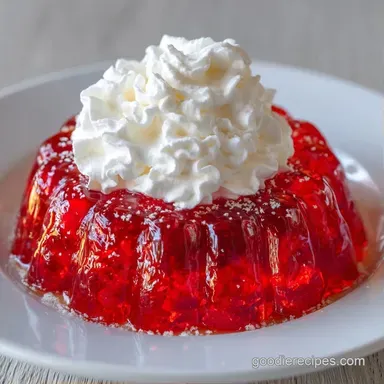
Handmade Jello Poke Cake: Moist and Fruity
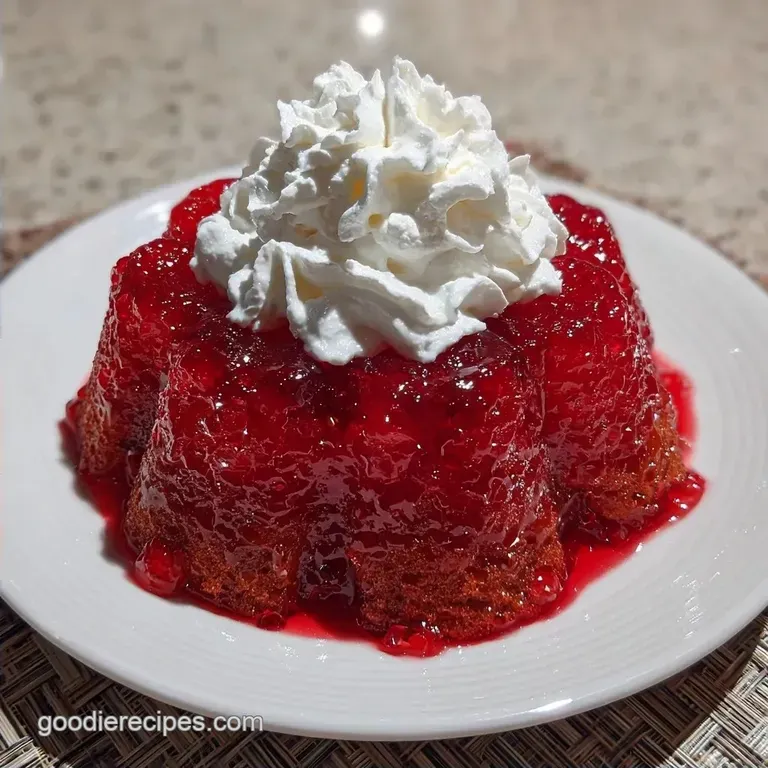
- Time: 20 min active + 6 hours 30 mins chilling
- Flavor/Texture Hook: Velvety cream topping over a juicy, strawberry soaked sponge
- Perfect for: Family reunions, summer potlucks, or beginner bakers
Imagine the smell of warm vanilla filling the kitchen and that first glimpse of bright, neon red strawberry ribbons running through a white cake. I remember the first time I brought a version of this to a family gathering. My aunt, who thinks everything is better from a box, actually asked for my secret.
I just laughed because the "secret" was just not overmixing the batter.
Most people treat these cakes like a science experiment, but it's really just about balance. You want the cake to be sturdy enough to hold the liquid but open enough to let it sink deep. If it's too dense, the Jello just sits on top like a puddle. If it's too airy, the whole thing collapses.
This Handmade Jello Poke Cake is my go to because it doesn't rely on shortcuts. We're making the sponge from scratch to ensure it has the right "give." It’s a classic comfort dessert that tastes like a childhood summer afternoon, but with a much better texture than the versions you see at grocery store bakeries.
How to Make Handmade Jello Poke Cake
Right then, let's get into how this actually works. The goal here is a "sponge" effect. We aren't making a traditional sponge cake, but we want the crumb to be porous. When we poke those holes, we're creating vertical channels that act like straws, pulling the liquid strawberry gelatin down into the heart of the cake.
But what about the sog factor? We avoid that by letting the cake cool completely before poking. If you pour hot liquid into a hot cake, you risk steaming the crumb, which turns it gummy. By waiting, the cake's structure has set, allowing it to absorb the gelatin like a sponge rather than melting under it.
Trust me on this: don't skip the Greek yogurt in the topping. Most recipes just use whipped cream, but that can weep or slide off the cake after a few hours. The yogurt adds a slight tang that cuts through the sugar and provides a structural "anchor" for the whipped cream.
It keeps the topping velvety and stable, even if the cake sits out on a buffet table for a while.
Why This Texture Works
The secret to a great poke cake isn't the Jello, it's the physics of the cake base. Here is what's happening under the surface.
- The Porosity Principle: Buttermilk reacts with baking powder to create tiny air pockets. These pockets allow the gelatin to seep sideways from the holes, hydrating the entire cake.
- The Thermal Bridge: Using boiling water for the gelatin ensures it's fully dissolved. This low viscosity liquid flows faster and deeper into the cake than a thicker syrup would.
- The Fat Barrier: The butter in the cake creates a slight coating on the flour proteins. This prevents the cake from becoming overly saturated and mushy, maintaining a distinct cake like bite.
- The Stabilization Effect: Cold water added after the boiling water drops the temperature quickly. This prevents the cake from "cooking" further and helps the gelatin set faster once it's in the fridge.
| Method | Time | Texture | Best For |
|---|---|---|---|
| Scratch Cake | 6 hrs 50 mins | Tender, absorbent | Family gatherings |
| Box Mix Base | 7 hrs | Denser, sweeter | Quick cravings |
| Stovetop Steamed | 2 hrs | Puddings like | Low oven days |
The Component Breakdown
Before we start mixing, let's look at why we chose these specific items. Not every flour or fat works the same way here.
| Ingredient | Science Role | Pro Secret |
|---|---|---|
| All Purpose Flour | Structure | Sift it to avoid clumps in the light batter |
| low-fat Buttermilk | Tenderizer | The acidity breaks down gluten for a softer crumb |
| Strawberry Gelatin | Flavor/Fluid | Use a brand with high gelatin content for a firm set |
| Greek Yogurt | Stabilizer | Adds a "cheesecake" hint and prevents topping slide |
Essential Tools List
You don't need a professional kitchen for this, but a few specific tools make it way easier. I use a standard 13x9 inch baking pan because it provides the ideal surface area to depth ratio. If the pan is too deep, the gelatin won't reach the bottom.
For the poking process, a wooden skewer is far better than a fork. A fork creates wide, irregular holes that can make the cake look shredded. A skewer creates clean, narrow channels that keep the cake looking polished while still delivering the flavor.
Finally, make sure your heavy cream is chilled. If it's room temperature, you'll spend twenty minutes whisking it and it'll still be a soup. Pop it in the freezer for 10 minutes before whipping to get those stiff, fluffy peaks.
From Prep to Plate
Let's crack on. Follow these steps exactly to ensure the gelatin sets and the cake stays fluffy.
- Preheat your oven to 350°F (175°C) and grease a 13x9 inch baking pan. Note: Use butter or a non stick spray to prevent the edges from sticking.
- Cream together the butter and sugar until the mixture looks pale and fluffy. Whisk for about 3-5 minutes until it looks like soft frosting.
- Beat in the eggs one at a time, then stir in the vanilla extract. Note: Adding eggs slowly prevents the batter from separating.
- Alternately add the flour, baking powder, salt, and buttermilk, mixing until just combined. Stop the moment you see no more dry flour to avoid a tough cake.
- Bake for 25-30 minutes until a toothpick comes out clean. Let the cake cool completely on a wire rack.
- Prepare the gelatin filling by whisking the strawberry gelatin mix into boiling water until completely dissolved.
- Stir in the cold water. Note: This prevents the liquid from being too hot when it hits the cake.
- Use a wooden skewer to poke holes every 1 inch across the entire surface of the cooled cake, ensuring you reach nearly the bottom.
- Slowly pour the liquid gelatin over the cake, ensuring every hole is filled. Watch for any dry spots and poke a few extra holes there if needed.
- Refrigerate the cake for at least 6 hours until the gelatin is firm.
- Whip together the heavy cream, Greek yogurt, powdered sugar, and vanilla extract until fluffy, then spread evenly over the top of the chilled cake.
Chef's Tip: If you want a deeper color, add a tiny drop of red food coloring to the gelatin. Strawberry mix can sometimes look a bit pale once it's absorbed into the white cake.
Fixing Common Mistakes
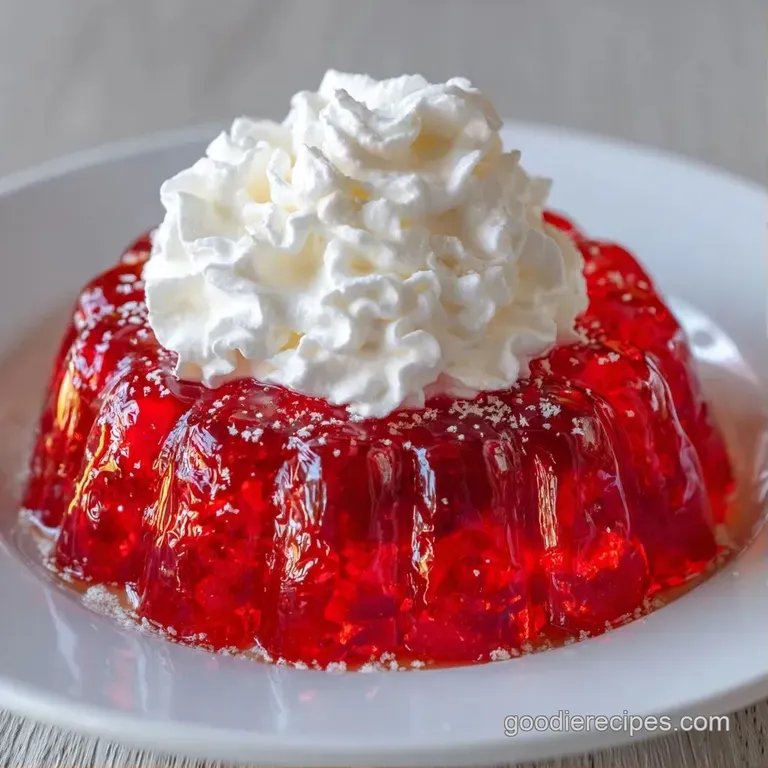
Even the best of us mess up a poke cake. Usually, the issue is either with the "poke" or the "set." If you've ever had a cake that felt like a wet sponge, you probably poked it while it was too hot or used too much liquid.
Why Your Cake Is Too Soggy
This usually happens when the cake is poked while steaming. The heat opens the pores too wide, and the gelatin floods the cake instead of filling the channels. According to King Arthur Baking, proper cooling allows the starches to set, which creates the necessary resistance to the liquid.
Gelatin Not Setting
If the center of your cake is still liquid after 6 hours, you might have used too much buttermilk or had an oven that underbaked the center. A slightly underbaked cake retains too much moisture, which prevents the gelatin from bonding.
Topping Separation
If your cream topping looks curdled, you likely over whipped the cream after adding the yogurt. The acid in the yogurt can cause the cream to break if beaten too aggressively.
| Problem | Root Cause | Solution |
|---|---|---|
| Puddles on top | Holes too far apart | Poke holes every 1 inch, not 2 |
| Rubbery texture | Overmixed batter | Mix until "just combined" |
| Topping weeping | Cream was warm | Chill bowl and beaters 10 mins |
Common Mistakes Checklist
- ✓ Cake is completely cool before poking.
- ✓ Gelatin is fully dissolved (no granules at the bottom).
- ✓ Holes reach nearly the bottom of the pan.
- ✓ Heavy cream was chilled before whipping.
- ✓ Cake rested in the fridge for the full 6 hours.
Easy Flavor Swaps
While strawberry is the gold standard for a Handmade Jello Poke Cake, you can easily pivot the flavors. The key is to keep the liquid to cake ratio the same. For those who prefer a more decadent experience, you might enjoy a moist homemade chocolate cake as a different kind of treat.
The Tropical Twist
Swap the strawberry gelatin for lime or pineapple. Instead of Greek yogurt in the topping, use a tablespoon of coconut cream. It tastes like a vacation in a pan.
The Berry Blast
Use a mix of raspberry and strawberry gelatin. To make this work, dissolve both in the same amount of boiling water, but be careful too much liquid will make the cake collapse.
The Low Calorie Swap
You can use sugar-free gelatin, but be warned: the texture is slightly different. sugar-free gelatin sets firmer and faster, which can sometimes create "hard" pockets of Jello inside the cake.
Dairy-free Dream
Replace the butter with vegan butter and the buttermilk with a mix of almond milk and apple cider vinegar. For the topping, use a chilled coconut whip. It's surprisingly close to the original.
Making and Scaling
When you're feeding a crowd, you might be tempted to just double everything in one pan. Don't do it. A double batch of batter in a 13x9 pan will overflow or, worse, stay raw in the middle while the edges burn.
Scaling Down (Half Batch): Use an 8x8 inch square pan. Reduce the baking time by about 20%, starting to check at 20 minutes. Since you can't easily halve an egg, beat one egg in a small bowl and use exactly 2 tablespoons of the mixture.
Scaling Up (Double Batch): Use two separate 13x9 inch pans. Keep the oven temperature at 350°F, but rotate the pans halfway through the bake to ensure even heat.
For the gelatin, make two separate batches of the mix to ensure the first cake doesn't soak up all the liquid before you can pour it into the second.
If you find you have extra buttermilk from this recipe, don't toss it. It's great for soaking overnight oats or adding to a batch of pancakes the next morning.
Truth About Poke Cakes
There are a few things people say about these cakes that just aren't true. Let's set the record straight.
Myth: Box mixes are better for poke cakes. Some say box mixes are "airier." In reality, a scratch cake with buttermilk has a more consistent pore structure. This means the gelatin distributes evenly rather than pooling in the large air bubbles often found in chemically leavened box cakes.
Myth: You should poke the cake while it's hot. Some old recipes suggest this to "lock in the moisture." Actually, poking a hot cake destroys the crumb structure. You want the cake to be a stable sponge, not a steaming mess.
Myth: You can't freeze a poke cake. You actually can, but you must freeze it before adding the whipped topping. Gelatin freezes and thaws well, but whipped cream turns into a grainy mess in the freezer.
Keeping it Fresh
Because of the high moisture content from the gelatin, this cake needs to live in the fridge. It won't last long on the counter.
Storage Guidelines: Keep the cake in an airtight container or tightly wrapped in plastic wrap. It stays fresh and velvety for about 3-4 days in the refrigerator. After that, the cake can start to absorb other smells from the fridge, and the topping may lose its loft.
Freezing Instructions: If you must freeze it, slice the cake into individual squares first. Wrap each square in parchment paper and then foil. Store them in a freezer bag for up to 2 months. To thaw, move a slice to the fridge overnight.
If you've already added the topping, I don't recommend freezing, as the cream will separate.
Zero Waste Tips: If you have leftover cake scraps, toss them in a bowl with a few fresh strawberries and a dollop of the remaining cream topping. It makes a great "cake trifle" for a quick snack. Also, save any leftover gelatin liquid in a small jar; it can be used as a glaze for fresh fruit.
What to Serve Alongside
A Handmade Jello Poke Cake is very sweet and creamy, so you want sides that provide a bit of contrast. I love serving this with a platter of tart fresh berries blueberries, raspberries, and blackberries work best. The acidity of the fresh fruit cuts through the richness of the heavy cream.
If you're planning a full dessert spread, this pairs beautifully with something a bit more structured, like a Traditional Jello Poke Cake in a different flavor, or even some light lemon shortbread cookies.
For a drink pairing, a cold glass of sparkling water with a twist of lime is the way to go. You want something refreshing that cleanses the palate between bites of that sweet, strawberry soaked sponge. Avoid heavy milkshakes or sweet sodas, as they'll compete with the cake's flavor and leave you feeling overly full.
Recipe FAQs
How do you make jello cake?
Bake a vanilla sponge, poke holes, and fill with strawberry gelatin. Once the cake is chilled for at least 6 hours, spread the whipped cream and Greek yogurt frosting on top.
What are the ingredients for a poke cake?
The base uses flour, sugar, baking powder, salt, butter, eggs, buttermilk, and vanilla. The filling and topping require strawberry gelatin, boiling and cold water, heavy cream, Greek yogurt, powdered sugar, and vanilla.
How to put jello in a cake?
Poke holes every 1 inch across the cooled cake with a wooden skewer. Slowly pour the dissolved liquid gelatin over the surface to fill the vertical channels.
What happens if I poured the jello on a hot cake?
The cake crumb may collapse, leading to a mushy texture. Always allow the cake to cool completely on a wire rack before adding the liquid gelatin.
How can I bake a cake with pudding in the middle?
Replace the strawberry gelatin with a prepared pudding mixture. For those who prefer a denser, more decadent variation, a rich poke cake is an excellent alternative.
How to make a two-layer poke cake?
Bake two separate 13x9 inch cakes. Repeat the poking and filling process for both layers before stacking them with frosting in between.
Can I use pudding as frosting?
No, pudding is too soft to maintain the necessary structure. Stick to the whipped cream and Greek yogurt mixture to ensure the topping remains fluffy and stable.
Handmade Jello Poke Cake