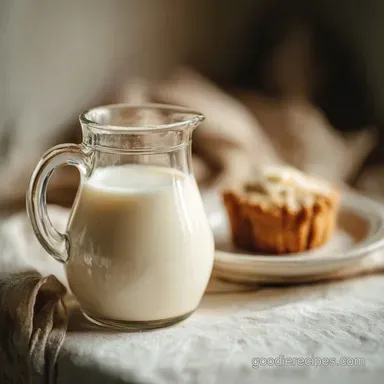
Homemade Buttermilk: 5-Minute Prep
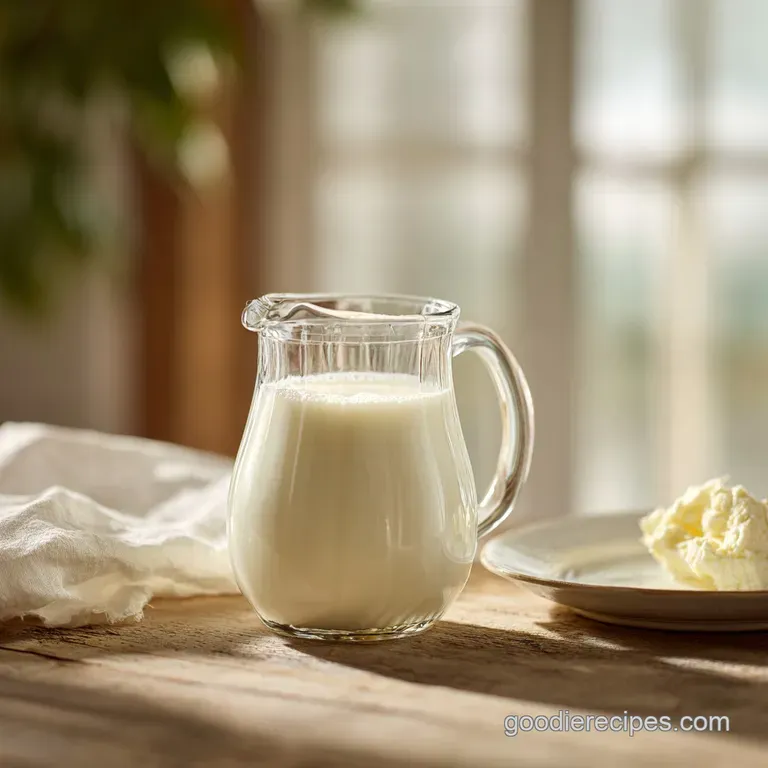
- Time:5 minutes active + 10 minutes resting = 15 minutes total
- Flavor/Texture Hook: Tangy, slightly thickened with tiny, velvety curds
- Perfect for: Last minute baking, fried chicken marinades, or fluffy pancakes
- The Secret to Tangy and Tender Buttermilk
- Quick Specs for Your Kitchen Timer
- Understanding the Role of Every Ingredient
- Simple Tools for a Quick Win
- Easy Steps to Get it Right
- Fixing Common Texture and Taste Issues
- Different Ways to Twist the Flavor
- Keeping Your Mixture Fresh and Waste Free
- Best Ways to Use Your Homemade Blend
- Recipe FAQs
- 📝 Recipe Card
The Secret to Tangy and Tender Buttermilk
That sharp, citrusy tang hitting your nose the second you stir the lemon juice into the milk is a signal that something is happening. It's a scent that immediately reminds me of Saturday mornings in my grandma's kitchen, where the air always smelled like warm maple syrup and sizzling batter.
I remember the absolute panic I felt years ago when I was halfway through prepping a family dinner and realized I was out of buttermilk for the fried chicken. I almost drove to the store in my pajamas, but a quick search led me to this trick.
Honestly, I was skeptical that a bit of lemon juice could replace a cultured product, but the result was a crust that shattered beautifully on the first bite.
You don't need fancy equipment or a long fermentation process to get this right. We're essentially creating a shortcut that gives you the acidity needed to react with baking soda, ensuring your cakes are light and your meats are succulent. It's a reliable little hack that's saved me more times than I can count.
Quick Specs for Your Kitchen Timer
Getting the timing right is the difference between a thin liquid and a properly thickened substitute. While it feels like you're just mixing two things, the resting period is where the actual "magic" happens.
If you're in a rush, don't skip the wait. The proteins need those few minutes to settle into that characteristic texture. If you use it immediately, you lose some of that tenderizing power that makes traditional recipes work.
| Method | Active Time | Rest Time | Texture Result |
|---|---|---|---|
| Lemon Juice | 5 minutes | 10 minutes | Velvety, mild tang |
| White Vinegar | 5 minutes | 10 minutes | Sharper, clean acidity |
| Yogurt Blend | 2 minutes | 0 minutes | Thickest, creamy |
Understanding the Role of Every Ingredient
When we talk about the science here, it's all about the interaction between acid and protein. Buttermilk isn't just "sour milk," it's a specific environment that changes how other ingredients behave in your pan.
Protein Denaturation: The acid in the lemon juice breaks down the tight coils of milk proteins (casein). This causes them to clump together, creating those tiny curds and a thicker consistency.
Leavening Trigger: When this acidic mixture hits baking soda, it creates carbon dioxide bubbles. This is why a Red Velvet Cake recipe needs that specific acidity to get its signature airy crumb.
Tenderizing Effect: The lactic like acid breaks down tough muscle fibers in meat. It's the same reason why a long soak in this mixture makes chicken breast feel silky instead of rubbery.
Component Analysis
| Ingredient | Science Role | Pro Secret |
|---|---|---|
| Whole Milk | Protein Base | Use full fat for a richer, creamier mouthfeel |
| Lemon Juice | Acid Catalyst | Freshly squeezed is better than bottled for brightness |
Simple Tools for a Quick Win
You don't need a laboratory to make this happen. I usually just grab whatever is closest to the fridge. A simple glass jar is actually my preference because you can see the curds forming through the glass, which lets you know it's ready.
Avoid using a metal bowl if you're using a very strong vinegar, though for this specific recipe, it's not a huge deal. A whisk is great, but a fork works just as well for a quick stir.
Right then, just make sure your measuring cup is clean. Any leftover soap or residue can mess with how the milk curdles, leading to a weird texture that isn't quite right.
Easy Steps to Get it Right
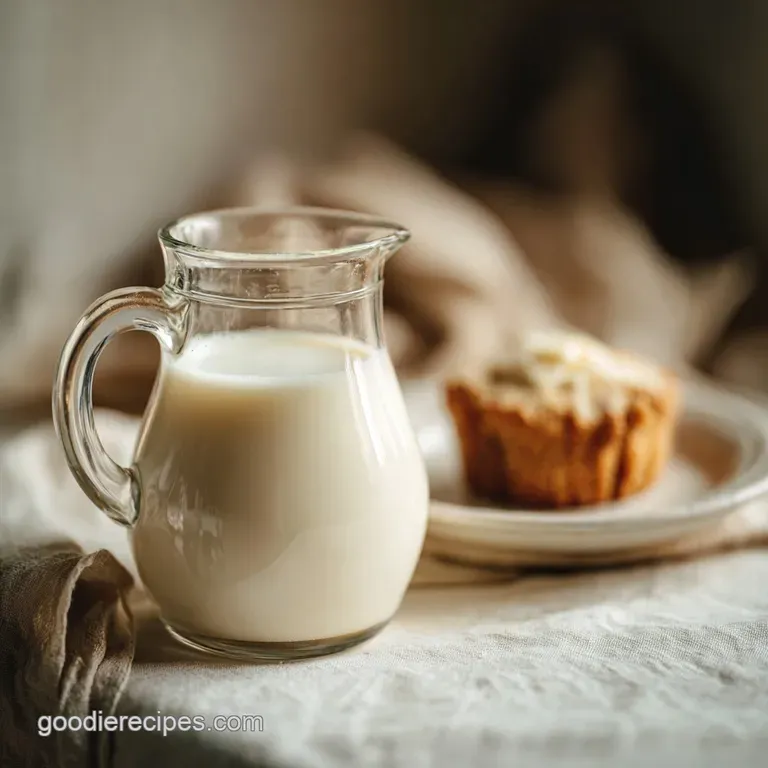
Let's crack on with the process. It's straightforward, but the precision in the stir and the wait is what makes it work.
- Pour 1 cup (240ml) of milk into a measuring cup or glass jar. Note: Using a clear container helps you spot the thickening.
- Add 1 tablespoon (15ml) of lemon juice or distilled white vinegar to the milk.
- Stir gently with a whisk or fork for approximately 30 seconds until the acid is evenly distributed.
- Set the mixture aside and let it sit undisturbed for 10 minutes. Note: This is when the proteins denature and thicken.
- Check for a slightly thickened consistency and the presence of tiny, visible curds before using.
Trust me on this: don't shake the jar during the resting phase. Let it sit still so the curds can form naturally without being broken up.
Fixing Common Texture and Taste Issues
Sometimes the mixture doesn't look quite right, or it smells a bit too sharp. Usually, it's just a matter of the milk type or the acid concentration.
Mixture Remains Too Thin
If your liquid looks exactly like regular milk after 10 minutes, it's usually because the milk was too cold or the acid wasn't strong enough. Cold milk slows down the chemical reaction. You can try adding another teaspoon of lemon juice and waiting another 5 minutes.
Overpowering Vinegar Scent
If it smells like a salad dressing, you might have over stirred or used a very potent vinegar. In most baked goods, the heat of the oven will mellow this out, but for raw uses, a pinch of sugar can balance the sharp edge.
Quick Fix Guide
| Problem | Root Cause | Solution |
|---|---|---|
| No curdling | Milk too cold | Let it sit 5 mins more at room temp |
| Too watery | low-fat milk used | Use whole milk for better protein structure |
| Bitter taste | Old lemon juice | Use fresh lemon or distilled white vinegar |
Preventive Checklist
- ✓ Use whole milk instead of skim for a better thickener
- ✓ Ensure the lemon juice is fresh for the best flavor
- ✓ Stir for the full 30 seconds to avoid acid pockets
- ✓ Allow the full 10 minutes of undisturbed resting time
Different Ways to Twist the Flavor
Depending on what you're making, you might want to swap the acid. While lemon is the classic, other options change the vibe of the final dish.
For a cleaner, more neutral taste, white vinegar is the way to go. It doesn't add any fruitiness, which is great if you're making something savory like a cornmeal hoecake. If you have plain yogurt in the fridge, you can whisk a tablespoon of that into milk for a much thicker, creamier version.
If you're using this for a sweet treat, like a Banana Bread, the lemon version adds a subtle brightness that cuts through the sweetness of the overripe bananas.
Ingredient Swaps
| Original Ingredient | Substitute | Why It Works |
|---|---|---|
| Lemon Juice (1 tbsp) | White Vinegar (1 tbsp) | Similar acidity levels. Note: Sharper scent, better for savory dishes |
| Whole Milk (1 cup) | Full fat Coconut Milk (1 cup) | Same fat content. Note: Adds nutty/tropical notes; great for vegan versions |
| Lemon Juice (1 tbsp) | Plain Yogurt (1 tbsp) | Natural lactic acid. Note: Thicker consistency, less "sharp" than lemon |
Keeping Your Mixture Fresh and Waste Free
Since this is a "shortcut" version, it doesn't have the same preservative qualities as store-bought cultured buttermilk. It's best used immediately, but you can keep it for a short bit.
Store any leftover mixture in an airtight jar in the fridge for up to 3 days. You'll notice it continues to thicken over time, which is normal. Just give it a quick stir before using it again.
As for zero waste, if you have leftover lemon rinds from the juice, don't toss them. Toss them into a jar of white vinegar for two weeks to make a powerful, natural all purpose cleaner for your countertops.
Best Ways to Use Your Homemade Blend
Now that you've got the liquid ready, the real fun starts. This mixture is a powerhouse for adding moisture and tenderness to almost anything.
For fried chicken, use it as a brine. Soak your pieces for at least 2 hours in the fridge before dredging them in flour. The acid breaks down the protein, allowing the chicken to absorb more flavor and stay juicy even after hitting the hot oil.
In pancakes, the reaction between this acid and the baking soda creates those massive, fluffy bubbles. Just be careful not to overmix the batter after adding the buttermilk, or you'll pop those bubbles and end up with flat cakes.
If you're making a creamy soup, stir in a splash at the very end. It adds a velvety finish and a slight tang that mimics a professional sour cream addition without the heaviness.
Recipe FAQs
What can you use if you don't have buttermilk?
Mix 1 cup whole milk with 1 tablespoon of lemon juice or white vinegar. Let the mixture sit for 10 minutes to thicken, which provides the ideal acidity for fluffy pancakes.
Is it better to use lemon juice or vinegar for buttermilk?
Both are effective, but lemon juice is better for flavor. Lemon juice adds a bright, citrusy note, while distilled white vinegar offers a more neutral, sharp acidity.
Is buttermilk good for diabetics?
Generally yes, as it is lower in sugar than regular milk. However, you should always monitor the total carbohydrate count to fit your specific dietary needs.
Is buttermilk good for triglycerides?
It depends on the fat content of the milk used. While naturally lower in fat than cream, those managing triglycerides should opt for low-fat versions or consult a physician.
How to make the buttermilk substitute thicken?
Stir 1 tablespoon of acid into 1 cup of milk and let it sit undisturbed for 10 minutes. This resting period allows the proteins to denature and form the necessary small curds.
Is it true that homemade buttermilk substitute is identical to cultured buttermilk?
No, this is a common misconception. This substitute mimics the acidity and thickness through a chemical reaction, whereas cultured buttermilk is created via bacterial fermentation.
How to store this DIY buttermilk?
Keep it in a sealed glass jar in the refrigerator. Use it as soon as possible, as the mixture may continue to separate further if stored for long periods.
Homemade Buttermilk Substitute