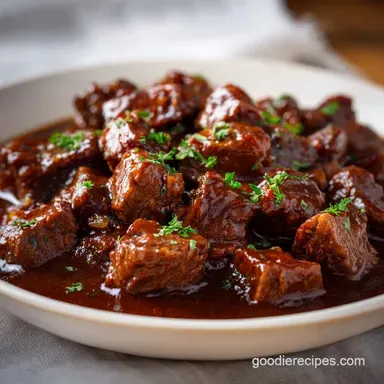
Instant Pot Beef Stew: Tender and Hearty

- Time:15 minutes active + 55 minutes cooking = Total 70 minutes
- Flavor/Texture Hook: Velvety thick sauce with mahogany seared beef
- Perfect for: Cold weeknights, meal prep, or comforting family dinners
The Best Instant Pot Beef Stew
The sound of beef hitting a hot pot is that sharp, aggressive sizzle that tells you dinner is actually going to be good. I remember the first time I tried to make a stew in a pressure cooker - I threw everything in at once, hit the button, and waited.
What came out was a gray, monochromatic mush where the carrots had basically dissolved into the sauce and the beef was "tender" in a way that felt more like wet cardboard than a meal. It was a disaster, and I almost gave up on the machine entirely.
But here is the thing: you don't need to simmer a pot for eight hours on a stove to get that deep, classic flavor. Forget the myth that "slow" is the only way to get tenderness. Once I realized that the secret is in the layering - searing the beef separately and adding the vegetables in a second, shorter pressure cycle - everything changed.
This instant pot beef stew isn't about cutting corners; it is about using pressure to force flavor into the meat in a fraction of the time.
You can expect a bowl that looks like it spent all day on the hearth. We are talking about beef that pulls apart with a fork, carrots that still have a slight bite, and a sauce so velvety it clings to every piece of potato.
It is the kind of meal that makes the whole house smell like a cozy Sunday afternoon, even if it is actually a Tuesday and you have twenty minutes before the kids get home from practice.
Why Most Recipes Fail
Most people treat a pressure cooker like a "set it and forget it" slow cooker, but that is why their stew ends up tasting flat. When you dump everything in together, the vegetables overcook long before the beef is tender. To fix this, we use a two stage cooking process.
Pressure Tenderizing: High pressure breaks down the tough connective tissues in the chuck roast quickly, turning collagen into gelatin for a silky mouthfeel.
Vegetable Timing: Adding root vegetables for a separate, short burst of pressure prevents them from turning into mash.
Fond Development: Searing the beef in batches creates a brown crust on the bottom of the pot, which provides the deep color and savory base.
Liquid Reduction: Finishing the dish on the sauté setting allows us to thicken the sauce without overcooking the protein.
| Method | Time | Texture | Best For |
|---|---|---|---|
| Stovetop | 3-4 hours | Very soft | All day slow cooking |
| Oven | 3 hours | Concentrated | Deeply caramelized top |
| Instant Pot | 70 minutes | Velvety | Busy weeknights |
Breaking Down Ingredients
The components of a great stew are simple, but the role each one plays is vital. I've learned that using the wrong potato or a cheap cut of meat can ruin the whole vibe.
| Ingredient | Science Role | Pro Secret |
|---|---|---|
| Beef Chuck | Collagen source | Cut into exact 1 inch cubes for even cooking |
| Red Wine | Acid balance | Use a dry red; avoid anything sweet or fruity |
| Tomato Paste | Umami depth | Sauté until brick red to remove the raw tin taste |
| Yukon Gold | Starch stability | Holds shape better than Russets under pressure |
The Gear Needed
You don't need a professional kitchen, but a few specific tools make this a lot easier. First, your Instant Pot (or any electric pressure cooker) is the star. I highly recommend using a stainless steel inner pot if you have one, as it handles the over high heat searing much better than the non stick versions.
For the beef, a sharp chef's knife is non negotiable. You want clean cuts, not squashed cubes, so the meat sears evenly. A sturdy whisk is also helpful for the cornstarch slurry at the end - you don't want lumps of flour floating in your sauce.
If you are planning to serve this with a side, some homemade buttery crescent rolls are the absolute best for mopping up the leftover gravy. Trust me, you'll want something to soak up every drop of that wine infused sauce.
Ingredient List & Swaps
Here is exactly what you need. Stick to the measurements, but feel free to use the substitutes if your pantry is looking bare.
- 3 lbs beef chuck roast, cut into 1 inch cubes Why this? High collagen for maximum tenderness
- 2 tbsp vegetable oil
- 1 large yellow onion, diced
- 4 cloves garlic, minced
- 1 tsp salt
- 1 tsp black pepper
- 2 cups beef broth (low sodium) Why this? Controls salt levels as sauce reduces
- 1 cup dry red wine Why this? Cuts through the fat with acidity
- 2 tbsp tomato paste
- 1 tbsp Worcestershire sauce
- 1 tsp dried thyme
- 2 bay leaves
- 1 lb Yukon Gold potatoes, cut into 1 inch chunks Why this? Waxy texture doesn't disintegrate
- 4 large carrots, sliced into thick rounds
- 1 cup frozen peas
- 1 cup frozen pearl onions
- 2 tbsp cornstarch
- 2 tbsp cold water
- 1/4 cup fresh parsley, chopped
| Original Ingredient | Substitute | Why It Works |
|---|---|---|
| Dry Red Wine (1 cup) | Beef Broth + 1 tbsp Balsamic | Similar acidity. Note: Less complex fruity notes |
| Beef Chuck (3 lbs) | Stew Meat / Shoulder | Similar fat content. Note: Ensure it's not too lean |
| Yukon Gold (1 lb) | Red Potatoes | Similar waxy texture. Note: Slightly earthier taste |
| Frozen Peas (1 cup) | Frozen Corn | Adds sweetness. Note: Changes color profile |
Right then, let's get into the actual flow of the meal. The key is patience during the searing phase. If you crowd the pot, the meat will steam instead of brown, and you'll lose that deep mahogany color.
Step by step Process

Phase 1: Searing for Depth
Set the Instant Pot to Sauté (High). Add oil and sear the beef cubes in batches until a dark, mahogany colored crust forms on all sides. Remove beef and set aside. Note: Do not rush this; the brown bits on the bottom are where the flavor lives.
Phase 2: Building the Flavor Base
Add diced onions to the remaining fat and sauté until translucent. Stir in garlic and tomato paste, cooking for 1 minute until the paste turns a deep brick red. Note: This removes the raw metallic taste from the paste.
Phase 3: Deglazing and Pressure Cooking
Pour in the red wine, scraping the bottom of the pot with a wooden spoon to deglaze. Stir in beef broth, Worcestershire sauce, thyme, and bay leaves. Return the beef to the pot. Lock the lid and set to Manual/Pressure Cook (High) for 35 minutes.
Phase 4: Integrating the Root Vegetables
Perform a Quick Release of the pressure. Stir in the potatoes and carrots. Lock the lid again and cook on Manual/Pressure Cook (High) for an additional 3-5 minutes. Note: This ensures the beef is tender but the vegetables aren't mush.
Phase 5: The Final Gloss
Stir in frozen peas and pearl onions. In a small bowl, whisk cornstarch and water into a slurry, then stir into the bubbling stew. Simmer on Sauté for 2-3 minutes until the sauce is velvety and thick. Garnish with fresh parsley.
Chef's Tip: For a deeper flavor, add a pinch of espresso powder or a teaspoon of cocoa powder during the tomato paste step. It doesn't make the stew taste like coffee or chocolate, but it adds an incredible earthy depth that mimics a long simmered French beef burgundy.
Solving Common Problems
Even with a great recipe, things can go sideways. Most issues with this instant pot beef stew come down to liquid ratios or heat management.
If the "Burn" Notice Appears
This usually happens if the "fond" (those brown bits) is too thick or if there isn't enough thin liquid to create steam. If you see this, cancel the cycle, open the lid, and add another 1/2 cup of beef broth. Use a whisk to scrape the bottom of the pot thoroughly before restarting.
If the Stew is Too Thin
If the sauce is more like a soup than a gravy, your slurry might have been too weak. Simply turn the Sauté function back on and simmer for another few minutes. You can also whisk in another teaspoon of cornstarch mixed with cold water.
If the Meat is Tough
This is rare in a pressure cooker, but it happens if you use a lean cut like sirloin instead of chuck. According to Serious Eats, the connective tissue in chuck roast is what creates the gelatinous texture; without it, the meat just dries out. If it's tough, add a splash more broth and pressure cook for another 10 minutes.
| Problem | Root Cause | Solution |
|---|---|---|
| Mushy Carrots | Cooked too long | Add in second pressure cycle |
| Bland Taste | Under seasoned | Add salt/pepper at the end |
| Grey Meat | Crowded the pot | Sear in smaller batches |
Common Mistakes Checklist
- ✓ Did you deglaze the bottom of the pot completely?
- ✓ Did you use cold water for the cornstarch slurry?
- ✓ Did you sear the beef in batches rather than all at once?
- ✓ Did you wait until the end to add the peas and pearl onions?
- ✓ Did you use a waxy potato instead of a starchy one?
Flexible Dietary Swaps
Depending on who you are feeding, you might need to tweak a few things. This recipe is very adaptable without losing its soul.
For a gluten-free Version
The cornstarch used here is naturally gluten-free, but always check your beef broth and Worcestershire sauce labels. Some brands use barley malt or wheat based thickeners. You can swap Worcestershire for coconut aminos or a GF certified version.
For a Low Carb Twist
If you are watching carbs, swap the potatoes for cauliflower florets or radishes. Radishes are a secret weapon here - when pressure cooked, they lose their spicy bite and take on the texture of a potato. Just add them during the second pressure cycle.
For an Intense Red Wine Profile
If you love a rich, boozy sauce, increase the wine to 1.5 cups and reduce the beef broth by the same amount. This gives the dish a more sophisticated, French style profile. If you prefer a heartier, more comforting version, you might enjoy my Slow Cooker Buffalo Chicken Chili for a different kind of cozy meal.
To Make it an "Instant Pot Beef Stew with Dumplings"
Once the stew is finished and simmering on sauté, drop spoonfuls of a basic flour butter-milk dough on top. Put the lid on (without locking it) for 10-12 minutes. The steam from the stew will cook the dumplings into fluffy pillows.
Fixing Common Myths
There are a lot of "rules" about stew that just aren't true. Let's clear a few of them up.
Myth: Searing seals in the juices. This is a classic kitchen lie. Searing doesn't create a waterproof seal on the meat. Instead, it creates flavor through browning. The meat still loses moisture, but the trade off is a much deeper, more complex taste in the final sauce.
Myth: You must use a slow cooker for tenderness. Actually, pressure cookers can often do a better job of breaking down tough fibers in a shorter time. The high heat and pressure force moisture into the muscle fibers, often resulting in a more consistent tenderness than a low and slow method.
Myth: All beef stew meat is the same. "Stew meat" packages at the store are often a mix of random scraps. For the best results, buy a whole chuck roast and cut it yourself. This ensures every piece has the right fat to lean ratio.
Storing Your Leftovers
Beef stew is one of those rare dishes that actually tastes better the next day. The flavors have more time to meld, and the sauce often thickens naturally in the fridge.
Fridge Storage: Keep it in an airtight container for up to 4 days. The potatoes may absorb some of the liquid, so you might need to add a splash of water when reheating.
Freezer Storage: This freezes beautifully for up to 3 months. I recommend freezing it without the peas, as they can get mushy upon thawing. Add fresh peas when you reheat the dish.
- - Beef Bones
- If you bought a roast with a bone, don't toss it. Throw it into the pressure cooker during the first 35 minute cycle to add even more body to the sauce.
- - Veggie Scraps
- Save your onion skins and carrot ends in a freezer bag. Once the bag is full, boil them with water to make a free, homemade veggie stock for your next soup.
- - Leftover Sauce
- If you have extra gravy but no meat, it makes a killer base for a beef stroganoff over egg noodles.
For a complete meal, serve this alongside a Creamy Chicken Rice Casserole if you're doing a big family potluck, though the stew is usually hearty enough to stand on its own.
Plating And Serving
Presentation might seem overkill for a rustic stew, but a few touches make it feel like a real event. I like to serve this in wide, shallow bowls rather than deep cups. This prevents the stew from looking like a brown blob and lets you see the colorful carrots and peas.
Ladle a generous portion of the beef and vegetables first, then spoon the velvety sauce over the top. The fresh parsley is not just for looks - the brightness of the herb cuts through the richness of the red wine and beef fat.
If you want to go the extra mile, toast some thick slices of sourdough bread with a bit of garlic butter. The crunch of the toast against the tender beef is a fantastic textural contrast.
For a more traditional approach, serve it with a side of buttered peas or a simple crisp green salad with a lemon vinaigrette to cleanse the palate between bites.
Recipe FAQs
How long does it take stew meat to get tender in the Instant Pot?
Pressure cook on High for 35 minutes. This specific duration breaks down the tough connective tissues in beef chuck roast, ensuring the meat is fork-tender.
Is beef stew good for anemia?
Yes, it is generally beneficial. Beef chuck roast is a rich source of heme iron, which is the form of iron most easily absorbed by the body to help increase hemoglobin.
Is beef stew better in Instant Pot or slow cooker?
The Instant Pot is the superior choice. It achieves a deep sear and tender meat in a fraction of the time; if you enjoy this efficiency, see how we use similar time-saving logic in our Pulled Chicken Tacos.
Is stew ok for diabetics?
Yes, provided you monitor portion sizes. The protein from the beef and fiber from the carrots help balance the glycemic impact of the Yukon Gold potatoes.
How to prevent the potatoes from getting mushy?
Add potatoes and carrots after the initial beef cycle. Cook them separately on High pressure for only 3-5 minutes to ensure they maintain their shape and bite.
Is it true that you can't freeze beef stew with vegetables?
No, this is a common misconception. The stew freezes beautifully for up to 3 months, though omitting the frozen peas before freezing prevents them from becoming mushy.
How to thicken the stew if it's too thin?
Whisk cornstarch and cold water into a slurry. Stir this mixture into the bubbling stew and simmer on Sauté for 2-3 minutes until the sauce is velvety.
Instant Pot Beef Stew for 8 Servings