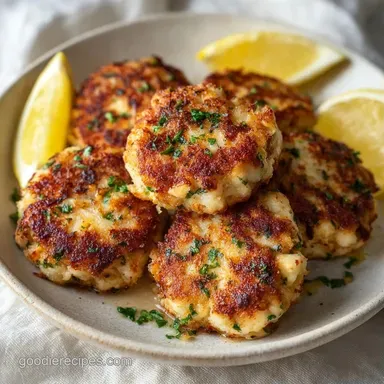
Miniature Crab Cakes: Crispy and Buttery
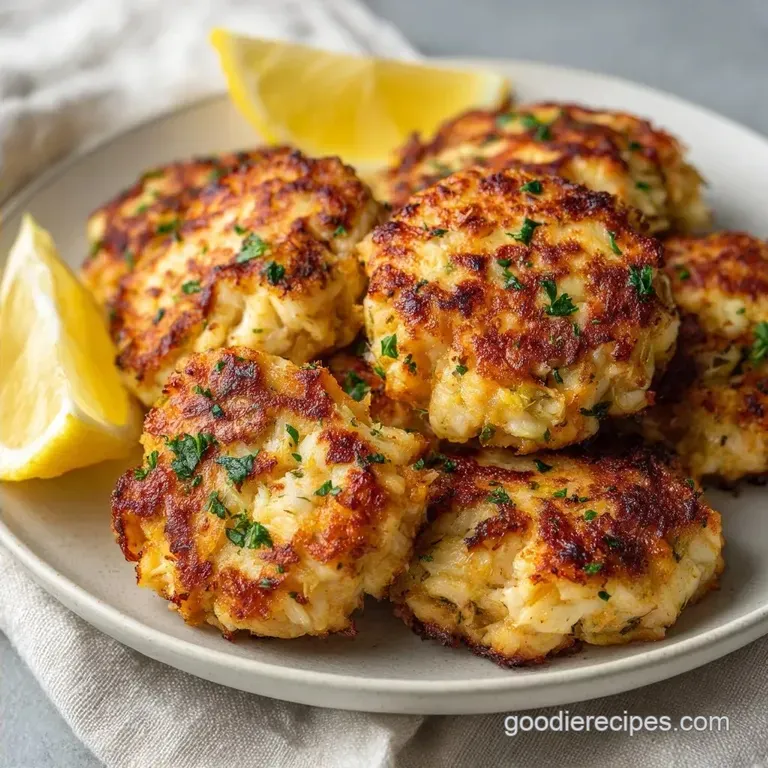
- Time:10 minutes active + 30 minutes chilling
- Flavor/Texture Hook: Shatter crisp exterior with a velvety, lump heavy center
- Perfect for: Cocktail parties, holiday appetizers, or a fancy date night starter
- Easy and Crispy Miniature Crab Cakes
- The Secret to Sturdy Bites
- Component Analysis
- Ingredient Selection Guide
- Essential Kitchen Tools
- Step-by-Step Cooking Guide
- Fixing Common Texture Issues
- Swaps for Every Diet
- Adjusting the Batch Size
- Truths About Seafood Cakes
- Storage and Freshness Tips
- Best Pairings and Dips
- Recipe FAQs
- 📝 Recipe Card
That high pitched sizzle is the only sound I want to hear when I'm making these. You know that moment when the butter foams up and the edges of the cake start to turn a deep, golden brown? That's where the magic happens.
It's the smell of Old Bay and toasted butter filling the kitchen that tells me the party has officially started.
I remember the first time I tried making these for a crowd. I was in a rush and skipped the chilling step, thinking thirty minutes was just "suggestion" territory. Disaster struck. The second those cakes hit the oil, they basically melted into a giant, expensive crab scramble. It was a mess.
But that failure taught me that the binder needs time to lock in, and once I figured that out, everything changed.
These Miniature Crab Cakes are all about the build. We aren't just mixing ingredients; we're layering flavors. We start with a tangy, velvety base, fold in the sweet, salty crab, and finish with a sear that provides a textural snap.
You'll get a bite that's rich and bold without feeling heavy, which is exactly what you want for an appetizer.
Easy and Crispy Miniature Crab Cakes
The goal here is to keep the crab as the star. Too many recipes use so much filler that you're basically eating a fried cracker with a hint of seafood. By using a specific ratio of panko and mayo, we keep the structure firm but the interior light.
Trust me on this, using lump crab meat is non negotiable if you want that high end feel.
Right then, let's talk about the "why." When you're working with seafood, moisture is your enemy. If the mix is too wet, the cakes steam instead of sear. By focusing on a thick binder and a cold rest, we ensure the outside shatters while the inside stays moist.
It's a total win for anyone who wants a professional result without spending hours in the kitchen.
But what about the sogginess? We'll get to that in the troubleshooting section. For now, just know that the combination of butter and olive oil is the secret to that specific mahogany color.
The butter provides the flavor, while the olive oil raises the smoke point so you can get a real crust without burning the butter.
The Secret to Sturdy Bites
I've spent a lot of time wondering why some cakes stay together and others collapse. It usually comes down to how the proteins and fats interact during the resting phase.
- The Cold Set: Chilling the cakes causes the fats in the mayonnaise and egg to solidify, which acts like a temporary glue. This prevents the cakes from spreading or breaking when they hit the heat.
- Panko Air Pockets: Unlike traditional fine breadcrumbs, panko is flaky and coarse. This creates tiny air pockets that allow steam to escape, according to [Serious Eats](https://www.seriouseats.com), which prevents the interior from becoming mushy.
- Protein Binding: The egg provides a structural matrix. As it heats up in the pan, the proteins denature and tighten, locking the lump crab meat into a solid bite.
- Acidity Balance: The Dijon mustard does more than add tang; it helps cut through the richness of the mayo and butter, ensuring the flavor profile stays bright and bold.
| Method | Time | Texture | Best For |
|---|---|---|---|
| Pan Sear | 15 mins | Shatter crisp | Small batches / Maximum flavor |
| Oven Bake | 20 mins | Uniform gold | Large crowds / Hands off cooking |
| Air Fryer | 12 mins | Very crunchy | Healthier option / Quick snack |
Component Analysis
I like to look at my ingredients as building blocks. Each one has a specific job to do in these Miniature Crab Cakes.
| Ingredient | Science Role | Pro Secret |
|---|---|---|
| Lump Crab | Primary Structure | Pick through for shell fragments before mixing |
| Mayonnaise | Fat/Moisture | Use a full fat brand for a more velvety mouthfeel |
| Panko | Crisp Agent | Toast them slightly in a pan for deeper flavor |
| Egg | Protein Binder | Room temperature eggs incorporate more smoothly |
Ingredient Selection Guide
When you're shopping for this recipe, don't settle for the cheapest crab. You want "lump" or "colossal lump" to ensure you have those big, juicy pieces. If you use "claw meat," the texture becomes more like a paste.
- 1 lb lump crab meat Why this? Provides the signature chunky texture (Substitute: Imitation crab for a budget version, though flavor is milder)
- 1 large egg Why this? Essential for binding everything together (Substitute: Flax egg for a vegan friendly binder)
- 1/4 cup mayonnaise Why this? Adds creaminess and fat for browning (Substitute: Greek yogurt for a tangier, lighter feel)
- 1 tbsp Dijon mustard Why this? Adds a bold, pungent kick (Substitute: Whole grain mustard for added texture)
- 1 tsp Worcestershire sauce Why this? Deepens the umami profile (Substitute: Soy sauce for a salty, savory alternative)
- 1 tsp Old Bay seasoning Why this? The classic seafood flavor profile (Substitute: A mix of paprika, celery salt, and cayenne)
- 1/2 cup panko breadcrumbs Why this? Creates a lighter, crispier crust (Substitute: Crushed Ritz crackers for a buttery, salty vibe)
- 1 tbsp fresh parsley, finely chopped Why this? Adds a fresh, herbal contrast (Substitute: Chives for a more onion like sharpness)
- 1/2 tsp salt Why this? Enhances all other flavors
- 1/4 tsp black pepper Why this? Adds a subtle woody heat
- 2 tbsp unsalted butter Why this? For the rich, nutty sear (Substitute: Ghee for a higher smoke point)
- 1 tbsp olive oil Why this? Prevents butter from burning (Substitute: Avocado oil for very high heat)
Essential Kitchen Tools
You don't need a professional kitchen for this, but a few things make it way easier. I highly recommend a rubber spatula for the folding process. If you use a metal spoon, you'll shred the crab lumps, and you'll lose that chunky texture we're after.
A parchment lined baking sheet is a lifesaver here. It keeps the chilled cakes from sticking and makes cleanup a breeze. Also, make sure your skillet is heavy bottomed, like a cast iron or stainless steel pan, to ensure the heat is distributed evenly.
Step-by-step Cooking Guide
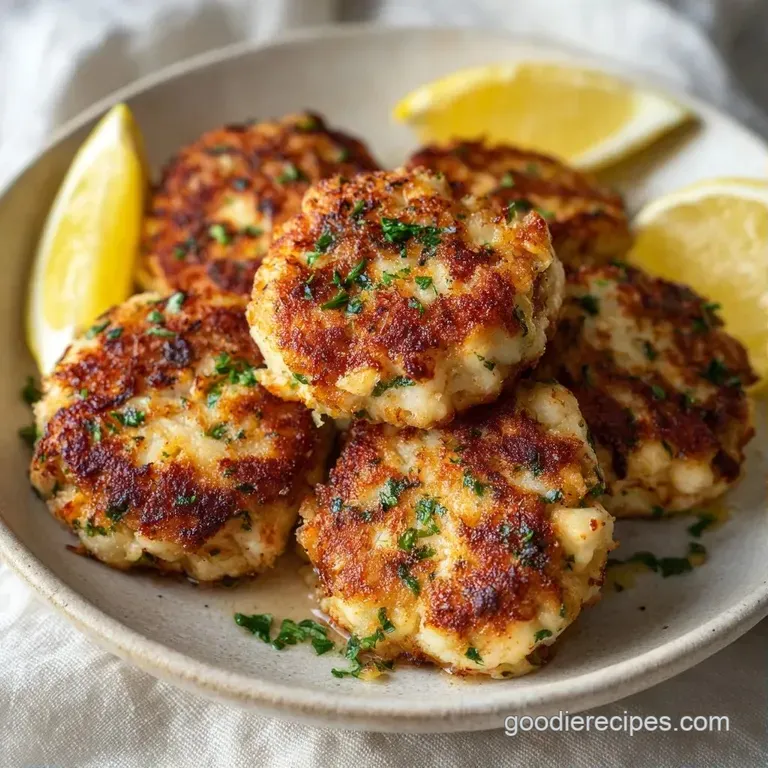
Let's crack on. The key here is gentleness. We want to treat the crab meat like it's fragile because it is.
- Whisk the egg, mayonnaise, Dijon, Worcestershire, and Old Bay in a large bowl. Mix until the texture is velvety and smooth.
- Add the lump crab meat and chopped parsley to the bowl. Note: Use a spatula to gently fold the crab in so you don't break the lumps.
- Stir in the panko breadcrumbs. Mix just until combined; over mixing will make the cakes dense.
- Scoop about 1 tablespoon of mixture for each cake. Roll them into golf ball sized spheres and flatten them slightly into discs.
- Place the cakes on a parchment lined sheet. Refrigerate for 30 minutes until the binder feels firm to the touch.
- Heat the butter and olive oil in your skillet over medium heat. Wait until the butter foams and sizzles.
- Carefully place the chilled cakes in the pan. Pan sear for 3 minutes per side.
- Remove the cakes once they reach a mahogany colored, crispy exterior and the centers feel firm.
- Let them rest for 2 minutes on a wire rack so the bottoms don't get soggy.
Fixing Common Texture Issues
The most common complaint with Miniature Crab Cakes is that they either fall apart or end up too dry. Both are easy fixes if you know what to look for.
Crumbling Cake Fixes
If your cakes are breaking in the pan, it's usually a moisture issue or a temperature problem. You might have skipped the chill, or your crab meat was too wet. Always pat your crab dry with paper towels before adding it to the mix.
Burnt Exterior Cold Interior
This happens when your pan is screaming hot but your cakes are too thick. Keep them to about 1 inch in thickness. If the butter is turning black, lower the heat and add a touch more olive oil to stabilize the temperature.
| Problem | Root Cause | Solution |
|---|---|---|
| Cakes falling apart | Didn't chill long enough | Refrigerate for a full 30 mins |
| Mushy interior | Too many breadcrumbs | Reduce panko by 2 tablespoons |
| Greasy finish | Oil temperature too low | Wait for butter to foam before adding |
Common Mistakes Checklist
- ✓ Patting the crab meat dry before mixing
- ✓ Using a spatula instead of a spoon to preserve lumps
- ✓ Chilling the cakes before they hit the pan
- ✓ Searing on medium heat, not high heat
- ✓ Resting the cakes on a rack, not a plate
Swaps for Every Diet
If you need to adjust this recipe for guests, you can do so without losing the soul of the dish. For a gluten-free version, swap the panko for almond flour or GF breadcrumbs. Note that almond flour will make the cakes slightly denser and more moisture rich.
If you're looking for a healthier take, you can bake these in a muffin tin. Just spray the tin with oil, press the mixture in, and bake at 400°F (200°C) for about 12-15 minutes. You'll lose some of that mahogany sear, but you'll save on the fat.
Decision Shortcut:
- If you want maximum crunch → Pan sear in butter/oil.
- If you're cooking for 50 people → Use the oven/muffin tin method.
- If you want a lighter bite → Swap mayo for Greek yogurt.
Adjusting the Batch Size
When you're scaling these Miniature Crab Cakes, don't just double everything blindly. Spices like Old Bay and salt can become overpowering if you simply multiply them.
Scaling Down (Half Batch): Use a smaller skillet to keep the butter concentrated. Beat one egg in a small bowl and use only half of it to ensure the binder doesn't become too liquid. Reduce the total cook time slightly as smaller batches heat up faster.
Scaling Up (Double or Triple): Increase the salt and Old Bay to only 1.5x the original amount first, then taste. Work in batches in the pan; crowding the skillet will drop the temperature, leading to steaming instead of searing.
If you're baking a huge batch, lower the oven temp by 25°F to ensure the centers cook through before the outside burns.
Truths About Seafood Cakes
There are a few myths floating around that I want to clear up. First, some people think you need to "seal in the juices" by searing at an extremely high heat. In reality, searing doesn't seal anything. It creates a flavorful crust through browning. The moisture is held in by the binder and the temperature control.
Another myth is that you must use fresh caught crab for the best results. While fresh is great, high-quality canned lump crab is often more consistent for these cakes because the moisture level is standardized.
Storage and Freshness Tips
These are best served hot, but you can definitely prep them in advance. Store uncooked cakes in an airtight container in the fridge for up to 24 hours. For the freezer, place the formed cakes on a tray and freeze until solid, then transfer them to a freezer bag. They'll stay great for 2 months.
To reheat, avoid the microwave, as it will make the panko rubbery. Instead, pop them back in a skillet with a tiny knob of butter over medium heat for 2 minutes per side.
As for zero waste, if you have leftover panko or a bit of the binder mix, stir it into a seafood chowder or use it to thicken a sauce. If you have leftover crab shells from fresh crab, simmer them with onions and carrots to make a quick seafood stock.
Best Pairings and Dips
You can't serve these without a sauce. A classic remoulade is the way to go just mix mayo, Dijon, capers, and a dash of hot sauce. The acidity of the sauce cuts right through the rich, buttery flavor of the cakes.
For a full meal, these make a brilliant starter. If you're planning a seafood themed evening, they pair wonderfully with a crab and shrimp seafood bisque for a cohesive, bold flavor experience.
If you want something fresher, serve them on a bed of arugula with a squeeze of fresh lemon and a sprinkle of flaky sea salt. The peppery greens and citrus brighten up the whole plate and make the Miniature Crab Cakes feel like a restaurant grade appetizer.
Recipe FAQs
Why are my crab cakes falling apart in the pan?
You likely skipped the chilling step. Refrigerating the cakes for 30 minutes sets the binder, ensuring they hold their shape during searing.
Do I need to refrigerate the cakes before cooking?
Yes, it is essential. This 30-minute chill time allows the panko and egg to bond, preventing the cakes from crumbling in the skillet.
How to keep the lump crab meat from breaking?
Fold the meat in gently using a spatula. Avoid over mixing the breadcrumbs once the crab is added to maintain those desirable large lumps.
How to reheat leftovers without making them rubbery?
Sear them in a skillet with butter over medium heat. Heat for 15 minutes per side; avoid the microwave as it ruins the panko texture.
Is it true that high heat is best for a crispy exterior?
No, this is a common misconception. Use medium heat to reach a mahogany color without burning the butter or leaving the center raw.
Can I freeze the crab cakes for later use?
Yes, they freeze well for up to 2 months. Freeze them on a tray until solid before transferring them to a freezer bag.
What is the best way to serve these as a party appetizer?
Serve them hot on a platter with a citrus wedge. If you enjoyed mastering the gentle folding technique here, see how the same principle works in our fluffy pancakes for a light texture.
Miniature Crab Cakes