No Spread Easter Sugar Cookies
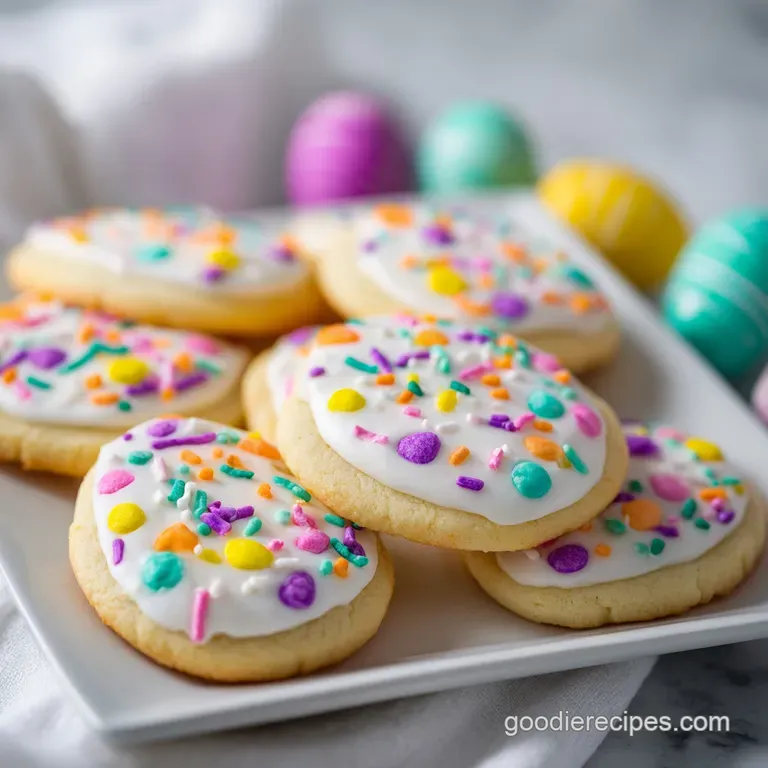
- Time: Active 20 mins, Passive 10 mins, Total 30 mins
- Flavor/Texture Hook: Buttery vanilla with a crisp, shattering snap
- Perfect for: Family gatherings, spring parties, and beginner bakers
- Creating Memories with These Classic Easter Sugar Cookies
- The Physics of the Firm Snap
- Key Specifications for Your Holiday Baking Success
- Selecting the Right Elements for Your Festive Dough
- Essential Kitchen Tools for Stress Free Cookie Decorating
- Step by Step Guide from Chilled Dough to Plate
- Practical Solutions for Common Cookie Decorating Hurdles
- Smart Modifications for Different Dietary and Flavor Needs
- Effective Storage Methods for Keeping Your Treats Fresh
- Beautiful Ways to Present Your Spring Cookie Collection
- Debunking Cookie Myths
- Recipe FAQs
- 📝 Recipe Card
Creating Memories with These Classic Easter Sugar Cookies
The smell of vanilla and sweet almond extract hitting a warm oven is basically the official scent of spring in my house. I remember one specific Saturday morning, flour dusted across the counters and three different generations of my family huddled around the kitchen island.
We were trying to cut out bunny shapes, but the dough kept sticking, and my first batch came out looking more like clouds than rabbits. It was frustrating, but it taught me that the secret isn't a fancy tool - it's all about the temperature and the ratio of flour to fat.
We finally figured out that a little patience with the fridge goes a long way. This recipe is the result of all those trial and error moments in my own kitchen. I've stripped away the complicated steps so you can focus on the fun part: the decorating.
You won't need a massive stand mixer if you don't have one, and you certainly don't need a degree in pastry arts to get these right.
Whether you're making these for a school bake sale or just want something sweet to nibble on with your coffee, these cookies are built to work every single time. They don't spread into sad puddles, they don't taste like cardboard, and the icing actually dries hard enough to stack them.
Trust me, once you hear that first "snap" when you bite into a perfectly chilled cookie, you'll never go back to the store-bought dough again.
The Physics of the Firm Snap
Starch Interference: Adding cornstarch to the all purpose flour weakens the gluten structure, which ensures the cookie remains tender rather than bread like. It creates that sought after "shatter" when you bite into the edge while keeping the center soft.
Cold Fat Stability: Using slightly cool butter instead of room temperature grease prevents the air pockets from collapsing too early in the oven. This specific thermal state is what keeps your Easter egg shapes from losing their definition during the bake.
| Servings | Ingredient Adjustments | Pan Size | Cook Time |
|---|---|---|---|
| 12 Cookies | Half all ingredients, use 1 egg yolk | 1 Large Sheet | 10 minutes |
| 24 Cookies | Use Schema quantities exactly | 2 Large Sheets | 10 minutes |
| 48 Cookies | Double ingredients, 1.5x salt/spices | 4 Large Sheets | 12 minutes |
Planning your baking session is half the battle when you're hosting a crowd. If you are prepping for a large party, doubling the recipe is easy, but remember that the chilling time might need to increase by about 15 minutes to ensure the center of the larger dough ball gets cold.
For a smaller afternoon snack, halving the recipe works perfectly as long as you use just the egg yolk to maintain the rich fat content.
Key Specifications for Your Holiday Baking Success
When we talk about "specs," I'm really talking about the non negotiables that make this recipe a success. You might be tempted to use "spread" or "margarine," but honestly, don't even bother with those if you want a cookie that holds its shape. We are looking for a specific density here.
If your dough feels like play dough, you've hit the jackpot. If it feels like oily paste, it needs more flour or more time in the fridge.
We've all been there where we try to rush the process. I once tried to roll out dough that was still warm from the mixer, and it was a total disaster. The shapes stretched as I lifted them, and they looked wonky before they even touched the heat. Give yourself the gift of time.
This dough is sturdy enough to handle little hands helping out, which is why it's a staple for family traditions.
| Component | Science Role | Pro Secret |
|---|---|---|
| Cornstarch | Gluten Inhibitor | Keeps the cookie surface ultra smooth for icing |
| Meringue Powder | Protein Binder | Allows icing to set with a matte, stackable finish |
| Unsalted Butter | Fat Source | Control the salt levels yourself for a cleaner flavor |
Using unsalted butter is a small detail that makes a massive difference in the final taste profile. It allows the delicate notes of the almond extract to shine through without being masked by a hidden salt punch. This balance is similar to the flavor layering I use in my Fudgy Blondie Recipe, where the quality of the fat dictates the entire experience.
Selecting the Right Elements for Your Festive Dough
Getting your ingredients ready is the most therapeutic part of baking for me. I like to line everything up on the counter before I even turn on the oven. It prevents that mid recipe panic when you realize you're out of confectioners' sugar.
For this recipe, ensure your egg is truly at room temperature; it emulsifies much better with the fats that way.
- 1 cup (227g) unsalted butter: Slightly cool to the touch, not mushy. Why this? Keeps dough stable and prevents excessive spreading.
- 1 cup (200g) granulated sugar: Standard white sugar for a crisp edge. Why this? Provides the structure and sweetness needed for a snap.
- 1 large egg: Room temperature is best. Why this? Acts as the primary binder for the flour and fat.
- 2 tsp vanilla extract: Use the real stuff, not imitation. Why this? The primary flavor driver for the entire cookie.
- 0.5 tsp almond extract: The "secret" bakery ingredient. Why this? Adds depth and that classic professional cookie aroma.
- 3 cups (375g) all purpose flour: Measured by weight if possible. Why this? The skeleton of the cookie that provides the bite.
- 2 tbsp cornstarch: Don't skip this! Why this? Softens the crumb while maintaining a sharp edge.
- 0.5 tsp fine sea salt: Balances the heavy sugar. Why this? Enhances all the other flavors in the dough.
- 4 cups (500g) confectioners' sugar: For the royal icing. Why this? Dissolves instantly for a silky smooth texture.
- 3 tbsp meringue powder: For the icing structure. Why this? Safer and more stable than using raw egg whites.
- 6 tbsp warm water: To adjust icing consistency. Why this? Activates the meringue powder for a perfect flow.
- Gel food coloring: Concentrated color without thinning the icing. Why this? Keeps the icing thick while adding vibrant spring hues.
If you're out of almond extract, you can swap it for more vanilla, though you'll miss that "bakery style" scent. Some people like to add a bit of lemon zest for a bright spring kick. If you're looking for a different seasonal profile, you might find inspiration in my Peppermint Sugar Cookies recipe, though those are definitely more of a winter vibe!
Essential Kitchen Tools for Stress Free Cookie Decorating
You don't need a kitchen full of gadgets to make these. In fact, keeping it simple usually leads to better results because you're more focused on the dough's texture. A basic rolling pin and a couple of sturdy baking sheets are your best friends here.
I prefer light colored aluminum sheets because they distribute heat more evenly than the dark, non stick versions which can scorch the bottoms of your cookies.
Chef's Tip: If you don't have a rolling pin, a smooth wine bottle works in a pinch. Just make sure to flour it well so the dough doesn't cling to the glass!
For the icing, you don't even need fancy piping bags. A simple sandwich bag with a tiny corner nipped off works wonders for flooding and basic lines. If you're really in a hurry, you can even use a butter knife to spread a slightly thicker version of the icing across the tops.
The goal is to enjoy the process, not to stress over having "pro" equipment.
step-by-step Guide from Chilled Dough to Plate
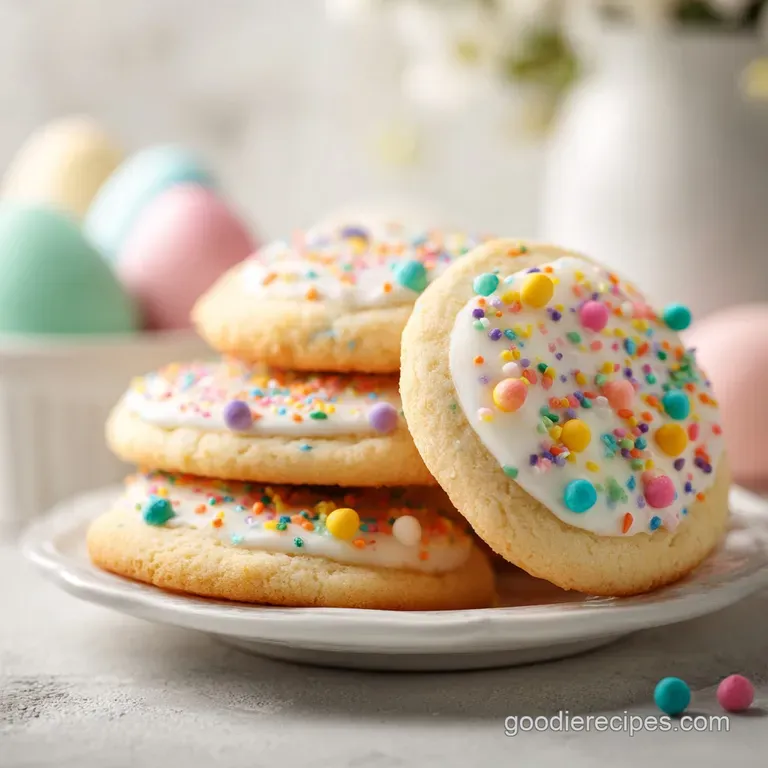
1. The Low Aeration Creaming
Cream the 1 cup (227g) unsalted butter and 1 cup (200g) granulated sugar together. Note: Only mix for about 2 minutes; we want it combined but not full of air bubbles which cause rising.
2. The Liquid Emulsion
Add the 1 large egg, 2 tsp vanilla extract, and 0.5 tsp almond extract to the butter mixture. Mix until the yellow streak of the egg completely disappears into the pale cream.
3. The Dry to Wet Integration
Sift together the 3 cups (375g) all purpose flour, 2 tbsp cornstarch, and 0.5 tsp fine sea salt. Gradually add this to the wet ingredients until a thick, non sticky ball forms and pulls away from the sides of the bowl.
4. The Flash Chill Rolling
Divide the dough into two disks and wrap them in plastic. Chill in the fridge for at least 1 hour 30 mins until the dough feels firm like cold clay.
5. The Precision Cut and Bake
Preheat your oven to 350°F (180°C). Roll the dough to 1/4 inch thickness on a floured surface and cut your shapes. Bake for 10 minutes until the edges are just barely set and the tops are matte.
6. The Royal Finishing
Whisk the 4 cups (500g) confectioners' sugar, 3 tbsp meringue powder, and 6 tbsp warm water. Beat for 5 minutes until the icing is glossy and holds a soft peak.
7. The Color Customization
Divide the icing into small bowls and add your gel food coloring. Note: Use a toothpick to add color gradually; gel is very potent!
8. The Flood and Detail
Outline your cookies with a thicker icing, then thin the remainder with a few drops of water to "flood" the centers. Allow to dry for 4 hours before adding fine details or stacking.
Practical Solutions for Common Cookie Decorating Hurdles
Why Your Cookies Spread Too Much
This is the most common heartbreak in cookie baking. Usually, it happens because the butter was too warm when the cookies entered the oven. If the fat melts before the flour structure has time to set, the whole thing sags.
Another culprit is over creaming the butter and sugar if you beat too much air into the mixture, that air will expand and then collapse, leaving you with thin, wide cookies.
Why Your Icing Is Running Off
If your icing looks like a puddle rather than a nice border, it's too thin. This usually happens if you add the water too quickly. Always start with less water than you think you need.
Royal icing is very sensitive; just a few extra drops can change the consistency from "sturdy" to "soupy." If it's already too thin, just sift in a bit more confectioners' sugar until it reaches a honey like thickness.
| Problem | Root Cause | Solution |
|---|---|---|
| Tough/Hard Cookies | Overworked dough | Mix dry ingredients only until just combined |
| Grainy Icing | Sugar not sifted | Always sift confectioners' sugar before mixing |
| Air Bubbles in Icing | Beating too fast | Stir icing slowly by hand to pop surface bubbles |
Keeping a damp cloth over your icing bowls while you work is a total game changer. Royal icing dries out incredibly fast when exposed to air. If you leave a bowl uncovered for even 10 minutes, you'll get a crust on top that creates lumps when you try to pipe.
Common Mistakes Checklist
- ✓ Check that your oven is actually at 350°F (180°C) with a separate thermometer.
- ✓ Ensure you aren't using "spreadable" butter tubs; use real sticks.
- ✓ Don't skip the chilling time; it's the most important step for shape retention.
- ✓ Avoid over flouring your surface; use a silicone mat if the dough sticks.
- ✓ Let cookies cool completely on the pan for 5 minutes before moving to a wire rack.
Smart Modifications for Different Dietary and Flavor Needs
If you're catering to a specific crowd, you don't have to start from scratch. For a gluten-free version, a high-quality 1:1 baking flour (the kind with xanthan gum already in it) works surprisingly well with this specific ratio of fat.
The cornstarch actually helps the gluten-free flour mimic that traditional "snap" quite effectively.
To Make it gluten-free
Replace the 3 cups of all purpose flour with a 1:1 gluten-free blend. Note: You may need to add 1 extra tablespoon of water if the dough feels too crumbly.
For a Bright Citrus Twist
Add 1 tablespoon of fresh lemon or orange zest to the sugar before creaming it with the butter. This releases the oils and gives the entire cookie a refreshing spring aroma that pairs beautifully with the sweet icing.
| Method | Time | Texture | Best For |
|---|---|---|---|
| Standard Oven | 10 minutes | Evenly crisp | Large batches |
| Air Fryer | 6 minutes | Extra crunchy | Small, quick batches |
| Toaster Oven | 12 minutes | Soft centers | Minimal cleanup |
The air fryer is a fun shortcut if you only want to bake four or five cookies at a time. Just make sure to line the basket with parchment paper so the dough doesn't fall through the holes. It circulates air much faster, so you'll get a very crisp exterior in a shorter amount of time.
Effective Storage Methods for Keeping Your Treats Fresh
Once your cookies are decorated and completely dry, they are surprisingly hearty. You can keep them in an airtight container at room temperature for up to 7 days. If you need to stack them, place a piece of parchment paper between the layers to prevent the icing from scuffing.
For longer storage, these cookies freeze beautifully. You can freeze the undecorated baked cookies for up to 3 months just thaw them at room temperature before you start the icing process.
Don't let those dough scraps go to waste! After you've cut out all your bunnies and eggs, ball up the leftover bits and roll them out one last time. If the dough gets too warm and soft, pop it back in the fridge for 10 minutes. Even the "wonky" shaped scraps taste delicious.
I usually bake the tiny scraps as "taster" pieces so I don't have to wait for the big ones to cool to know if the batch is good.
Beautiful Ways to Present Your Spring Cookie Collection
Presentation is where you can really let your personality shine. I love creating an "Easter Garden" platter by using crushed chocolate cookies to look like dirt and placing the flower and bunny cookies on top. It makes for a stunning centerpiece that people can actually eat. If you're looking for more cookie ideas, my Carrot Cake Cookies recipe adds a great textural contrast to a dessert table with their soft, cake like crumb.
Pairing with Spring Beverages
These cookies are fantastic with a cold glass of milk, but they also hold up well to hot tea or coffee. The almond notes in the dough complement an Earl Grey tea particularly well. For a festive brunch, try serving them alongside a light mimosas or a sparkling elderflower lemonade.
The crispness of the cookie cuts through the sweetness of the drink perfectly.
The "Easter Garden" Platter
Use a large wooden board and arrange the cookies by color. Group all the pastel pinks together, then the yellows, then the greens. Adding some sprigs of fresh mint or edible flowers around the edges of the plate gives it a professional, "styled" look without much effort.
It’s a simple way to make a basic batch of cookies look like a gourmet gift.
Debunking Cookie Myths
One big myth is that you must use room temperature butter for all cookies. For cut out shapes, using "slightly cool" butter is actually superior. If the butter is too soft, it incorporates too much air during creaming, which causes the cookies to puff and lose their sharp edges in the oven.
You want the butter to be pliable but still hold its shape when pressed.
Another misconception is that you need to grease your baking sheets. In fact, for sugar cookies, a greased pan often encourages the dough to spread. The high butter content in the recipe itself provides enough fat to prevent sticking, especially if you use parchment paper or a silicone baking mat.
Trust the dough's own fat content to do the work for you.
Finally,, many people think royal icing is "too hard" for beginners. The truth is, it's just a matter of moisture control. It's much more forgiving than buttercream because it doesn't melt in a warm room.
Once you get the "10 second consistency" (where a line drawn in the icing disappears in ten seconds), you'll realize it's basically like painting with sugar. It's one of the most rewarding skills you can learn in the kitchen!

Recipe FAQs
Do I have to chill the dough before rolling and cutting?
Yes, absolutely. Chilling solidifies the fat content, which is the single most important step to ensure your cut-out shapes do not spread during baking.
How to achieve a perfect, crack free surface on royal icing?
Beat the icing slowly for five minutes after mixing. This gentle mixing time allows microscopic air bubbles to rise and pop naturally, resulting in a glossy, smooth finish once set.
Can I substitute granulated sugar with brown sugar for a chewier cookie?
No, stick to granulated sugar for cut-out cookies. Brown sugar contains molasses, which adds moisture and causes the dough to spread significantly, ruining the defined shape.
How to prevent the edges of the cookies from browning too fast?
Use light colored aluminum baking sheets and bake on the middle rack. Dark pans absorb too much heat, cooking the edges faster than the center, resulting in uneven baking.
Is it true that using imitation vanilla extract works just as well?
No, imitation vanilla will result in a flat, artificial taste. The pure vanilla and almond extracts are key to achieving that professional, complex flavor profile; if you prefer simple profiles, see how we balance flavor in the Brown Butter Snickerdoodles recipe.
How to store iced cookies so they remain crisp for a week?
Store them in a single layer in an airtight container at cool room temperature. Do not refrigerate, as the moisture in the fridge will cause the icing to weep and soften the cookie texture.
What is the secret ingredient that prevents these cookies from tasting bland?
Use a small amount of almond extract along with the vanilla. This combination elevates the standard sugar cookie base; if you enjoy mastering flavor layering, you'll appreciate the technique used in our 3 Ingredient Peanut recipe.
No Spread Easter Sugar Cookies

Ingredients:
Instructions:
Nutrition Facts:
| Calories | 248 kcal |
|---|---|
| Protein | 2.3 g |
| Fat | 8.0 g |
| Carbs | 42.4 g |
| Fiber | 0.4 g |
| Sugar | 29.2 g |
| Sodium | 48 mg |
