Quick Cinnamon Twist Pastry
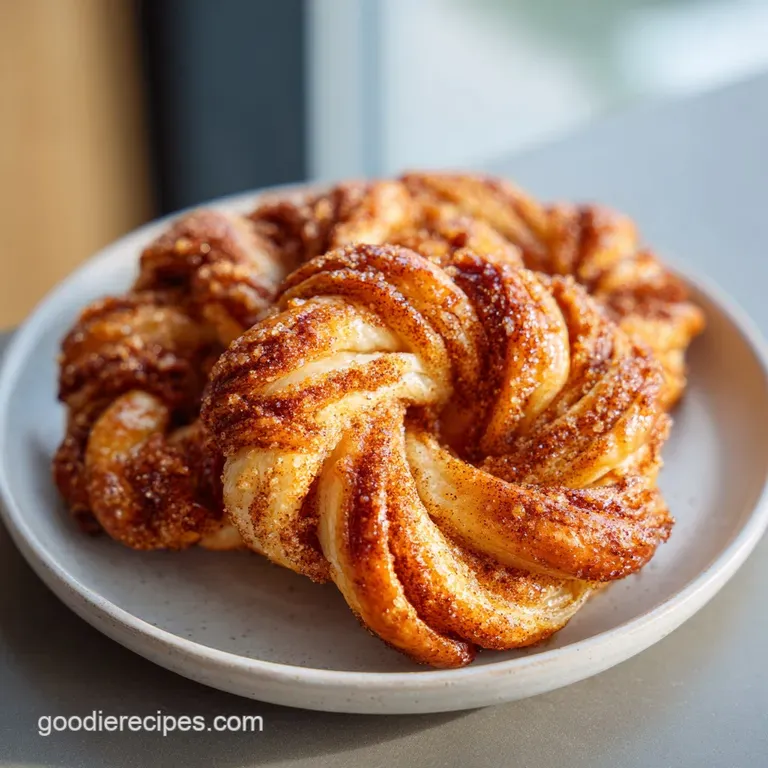
- Time: Active 10 minutes, Passive 12 minutes, Total 22 minutes
- Flavor/Texture Hook: Shatteringly crisp layers with a velvety vanilla bean finish
- Perfect for: Last minute brunch guests or lazy Sunday mornings
- How to Make the Best Cinnamon Twist
- The Science of the Crunch
- Essential Quick Cinnamon Twist Specs
- Pantry Staples for Golden Twists
- Tools for the Perfect Crunch
- Step-by-Step Guide to Flaky Pastry
- Fixing Common Baking Flaws Easily
- Adjusting the Batch
- Debunking Pastry Lore
- Creative Ways to Customize Flavors
- Keeping Your Pastries Crispy Longer
- Best Ways to Serve Sweets
- Recipe FAQs
- 📝 Recipe Card
How to Make the Best Cinnamon Twist
You know that smell? The one that hits you when you walk past a high end bakery at 6:00 AM? It is that intoxicating mix of scorched sugar, toasted butter, and a punch of warm spice. For years, I thought getting that "shatter" in a pastry required a three day sourdough process and a culinary degree.
I tried the yeast versions, the bread dough versions, and the "shortcut" biscuit versions. Most of them were fine, but they were usually too heavy or just didn't have that satisfying crunch I was craving.
One rainy Saturday, I had a single sheet of puff pastry left in the back of the freezer and a desperate need for something sweet. I didn't want to wait for dough to rise, so I decided to play with torque and temperature.
I realized that the secret isn't in the dough itself, but in how you trap the sugar between the layers and how fast you hit it with heat. When I pulled that first tray of my Cinnamon Twist out of the oven, the sugar had caramelized into a glass like coating that literally crackled as it cooled. It was a total epiphany.
We are skipping the fuss today. This is the recipe I make when I want maximum reward for minimum effort. We are talking about ten minutes of prep to get something that looks like it belongs in a professional pastry case. It is all about the technique, the chill of the pastry, and not being afraid of a little mess.
Trust me, once you hear that first "crunch" when you break one in half, you will never go back to the doughy, bready versions again.
The Science of the Crunch
1. Rapid Steam Expansion
Mechanism: High oven heat turns the water in the pastry butter into steam instantly. This force pushes the hundreds of thin dough layers apart before the fat can melt away, creating a towering, flaky structure.
2. Controlled Sugar Browning
Mechanism: The brown sugar undergoes the Maillard reaction, bonding with the pastry proteins to create a deep, toasted flavor profile. This happens simultaneously with caramelization, forming a crisp, candy like shell on the exterior.
3. The Tension Twist Technique
Mechanism: Twisting the dough creates physical tension that prevents the layers from expanding outward too far. This forces the steam to move upward, resulting in a denser, crunchier spiral rather than a flat, puffy mess.
| Method | Total Time | Texture | Best For |
|---|---|---|---|
| Puff Pastry (Quick) | 22 minutes | Shatteringly crisp | Rapid cravings |
| Yeast Dough (Classic) | 3 hours 30 mins | Soft and pillowy | Traditional brunch |
| Biscuit Dough (Easy) | 30 minutes | Short and crumbly | Dense snacks |
Using puff pastry is the ultimate "cheat code" for home cooks. It allows us to focus on the flavor balance rather than the tedious lamination process. If you find yourself enjoying these lighter textures, you might also love the aromatic profile of a traditional Rice Pudding recipe which uses similar warm spices to create comfort.
Essential Quick Cinnamon Twist Specs
| Component | Science Role | Pro Secret |
|---|---|---|
| Puff Pastry | Provides structural lamination | Keep it ice cold until the very second it hits the oven. |
| Saigon Cinnamon | High volatile oil content | Use Saigon variety for a spicy, intense aroma that survives high heat. |
| Brown Sugar | Adds moisture and molasses | Press it firmly into the dough to ensure it sticks during the twist. |
| Heavy Cream | Emulsifies the glaze | Cold cream creates a thicker, more stable glaze than milk. |
The interaction between the chilled fat in the pastry and the dry heat of the oven is where the magic happens. If your kitchen is particularly warm, don't be afraid to throw the prepared twists into the freezer for five minutes before they go into the oven.
This ensures the butter is solid, which is the only way to get those distinct, flaky layers.
Pantry Staples for Golden Twists
- 1 sheet Pre rolled Puff Pastry (245g): Ensure it is thawed but still very cold to the touch. Why this? The pre rolled thickness is perfectly calibrated for even baking and crispiness.
- 45g (3 tbsp) Unsalted Butter: Melted and cooled slightly. Why this? Acts as the "glue" for our cinnamon sugar mixture.
- 100g (1/2 cup) Light Brown Sugar: Packed tightly. Why this? Provides the molasses notes needed for that deep caramel flavor.
- 15g (2 tbsp) Ground Saigon Cinnamon: high-quality is key here. Why this? Saigon cinnamon has a higher essential oil content than regular Cassia.
- 1g (1/4 tsp) Fine Sea Salt: Just a pinch. Why this? Salt cuts through the sugar and intensifies the buttery pastry notes.
- 120g (1 cup) Powdered Sugar: Sifted to remove any lumps. Why this? Creates a silky, professional finish without the graininess.
- 30ml (2 tbsp) Heavy Cream: Full fat is best. Why this? Provides a velvety mouthfeel that thinner milks cannot replicate.
- 5ml (1 tsp) Pure Vanilla Bean Paste: For those beautiful black specks. Why this? Offers a more concentrated flavor than standard liquid extract.
| Original Ingredient | Substitute | Why It Works |
|---|---|---|
| Light Brown Sugar | Coconut Sugar | Similar caramel notes. Note: Drier texture; might need more butter. |
| Heavy Cream | Whole Milk | Lower fat content. Note: Glaze will be thinner and more translucent. |
| Vanilla Bean Paste | Vanilla Extract | Same flavor profile. Note: You lose the visual aesthetic of the bean specks. |
| Saigon Cinnamon | Pumpkin Pie Spice | Adds ginger/clove notes. Note: Changes the profile to a more autumnal flavor. |
If you are looking for other ways to use these pantry staples, especially that vanilla bean paste, I highly recommend checking out these Chocolate Chip Muffins recipe. They share that same focus on a velvety crumb and high-quality aromatics.
Tools for the Perfect Crunch
Before we start, grab a sharp pizza cutter. It is infinitely better than a knife for this because it doesn't "drag" the delicate layers of the puff pastry. You will also want a heavy duty baking sheet. Thin sheets can warp in the high heat, leading to uneven browning.
A piece of parchment paper is non negotiable here; the sugar will leak and caramelize, and without parchment, you will be scrubbing that pan for an hour.
I also like to use a small pastry brush for the butter. You want a thin, even coat. If you drench the pastry in butter, it becomes greasy rather than flaky. It is all about balance. If you don't have a pastry brush, the back of a spoon works in a pinch, just be gentle so you don't tear the dough.
step-by-step Guide to Flaky Pastry
1. Base and Fusion Steps
Preheat your oven to 400°F (200°C) and line a baking sheet with parchment. In a small bowl, whisk together the brown sugar, ground cinnamon, and sea salt until no lumps remain.
2. Prepare the Surface
Unroll your chilled puff pastry sheet onto a lightly floured surface. Note: If the dough feels soft or sticky, pop it back in the fridge for 10 minutes before proceeding.
3. The Butter Application
Brush the 45g of melted butter evenly across the entire surface of the pastry. Note: Leave a tiny 1/4 inch border at the very top to help seal the edges if needed.
4. Sugar Distribution
Sprinkle the cinnamon sugar mixture over the buttered pastry, pressing it down lightly with your palms. Note: This "anchors" the sugar so it doesn't all fall out when you twist.
5. Precise Cutting and Torquing
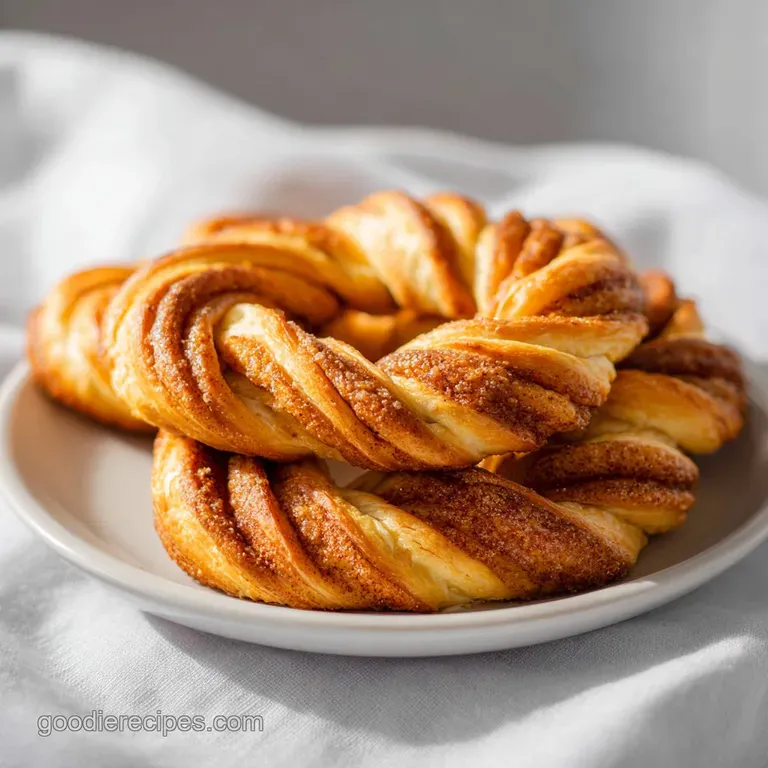
Fold the pastry in half (top to bottom) and use a pizza cutter to slice into 12 even strips. Note: Each strip should be roughly 1 inch wide.
6. Creating the Spiral
Pick up a strip, hold both ends, and twist in opposite directions 3-4 times. Note: You want a tight spiral so the sugar stays trapped inside the folds.
7. The Quick Flash Bake
Place the twists on the baking sheet and bake for 12 minutes until golden and crackling. Note: The high heat is what creates the "shatter" texture by evaporating moisture instantly.
8. Final Sweet Coating
While the twists cool slightly, whisk the powdered sugar, heavy cream, and vanilla paste. Note: The glaze should be thick but pourable, like heavy glue.
9. The Finishing Touch
Drizzle the glaze over the warm twists using a fork or a piping bag. Note: Applying while warm allows the glaze to set into a thin, crackly shell.
Chef's Tip: If you want a more refined look, you can use a Cinnamon Roll Icing recipe for a thicker, more spreadable topping that holds its shape better on the pastry.
Fixing Common Baking Flaws Easily
1. The Unraveling Disaster
If your twists are straightening out in the oven, it is usually because the dough was too warm or you didn't "anchor" the ends. When you place them on the tray, press the ends down firmly into the parchment. This acts as a physical stake that holds the tension of the twist while the heat sets the structure.
2. Soggy Bottom Problems
Nothing ruins a pastry like a limp, greasy base. This happens when the sugar melts and pools under the pastry. To avoid this, make sure your oven is fully preheated to 400°F (200°C).
If the oven is too cool, the butter melts before the steam can lift the layers, leading to a "fried" bottom rather than a baked one.
3. Gritty Glaze Texture
If your glaze feels sandy on the tongue, it is because the powdered sugar wasn't sifted or the cream wasn't fully incorporated. Whisk the glaze for at least 60 seconds. The friction actually helps dissolve the tiny sugar crystals into the fat of the cream, resulting in a velvety finish.
| Problem | Root Cause | Solution |
|---|---|---|
| No Flakes | Warm Pastry | Freeze dough for 10 mins before baking to solidify the butter. |
| Burnt Sugar | Hot Spots | Rotate the baking sheet halfway through the 12 minute bake time. |
| Dry Pastry | Overbaking | Remove as soon as they are golden; they carry over cook on the tray. |
Common Mistakes Checklist
- ✓ Never use "low-fat" or "light" puff pastry; the lack of butter prevents proper lamination.
- ✓ Don't skip the salt in the sugar mix; it is essential for flavor depth.
- ✓ Preheat your oven for at least 20 minutes to ensure a steady, high heat.
- ✓ Avoid over twisting; 3-4 turns is plenty, or you might tear the delicate dough.
- ✓ Let the twists rest on the tray for 5 minutes before moving to a wire rack.
Adjusting the Batch
If you are cooking for a crowd, you can easily double this recipe by using two sheets of puff pastry. When doubling, don't just double the cinnamon; use about 1.5x the amount of spice to keep the flavor balanced without it becoming bitter.
Work in batches so the second sheet of pastry stays in the fridge while you work on the first one.
For a smaller treat, you can cut a single sheet in half. If you only need six twists, use half an egg (beat it first, then measure) instead of the full butter amount if you want a leaner version, though I personally think the butter is worth every calorie.
Remember that smaller batches might bake a minute or two faster because there is more air circulation in the oven.
Debunking Pastry Lore
One common myth is that you must thaw puff pastry at room temperature. Honestly, that is a recipe for a sticky mess. The best way to thaw it is in the fridge overnight. If you are in a rush, 30 minutes on the counter is okay, but the second it feels "floppy," it is too warm.
Cold dough equals crispy layers; it is a fundamental rule of pastry.
Another misconception is that you need specialized "baker's sugar." Standard light brown sugar from the grocery store works perfectly. The molasses content provides exactly the right amount of moisture to create a syrup that clings to the dough.
Using white sugar alone will give you a crunch, but you will miss out on that deep, complex caramel flavor that makes these twists so addictive.
Creative Ways to Customize Flavors
1. Fruit and Nut Flavors
For a more textured experience, try adding finely crushed pecans or walnuts to the sugar mixture. You can also zest an orange directly into the sugar. The citrus oils cut through the richness of the butter beautifully.
If you are feeling adventurous, a thin layer of apricot jam brushed under the cinnamon sugar adds a professional "pâtisserie" tartness.
2. Vegan Friendly Swaps
Many store-bought puff pastry brands are actually "accidentally vegan" because they use vegetable oils instead of butter. Check the label! You can swap the melted butter for a neutral oil or a vegan butter alternative, and replace the heavy cream in the glaze with a thick oat milk or coconut cream.
The results are surprisingly close to the original.
Keeping Your Pastries Crispy Longer
Storage Guidelines
These are absolute best when eaten within two hours of baking. However, if you have leftovers, store them in an airtight glass container at room temperature for up to 2 days. Avoid the fridge, as the moisture will turn the crispy layers into a chewy, sad mess.
Zero Waste Tips
If your twists do go stale, don't toss them! Chop them up and use them as a "crouton" for a bowl of vanilla ice cream or fold them into a bread pudding base. The caramelized sugar and cinnamon layers add incredible flavor to a custard based dessert.
You can also pulse stale twists in a food processor to make a sweet crumble topping for fruit crisps.
Best Ways to Serve Sweets
I love serving these on a large wooden board in the center of the table. They are meant to be pulled apart and shared. Pair them with a sharp, acidic coffee or a strong Earl Grey tea to balance the sweetness.
If you are serving these for a dessert rather than breakfast, a small bowl of extra glaze on the side for dipping never hurts.
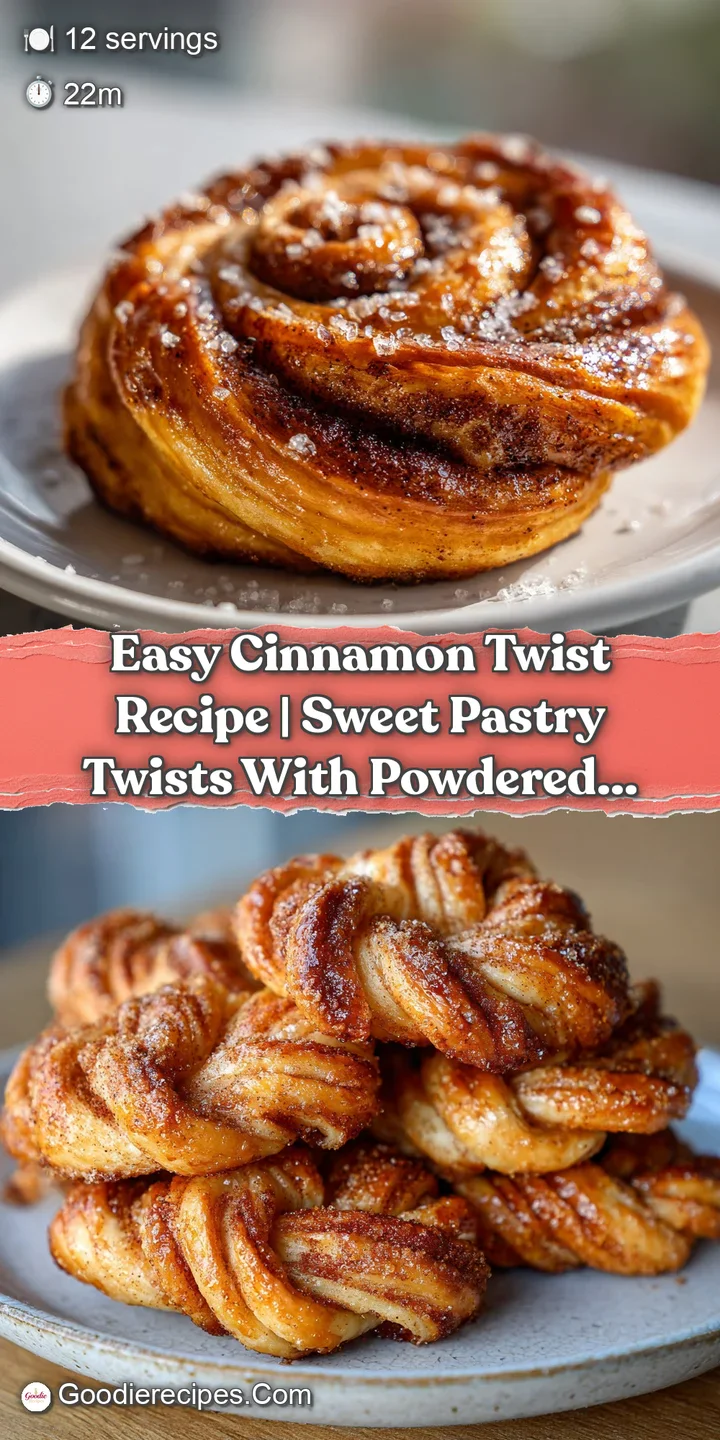
There is something so communal about a pile of warm Cinnamon Twist pastries. They don't have to be perfect. Some might twist more than others, and some sugar might bubble over the edges, but that is the beauty of home baking.
It is rustic, it is honest, and it tastes a million times better than anything you can buy in a box. So, grab that sheet of pastry and get twisting!
Recipe FAQs
Can I use store-bought dough instead of making puff pastry from scratch?
Yes, absolutely. Using pre-rolled puff pastry is the intended shortcut for maximum speed and convenience.
How do I prevent the cinnamon sugar from burning during the high heat bake?
Press the sugar firmly into the dough before twisting. This anchors the sugar between the layers, protecting it from direct exposure and ensuring it caramelizes evenly rather than scorching.
How long should I chill the assembled twists before baking for the best flakiness?
Chill them for at least 10 minutes, or up to 24 hours. Keeping the butter solid until the moment it hits the oven heat is crucial for achieving those distinct, shattering layers.
Is it true that the type of cinnamon used drastically affects the final flavor?
Yes, the variety matters significantly. Saigon cinnamon is recommended because its higher volatile oil content provides a spicier, more robust flavor that holds up against high baking temperatures.
How to achieve the thickest, creamiest glaze that doesn't soak into the pastry?
Use heavy cream instead of milk and whisk thoroughly. The higher fat content in heavy cream creates a more stable, velvety emulsion that sets into a firmer shell when it hits the warm pastry.
What is the best way to cut the pastry strips neatly without tearing the layers?
Use a sharp pizza cutter instead of a knife. A rolling cutter glides through the cold layers, preventing the dragging motion that can tear the fragile dough structure.
If I want a sturdier dessert structure, can I substitute puff pastry for a softer dough?
You can, but the texture will change drastically. If you prefer a soft, pillowy texture over crisp layers, you should follow the methods for yeasted dough, similar to how we build structure in the French Toast Muffins recipe.
Quick Cinnamon Twist Pastry
Ingredients:
Instructions:
Nutrition Facts:
| Calories | 223 kcal |
|---|---|
| Protein | 1.5 g |
| Fat | 11.7 g |
| Carbs | 28.6 g |
| Fiber | 0.7 g |
| Sugar | 18.3 g |
| Sodium | 101 mg |
