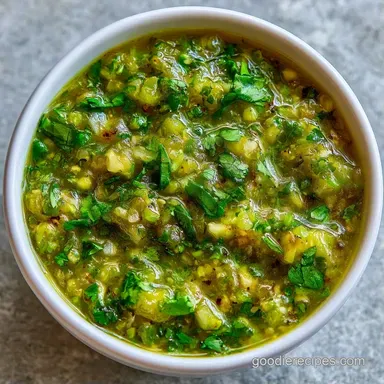
Authentic Roasted Tomatillo Salsa Verde
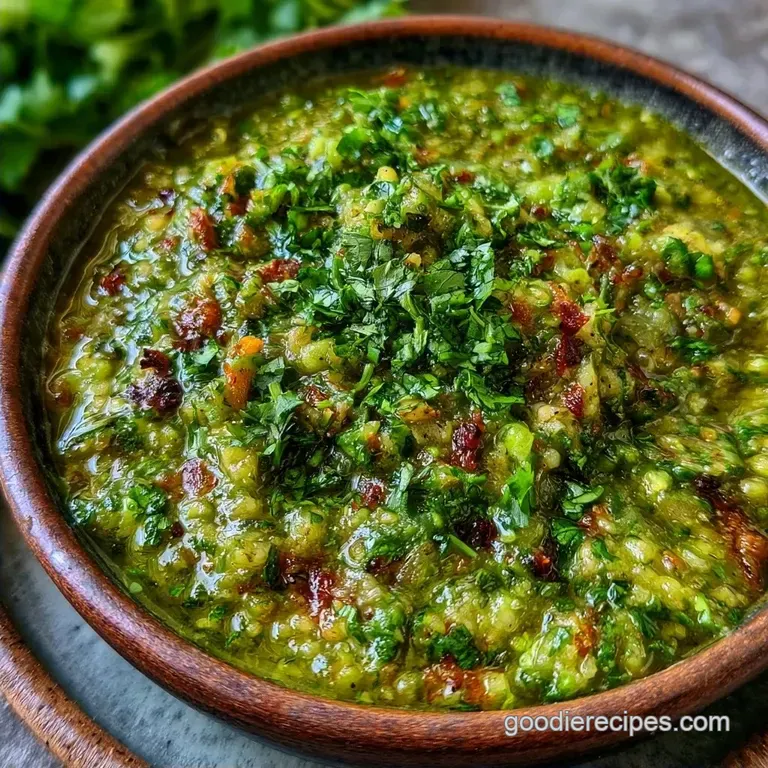
- Time: 10 min active + 12 min roasting
- Flavor/Texture Hook: Tangy, smoky, and rustic with a chunky bite
- Perfect for: Taco Tuesday, game day dips, or a bright topping for grilled fish
- Easy Tomatillo Salsa Verde for Taco Night
- The Role of Each Ingredient
- Required Tools for the Job
- Steps to Make the Salsa
- Tips for the Best Result
- Fixing Common Salsa Issues
- Troubleshooting Common Issues
- Adjusting the Batch Size
- Truths About Green Salsa
- Freshness and Storage Tips
- Flavor Variations and Swaps
- Best Ways to Serve It
- Recipe FAQs
- 📝 Recipe Card
I remember the first time I tried to host a proper taco night for my friends. I bought a jar of pre made green sauce, and it tasted like metallic lime water. It was a letdown. I wanted that pungent, smoky, bright flavor you get at the street carts, something that actually cuts through the fat of the carnitas.
The smell of roasting tomatillos is something else. When they hit the heat, they release this acidic, fresh aroma that fills the whole kitchen. It’s a sensory trigger that tells everyone in the house that dinner is actually going to be good this time.
We're making a Tomatillo Salsa Verde that focuses on layering. We start with the char, add the fresh brightness of lime and cilantro, and finish with a touch of cumin. It's a balance of heat and tang that works on everything from chips to eggs.
Easy Tomatillo Salsa Verde for Taco Night
Right then, let's look at why this specific method works better than just throwing raw ingredients in a blender. The magic is in the fire.
Charring: High heat caramelizes the natural sugars in the onion and tomatillos. This removes the raw "green" taste and replaces it with a smoky depth.
Acid Balance: The lime juice cuts through the earthiness of the roasted garlic and cumin. It wakes up the other flavors so the sauce doesn't taste flat.
And honestly, if you've ever wondered why some salsas taste "professional" while others taste like blended vegetables, it's almost always about the roasting time.
| Method | Time | Texture | Best For |
|---|---|---|---|
| Broiler (Oven) | 12 mins | Charred & Rustic | Bold, smoky flavor |
| Stovetop | 15 mins | Softened & Sweet | Controlled caramelization |
| Raw Blend | 5 mins | Bright & Crisp | Fresh, zesty salads |
The Role of Each Ingredient
I've found that skipping even one of these changes the profile entirely. The balance is delicate.
| Ingredient | What It Does | Best Swap |
|---|---|---|
| Tomatillos | Provides the tangy, acidic base | Canned tomatillos (less smoky) |
| Jalapeños | Adds a medium kick and grassy notes | Serranos (for more heat) |
| White Onion | Adds sweetness and savory depth | Yellow onion (slightly sweeter) |
| Fresh Cilantro | Gives a bright, herbal finish | Flat leaf parsley (less bold) |
Most people forget the cumin, but that tiny pinch is what gives the Tomatillo Salsa Verde its warmth. Trust me on this, it ties the roast flavors to the fresh lime.
Required Tools for the Job
You don't need a fancy kitchen to pull this off. A basic setup works.
- Baking Sheet: A rimmed one is best so the tomatillo juices don't leak into your oven.
- Blender or Food Processor: You want something that can pulse. A Vitamix is great, but any standard blender does the trick.
- over High heat Broiler: This is the engine of the recipe.
Chef's Note: If you don't have a broiler, a cast iron skillet on a high flame works. Just char the vegetables in batches so you don't crowd the pan and steam them instead of searing them.
Steps to Make the Salsa
Let's crack on. Make sure your tomatillos are husked and rinsed well, as they have a sticky residue that can taste bitter if not washed off.
- Preheat your broiler to high. Arrange the husked tomatillos, quartered onion, halved jalapeños, and garlic cloves on a baking sheet.
- Place the vegetables under the broiler for 5–8 minutes, turning once, until the tomatillos are softened and the onion skins are blackened and blistered.
- Ensure the garlic is golden but not dark brown, as burnt garlic turns bitter.
- Transfer the roasted vegetables and all those released juices into a blender. Note: Those juices are flavor gold, don't leave them on the pan.
- Add the fresh cilantro, lime juice, salt, and cumin to the mix.
- Pulse in short bursts until the mixture has a rustic, chunky texture. Avoid blending it into a smooth puree.
- Taste the Tomatillo Salsa Verde. If it's too tart, add a pinch of sugar or honey.
- If it needs more punch, add an extra squeeze of lime.
- Blend one final time for 2 seconds to incorporate the adjustments.
Tips for the Best Result
To get that authentic taste, you have to be brave with the char. I used to be afraid of "burning" the onions, but those black edges are where the flavor lives.
If you want a silky finish, you can blend for an extra 30 seconds, but I prefer the texture of a homemade salsa that still has some visible bits of onion and pepper. It feels more organic.
Here is a quick decision shortcut for your flavor profile: Want it spicier? Keep the jalapeño seeds in. Want it smokier? Leave the vegetables under the broiler for an extra 2 minutes. Want it zestier? Increase the lime juice by one tablespoon.
Fixing Common Salsa Issues
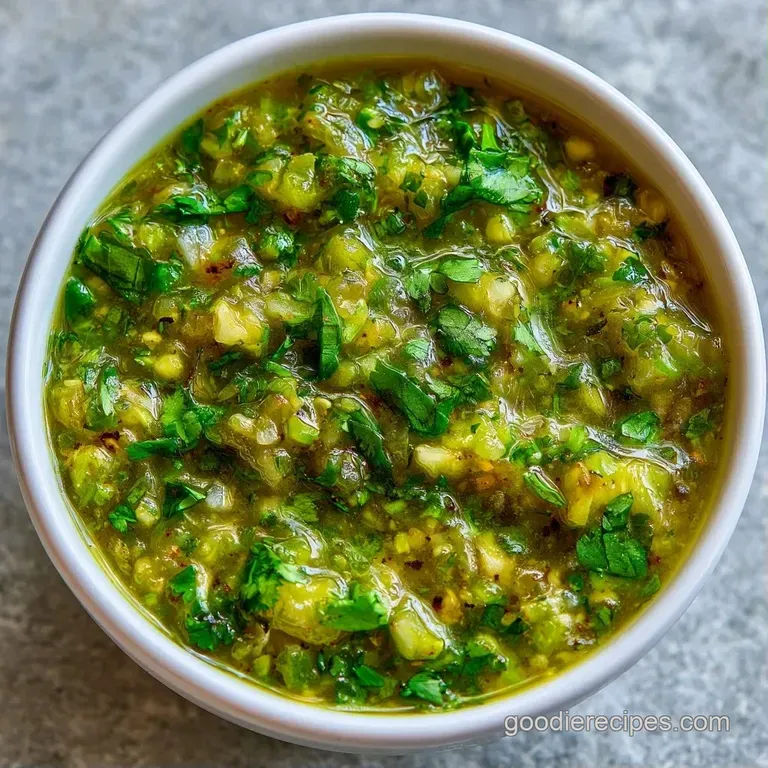
One mistake I once made was over processing the sauce. I turned it into a thin soup, and it lost all its character. The pulse button is your best friend here.
Troubleshooting Common Issues
| Issue | Solution |
|---|---|
| Why Your Salsa Is Too Tart | Tomatillos vary in acidity. Some are like lemons, others are milder. If your batch tastes too sharp, a tiny bit of sweetness neutralizes the acid without making it taste like dessert. |
| Why Your Salsa Is Too Spicy | If you accidentally used "hot" jalapeños, don't panic. Adding a bit more onion or a tablespoon of olive oil can mellow out the capsaicin. |
| Why Your Salsa Is Too Thin | This usually happens if you over blend or use overly ripe tomatillos. Let it sit in the fridge for an hour, and it will thicken up as it cools. |
Adjusting the Batch Size
Scaling this Tomatillo Salsa Verde is pretty straightforward, but you can't just double everything blindly.
Scaling Down (½ Batch): Use a smaller baking sheet so the vegetables stay close together. This keeps the moisture in. Reduce the roasting time by about 20%, as smaller piles of vegetables heat up faster.
Scaling Up (2x-4x Batch): Work in batches for the roasting. If you crowd the broiler, the vegetables will steam and you won't get that blackened char. For the spices, only increase the salt and cumin to 1.5x first, then taste and adjust. Too much cumin in a large batch can make the sauce taste "dusty."
Truths About Green Salsa
There are a few things people get wrong about this dish. Let's set the record straight.
Myth: You have to boil tomatillos to remove the skin. Actually, boiling them often makes the sauce watery and bland. Roasting gives a much bolder, deeper flavor profile.
Myth: Canned tomatillos are exactly the same as fresh. They work in a pinch, but canned versions are often pre salted and lack the bright, grassy tang of a fresh husk. If using canned, reduce the salt in the recipe.
Myth: More jalapeños always mean more heat. Not necessarily. Some jalapeños are mild, others are fire. Always taste a small piece of the pepper before adding it to your Tomatillo Salsa Verde.
Freshness and Storage Tips
This sauce actually tastes better the next day. The flavors meld together, and the sharp acid softens.
Fridge: Store in an airtight glass jar for up to 7 days. The lime juice acts as a natural preservative. Freezer: You can freeze this for up to 3 months. Thaw it in the fridge overnight. Note that the texture might change slightly, so give it a quick stir.
Zero Waste Tip: Don't toss the cilantro stems. Chop them finely and sauté them with your onions for your main dish, or throw them into a stock pot. They hold more flavor than the leaves.
Flavor Variations and Swaps
If you're in the mood for something red, my Chilis Salsa recipe is a great alternative that brings a different kind of heat to the table.
For a creamier version of this Tomatillo Salsa Verde, blend in a tablespoon of Greek yogurt or avocado. It transforms the sauce into a dip that's great for veggie sticks. If you want an even more aggressive heat, swap the jalapeños for habaneros, but be careful start with half a pepper.
You can also try adding a roasted garlic clove or two extra if you love that pungent, savory punch. Some people like adding a splash of apple cider vinegar for an extra layer of tang, which works well if your tomatillos are on the sweeter side.
Best Ways to Serve It
This isn't just for chips. It's a versatile condiment.
It's a natural match for creamy chicken enchiladas to cut through the rich cheese and heavy cream. I also love drizzling it over grilled shrimp or using it as a marinade for pork shoulder.
If you're doing a brunch, try it over poached eggs or mixed into a scramble. The acidity of the Tomatillo Salsa Verde wakes up the richness of the yolks. Just serve it in a bowl with a few fresh cilantro leaves on top for a look that's as bold as the taste.
Trust me, once you move past the jarred stuff and start roasting your own, you'll never go back. It's a simple shift in technique that makes a world of difference.
Recipe FAQs
Is it better to roast or boil tomatillos for salsa verde?
Roast them. Broiling at high heat for 5 8 minutes creates a charred depth of flavor and sweetness that boiling cannot replicate.
What is the difference between salsa verde and tomatillo?
Salsa verde is the finished sauce, while tomatillo is the main ingredient. Tomatillos are the small, green, husk covered fruits that give the salsa its signature tart taste.
Do tomatillos need to be cooked before blending?
Yes, they should be cooked. Roasting them under the broiler softens the fruit and removes the raw, metallic flavor found in uncooked tomatillos.
How to make salsa verde at home?
Broil tomatillos, onion, jalapeños, and garlic on high for 5 8 minutes. Transfer the roasted vegetables to a blender with cilantro, lime juice, salt, and cumin, then pulse in short bursts for a rustic texture.
Can I make this salsa smoother?
Yes, blend for an additional 30 seconds. While a chunky texture is more traditional, longer blending creates a silky, uniform consistency.
Is it true that charred onion skins ruin the taste?
No, this is a common misconception. Those blackened, blistered edges provide the essential smoky flavor that makes the salsa taste authentic.
How to make the salsa spicier?
Keep the jalapeño seeds in during the roasting process. Most of the heat is concentrated in the seeds and membranes, which will increase the spice level once blended.
Roasted Tomatillo Salsa Verde