Texas Sheet Cake Cookies Recipe
- Time: Active 15 minutes, Passive 10 minutes, Total 25 minutes
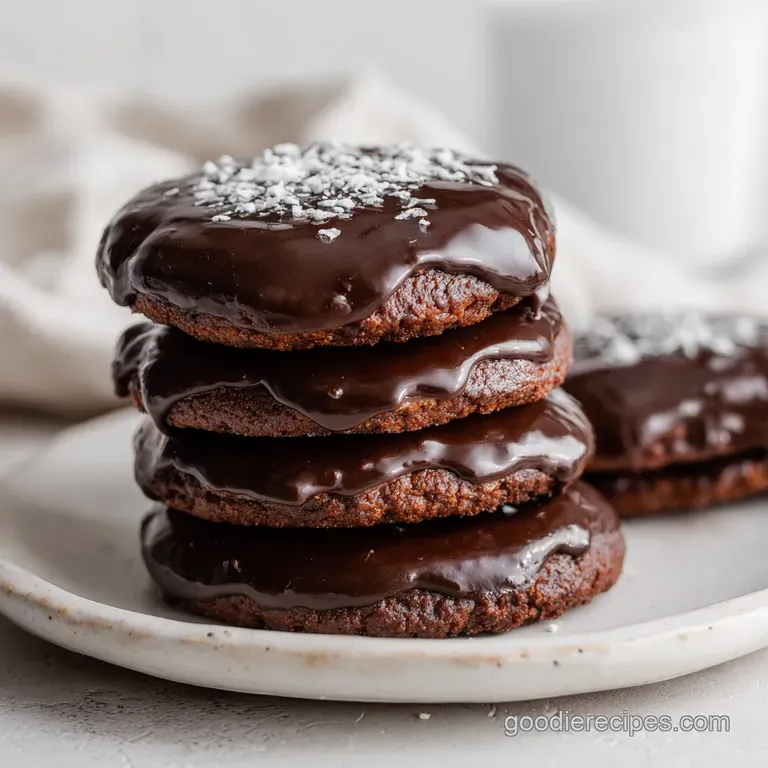
- Flavor/Texture Hook: Fudgy, cake soft center with a shatter crisp chocolate glaze
- Perfect for: Potlucks, backyard barbeques, and late night chocolate cravings
- Secrets to Authentic Texas Sheet Cake Cookies
- Essential Baking Specs and Timings
- Ingredient Breakdown for Fudgy Results
- Minimal Tools for Better Baking
- Mastering the Step by Step Process
- Troubleshooting Common Baking Blunders
- Creative Flavor Twists and Variations
- Long Term Storage and Freshness
- Smart Pairing Ideas for Serving
- Recipe FAQs
- 📝 Recipe Card
Secrets to Authentic Texas Sheet Cake Cookies
The kitchen fills with this heavy, cocoa rich scent that takes me straight back to my grandmother's Sunday lunches. I remember standing by the stove, watching her whisk butter and milk in a small saucepan until it bubbled into a glossy, dark ribbon.
She never waited for the cookies to cool completely before pouring that liquid gold over them; she said the heat helped the glaze bond to the crumb. That first bite, where the velvety frosting gives way to a tender chocolate center, is a memory I’ve spent years trying to replicate perfectly in my own kitchen.
We've all had those moments where a recipe looks great on paper but falls flat on the baking sheet. I once tried to make these with a cold glaze, thinking it would be easier, but it just sat on top like a sad, dull lump. This recipe fixes that.
We are going for that iconic, mirror like sheen that only comes from a boiled frosting. It is a simple technique, but it makes all the difference between a standard chocolate cookie and a true Texas classic.
You don't need fancy equipment or hours of chilling time for this. It's about the chemistry of melted fats and the timing of the pour. We are building a foundation that is sturdy enough to hold the glaze but soft enough to mimic the texture of a traditional cake.
If you’ve ever felt intimidated by candy making or complex frostings, don't worry. This is the approachable, hands on version that works every single time you need a chocolate fix.
Essential Baking Specs and Timings
The Physics of the Crackle: Boiling the glaze evaporates just enough moisture so that as it cools, the sugar recrystallizes into a thin, shatter prone layer while the fat keeps the underside silky. This dual texture is what defines the authentic sheet cake experience.
- Checkpoint 1: Ensure the oven is preheated to 180°C (350°F). Baking in a cold oven results in tough, dry edges before the center can set.
- Checkpoint 2: Pull the cookies out at exactly 10 minutes. They will look slightly underdone, but carryover cooking finishes them on the tray.
- Checkpoint 3: The glaze must reach a full rolling boil for 30 seconds to ensure the sugar is fully dissolved for a glossy finish.
| Original Ingredient | Substitute | Why It Works |
|---|---|---|
| Dutch processed Cocoa | Natural Cocoa Powder | Higher acidity. Note: Result will be lighter in color and slightly tangier. |
| Whole Milk | Heavy Cream | Higher fat content. Note: Creates a richer, more fudge like glaze that sets firmer. |
| Chopped Pecans | Toasted Walnuts | Similar oil content. Note: Offers a slightly more bitter, earthy crunch than pecans. |
When you are deciding which version of this chocolate treat to make, think about your crowd. A traditional sheet cake is wonderful for a sit down dinner, but these cookies are built for movement. They travel better, they don't require slicing, and the glaze to cake ratio is significantly higher in every single bite.
| Method | Prep Time | Portability | Texture Profile |
|---|---|---|---|
| Full Sheet Cake | 45 mins | Low (requires plates) | Ultra moist, airy sponge |
| This Cookie Recipe | 25 mins | High (hand held) | Dense, fudgy, crackly top |
| Cake Mix Shortcut | 15 mins | High (hand held) | Lighter, more artificial sweetness |
Ingredient Breakdown for Fudgy Results
| Ingredient | Science Role | Pro Secret |
|---|---|---|
| 115g Melted Butter | Fat Source | Using melted butter instead of creamed butter creates a denser, more brownie like texture. |
| 45g Cocoa Powder | Structural Flavor | Dutch processing removes acidity, allowing the deep chocolate notes to shine without bitterness. |
| 2 Large Eggs | Emulsifier | Room temperature eggs incorporate faster, preventing over mixing which leads to tough cookies. |
| 240g Powdered Sugar | Glaze Base | Sifting is non negotiable here to prevent tiny white lumps in your glossy dark frosting. |
For another decadent treat that uses some of these same principles, you might want to try my Brown Butter Toffee recipe which also relies on the magic of melted fats for flavor.
Minimal Tools for Better Baking
You really don't need a stand mixer for this one. In fact, a simple whisk and a sturdy spatula often yield better results because you have more control over the aeration. Over beating the dough introduces too much air, which causes the cookies to puff up and then collapse, leaving you with a wrinkled surface rather than a smooth base for your glaze.
- Large Mixing Bowl: For the cookie base.
- Small Saucepan: Essential for the boiled glaze.
- Whisk: To ensure the cocoa and flour are fully integrated.
- Baking Sheets: Line these with parchment paper or silicone mats to prevent sticking.
- Wire Cooling Rack: This allows air to circulate under the cookies so they don't get soggy bottoms while you glaze them.
Chef's Tip: Freeze your pecans for 10 minutes before chopping. This keeps the natural oils from smearing on your cutting board, giving you cleaner, crispier nut pieces for the topping.
Mastering the step-by-step Process
1. Preparing the Dough
Whisk 250g all purpose flour, 45g cocoa powder, 1 tsp baking powder, and 0.5 tsp salt in a bowl. Note: Whisking dry ingredients first prevents clumps of baking powder in the finished bake.
2. Creaming the Base
In a separate bowl, stir 115g melted butter with 200g granulated sugar until combined. Add 2 room temperature eggs and 1 tbsp vanilla extract, stirring until the mixture looks smooth and slightly glossy.
3. Combining Elements
Fold the dry ingredients into the wet mixture using a spatula. Mix until no white streaks of flour remain. Note: Stop immediately once combined to keep the texture soft.
4. Portioning the Cookies
Scoop rounded tablespoons of dough onto your prepared baking sheets, spacing them 5cm apart. You should have exactly 24 portions.
5. Baking for Softness
Bake at 180°C for 10 minutes until the edges are set but the centers still look soft. Let them rest on the pan for 5 minutes before moving to a rack.
6. Boiling the Glaze
While cookies cool, combine 55g butter, 25g cocoa powder, and 45ml whole milk in a saucepan. Bring to a boil over medium heat, whisking constantly.
7. Finishing the Glaze
Remove from heat and whisk in 240g sifted powdered sugar and 1 tsp vanilla until the frosting is velvety and lump free.
8. Flooding the Cookies
Immediately spoon the warm glaze over the slightly warm cookies. Note: If the glaze thickens too much, put it back on low heat for 10 seconds.
9. Adding the Crunch
Sprinkle 0.5 cup finely chopped pecans over the wet glaze. Work quickly before the frosting sets into a shell.
Troubleshooting Common Baking Blunders
Causes of Excessive Spreading
If your cookies come out as thin, oily puddles, it's usually because the butter was too hot when mixed with the sugar. When butter is completely liquid and piping hot, it dissolves the sugar too quickly and weakens the flour's ability to hold shape.
Always let your melted butter sit for about 5 minutes before adding the sugar.
Fixing a Grainy Glaze
A gritty texture in the frosting happens when the powdered sugar isn't fully incorporated or if the milk and butter didn't reach a proper boil. The heat is what breaks down the sugar crystals. If you see grains, add one teaspoon of hot milk and whisk vigorously over low heat to smooth it back out.
| Problem | Root Cause | Solution |
|---|---|---|
| Dry/Crumbly Base | Too much flour or over baked | Measure flour by weight (250g) and pull at 10 mins. |
| Dull Glaze | Glaze cooled too much in pan | Reheat slightly and add a tiny bit of butter for shine. |
| Toppings Falling Off | Glaze set too quickly | Sprinkle nuts immediately after spooning glaze on each cookie. |
Common Mistakes Checklist
- ✓ Sift the powdered sugar to ensure a professional, mirror like finish.
- ✓ Use room temperature eggs so the fat in the butter doesn't seize up.
- ✓ Don't skip the salt; it balances the heavy sugar in the frosting.
- ✓ Glaze the cookies while they are still slightly warm to help the frosting bond.
- ✓ Keep the glaze on the lowest stove setting if you are a slow pourer.
If you find yourself loving the warm spices often found in Southern baking, you should check out the Mexican Hot Chocolate recipe for a similar chocolatey base with a spicy kick.
Creative Flavor Twists and Variations
If you want a deeper chocolate profile, add a teaspoon of instant espresso powder to the dry ingredients. It won't make the cookies taste like coffee, but it acts like a magnifying glass for the cocoa, making the flavor much more intense. It's a trick I use in almost all my chocolate baking.
- The Salted Caramel Twist: Drizzle a bit of sea salt over the wet glaze instead of pecans.
- The Minty Fresh Version: Swap the vanilla in the glaze for half a teaspoon of peppermint extract.
- The Triple Chocolate: Fold 50g of mini chocolate chips into the dough before baking.
For those who want a completely different flavor profile but love the "cake cookie" texture, my Carrot Cake Cookies recipe offers that same soft bite with a cream cheese twist.
Long Term Storage and Freshness
These cookies actually taste better on the second day. The moisture from the glaze seeps slightly into the cookie, making it even more fudgy. Store them in a single layer in an airtight container at room temperature for up to 4 days.
If you must stack them, place a sheet of parchment paper between the layers to keep the glaze from sticking.
For long term storage, you can freeze these for up to 3 months. I recommend freezing them on a tray first until the glaze is rock hard, then transferring them to a freezer bag. To reheat, just let them sit at room temperature for an hour. Don't microwave them, or the glaze will melt into a sticky mess.
Zero waste tip: If you have leftover glaze in the pan, don't toss it! Scrape it onto a piece of parchment, let it harden, and chop it up to use as "fudge chips" in your next batch of brownies or over vanilla ice cream.
Smart Pairing Ideas for Serving
When serving these at a party, I love to lean into the nostalgic "after school snack" vibe. A cold glass of whole milk is the classic choice, but a strong, bitter black coffee provides a sophisticated balance to the sweetness of the powdered sugar glaze.
If you are putting together a dessert board, pair these cookies with something tart to cut through the richness. Fresh raspberries or sliced strawberries work beautifully. The acidity of the fruit cleanses the palate between bites of the dense, chocolatey cake.
For a festive touch, serve them alongside a scoop of salted caramel gelato; the temperature contrast between the room temp cookie and the frozen treat is incredible.

Recipe FAQs
What is a Texas sheet cake cookie?
It is a small, portable, cake like cookie that mimics the flavor and texture of classic Texas Sheet Cake. It features a soft, dense chocolate base topped with the signature boiled fudge frosting that sets into a thin, crackly shell.
What is the difference between a sheet cake and a Texas sheet cake?
Yes, there is a significant difference, primarily in the frosting and texture. A standard sheet cake typically uses a thinner, spreadable buttercream or crumb coat, whereas a Texas Sheet Cake uses a distinctive, poured, boiled chocolate icing made with butter, cocoa, and milk that sets firmly.
What's so special about Texas sheet cake?
Its special quality comes from the boiled frosting, which creates a dual texture experience. The frosting is thin and sets with a slight crackle on top while remaining incredibly fudgy underneath, setting it apart from standard American layer cakes.
What is the difference between a cookie sheet and a sheet cake pan?
A cookie sheet typically has no raised edges, or maybe one low rim, while a sheet cake pan has high, defined sides (usually 1-2 inches). The raised sides of the sheet cake pan are necessary to contain the pourable batter and the liquid glaze.
How do I ensure my boiled frosting has that shiny, crackly top?
Bring the glaze ingredients to a full, rolling boil for at least 30 seconds, then pour it immediately. Boiling evaporates moisture, ensuring the sugar properly recrystallizes upon cooling, which creates the desired shell effect.
Can I substitute room temperature eggs for cold eggs in the cookie dough?
Yes, use room temperature eggs for better incorporation. Cold eggs can cause the melted butter in the base to seize or solidify slightly when mixed, leading to a less cohesive dough structure, similar to the careful emulsification required when making a smooth batter like in our Cupcake Recipe with.
Is it true that you must pour the glaze over warm cookies, not hot or cold ones?
Yes, that is correct for optimal bonding. Pouring the warm glaze onto still warm cookies allows the heat transfer to slightly open the cookie's crumb structure, enabling the frosting to soak in just a bit, creating a fudgier interior layer.
Texas Sheet Cake Cookies
Ingredients:
Instructions:
Nutrition Facts:
| Calories | 192 kcal |
|---|---|
| Protein | 2.5 g |
| Fat | 8.5 g |
| Carbs | 28.4 g |
| Fiber | 1.2 g |
| Sugar | 18.3 g |
| Sodium | 71 mg |
