Stir Fry Sauce: Easy and Homemade

- Time: 5 min active + 5 min cook = Total 10 mins
- Flavor/Texture Hook: Velvety, savory glaze
- Perfect for: Weeknight dinners, meal prep, beginner friendly
- My Battle With Watery Stir Fry Sauce
- Why This Sauce Actually Works
- The Component Analysis
- Gathering Your Essentials
- Tools For The Job
- Making The Sauce Step-By-Step
- Fixing Your Sauce Mishaps
- Troubleshooting Common Issues
- Customizing Your Flavors
- Adjusting the Batch Size
- Dispelling Sauce Myths
- Storage Guidelines
- What To Serve With It
- High in Sodium
- Recipe FAQs
- 📝 Recipe Card
My Battle With Watery Stir Fry Sauce
That sound of a searing pan is the best part of cooking, right? But for the longest time, my stir fries were a total disaster. I'd have this beautiful sizzle going, toss in my sauce, and suddenly everything turned into a salty, watery soup.
The vegetables were boiled instead of charred, and the meat just slid around in a puddle. It was frustrating because the flavors were there, but the texture was just wrong.
I realized the problem wasn't my ingredients, but how I was thickening the liquid. I was just hoping the sauce would reduce on its own, which takes way too long and overcooks the vegetables. Once I learned the secret of the cornstarch slurry and the proper simmering sequence, everything changed.
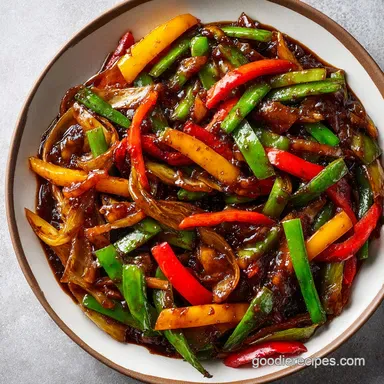
Now, I use this specific Stir Fry Sauce whenever I need a fast, reliable meal. It gives you that thick, translucent glaze you see in restaurants without needing a degree in chemistry. It's the fix for anyone tired of "soup fry" and ready for actual glazed goodness.
Why This Sauce Actually Works
I used to think thickening was just about adding more flour or starch, but it's actually about timing and temperature. If you just dump starch into a hot pan, you get lumps. If you don't heat it enough, it tastes like raw flour.
- Starch Swelling
- Cornstarch granules absorb liquid and burst when they hit a specific heat, creating a mesh that traps the sauce.
- Sugar Viscosity
- The honey doesn't just add sweetness, it creates a heavier body that helps the sauce coat the food.
- Acid Balance
- Rice vinegar breaks through the heavy salt of the soy, preventing the sauce from feeling "flat" on your tongue.
- Aromatic Infusion
- Sautéing the garlic and ginger first (or simmering them in) releases oils that flavor the fat in the pan.
When you're looking at how liquids thicken, it's a lot like how a Brown Butter Caramel Sauce relies on sugar and fat to create a silky mouthfeel. In this case, we use starch and soy to get that same clingy texture.
| Method | Prep Time | Final Texture | Best For |
|---|---|---|---|
| Fast Slurry | 10 mins | Glossy & Uniform | Weeknight Meals |
| Slow Reduction | 30 mins | Thick & Syrupy | Intense Flavor |
| Cornflour Mix | 15 mins | Matte & Heavy | Thick Stews |
The Component Analysis
I've found that budget-friendly ingredients can actually give you the best results if you understand their role. You don't need a specialty store for this; most of this is in your pantry.
| Ingredient | Science Role | Pro Secret |
|---|---|---|
| Soy Sauce | Umami Base | Use low sodium to avoid "salt bombs" |
| Cornstarch | Structural Agent | Always use cold water for the slurry |
| Honey | Glazing Agent | Whisk well before heating to avoid clumps |
| Rice Vinegar | Brightener | Adds a "zing" that cuts through the fat |
Gathering Your Essentials
Here is everything you'll need. I've kept this budget smart, so if you're missing something, don't panic. There are plenty of ways to swap things out without ruining the vibe.
- 1/2 cup soy sauce Why this? The primary source of salt and deep color
- 1/4 cup chicken broth Why this? Dilutes the salt for a more balanced taste
- 1 tbsp oyster sauce Why this? Adds a rich, savory depth
- 2 tbsp honey Why this? Creates the gloss and balances the vinegar
- 1 tbsp rice vinegar Why this? Provides necessary acidity
- 1 tbsp freshly grated ginger Why this? Fresh is way punchier than powdered
- 3 cloves garlic, minced Why this? Essential aromatic base
- 1 tsp toasted sesame oil Why this? Adds a nutty, toasted aroma
- 1 tbsp cornstarch Why this? The key to the velvety thickness
- 1 tbsp cold water Why this? Prevents cornstarch from clumping
For the soy sauce, I highly recommend checking out the different types of soy sauce to see which one fits your taste, but standard low sodium is the safest bet here.
| Original Ingredient | Substitute | Why It Works |
|---|---|---|
| Soy Sauce (1/2 cup) | Tamari (1/2 cup) | Similar salt profile. Note: gluten-free option |
| Honey (2 tbsp) | Brown Sugar (2 tbsp) | Same sweetness. Note: Slightly less gloss |
| Oyster Sauce (1 tbsp) | Hoisin Sauce (1 tbsp) | Similar savory profile. Note: Sweeter and thicker |
| Chicken Broth (1/4 cup) | Veggie Broth (1/4 cup) | Same liquid volume. Note: Makes it vegetarian |
Don't be afraid to use what you have. Even if you swap honey for maple syrup, the Stir Fry Sauce will still thicken and cling just fine.
Tools For The Job
You don't need a professional kitchen for this. I usually just use what's sitting on my counter.
- A small mixing bowl (for the main sauce)
- A tiny ramekin or cup (for the slurry)
- A whisk or fork
- A small saucepan
If you're making this as part of a larger meal, make sure your wok or large skillet is already hot before the sauce goes in. This prevents the sauce from sitting and over thickening while you're still trying to cook your protein.
Making The Sauce step-by-step
Right then, let's crack on. The key here is the order of operations. If you rush the slurry, you'll get those annoying white lumps in your sauce.
- Combine the soy sauce, chicken broth, honey, rice vinegar, ginger, garlic, and sesame oil in a small mixing bowl. Note: This blends the flavors before heat is applied.
- Whisk the mixture vigorously until the honey is completely dissolved and no streaks remain.
- Mix the cornstarch and cold water in a separate ramekin. Note: Stir until it is a smooth, milky slurry with no clumps.
- Pour the main sauce mixture (without the slurry) into a small saucepan.
- Set the pan over medium heat and bring the liquid to a gentle simmer. Wait until you see small bubbles breaking the surface.
- Slowly drizzle in the cornstarch slurry while whisking constantly. Note: Adding it slowly prevents the starch from "clumping" instantly.
- Continue to simmer for 1-2 minutes until the sauce transforms into a translucent, velvety glaze.
- Remove from heat immediately. Note: If you leave it on the heat, it will turn into a thick paste.
Chef's Tip: To get a truly high end finish, grate your ginger using a microplane. The finer the ginger, the more it integrates into the sauce without leaving chunky bits.
Fixing Your Sauce Mishaps

Even when you follow the steps, things can go sideways. Usually, it's just a matter of heat or ratios.
Troubleshooting Common Issues
| Issue | Solution |
|---|---|
| Why Your Sauce Is Too Thin | If the sauce is still watery after 2 minutes of simmering, it's usually because the starch didn't reach the activation temperature or the ratio was off. Don't just keep boiling it, as you'll lose the |
| Why Your Sauce Is Too Salty | This happens if you use a very concentrated soy sauce or too much oyster sauce. The fix is simple: add another splash of chicken broth or a teaspoon of honey to balance the sodium. |
| Why Your Sauce Becomes Gloppy | Overcooking the sauce is the main culprit here. Cornstarch can actually "break" if it's boiled too hard for too long, turning the sauce from a glaze into a thick, gelatinous blob. |
- ✓ Use cold water for the slurry, never hot.
- ✓ Whisk constantly once the slurry hits the pan.
- ✓ Remove from heat the second it looks translucent.
- ✓ Dissolve honey fully before heating.
Customizing Your Flavors
This is where you can really make this Stir Fry Sauce your own. Depending on what protein you're using, you might want to tweak the profile.
For an Authentic Beef Stir Fry
Beef loves depth. I like to add a pinch of black pepper and maybe a teaspoon of toasted sesame seeds. If you want it more "restaurant style," add a tiny bit of beef bouillon to the broth.
For a Zesty Chicken Stir Fry
Chicken is a blank canvas. To make it pop, I add a squeeze of fresh lime juice right at the end. This adds a bright, citrusy note that makes the honey taste even better.
For a Healthy, Soy Free Alternative
If you're avoiding soy, use coconut aminos. It's naturally sweeter and lower in sodium, so you might want to reduce the honey by half. This makes for a great Stir Fry Sauce for tofu as well.
For a Spicy Vegan Twist
Swap the chicken broth for vegetable broth and stir in a tablespoon of Sriracha or chili garlic sauce. The heat cuts through the sweetness of the honey beautifully.
If you're looking for other ways to use these flavors, you might enjoy a Chicken Tetrazzini for a completely different, creamy comfort meal.
Adjusting the Batch Size
Scaling this recipe is pretty straightforward, but you can't always just multiply everything by four and expect the same result.
Scaling Down (Half Batch): Use a smaller saucepan so the liquid doesn't evaporate too quickly. Reduce the simmering time by about 20% since a smaller volume of liquid reaches temperature faster. If you're using an egg for a cornstarch slurry variation, beat one egg and use half.
Scaling Up (2x to 4x): When doubling or tripling, be careful with the salt and spices. I only increase the soy sauce and broth fully, but I only increase the garlic and ginger to about 1.5x. Too much raw garlic in a large batch can become overpowering.
Also, work in batches if you're adding the sauce to a pan with meat; otherwise, you'll crowd the pan and end up with that watery mess we're trying to avoid.
Dispelling Sauce Myths
There are a few things people tell you about stir fry sauces that just aren't true.
Myth: You must sear the sauce first. Actually, searing a sauce with starch can cause it to burn and clump. It's much better to simmer it separately or add it to the pan at the very end to glaze the food.
Myth: More cornstarch equals more flavor. Cornstarch only affects texture. Adding too much actually dulls the flavor of the ginger and garlic by coating your taste buds in a thick film.
Storage Guidelines
You don't have to make this every single time. I usually make a double batch and keep the extra in the fridge.
Fridge Storage: Store the sauce in a glass jar with a tight lid. It'll stay fresh for about 7-10 days. Since it contains cornstarch, it will thicken significantly in the fridge. Just give it a good shake or whisk in a teaspoon of water before reheating.
Freezing: I don't recommend freezing this sauce. The cornstarch can separate and become grainy when thawed, which ruins that velvety texture we worked so hard for.
Zero Waste Tip: If you have leftover ginger or garlic peels, don't toss them! Toss them into a freezer bag with some onion scraps. Once the bag is full, simmer them with water to make a quick vegetable stock that you can use as the broth base for your next Stir Fry Sauce.
What To Serve With It
This sauce is incredibly versatile, but the pairing depends on the protein.
With Protein:
- Chicken: Sliced breast or thigh works best. The honey glaze creates a beautiful brown crust.
- Beef: Flank steak or sirloin, sliced thin against the grain.
- Tofu: Extra firm tofu, pressed and seared until crispy before adding the sauce.
With Vegetables: I love using a mix of broccoli, snap peas, and red bell peppers. The key is to stir fry the veggies first, then pour the sauce over them during the last 2 minutes of cooking. This ensures the veggies stay crisp and the sauce stays glossy.
With Grains: Serve this over steamed jasmine rice or brown rice to soak up any extra glaze. For a lower carb option, cauliflower rice works surprisingly well with the savory notes of the oyster sauce.
High in Sodium
940 mg 940 mg of sodium per serving (41% 41% of daily value)
The American Heart Association recommends a daily sodium limit of no more than 2,300 mg for most adults to maintain heart health.
Tips to Reduce Sodium
-
Swap Soy Sauce-30%
Replace regular soy sauce with low-sodium soy sauce or coconut aminos to drastically reduce the salt content.
-
Low-Sodium Broth-30%
Use no-salt-added or low-sodium chicken broth instead of standard chicken broth.
-
Modify Oyster Sauce-20%
Use a reduced-sodium oyster sauce or decrease the amount used, as this is a concentrated source of salt.
-
Increase Acidity-10%
Add a small amount of extra rice vinegar or a squeeze of lime to brighten the flavors, making the dish taste savory with less salt.
-
Enhance Aromatics
Increase the amount of fresh ginger and garlic to add bold, natural flavor and complexity without adding any sodium.
Recipe FAQs
What is the sauce you put in stir fry?
A balanced blend of savory and sweet ingredients. This recipe combines soy sauce, oyster sauce, and honey with aromatics like ginger and garlic for a classic taste.
Can you eat stir fry with high cholesterol?
Yes, if you prioritize lean proteins and vegetables. This sauce uses a minimal amount of sesame oil, making it a heart-healthy option when paired with fresh produce.
Is stir fry ok for diabetics?
Yes, but monitor the sugar content. You can reduce the honey in this recipe to better align with your specific nutritional requirements.
What is the best sauce for a chicken stir fry?
A savory-sweet glaze like this honey-soy blend. It complements chicken perfectly, or you can use similar searing techniques for our Golden Seared Cod.
What is stir fry sauce used for?
Coating ingredients in a thick, glossy glaze. It binds the meat and vegetables together while adding a concentrated burst of flavor to every bite.
What thickens a stir fry sauce?
A cornstarch slurry. Mixing cornstarch with cold water and simmering it in the sauce creates a translucent, velvety texture.
What can I add to my stir fry for flavor?
Fresh aromatics and a splash of acidity. Using freshly grated ginger, minced garlic, and rice vinegar adds depth and brightness to the final dish.
Stir Fry Sauce in 10 Minutes