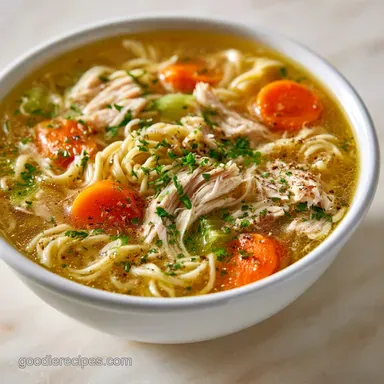
Instant Pot Chicken Noodle Soup: Silky and Hearty
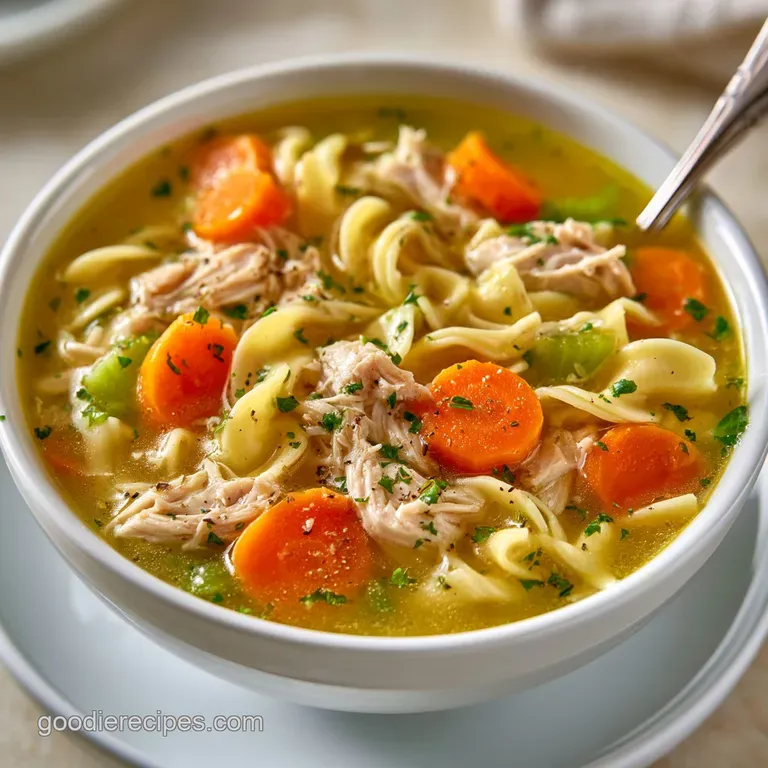
- Time:10 minutes active + 25 minutes cooking = Total 35 minutes
- Flavor/Texture Hook: Silky broth with tender, shredded chicken and al dente noodles
- Perfect for: Cold winter nights, family dinners, or a comforting meal for someone feeling under the weather
The sizzle of butter hitting the bottom of a hot pot is, for me, the official sound of comfort. Growing up, chicken soup was the only "medicine" that actually mattered in our house.
My grandmother didn't have a fancy pressure cooker, but she had a heavy iron pot that simmered for hours, filling the entire hallway with a scent that felt like a warm hug. It was a ritual of patience, chopping carrots and celery into perfect little coins while the house warmed up.
But as an adult with a job and a chaotic schedule, I don't always have six hours to let a pot bubble. I wanted that same deep, family style flavor without spending my entire Sunday in the kitchen.
That's where the magic of the pressure cooker comes in, but I found that just dumping everything in often left the noodles mushy and the vegetables tasting boiled rather than sautéed.
By using an instant pot chicken noodle soup stovetop approach, we get the best of both worlds. We start with the sauté function to build those savory brown bits and finish by simmering the noodles on the "stovetop" setting of the pot. It's the only way to get that hearty, classic feel in under an hour.
Trust me, once you try this hybrid method, you'll never go back to the "dump and go" style.
Why Most Recipes Get This Wrong
Most quick fix recipes tell you to throw the noodles in with the raw chicken and pressure cook everything together. I tried that once, and it was a disaster. The noodles essentially dissolved into a thick, starchy paste that turned the broth cloudy and gave the soup a weird, gloopy texture.
It didn't feel like a classic soup, it felt like a porridge.
Another common mistake is using chicken breasts. While they're leaner, they often turn out dry and stringy after pressure cooking. I've learned that thighs are the secret. They have just enough fat to stay velvety and juicy, even under high pressure, which means every bite of chicken actually tastes like chicken.
Finally,, people often forget the acidic finish. A pot of soup can taste "flat" or overly salty if you don't balance it. A squeeze of fresh lemon juice at the very end acts like a volume knob for flavor, brightening the whole pot and cutting through the richness of the butter and chicken fat.
The Sauté Secret
Browned Bits: Sautéing the vegetables first creates a concentrated flavor base that you just can't get by boiling.
Pressure Efficiency
Collagen Break: High pressure breaks down the connective tissue in chicken thighs quickly, creating a rich, silky mouthfeel.
Starch Control
Separate Cooking: Adding noodles at the end prevents them from absorbing all the broth and turning into mush.
Flavor Balance
Acid Integration: Fresh lemon juice neutralizes excess saltiness and wakes up the dried herbs.
| Method | Time | Texture | Best For |
|---|---|---|---|
| Traditional Stovetop | 3-4 hours | Very deep flavor | Slow Sundays |
| Full Pressure Cook | 30 minutes | Mushy noodles | Maximum speed |
| Hybrid IP Stovetop | 35 minutes | Al dente noodles | Weeknight comfort |
Component Analysis
Understanding why we use specific ingredients helps you make better choices if you're missing something in your pantry. It's not just about following a list, it's about knowing what each part does for the final bowl.
| Ingredient | Science Role | Pro Secret |
|---|---|---|
| Chicken Thighs | Fat & Flavor | Use bone in for even more richness if you have extra time |
| Yellow Onion | Aromatic Base | Sauté until edges are translucent, not brown, for a cleaner taste |
| Lemon Juice | Brightness | Always add at the very end; heat kills the fresh citrus notes |
| Wide Egg Noodles | Structure | Use a wide cut to stand up to the heavy chunks of veg |
Shopping List Breakdown
When you're heading to the store, don't just grab the first thing you see. The quality of your broth and the cut of your chicken will make or break this instant pot chicken noodle soup stovetop experience.
I always suggest low sodium broth because you can always add more salt, but you can't take it out once the soup is finished.
The Fresh Stuff:
- 1 medium yellow onion, dicedWhy this? Provides a sweet, savory foundation
- 3 medium carrots, sliced into roundsWhy this? Adds natural sweetness and color
- 3 stalks celery, slicedWhy this? Essential "holy trinity" aromatic
- 3 cloves garlic, mincedWhy this? Deep, pungent warmth
- 1.5 lbs boneless, skinless chicken thighs, trimmedWhy this? Stays juicy under pressure
- 1/4 cup fresh parsley, choppedWhy this? Fresh, grassy finish
- 1 tbsp fresh lemon juiceWhy this? Cuts through the richness
The Pantry Staples:
- 1 tbsp unsalted butterWhy this? For sautéing and a silky finish
- 8 cups low sodium chicken brothWhy this? Controlled salt levels
- 1 tsp dried thymeWhy this? Earthy, classic soup aroma
- 1 tsp saltWhy this? Basic seasoning
- 1/2 tsp black pepperWhy this? Subtle heat
- 2 bay leavesWhy this? Adds a floral, herbal depth
- 3 cups wide egg noodlesWhy this? Classic texture and bite
Ingredient Swaps:
| Original Ingredient | Substitute | Why It Works |
|---|---|---|
| Wide Egg Noodles | Rotini or Penne | Holds shape well. Note: Changes the "classic" look |
| Chicken Thighs | Chicken Breast | Leaner option. Note: Cook for 8 mins instead of 10 to avoid dryness |
| Chicken Broth | Vegetable Broth | Vegan base. Note: Use with chickpeas or tofu instead of chicken |
| Fresh Parsley | Dried Parsley | Pantry alternative. Note: Add during pressure cook; lacks fresh punch |
Right then, let's talk about the gear. You don't need a professional kitchen, just a few basics. I use a 6 quart Instant Pot, but any pressure cooker with a sauté function will work. If you're planning to serve this with a side, my homemade buttery crescent rolls are the absolute best pairing for soaking up the leftover broth.
Equipment Needed
- Instant Pot (6 quart recommended): The star of the show.
- Sharp Chef's Knife: For consistent veg cuts so they cook evenly.
- Wooden Spoon or Silicone Spatula: For scraping the bottom of the pot.
- Two Forks: For shredding the chicken once it's cooked.
- Measuring Cups and Spoons: Precision prevents overly salty soup.
From Prep to Plate
Let's crack on with the actual cooking. The flow here is critical: we sauté to build flavor, pressure cook to tenderize the protein, and then finish on the "stovetop" (sauté mode) to ensure the noodles are just right.
Sautéing the Base
- Set the Instant Pot to 'Sauté' mode. Melt the butter over medium heat, then add the onion, carrots, and celery, stirring occasionally for about 5 minutes until they are translucent and fragrant. Note: Don't let the butter burn; keep the veg moving.
- Stir in the minced garlic and cook for an additional 30 seconds until you smell that punchy garlic aroma.
Pressure Cooking the Broth
- Add the chicken thighs, dried thyme, salt, pepper, and bay leaves to the pot.
- Pour in the chicken broth, scraping the bottom of the pot with your spoon to deglaze any browned bits. This "fond" adds a ton of flavor to the soup. Lock the lid, set the valve to 'Sealing,' and select 'Manual/Pressure Cook' on High for 10 minutes.
- Perform a quick release of the pressure once the timer ends.
Finishing the Soup
- Remove the chicken thighs to a plate and shred them using two forks until the meat is in bite sized, irregular shreds.
- Turn the Instant Pot back to 'Sauté' mode and bring the liquid to a gentle boil. Add the wide egg noodles and cook for 6-8 minutes until they are tender but still have a slight bite.
- Stir the shredded chicken back into the pot and remove the bay leaves.
- Turn off the heat and stir in the fresh lemon juice and chopped parsley.
Chef's Tip: For an even deeper flavor, freeze your butter for 10 minutes before adding it to the pot. This creates a slightly different temperature gradient that helps the vegetables sweat more evenly.
Also, if you have a rotisserie chicken on hand, skip the pressure cooking step for the meat and just simmer the broth and veg for 5 minutes before adding the pre cooked shredded chicken.
Avoiding Kitchen Disasters
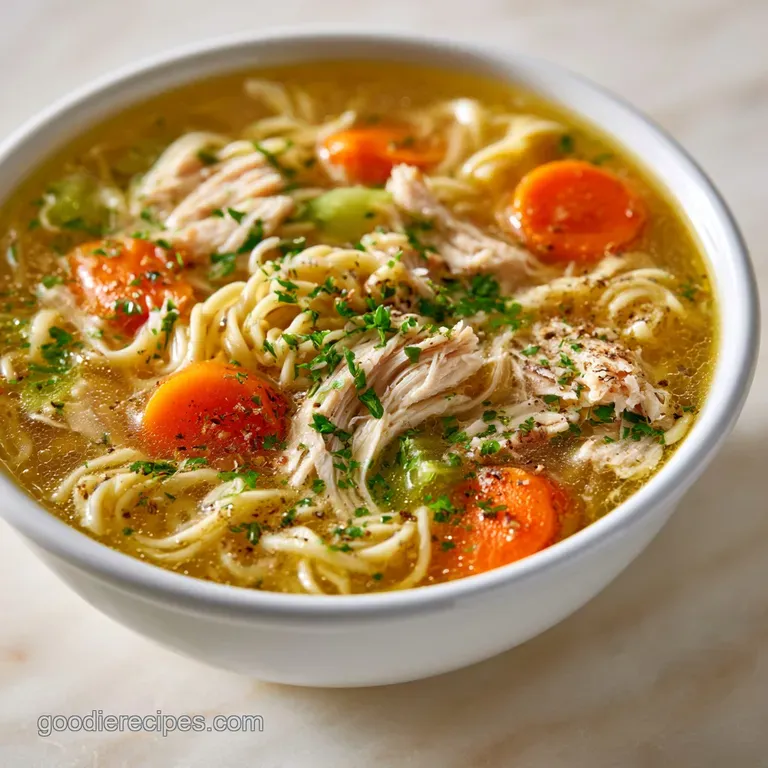
Even with a simple recipe like an instant pot chicken noodle soup stovetop, things can go sideways. The most common issue is the dreaded "Burn" notice, which happens when food sticks to the bottom and scorches.
Troubleshooting Common Issues
| Issue | Solution |
|---|---|
| Why Your Soup Triggers the Burn Notice | This usually happens if you didn't scrape the bottom of the pot well enough after sautéing. Those little brown bits are great for flavor, but if they're too thick, the sensor thinks the pot is overhea |
| Why Your Noodles Are Mushy | If you leave the noodles in the pot on "Keep Warm" for too long, they'll keep cooking. They absorb the broth like sponges, turning from noodles into something resembling oatmeal. |
| Why Your Broth Is Bland | Often, this is due to a lack of salt or acidity. If the soup tastes "empty," it's usually missing a pinch of salt or that final hit of lemon juice. |
Common Mistakes Checklist:
- ✓ Did you deglaze the pot bottom? (Prevents "Burn" error)
- ✓ Did you use chicken thighs? (Prevents dry meat)
- ✓ Did you add lemon juice at the end? (Prevents flat flavor)
- ✓ Did you cook noodles on Sauté mode? (Prevents mushy texture)
- ✓ Did you remove the bay leaves? (Prevents a choking hazard)
Adjusting the Batch Size
Sometimes you're cooking for a crowd, and sometimes it's just you and a book. Adjusting this recipe isn't as simple as doubling everything, as pressure cookers behave differently with volume.
Scaling Down (Half Batch): If you're making a smaller portion, use a smaller pot if possible. Reduce the cooking time for the chicken by about 2 minutes (8 minutes total). When sautéing, be careful as the smaller amount of butter can burn faster.
I recommend beating one egg then using half if you're making homemade noodles, but for store-bought, just halve the weight.
Scaling Up (Double Batch): When doubling the recipe, don't double the salt and spices. Start with 1.5x the salt and thyme, then taste at the end. Liquids should be reduced by about 10% because larger batches trap more steam and don't evaporate as quickly.
Most importantly, work in batches when sautéing the vegetables. If you crowd the pot, the veg will steam instead of brown, and you'll lose that essential flavor.
Decision Shortcut:
- If you want a thicker soup, use slightly more noodles or simmer on sauté for 2 extra minutes.
- If you want a clearer broth, skim the foam off the top after the pressure release.
- If you want more "heartiness," add diced parsnips or turnips along with the carrots.
Clearing Up Soup Misconceptions
There are a few things people always tell me about chicken soup that just aren't true. Let's set the record straight.
The "Sealing Juices" Myth: You'll often hear that searing the chicken "seals in the juices." This is simply not true. Searing adds flavor through browning, but it doesn't create a waterproof barrier.
The juiciness in this instant pot chicken noodle soup stovetop recipe comes from using thighs and controlled cooking times.
The "Bone In Only" Myth: Some believe you can only get a real broth if you use a whole chicken. While bones add gelatin, using a high-quality low sodium broth combined with the sautéed aromatics gives you a very similar result in a fraction of the time.
The "More is Better" Noodle Myth: Adding more noodles doesn't make the soup more filling; it just makes the broth disappear. The 3 cup ratio is the sweet spot for a balance of liquid and solids.
Storage Guidelines
Since this soup has noodles, you have to be careful with how you store it. Noodles are like little sponges; if you store them in the broth, they will continue to absorb liquid until your soup becomes a thick stew.
Refrigeration: Store the soup in airtight containers in the fridge for up to 4 days. If you plan to eat it over several days, I highly recommend storing the cooked noodles in a separate container from the broth and chicken.
When you're ready to eat, just add the noodles to the hot soup and heat through.
Freezing for Later: This soup can be frozen for up to 3 months. However, do NOT freeze the noodles. They will become mealy and disintegrate upon thawing. Freeze the chicken and vegetable broth base in freezer safe bags or containers. When reheating, bring the broth to a boil and add fresh noodles.
Zero Waste Tips: Don't throw away those vegetable scraps! Keep your onion peels, carrot ends, and celery tops in a freezer bag. Once the bag is full, simmer them with water and a bay leaf for 2 hours to make your own "free" vegetable stock. Also, any leftover shredded chicken that didn't make it into the soup is great for tacos or salads. For another snack idea using pantry staples, try these roasted chickpeas as a crunchy side.
Serving Suggestions
A bowl of instant pot chicken noodle soup stovetop is a meal in itself, but a few additions can make it feel like a feast. I love serving this with a thick slice of sourdough toast rubbed with a raw garlic clove. The crunch of the toast against the velvety broth is a match made in heaven.
For a fresh contrast, try a simple side salad with a lemon vinaigrette. The acidity of the salad cleanses the palate between spoonfuls of the rich, buttery soup. If you're feeding kids, try serving the soup in wide mugs; it makes it easier for them to handle and keeps the soup hotter for longer.
Finally, don't be afraid to garnish. While I include parsley in the recipe, a sprinkle of cracked black pepper or a few drops of hot sauce can add a personalized kick. The beauty of this dish is its simplicity, which makes it the perfect canvas for your own family's favorite additions.
Recipe FAQs
Why did my Instant Pot give me a burn notice?
Scrape the bottom of the pot thoroughly after sautéing. Stuck brown bits can trigger the sensor, so deglaze the pot with chicken broth before locking the lid.
How to prevent the noodles from becoming mushy?
Cook noodles for 6-8 minutes on Sauté mode and serve immediately. Avoid leaving them on the "Keep Warm" setting, as they will continue to absorb broth and lose texture.
Can I store the soup with the noodles inside?
No, store the noodles in a separate container. Noodles act like sponges and will absorb all the broth, turning your soup into a thick stew if kept together in the fridge.
Can I use chicken breasts instead of thighs?
Yes, but they may be drier. Chicken thighs are recommended for their tenderness, but breasts work if you are careful not to overcook them.
How to shred the chicken efficiently?
Remove the thighs to a plate and use two forks. Pull the meat apart along the grain before stirring it back into the boiling broth.
Is it true that I should add the noodles during the pressure cooking cycle?
No, this is a common misconception. Adding noodles during the high pressure phase results in mush; always cook them on Sauté mode after the chicken is done.
What is the best side dish to serve with this soup?
Freshly baked bread or tortillas complement the broth. If you enjoy making your own sides, try these homemade flour tortillas for a soft, warm accompaniment.
Instant Pot Chicken Noodle Soup