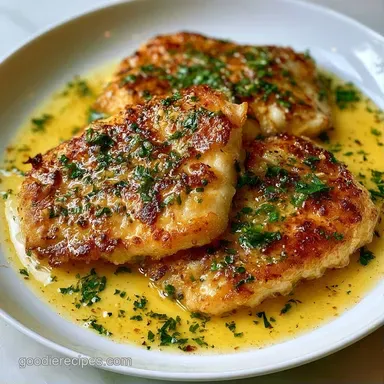
Lemon Butter Grilled Sea Bass in 20 Minutes
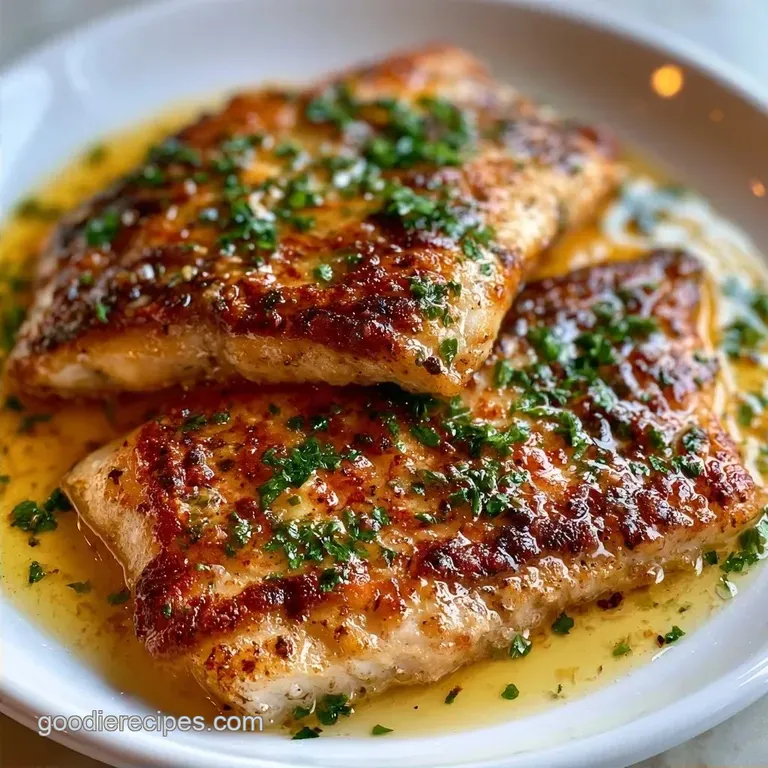
- Time: 10 min active + 10 min cooking
- Flavor/Texture Hook: Crispy, salty skin with a zesty, glossy sauce
- Perfect for: Fast weeknight dinners or a simple date night
- Lemon Butter Grilled Sea Bass Guide
- Getting the Technique Right
- What Each Ingredient Does
- Essential Ingredients and Swaps
- Tools for the Job
- Step by Step Process
- Fixing Common Cooking Issues
- Troubleshooting Common Issues
- Flavor Variations and Ideas
- Scaling the Portions
- Fish Myths and Facts
- Storage and Scrap Usage
- Plating and Serving Ideas
- Recipe FAQs
- 📝 Recipe Card
Lemon Butter Grilled Sea Bass Guide
The sizzle of skin hitting a screaming hot grill is the sound of a Mediterranean summer. In coastal towns across Italy and Greece, grilling fresh fish is less of a recipe and more of a daily rhythm. They don't use complex marinades or heavy creams.
They rely on the natural oils of the fish, a squeeze of citrus, and a bit of heat.
I used to overthink this, trying to treat the fish like a steak. I'd leave it on too long or use too many spices that drowned out the ocean flavor. But the real win is in the simplicity. You just need a hot grate and a fast hand with the butter.
You can expect a dish that feels high end but takes almost no effort. This Lemon Butter Grilled Sea Bass is lean, clean, and hits that specific balance of salty capers and rich butter. It's the kind of meal that makes your kitchen smell like a seaside bistro in ten minutes.
Getting the Technique Right
High Heat: A 450°F grill prevents the fish from sticking and creates a crisp barrier on the skin.
Skin Contact: Pressing the fillet down for a few seconds stops the skin from curling, which ensures an even brown.
Resting Time: Letting the fish sit for a couple of minutes allows the juices to redistribute so the meat stays moist.
| Method | Time | Texture | Best For |
|---|---|---|---|
| Grill | 10 mins | Crispy skin, smoky char | High heat fans |
| Oven | 15 mins | Softer skin, uniform cook | Low stress batches |
| Stovetop | 12 mins | Hard sear, buttery finish | Small kitchens |
What Each Ingredient Does
| Ingredient | What It Does | Best Swap |
|---|---|---|
| Sea Bass | Provides a mild, flaky base | Halibut or Cod |
| Unsalted Butter | Adds richness and carries garlic flavor | Ghee or vegan butter |
| Lemon Juice | Cuts through the fat with acidity | White wine or lime |
| Capers | Adds punchy, salty pops of flavor | Chopped green olives |
Essential Ingredients and Swaps
- 4 (6 oz / 170g) European sea bass fillets, skin on Why this? Firm texture that holds up to high heat.
- 2 tbsp (30ml) extra virgin olive oil (Substitute: Avocado oil for higher smoke point)
- 1 tsp (6g) kosher salt (Substitute: Sea salt)
- ½ tsp (1g) freshly cracked black pepper (Substitute: White pepper)
- ½ tsp (1g) garlic powder (Substitute: Onion powder)
- 4 tbsp (57g) unsalted butter (Substitute: Margarine)
- 2 tbsp (30ml) fresh lemon juice (Substitute: Bottled lemon juice)
- 3 cloves (9g) garlic, minced (Substitute: 1 tsp garlic paste)
- 1 tbsp (4g) fresh Italian parsley, finely chopped (Substitute: Fresh cilantro)
- 1 tbsp (15g) capers, drained (Substitute: Caper berries)
- 1 pinch (0.5g) red pepper flakes (Substitute: Cayenne pepper)
Tools for the Job
You don't need a professional kitchen for this. A standard outdoor grill or a sturdy grill pan works. I recommend a fish spatula because the thin, flexible blade slides under the skin without tearing the fillet. A small saucepan is necessary for the sauce so the butter doesn't evaporate too quickly.
Chef's Note: If your grill grates are old, rub a folded paper towel dipped in oil over them right before the fish hits the heat. This creates a non stick layer that saves your fillets from shredding.
Step by step Process
Phase 1: The over High heat Prep
- Pat the sea bass fillets completely dry with paper towels. Note: Moisture on the skin causes steaming instead of searing.
- Rub the fillets with olive oil and season evenly with salt, pepper, and garlic powder.
- Preheat the grill to high heat (approximately 450°F / 230°C) and oil the grates heavily.
Phase 2: The Precise Sear
- Place the fillets skin side down on the hot grate.
- Press down lightly for 10 seconds to ensure full skin contact.
- Sear undisturbed for 4–5 minutes until the skin releases naturally and is golden brown.
- Flip the fillets carefully and cook for another 3–4 minutes.
- Remove the fish from the heat when the internal temperature reaches 135°F (57°C). Note: According to Serious Eats, carryover cooking will bring the temp up slightly while resting.
Phase 3: The Silky Butter Finish
- Melt butter in a small saucepan over medium low heat.
- Once foaming, stir in minced garlic and red pepper flakes; sauté for 1 minute until fragrant.
- Whisk in the lemon juice and capers, simmering for 30 seconds.
- Remove from heat and stir in the chopped parsley.
Fixing Common Cooking Issues
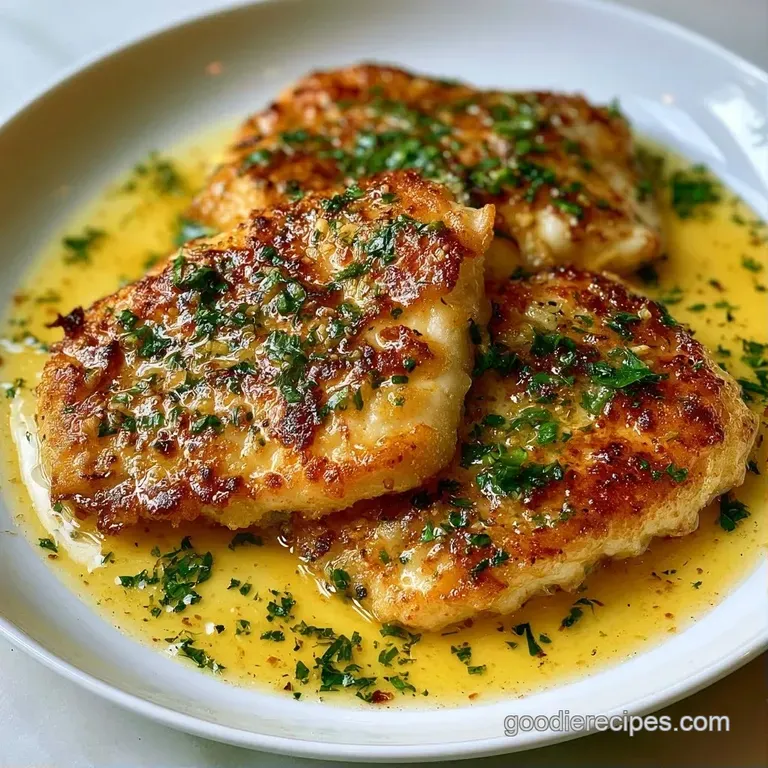
When you're working with fish, things happen fast. The most common issue is the fish sticking to the grill. This usually happens if the grill isn't hot enough or if the skin was damp. If the fish doesn't flip easily, leave it for another 30 seconds. The skin will naturally release once the sear is complete.
Another problem is the sauce separating. This happens if the heat is too high, causing the butter to break. Keep the sauce on medium low. If it does separate, a tiny splash of water and a quick whisk usually brings it back together.
Troubleshooting Common Issues
| Issue | Solution |
|---|---|
| Why Your Fish Sticks | If the fillet clings to the grate, the proteins haven't coagulated enough to release. Don't force it or you'll lose the skin. |
| Why Your Sauce Splits | Excessive heat breaks the emulsion of the lemon juice and butter. Keep the flame low and move quickly. |
| Why the Fish is Dry | Overcooking is the main culprit. Pull the fish at 135°F and let it rest. |
Flavor Variations and Ideas
If you want to change the profile, you can easily swap the aromatics. For a more Mediterranean feel, add a few halved cherry tomatoes to the butter sauce. They burst and create a light, jammy texture. This pairs well with a lemon butter linguine on the side.
For those who like it spicy, double the red pepper flakes or add a pinch of smoked paprika to the dry rub. This gives the sea bass a deeper, woodsy flavor. If you're looking for a different fish entirely, a golden seared cod uses a similar butter technique and is often a more budget friendly choice for weeknight meals.
Decision Shortcut:
- If you want more zing: Increase lemon juice to 3 tbsp.
- If you want more depth: Use browned butter (beurre noisette) for the sauce.
- If you want it lighter: Replace butter with 3 tbsp of high-quality olive oil.
Scaling the Portions
Cutting it in half: If you're cooking for two, just halve the ingredients. Use a smaller saucepan for the sauce so the butter doesn't burn. Your cook time remains the same, but your prep is even faster.
Feeding a crowd: When doubling or tripling the recipe, don't crowd the grill. Work in batches if needed. If you put too many fillets on at once, the grill temperature drops, and you'll lose that crisp skin.
For the sauce, only increase the salt and red pepper flakes by 1.5x to avoid overpowering the fish.
Fish Myths and Facts
A common myth is that you need to "seal" the fish to keep juices in. This isn't true. Searing is about flavor and texture, not locking in moisture. The moisture is preserved by not overcooking the protein.
Another misconception is that all sea bass is the same. European sea bass (Branzino) is leaner and has a more delicate flavor than Chilean sea bass, which is much oilier and richer. This recipe is designed for the leaner European variety.
Storage and Scrap Usage
Storage Guidelines: Store leftovers in an airtight container in the fridge for up to 2 days. To reheat, avoid the microwave as it makes the fish rubbery. Instead, place it in a pan over medium heat for 2-3 minutes with a tiny bit of butter to refresh the moisture.
Zero Waste Tips: Don't toss the lemon halves. Squeeze every last drop into your sauce, then toss the rinds into your compost. If you bought whole fish and have bones left over, simmer them with an onion and a carrot for a quick fish stock.
This stock is a great base for a risotto or a light poaching liquid for other seafood.
Plating and Serving Ideas
For a gourmet look, swipe a spoonful of pea puree or mashed cauliflower across a white plate. Place the fillet diagonally over the puree, skin side up to show off the gold color. Spoon the lemon butter sauce around the base of the fish rather than over the top, so you don't soften the crisp skin.
Garnish with a fresh lemon wedge and a sprig of parsley. This dish is light, so it needs a hearty partner. Roasted asparagus or a crisp arugula salad with a balsamic glaze balances the richness of the butter. If you're feeling indulgent, a side of wild rice or quinoa absorbs the extra sauce beautifully.
Recipe FAQs
What are some easy and delicious ways to grill sea bass?
Grill skin-on fillets over high heat. Use olive oil and a seasoned rub for a savory crust, then finish with a lemon butter sauce for brightness.
How to cook European sea bass?
Sear skin side down at 450°F (230°C). Press lightly for 10 seconds, cook undisturbed for 4 5 minutes, then flip and cook for 3 4 minutes until the internal temperature hits 135°F (57°C).
What is the best way to cook sea bass fillets?
Grilling them skin side down is ideal. This ensures a golden brown, crispy texture that contrasts perfectly with the tender flesh.
What is the best way to cook sea bass?
Use a high heat grill and an internal thermometer. Pulling the fish exactly at 135°F (57°C) prevents the meat from becoming dry or rubbery.
Can I grill sea bass on a cedar plank?
No, stick to direct grill grates for this recipe. High heat searing is necessary to ensure the skin releases naturally and achieves a crisp finish.
What is your best fish recipe that can be grilled?
This Lemon Butter Grilled Sea Bass is the top choice. If you loved the acid forward balance of the lemon juice here, see how we use similar brightness in our sweet and sour sauce.
Why is my grilled sea bass dry?
Overcooking is the main culprit. Always remove the fillets from the heat when they reach an internal temperature of 135°F (57°C) and let them rest.
Lemon Butter Grilled Sea Bass