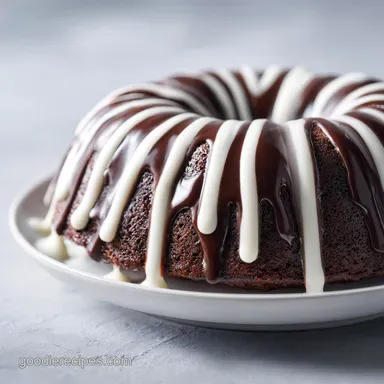
Simple Powdered Sugar Glaze Icing: Silky and Glossy

- Time: 5 min active + 0 min chilling = Total 5 minutes
- Flavor/Texture Hook: Silky, glossy, and slightly tangy
- Perfect for: Beginner bakers, quick cookies, and morning pastries
Simple Powdered Sugar Glaze Icing
The sound of a metal whisk clicking against a glass bowl is the soundtrack to my Saturday mornings. I remember the first time I tried to glaze a batch of lemon squares for a family reunion, and I just dumped in the milk.
I ended up with a watery soup that soaked straight into the cake, leaving me with soggy tops and a very stressed out expression.
That mistake taught me that the secret isn't the ingredients, but the pace. You have to treat the liquid like a precious resource, adding it drop by drop. Once I figured out the "ribbon stage," where the glaze falls in a slow, thick fold, everything changed.
Now, this simple powdered sugar glaze icing is my go to for everything from pound cakes to quick donuts. It's not about being fancy, it's about getting that classic, bakery style look that makes a simple treat feel like a real occasion.
Why This Glaze Works
- Suspension Stability: Powdered sugar contains a tiny amount of cornstarch, which helps keep the sugar particles suspended in the milk, preventing the glaze from separating.
- Viscosity Control: The high concentration of sucrose creates a dense network that traps the liquid, allowing you to control the thickness just by adding a few more drops of milk.
- Surface Tension: Because the glaze is thick, it clings to the sides of a cake rather than running off, which creates that iconic "drip" effect.
- Rapid Evaporation: Once applied, the thin layer of liquid evaporates quickly, leaving behind a concentrated sugar shell that can eventually shatter when you bite into it.
| Method | Time | Texture | Best For |
|---|---|---|---|
| Fast (This Recipe) | 5 mins | Velvety/Glossy | Cookies, Donuts |
| Classic (Cooked) | 15 mins | Hard/Brittle | Gingerbread, Pretzels |
| Buttercream | 10 mins | Fluffy/Creamy | Layer Cakes |
Component Analysis
The science of a glaze is really just a balance of solids and liquids. According to Serious Eats, the addition of cornstarch in commercial powdered sugar is what prevents the icing from becoming grainy.
| Ingredient | Science Role | Pro Secret |
|---|---|---|
| Powdered Sugar | Structural Base | Sift always to avoid tiny white lumps |
| Milk | Solvent | Use room temperature to avoid clumping |
| Vanilla Extract | Aromatic | Pure extract adds a deeper, floral note |
| Fine Salt | Flavor Balancer | Cuts the cloying sweetness of the sugar |
Shopping List and Swaps
For this recipe, don't bother with low-fat milk. The tiny bit of extra fat in whole milk makes the finish more velvety. Stick to pure vanilla rather than imitation if you want that classic family recipe taste.
- 1 cup (120g) powdered sugar, sifted Why this? Provides the bulk and structure. (Substitute: Icing sugar)
- 1 tbsp milk Why this? Thins the sugar into a pourable state. (Substitute: Heavy cream for a richer taste)
- 1/2 tsp pure vanilla extract Why this? Adds a warm, nostalgic aroma. (Substitute: Almond extract for a nutty profile)
- 1 pinch fine salt Why this? Prevents the glaze from tasting one dimensional. (Substitute: A tiny pinch of cream of tartar)
Chef's Tip: Freeze your milk for 10 minutes before adding it if you want a slightly thicker, slower setting glaze that holds its shape better on warm cakes.
Bringing the Glaze Together

The goal here is a smooth, glossy finish. If you rush the liquid, you'll end up with a puddle. Trust the process and move slowly.
- Sift the powdered sugar into a small mixing bowl. Note: This is the only way to ensure there are no clumps.
- Add the pure vanilla extract to the sugar.
- Pour in the first tablespoon of milk.
- Using a whisk, stir gently from the center outward until a thick, grainy paste forms.
- Add additional milk, one teaspoon at a time.
- Whisk slowly until the mixture becomes glossy and smooth.
- Lift the whisk and watch the flow; it should be at a slow ribbon stage, falling in a steady, thick stream.
- Pour the glaze over your cooled treats immediately.
- Let it set for 15 minutes until it looks matte and feels tacky.
Handling Common Glaze Issues
The most frustrating thing is when your simple powdered sugar glaze icing either disappears into the cake or stays like a lump of paste. Most of these issues come down to temperature and timing.
Fixing Runny Glaze
If you accidentally added too much milk, don't panic. You can fix this by whisking in more powdered sugar, one tablespoon at a time. Be careful not to over whisk, or you'll incorporate too many air bubbles, which ruins the glossy look.
Eliminating Lumps
Lumps usually happen because the sugar wasn't sifted or the milk was added too quickly. If you see small white beads, you can use a fine mesh strainer to pour the finished glaze through before applying it to your dessert.
Preventing Sugar Crystals
If your glaze looks grainy, it might be because the sugar has crystallized. This rarely happens with a 5 minute recipe, but adding a tiny pinch of salt or a drop of lemon juice helps break down those crystals for a silkier feel.
| Problem | Root Cause | Solution |
|---|---|---|
| Glaze is too thin | Too much milk | Add 1 tbsp powdered sugar |
| Glaze is lumpy | Skipped sifting | Strain through a mesh sieve |
| Glaze is translucent | Not enough sugar | Whisk in more powdered sugar |
Common Mistakes Checklist
- ✓ Sifted the sugar (don't just stir it)
- ✓ Used room temperature milk
- ✓ Added liquid in teaspoon increments
- ✓ Waited for cakes to cool completely before glazing
- ✓ Avoided over mixing to prevent air bubbles
Dietary Adaptations
If you're making this for someone with allergies, you can easily swap the dairy. For a vegan version, coconut milk is a brilliant substitute. It has a similar fat content, but it does add a subtle tropical note. If you're looking for a different vibe, you can try my sugar free Pepper Jelly for savory snacks, but for this glaze, you need the sugar for the structure.
Going dairy-free
Use unsweetened almond milk or soy milk. Note that almond milk is thinner than cow's milk, so you might need slightly less of it to reach the ribbon stage.
Reducing the Sweetness
You can't remove the sugar, but you can balance it. Adding a teaspoon of fresh lemon juice or a pinch of espresso powder can distract the palate from the intense sweetness.
Preservation and Zero Waste
Because this glaze is primarily sugar, it keeps surprisingly well in the fridge. Store any leftovers in a small airtight jar for up to 3 days. If it thickens too much in the cold, just microwave it for 5-10 seconds and stir in a drop of milk to loosen it back up.
To avoid waste, don't throw away the small amount of glaze left in the bowl. Instead, use it as a dip for fresh strawberries or apple slices. You can even drizzle the remains over a bowl of Greek yogurt for a quick, sweet breakfast treat.
Serving Your Sweet Treats
This glaze is incredibly versatile. I love using it on Homemade Donuts for that classic fairground feel. If you're doing something a bit heartier, like a cinnamon roll, you might want something thicker, similar to a Cinnamon Roll Icing, but for a light finish, this glaze is king.
For a more festive look, try adding a drop of food coloring or a pinch of cinnamon to the mix. If you're glazing a lemon pound cake, adding a bit of lemon zest to the powdered sugar before adding the milk creates a bright, zesty contrast that cuts through the richness of the cake.
Just remember to apply the glaze while the cake is slightly warm if you want it to soak in a bit, or completely cold if you want that crisp, shatter like shell.
Recipe FAQs
How do you make powdered sugar icing from scratch?
Sift powdered sugar into a bowl, then stir in vanilla and milk. Whisk gently from the center outward and add remaining milk one teaspoon at a time until the glaze reaches a slow-ribbon stage.
What is the ratio of powdered sugar to liquid for glaze?
Use one cup of powdered sugar to one tablespoon of milk. This high sugar-to-liquid ratio ensures a glossy finish that clings to the sides of your baked goods.
Can you make icing from just powdered sugar and water?
Yes, though milk creates a creamier profile. Using water results in a more translucent, stark white glaze, while milk adds opacity and richness.
Do you put powdered sugar icing on cookies before or after baking?
Apply icing only after cookies have cooled completely. Applying glaze to hot surfaces causes the sugar to melt and soak into the dough, resulting in a soggy texture.
Why does my easy cookie icing look streaky or uneven?
Undissolved sugar clumps cause streaks. Sifting the powdered sugar before adding liquids is essential for a silky, professional finish.
Is it true that this simple glaze is the same as Royal Icing?
No, this is a common misconception. Royal icing contains egg whites or meringue powder to create a hard, matte shell, whereas this glaze remains soft and glossy.
Can I color this powdered sugar glaze using food coloring?
Yes, gel or liquid food colors work perfectly. This colorful finish is a great addition to our small batch cinnamon rolls recipe for a festive treat.
Simple Powdered Sugar Glaze Icing: 5 Min