Sweet and Sour Meatballs: Pan Seared
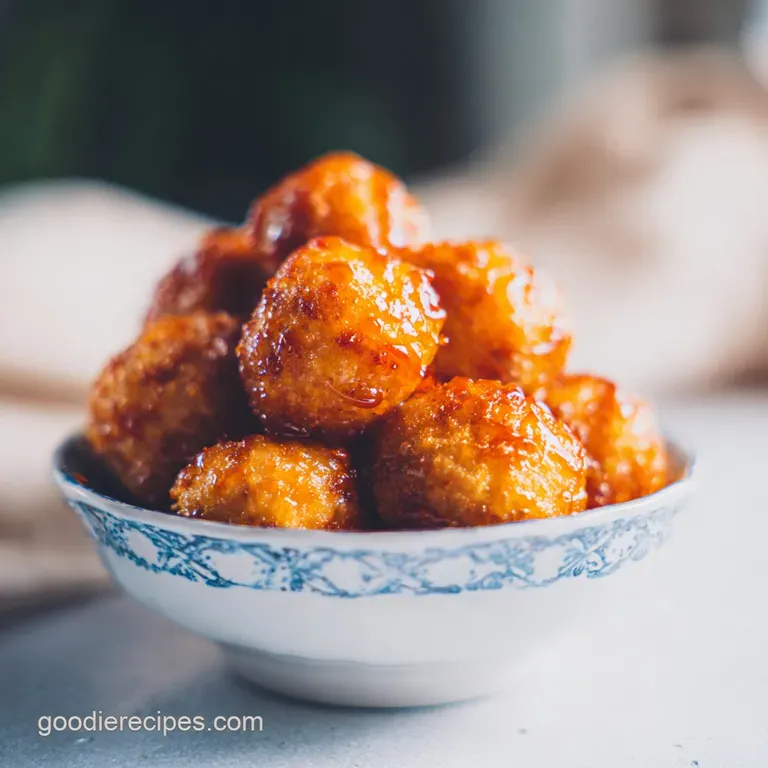
- Time: Active 15 minutes, Passive 15 minutes, Total 30 minutes
- Flavor/Texture Hook: Tangy, pan seared, and velvety
- Perfect for: Weeknight comfort or a crowd-pleasing appetizer
- Crafting Authentic Sweet and Sour Meatballs at Home
- The Physics of the Glossy Glaze
- Key Recipe Benchmarks and Comparisons
- Component Analysis and Ingredient Roles
- Essential Components for Bold Flavor
- Minimal Tools for Maximum Efficiency
- Step-by-Step Guide to Searing Success
- Fixing Sauce and Texture Issues
- Dietary and Pantry Swaps
- Storage and Waste Reduction Strategies
- Best Sides for Balanced Plates
- Myths About Stovetop Meatballs
- High in Sodium
- Recipe FAQs
- 📝 Recipe Card
Crafting Authentic Sweet and Sour Meatballs at Home
The moment that 80/20 beef hits the hot cast iron, you get that unmistakable, aggressive sizzle that promises a deep, savory crust. I remember the first time I tried making these; I was so worried about the sauce being too thin that I kept adding cornstarch until it turned into a bouncy jelly.
It was a disaster, but it taught me everything about the delicate dance between heat and hydration. Now, when I smell the sharp tang of rice vinegar hitting the sugar, I know exactly when that velvety glaze is about to happen.
You aren't just making a quick meal here; you're building layers. We start with a mix of beef and pork for that fatty, melt in-your mouth texture, then we move into a sauce that hits every corner of your palate. It’s the kind of dish that makes the kitchen smell like a professional wok station within minutes.
Trust me, once you see that sauce turn from a cloudy pink to a translucent, shimmering mahogany, you'll never go back to the bottled stuff.
We’re keeping things straightforward today. No fancy deep fryers or triple strained reductions. We want maximum flavor with minimal cleanup. Whether you're tossing these over a bowl of steaming jasmine rice or serving them with toothpicks at a party, the goal is a meatball that holds its shape and a sauce that glows.
Let's get into how we make that happen without the usual kitchen stress.
The Physics of the Glossy Glaze
Starch Gelatinization: Cornstarch molecules swell and burst when heated in liquid, creating a thick, translucent matrix that clings to the meat. This ensures the sauce doesn't just puddle at the bottom of the bowl but wraps around each bite like a silky ribbon.
Maillard Reaction Control: Searing the meatballs before adding liquid creates hundreds of new flavor compounds through amino acid browning. This provides a savory "umami" base that prevents the sweet sauce from becoming cloying or one dimensional.
Acetic Acid Volatilization: High heat briefly cooks the rice vinegar, mellowing its sharp "bite" while leaving behind a bright acidity. This chemical shift balances the heavy sugars in the pineapple juice and brown sugar.
| Thickness | Internal Temp | Rest Time | Visual Cue |
|---|---|---|---|
| 1.5 inch | 160°F | 3 mins | No pink juice when pressed |
| 1.0 inch | 160°F | 2 mins | Firm to the touch |
| 0.5 inch (mini) | 160°F | 1 min | Golden brown exterior |
Similar to the balance found in a classic Sweet and Sour recipe, the key here is the ratio of sugar to acid. If the sauce feels too heavy, a tiny splash of extra vinegar right at the end can brighten the whole profile.
Key Recipe Benchmarks and Comparisons
| Method | Time | Texture | Best For |
|---|---|---|---|
| Stovetop Skillet | 15 mins | Crispy, deeply browned crust | Maximum flavor and speed |
| Oven Baked | 20 mins | Uniformly round, softer exterior | Large batches/meal prep |
| Air Fryer | 12 mins | Very crunchy, less oil | Healthy crunch seekers |
While the stovetop is my favorite for that specific sear, the oven is a lifesaver when I’m doubling the recipe for a housewarming party. If you go the oven route, just be sure to broil them for the last two minutes to mimic that skillet born crust.
Component Analysis and Ingredient Roles
| Ingredient | Science Role | Pro Secret |
|---|---|---|
| Ground Pork | Fat content & tenderness | Use a 2:1 beef to pork ratio to prevent dry, rubbery meatballs. |
| Panko Breadcrumbs | Moisture retention | These jagged crumbs trap juices better than fine crumbs, keeping the interior airy. |
| Rice Vinegar | pH Balancer | Adds a clean acidity that cuts through the fat of the 80/20 beef mix. |
| Pineapple Juice | Enzyme & Sweetener | Provides natural sugars that caramelize quickly during the final glaze reduction. |
A quick tip for the meatballs: don't overwork the meat. If you squeeze it too hard while rolling, you'll end up with dense "meat bullets" instead of tender bites. Use a light touch, almost like you're handling a snowball.
Essential Components for Bold Flavor
- 1 lb ground beef (80/20 mix): The fat provides the flavor. Why this? Leaner beef yields a dry, crumbly texture that loses to the sauce.
- Substitute: Ground turkey (add 1 tbsp olive oil for fat).
- 0.5 lb ground pork: Adds softness and a different savory profile. Why this? Pork has a lower melting point for fat, adding juiciness.
- Substitute: Ground veal or extra beef.
- 0.5 cup panko breadcrumbs: The binder.
- Substitute: Crushed saltine crackers for a saltier kick.
- 1 large egg, beaten: Holds everything together.
- Substitute: 1/4 cup applesauce (adds moisture without egg).
- 1 tsp garlic powder & 0.5 tsp ground ginger: The aromatic base.
- 3 tbsp soy sauce, divided: Salt and umami for both meat and sauce.
- 0.75 cup pineapple juice: The primary liquid for the glaze.
- 0.5 cup rice vinegar: The "sour" component.
- 0.5 cup light brown sugar, packed: The "sweet" component.
- 0.33 cup ketchup: Provides body, color, and lycopene for depth.
- 1 tbsp cornstarch & 2 tbsp water: The thickening slurry.
- 1 cup pineapple chunks: For texture and hits of acid.
- Red & Green bell peppers (1 each): Freshness and crunch.
- 1 small white onion: For a sharp, savory contrast.
- 2 tbsp neutral oil: For over high heat searing.
Chef's Tip: Freeze your meatballs for 10 minutes before searing. This helps them hold their perfectly round shape when they hit the hot oil, preventing them from flattening into "meat discs."
Minimal Tools for Maximum Efficiency
You don't need a kitchen full of gadgets for this. A large, heavy bottomed skillet ideally cast iron or stainless steel is the star here. It holds heat well, which is vital for getting that dark sear without overcooking the center.
You'll also want a medium bowl for mixing the meat and a small jar or bowl to whisk the cornstarch slurry.
Avoid using a non stick pan if you can. Non stick often prevents the "fond" (those little brown bits) from forming on the bottom of the pan. Those bits are pure gold; they dissolve into the sauce and give it a depth that a clean pan just can't match.
A simple whisk and a sturdy spatula are the only other things you'll need to keep the vegetables moving.
step-by-step Guide to Searing Success
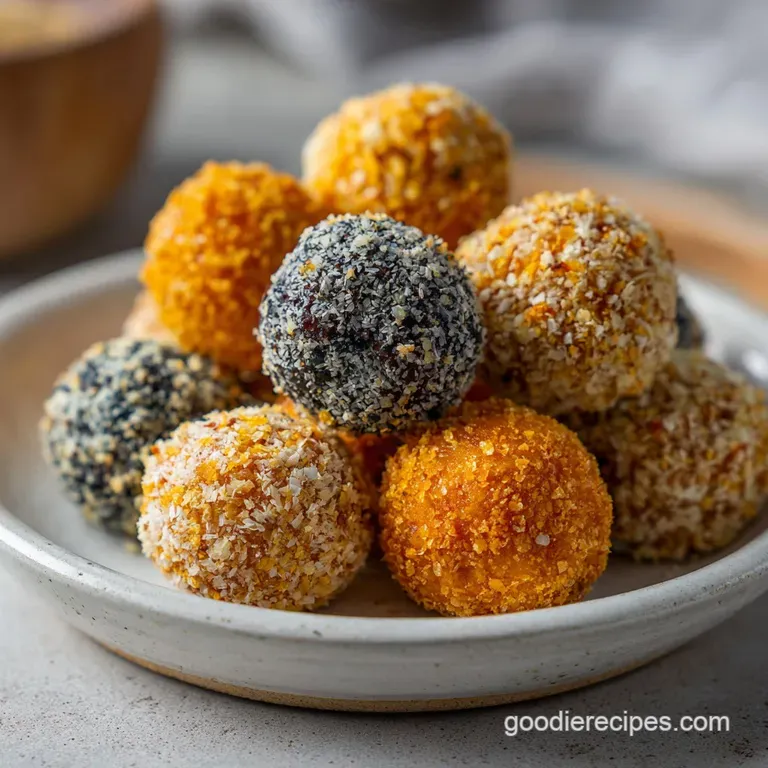
- Mix the proteins. Combine 1 lb ground beef, 0.5 lb ground pork, panko, egg, garlic powder, ginger, and 1 tbsp soy sauce in a large bowl. Note: Use your hands but don't over mix.
- Form the balls. Scoop and roll the mixture into 1.5 inch balls. until you have about 20-24 uniform spheres.
- Sear the meat. Heat 2 tbsp oil in the skillet over medium high heat. Add meatballs and cook for 6 minutes until a dark, crusty sear forms on all sides.
- Remove and drain. Transfer meatballs to a plate. Note: They won't be fully cooked yet, and that’s okay.
- Sauté the aromatics. In the same pan, toss in the onion and bell peppers. Cook for 3 minutes until the edges are slightly charred but still crisp.
- Build the sauce base. Pour in the pineapple juice, rice vinegar, brown sugar, ketchup, and the remaining 2 tbsp soy sauce.
- Simmer and thicken. Bring the liquid to a boil. Whisk the cornstarch and water, then pour it in until the sauce turns translucent and thickens.
- Add the fruit. Stir in the pineapple chunks. Note: Heating the pineapple briefly intensifies its sweetness.
- Combine everything. Return the meatballs to the skillet. Coat them thoroughly in the glaze.
- Final cook. Simmer for 3-4 minutes until the internal temperature hits 160°F.
Chef's Tip: If you want a truly "shatter crisp" vegetable texture, remove the peppers and onions from the pan once they are charred, then add them back only in the last 30 seconds of cooking.
Fixing Sauce and Texture Issues
Why Your Meatballs Fall Apart
The most common culprit is too much moisture or not enough binder. If the mix feels "mushy" before rolling, it will likely disintegrate in the pan. Another reason is moving them too early. Let that crust form!
Why Your Sauce is Cloudy
If your sauce looks milky instead of clear and glossy, the cornstarch hasn't reached a high enough temperature. It needs to hit a full simmer to "bloom" and become transparent.
| Problem | Root Cause | Solution |
|---|---|---|
| Rubbery Meatballs | Over mixing the meat | Mix until just combined; don't knead like dough. |
| Sauce too thin | Too much juice or not enough starch | Simmer longer or add another tsp of cornstarch slurry. |
| Burnt sauce | Sugar content is high; heat is too high | Lower heat once the sauce thickens and add a splash of water. |
Common Mistakes Checklist
- ✓ Pat the peppers and onions dry before sautéing to ensure a sear rather than a steam.
- ✓ Use a neutral oil with a high smoke point (like canola or grapeseed) rather than butter.
- ✓ Don't overcrowd the pan; sear the meatballs in two batches if necessary.
- ✓ Always whisk the cornstarch slurry right before adding it, as it settles quickly.
- ✓ Let the meat rest for 3 minutes after cooking to keep the juices inside the meatball.
Dietary and Pantry Swaps
If you’re looking to lighten things up or deal with a specific allergy, these swaps are tried and tested. Just keep in mind that changing the fat source (like using turkey) will change how the meatballs brown.
| Original Ingredient | Substitute | Why It Works |
|---|---|---|
| Soy Sauce (3 tbsp) | Tamari (3 tbsp) | gluten-free alternative with a very similar umami profile. |
| Brown Sugar (0.5 cup) | Honey (0.33 cup) | Natural sweetener. Note: Will result in a stickier, more floral sauce. |
| Rice Vinegar (0.5 cup) | Apple Cider Vinegar | Similar acidity. Note: Adds a slight fruity/apple undertone. |
When scaling this recipe up for a big group, I usually only increase the salt and spices to 1.5x the original amount for a double batch. Liquid volumes can be doubled exactly, but spices tend to become overwhelming if you just 2x everything.
Storage and Waste Reduction Strategies
Storage: These keep beautifully in the fridge for up to 4 days. In fact, the meatballs soak up even more of that tangy glaze as they sit. For the freezer, I recommend freezing the cooked meatballs and the sauce separately if possible, though they can be frozen together for up to 3 months.
To reheat, skip the microwave it makes the meat rubbery. Instead, toss them back into a skillet with a splash of water to loosen the sauce.
Zero Waste: Don't toss the leftover pineapple juice from the can! It's the gold of this recipe. If you have extra, use it to deglaze a pan for pork chops later in the week. The pepper scraps and onion skins can go straight into a freezer bag for your next batch of homemade vegetable stock.
If you end up with extra sauce but no meatballs, it's a fantastic marinade for grilled chicken or a dip for crispy spring rolls.
Best Sides for Balanced Plates
While white rice is the traditional bed for these Sweet and Sour Meatballs, I’ve found that a pile of crispy rice noodles adds a satisfying "shatter" to the meal. The contrast between the soft, glazed meat and the crunchy noodles is addictive.
If you're looking for something lighter, a simple cucumber salad with a splash of sesame oil and rice vinegar works wonders to reset the palate between bites of the rich, sweet sauce.
Classic Pairing Ideas
Steamed broccoli or snap peas are the go to here. They provide a bitter, earthy counterpoint to the sweetness of the pineapple. I personally love serving this alongside a bowl of Rice Pudding recipe for dessert, as it continues that comforting, classic theme of the evening.
Low Carb "Noodle" Choices
If you're skipping the grains, cauliflower rice is the obvious choice, but don't overlook "zoodles" (zucchini noodles). Just make sure to sauté the zoodles for only 60 seconds so they don't release too much water and dilute your hard earned glaze.
The goal is to keep that sauce thick and velvety right until the last bite.
Myths About Stovetop Meatballs
Myth 1: You must use milk soaked bread for tenderness. While a "panade" is great for Italian meatballs, the panko and egg combination in this recipe provides plenty of moisture. The real key to tenderness here is the 80/20 beef and pork mix. The fat does the heavy lifting, not the bread.
Myth 2: Pineapple juice makes the meat mushy. While pineapple contains bromelain (an enzyme that breaks down protein), the short cooking time in this recipe means the enzyme doesn't have enough time to turn the meat into mush.
It actually helps tenderize the exterior just enough to let the sauce penetrate.
Myth 3: High heat "seals in" the juices. Searing doesn't actually create a waterproof barrier. Moisture is still lost during cooking. What searing actually does is create flavor through the Maillard reaction. We sear for the taste and the texture of the crust, not to trap liquid.
The moisture retention actually comes from not overcooking the meat past 160°F.
High in Sodium
845 mg mg of sodium per serving (37% % of daily value)
The American Heart Association recommends limiting sodium intake to approximately 2,300mg per day for most adults.
Tips to Reduce Sodium in this Recipe
-
Reduce Soy Sauce-25%
Soy sauce is a major sodium contributor. Reduce the soy sauce from 3 tbsp to 1.5 tbsp, and consider using a low-sodium soy sauce to significantly decrease the sodium content.
-
Lower Sodium Ketchup-20%
Ketchup can be surprisingly high in sodium. Switch to a low-sodium or no-salt added ketchup to cut back on the sodium in this dish without sacrificing flavor.
-
Unsweetened Pineapple Juice-15%
Some pineapple juice can have added ingredients. Ensure that your pineapple juice contains no added salt. Alternatively, use fresh pineapple juice for an even lower sodium alternative.
-
Leaner Ground Beef-10%
While ground beef isn't a primary sodium source, opting for a leaner mix (e.g., 90/10) can reduce the overall sodium content slightly, as it often has less sodium additives. Also consider using fresh ground beef instead of pre-packaged, since the pre-packaged meats often have added salt.
-
Flavor with Herbs & Spices
Enhance the flavor of your dish with fresh or dried herbs and spices like black pepper, paprika, or dried mustard. These are sodium free and can help compensate for the reduced sodium from other ingredients.
Recipe FAQs
What is the sauce for sweet and sour meatballs?
It is a thickened glaze based on fruit and vinegar. The core components are pineapple juice for sweetness and body, rice vinegar for the essential tartness, brown sugar, and ketchup, all thickened using a cornstarch slurry until it is glossy.
What's the secret to great sweet & sour?
Achieving a perfect balance between the sugar and acid is the true secret. You need enough vinegar to cut through the richness of the meat, but not so much that it tastes harsh, which is why tasting and adjusting the mixture right before adding the cornstarch is crucial.
What kind of vinegar do you use for sweet and sour meatballs?
Rice vinegar is highly recommended for its clean, mild acidity. It provides the necessary sour component without the overpowering, pungent notes that distilled white vinegar can sometimes introduce into a glaze.
What to eat with sweet and sour meatballs?
Serve them over steamed white rice or alongside crispy stir fried vegetables. The rice perfectly soaks up the extra glaze, and pairing with greens like steamed broccoli provides a necessary textural and flavor contrast.
How do I stop my sauce from looking cloudy instead of glossy?
Bring the liquid to a full, rolling boil before adding the cornstarch slurry. Starch gelatinization, which creates the glossy finish, only occurs once the liquid has reached a sufficient temperature to fully activate the starch molecules.
Is it true that I should not sear the meatballs first?
No, this is a common misconception; searing is vital for flavor development. Searing the meat quickly over high heat creates the Maillard reaction, developing a deep savory crust that prevents the final dish from tasting flat or overly sweet.
Can I use leaner ground meat for this recipe?
No, using a mix that includes pork or sticking to 80/20 beef is best for juiciness. Leaner meats tend to dry out quickly during searing and result in dry, crumbly meatballs, unlike recipes focused on slow cooking, such as our Pot Roast Recipe.
Sweet And Sour Meatballs
Ingredients:
Instructions:
Nutrition Facts:
| Calories | 537 kcal |
|---|---|
| Protein | 26.4 g |
| Fat | 27.1 g |
| Carbs | 46.2 g |
| Fiber | 2.1 g |
| Sugar | 34.8 g |
| Sodium | 845 mg |
