Bread Pudding with Velvety Brioche
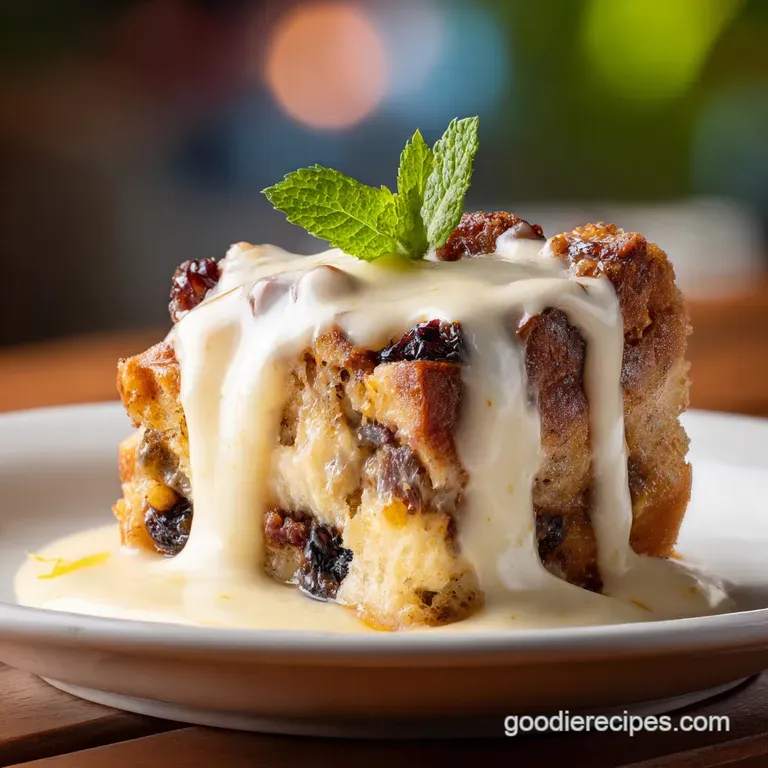
- Time: Active 15 minutes, Passive 50 minutes, Total 1 hours 5 mins
- Flavor/Texture Hook: Silky custard center with a buttery, toasted brioche crunch
- Perfect for: Family Sunday dinners or using up holiday bread leftovers
- The Secret to Making Traditional Bread Pudding
- Why Milk and Eggs Create Velvety Textures
- Essential Yield and Timing for Bread Pudding
- Troubleshooting Common Issues
- Quality Ingredients Needed for Your Bread Pudding
- Minimal Tools Required for This Simple Dessert
- Mixing and Baking Your Bread Pudding Today
- Solving Texture Issues in Your Bread Pudding
- Scaling Your Recipe Up or Down
- Debunking Common Kitchen Myths
- Customizing Your Homemade Bread Pudding Recipe Flavors
- Troubleshooting Common Issues
- Saving Leftovers and Reducing Your Kitchen Waste
- Best Toppings and Serving Styles for Dessert
- Recipe FAQs
- 📝 Recipe Card
The Secret to Making Traditional Bread Pudding
The scent of cinnamon and nutmeg hitting a warm oven is, quite honestly, the best air freshener money can't buy. I still remember the first time I tried to make this for a family gathering. I was so worried about it being "soggy" that I didn't add enough liquid, and we ended up with something closer to sweet croutons.
It was a disaster, but it taught me the most important lesson in the kitchen: bread is a sponge, and you have to let it do its job.
We are going for that specific texture where the bottom is almost like a flan, but the top has that satisfying shatter when your spoon hits it. This isn't just a way to use up old bread, it's a deliberate choice to create comfort.
I’ve refined this over years of Sunday roasts, and the addition of that extra egg yolk is my "not so-secret" weapon for richness.
You'll find that using brioche makes a world of difference because of its high butter content. It doesn't just sit in the milk, it merges with it. When that bourbon infused sauce hits the warm pudding, it creates a velvety finish that makes everyone at the table go quiet for a second.
Trust me on this one, it’s the kind of recipe that becomes a family legend after just one bake.
Why Milk and Eggs Create Velvety Textures
Starch Hydration: Dry bread cubes act as a capillary system, pulling the liquid custard deep into the center of the crumb to prevent dry pockets.
Protein Coagulation: The eggs and milk form a delicate protein matrix that sets the liquid into a soft, custardy solid during the gentle heat of the bake.
Capillary Action: Leaving the bread to soak allows the milk to displace air inside the bread, ensuring the final texture isn't airy or full of holes.
Maillard Reaction: The sugars in the brioche and the granulated sugar caramelize on the exposed top edges, creating a crisp, toasted contrast to the soft interior.
Fat Emulsification: The butter and egg yolks create a stable emulsion that coats the bread fibers, giving the dish a luxurious mouthfeel that lingers.
| Method | Time | Texture | Best For |
|---|---|---|---|
| Traditional Oven | 50 minutes | Crispy top, silky center | Classic family dinners |
| Stovetop (Steam) | 40 minutes | Entirely soft and moist | Those who dislike "crusty" bits |
| Air Fryer | 25 minutes | Extra crunchy edges | Small batches or quick fixes |
Using the oven method described here is the gold standard because it allows for that beautiful temperature gradient. The top gets the direct heat it needs to brown, while the bottom stays protected and creamy. If you've ever made a Rice Pudding recipe, you know that slow, gentle heat is the only way to get that perfect "set" without curdling the dairy.
Essential Yield and Timing for Bread Pudding
Getting the timing right is the difference between a weeping custard and a perfect slice. You want to pull the dish out when there's still a slight jiggle in the center. It will continue to firm up as it rests on the counter, a process we call carryover cooking.
If you wait until the center is rock solid in the oven, it will be overcooked and rubbery by the time you eat it.
Troubleshooting Common Issues
| Issue | Solution |
|---|---|
| Why does "stale" bread actually matter | Fresh bread has a high moisture content, which means it can't absorb much of our custard. By using "stale" or toasted bread, we've essentially evaporated the water, leaving empty "cells" for the milk |
| How do egg ratios affect the "set" | The ratio of 4 large eggs plus one extra yolk to 3 cups of milk is the "sweet spot." The yolk adds lecithin and fat, which prevents the proteins from bonding too tightly. This keeps the pudding tender |
| Why is the "Resting Period" non negotiable | When the pudding comes out of the oven, the proteins are still settling. Cutting into it immediately causes the steam to escape too fast, which can lead to a collapsed center. A 10 minute rest allows |
Quality Ingredients Needed for Your Bread Pudding
- 1 lb brioche bread, cut into 1 inch cubes: Why this? Brioche is rich and sturdy enough to hold the custard without disintegrating. (Sub: Challah or thick cut white bread)
- 1/2 cup raisins: Why this? Adds bursts of sweetness and texture. (Sub: Dried cranberries or dark chocolate chips)
- 4 large eggs: Why this? Provides the structural "set" for the custard. (Sub: Flax eggs, though the texture will be much denser)
- 1 large egg yolk: Why this? Adds extra richness and a silky mouthfeel. (Sub: 1 tbsp heavy cream)
- 3 cups whole milk: Why this? The fat content is essential for a creamy result. (Sub: 2 cups milk + 1 cup heavy cream for extra decadence)
- 3/4 cup granulated sugar: Why this? Sweetens the base and helps with browning. (Sub: Light brown sugar for a deeper caramel note)
- 4 tbsp unsalted butter, melted and cooled: Why this? Adds flavor and prevents the bread from sticking. (Sub: Melted coconut oil)
- 1 tbsp vanilla extract: Why this? The primary aromatic for the dish. (Sub: Vanilla bean paste)
- 1 tsp ground cinnamon: Why this? Provides the classic warm spice profile. (Sub: Pumpkin pie spice)
- 1/4 tsp ground nutmeg: Why this? Adds depth and a nutty aroma. (Sub: Allspice)
- 1/4 tsp salt: Why this? Balances the sweetness and enhances the vanilla. (Sub: Sea salt)
- 1/2 cup unsalted butter (for sauce): Why this? The base of the rich topping. (Sub: Salted butter, but omit extra salt)
- 1/2 cup granulated sugar (for sauce): Why this? Dissolves into the butter for a smooth glaze. (Sub: Brown sugar)
- 1/2 cup heavy cream (for sauce): Why this? Creates a velvety, pourable consistency. (Sub: Evaporated milk)
- 1 tsp vanilla extract (for sauce): Why this? Reinforces the flavor profile. (Sub: Almond extract for a twist)
- 1 tbsp bourbon (optional): Why this? Adds a sophisticated, smoky kick. (Sub: Apple juice or dark rum)
| Original Ingredient | Substitute | Why It Works |
|---|---|---|
| Brioche (1 lb) | Croissants (1 lb) | Higher fat content. Note: Result will be much oilier/richer. |
| Whole Milk (3 cups) | Oat Milk (Full Fat, 3 cups) | Similar viscosity. Note: Adds a slightly nutty, cereal like flavor. |
| Granulated Sugar | Maple Syrup (3/4 cup) | Liquid sweetener. Note: Reduce milk by 2 tbsp to compensate for moisture. |
Minimal Tools Required for This Simple Dessert
You don't need a kitchen full of gadgets for this. A simple 9x13 inch baking dish is your best friend here. I personally use a ceramic dish because it holds heat more evenly than metal, which helps prevent the edges from burning before the middle is set.
You'll also need a large mixing bowl, a whisk, and a small saucepan for that liquid gold sauce.
Honestly, don't even bother with a fancy bread knife if yours is dull. A serrated knife is best for the brioche to keep from squishing the airy structure. If you're in a rush, you can even tear the bread by hand - it actually creates more surface area for the custard to cling to, which some people prefer for a more "rustic" look.
Chef Tip: Freeze your butter for 10 minutes before making the sauce, then grate it into the saucepan. It melts much faster and more evenly, preventing the sugar from graining up.
Mixing and Baking Your Bread Pudding Today
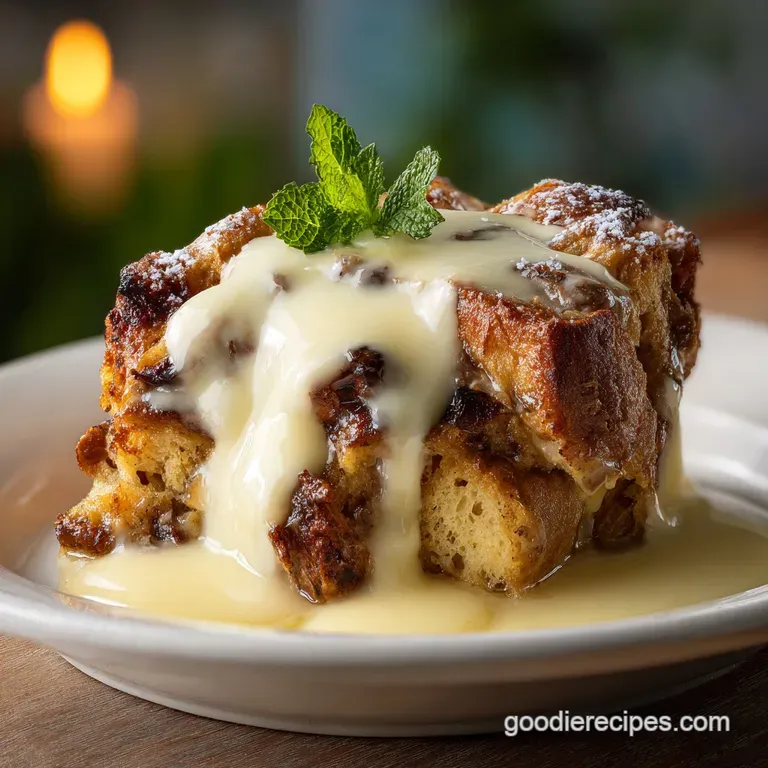
1. The Bread Preparation
Cut your 1 lb brioche bread into 1 inch cubes. Note: Uniform sizes ensure even soaking. Place them in a large bowl and toss with 1/2 cup raisins. If your bread is very fresh, spread it on a sheet pan and bake at 300°F (150°C) for 10 minutes until it feels dry to the touch.
2. Crafting the Custard
Whisk 4 large eggs and 1 large egg yolk in a separate bowl. Slowly pour in 3 cups whole milk, 3/4 cup granulated sugar, 4 tbsp melted butter, 1 tbsp vanilla, 1 tsp cinnamon, 1/4 tsp nutmeg, and 1/4 tsp salt. Whisk until the sugar is fully dissolved and no streaks of egg remain.
3. The Union
Pour the custard mixture over the bread cubes. Use a large spoon to gently press the bread down so every piece is submerged. Let it sit for at least 15 minutes until the bread has absorbed about half of the liquid.
4. Setting the Oven
Preheat your oven to 350°F (180°C). Grease a 9x13 inch baking dish generously with butter. Transfer the soaked bread and any remaining liquid into the dish, spreading it out evenly.
5. The Golden Bake
Place the dish in the center of the oven. Bake for 45 to 50 minutes until the top is golden brown and the center has a slight wobble. The edges should look slightly pulled away from the sides of the dish.
6. The Finishing Sauce
While the pudding bakes, melt 1/2 cup butter in a small saucepan over medium heat. Stir in 1/2 cup granulated sugar and 1/2 cup heavy cream. Whisk constantly for 5 minutes until the sauce thickens and coats the back of a spoon.
7. The Flavor Boost
Remove the sauce from heat. Stir in 1 tsp vanilla extract and 1 tbsp bourbon (if using). The sauce should be velvety and smell intensely of caramel and oak.
8. The Final Rest
Remove the pudding from the oven and let it sit for 10 minutes. This allows the internal temperature to stabilize. Pour the warm sauce over the entire dish or serve it on the side for individual drizzling.
Solving Texture Issues in Your Bread Pudding
Why did my bread pudding turn out soggy?
This usually happens if the bread wasn't dry enough to begin with or if the oven temperature was too low. When the bread is fresh, it holds onto its own moisture, meaning it can't take on the custard properly, leading to a "wet" rather than "creamy" result.
Always make sure your bread feels like a dry sponge before you start.
Why is my custard curdled or "weeping"?
Curdling is a sign of overcooking or too much heat. When egg proteins get too hot, they tighten up and squeeze out the liquid, resulting in a watery mess and "scrambled egg" texture. Using a ceramic dish or a water bath (placing the baking dish inside a larger pan filled with an inch of hot water) can prevent this.
| Problem | Root Cause | Solution |
|---|---|---|
| Dry, tough top | Oven rack too high | Cover with foil for the first 20 mins of baking. |
| Liquid at bottom | Incomplete soaking | Let bread sit in custard for 15+ mins before baking. |
| Grainy sauce | Sugar didn't dissolve | Whisk sauce over lower heat for a longer duration. |
Common Mistakes Checklist ✓ Pat raisins dry if they were soaked in water/rum to avoid extra moisture. ✓ Preheat oven for at least 20 minutes to ensure a steady temperature. ✓ Don't skip the extra egg yolk; it's the key to the velvety texture.
✓ Use room temperature eggs so they emulsify better with the milk. ✓ Let the pudding rest before slicing to prevent it from falling apart.
Scaling Your Recipe Up or Down
If you're cooking for a smaller crowd, you can easily halve this recipe. Use an 8x8 inch square pan and reduce the bake time by about 10 to 15 minutes. For the eggs, use 2 whole eggs and just the yolk of the third. It's better to have a bit more custard than a dry pudding.
When doubling the recipe for a big party, use two separate 9x13 dishes rather than one deep one. If the pudding is too thick, the center won't cook before the outside burns. You should also increase the spices by only 1.5x to keep them from becoming overpowering. If you're looking for another crowd pleaser that scales well, my Moist Banana Bread recipe is a fantastic alternative.
Debunking Common Kitchen Myths
Some people believe you must use "expensive" bread for a good result. That is a total myth. While brioche is amazing, even the cheapest loaf of white bread can be transformed if you toast it properly first. The magic is in the custard, not the price tag of the loaf.
Another common misconception is that you need a "bain marie" (water bath) for every bread pudding. While it helps with even cooking, it’s not strictly necessary if you use a heavy ceramic dish and watch your timer. Modern ovens are much more stable than the ones our grandmas used!
Customizing Your Homemade Bread Pudding Recipe Flavors
Troubleshooting Common Issues
| Issue | Solution |
|---|---|
| Make this dairy-free | Yes, you can swap the milk for full fat coconut milk or cashew milk. Use a vegan butter substitute for the sauce. Just keep in mind that coconut milk will add a distinct tropical flavor, which actuall |
| I want a chocolate version | Replace the raisins with 1/2 cup of high-quality dark chocolate chips. You can also whisk 2 tablespoons of cocoa powder into the custard mixture. The heat from the bake will create pockets of melted c |
| Make it more "Adult" | Double the bourbon in the sauce or soak your raisins in dark rum overnight before adding them to the bread. This adds a complex, fermented depth that balances the heavy sugar content. |
Saving Leftovers and Reducing Your Kitchen Waste
Storage: Keep any leftovers in an airtight container in the fridge for up to 4 days. The bread will continue to absorb the sauce, making it even denser and more flavorful on day two.
Freezing: You can freeze the baked pudding (without sauce) for up to 2 months. Wrap it tightly in plastic wrap and then foil. To reheat, thaw in the fridge overnight and bake at 325°F (160°C) until warmed through.
Zero Waste: Don't throw away the crusts if you decide to trim your bread! Toast them and pulse them in a blender to make sweet breadcrumbs for topping fruit crumbles or yogurt. Even the "dust" at the bottom of the raisin box can be tossed into the custard for extra flavor.
Best Toppings and Serving Styles for Dessert
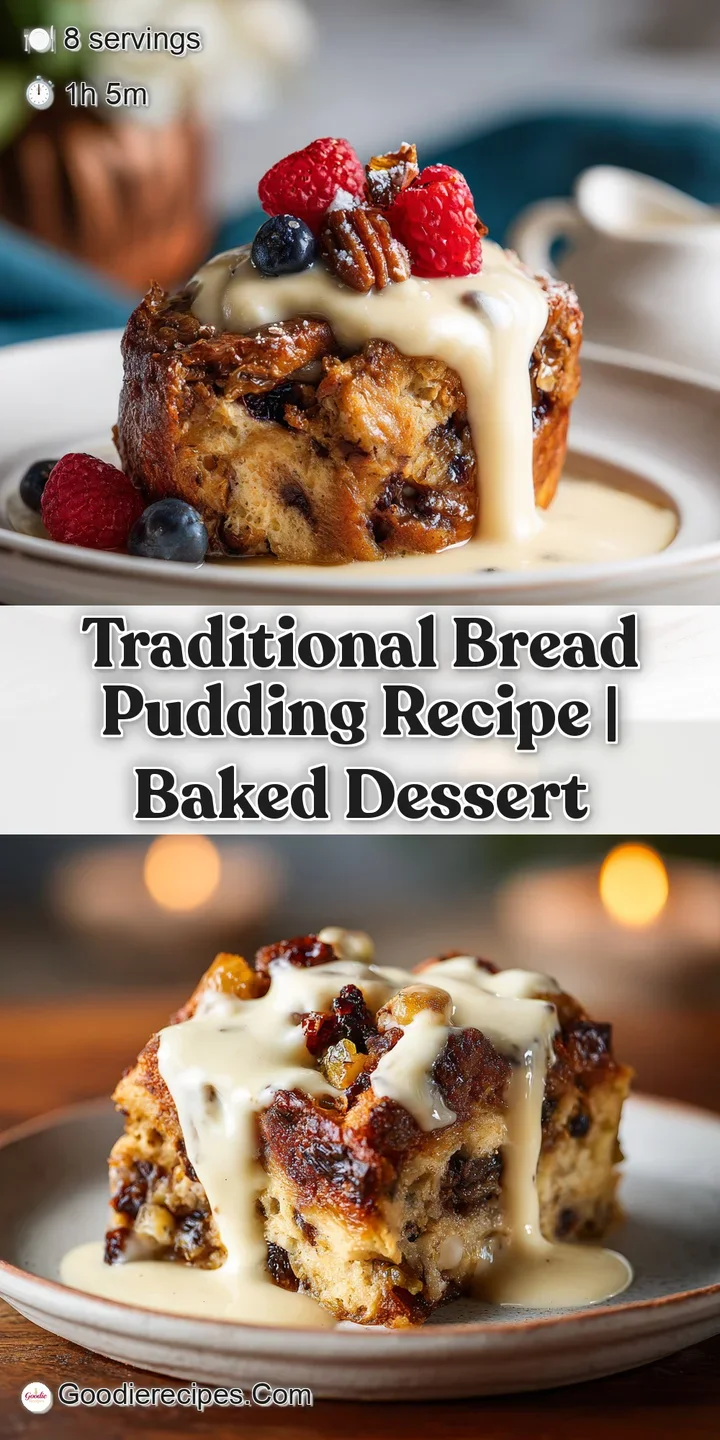
While the vanilla bourbon sauce is the classic choice, don't be afraid to experiment. A big scoop of cold vanilla bean ice cream on top of the hot pudding creates a "hot and cold" sensation that is hard to beat. The way the ice cream melts into the nooks and crannies of the toasted brioche is pure heaven.
If you want something lighter, a dollop of unsweetened whipped cream or a dusting of powdered sugar works perfectly. For a seasonal twist, serve it with a side of warm apple compote or fresh berries. This dish is essentially a blank canvas for whatever fruit is in season!
Recipe FAQs
What are the ingredients of bread pudding?
Stale bread, eggs, milk, sugar, and spices form the core ingredients. You need a sturdy bread like brioche or challah to soak up the rich custard base made from milk, eggs (often including extra yolks for richness), sugar, vanilla, and warm spices like cinnamon and nutmeg.
Why is bread pudding called bread pudding?
Because it is primarily composed of bread soaked in a milk and egg custard. The name is highly literal, describing the main components cooked together until the bread softens and the liquid sets into a pudding like consistency.
What are common bread pudding mistakes?
Using fresh bread or overbaking are the most common errors. Fresh bread doesn't absorb the custard correctly, leading to wet spots, while overbaking causes the egg proteins to seize, resulting in a tough, rubbery texture instead of creamy softness.
If you master the soaking time, you avoid the soggy base often seen when using bread that hasn't dried out enough, similar to how you must control liquid absorption when making [Zucchini Fritters recipe].
Is it true that Princess Diana's favorite dessert was bread pudding?
No, this is a common misconception. While she enjoyed many classic English desserts, reports often cite Sticky Toffee Pudding or Crème Brûlée as her preferred rich treats, not bread pudding.
How to ensure the top of the pudding gets crispy while the center stays creamy?
Bake at a moderate temperature and use a ceramic dish for insulation. The ceramic holds heat evenly, allowing the exposed top layer to brown and crisp up from the gentle oven heat while the bottom cooks slowly in the insulating custard.
This control over temperature zones is key to achieving contrast, much like when you are trying to achieve perfectly crisp edges on [Homemade Donuts Recipe with Vanilla Glaze].
What is the ideal bread to use for making the richest bread pudding?
Brioche or challah bread provides the best texture due to their high fat content. These enriched breads contain more butter and eggs, allowing them to absorb the custard deeply without disintegrating entirely, yielding a luxurious, silky interior when baked.
How to tell when bread pudding is perfectly done baking?
Pull it from the oven when the edges are set and the center has a slight jiggle. If you insert a thin knife near the center, it should come out mostly clean, but the interior should look moist, not dry. It will continue to cook as it rests on the counter, ensuring a perfect internal set.
Velvety Brioche Bread Pudding
Ingredients:
Instructions:
Nutrition Facts:
| Calories | 615 kcal |
|---|---|
| Protein | 12.5 g |
| Fat | 38.1 g |
| Carbs | 70.1 g |
| Fiber | 1.8 g |
| Sugar | 44.5 g |
| Sodium | 385 mg |
