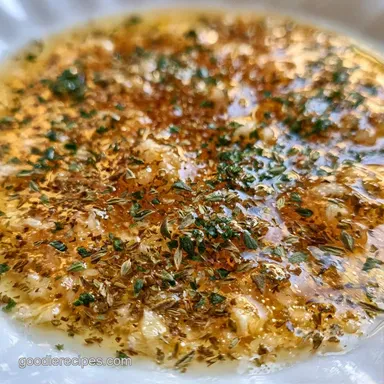
Authentic Greek Salad Dressing Recipe with Lemon
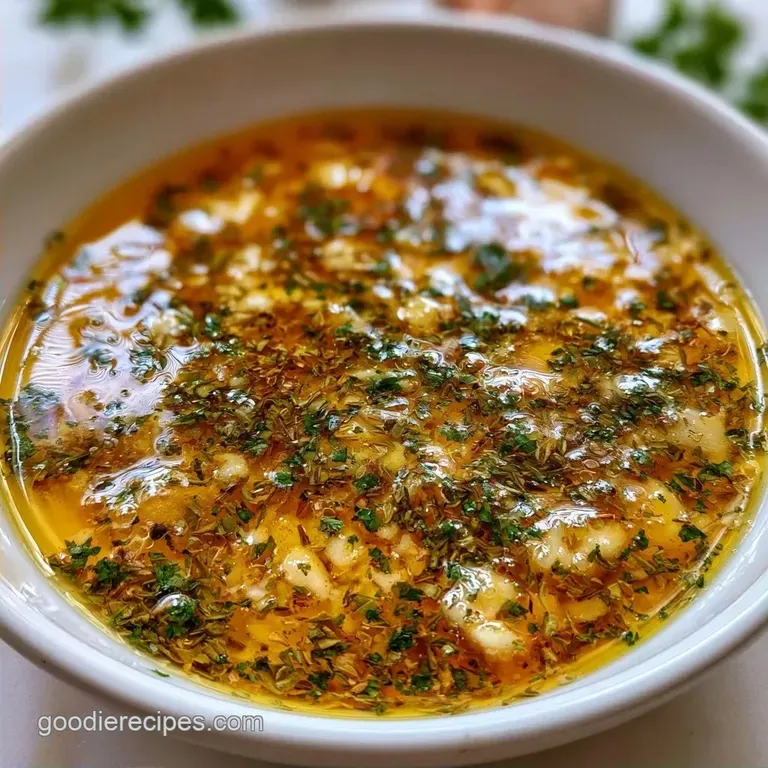
- Time: 5 min active
- Flavor/Texture Hook: Tangy, bold, and glossy
- Perfect for: Quick weeknight salads or meal prep
There is nothing quite like the bright, zesty aroma of lemon and garlic that wafts out the moment you shake the jar. For a long time, I believed the only way to ensure a dressing actually clung to a cucumber slice was to include a creamy base or a heavy emulsifier.
Whenever I saw restaurant salads with a sauce like consistency, I assumed they were using some secret additive.
Actually, you don't need anything heavy to get a dressing that sticks. It all comes down to how the oil and acids are combined. By adding a small amount of Dijon mustard to act as the binder, this dressing gains a stable structure that coats the vegetables evenly instead of sliding off and pooling at the bottom of the bowl.
The resulting flavor is vibrant and bold, reminiscent of a summer in the Mediterranean. The punch of red wine vinegar and the freshness of lemon are perfectly offset by the earthy notes of dried oregano. Now, let's dive into how to make it.
This Greek Salad Dressing Recipe Works
- The Acid Balance: Using both red wine vinegar and lemon juice provides a layered tang. The vinegar gives a sharp bite, while the lemon adds a fresh, citrusy lift.
- Mustard as a Binder: A small amount of Dijon mustard acts as a natural stabilizer. It helps the oil and vinegar stay mixed longer so you don't have to shake the jar every ten seconds.
- Dried Herb Intensity: Dried oregano actually holds its flavor better in high acid dressings than fresh oregano, which can sometimes taste too "grassy."
The goal is to create a temporary emulsion. According to Serious Eats, an emulsion happens when you force two liquids that usually don't mix, like oil and vinegar, into a stable dispersion.
| Method | Time | Texture | Best For |
|---|---|---|---|
| Jar Shaking | 1 min | Coarse/Rustic | Fast prep, easy storage |
| Whisking | 3 mins | Smooth/Uniform | Immediate serving, large batches |
What Each Ingredient Does
| Component | Purpose | Substitute Notes |
|---|---|---|
| Extra Virgin Olive Oil | Provides richness and a fruity base | Avocado oil: Neutral flavor, slightly higher smoke point |
| Red Wine Vinegar | Adds the characteristic sharp, fermented tang | Apple cider vinegar: Milder, slightly sweeter result |
| Dijon Mustard | Acts as the emulsifier to bind oil and acid | Whole grain mustard: Adds texture, slightly less binding power |
| Dried Oregano | Delivers the authentic earthy, herbal punch | Dried basil: Sweeter, less traditional Greek profile |
Recipe Specs
This is a fast, no cook process. You aren't fighting with a stove or waiting for things to cool down. It's all about the assembly.
- Prep time:5 minutes
- Cook time:0 minutes
- Total time:5 minutes
- Yield: 4 servings
Essential Kitchen Tools
No fancy equipment is required for this. I prefer using a simple glass mason jar since it serves as both the mixing vessel and the storage container. If you don't have one, a medium stainless steel bowl and a whisk work just as well.
I recommend using a small microplane or a very sharp knife for the garlic. Aim for a paste like consistency so you don't end up with any raw chunks in your final bite.
How to Make It
- Place the Dijon mustard, minced garlic, sea salt, cracked black pepper, and dried oregano into a bowl or glass mason jar. Note: This initial stir ensures herbs are evenly distributed and salt is dissolved.
- Add the lemon juice and red wine vinegar.
- Shake the jar firmly or whisk for 30 seconds until the components are combined and bubbly.
- Gradually pour in the olive oil while continuing to shake or whisk.
- Mix until the texture shifts from translucent to an opaque, pale gold emulsion.
- Test the flavor using a piece of lettuce or cucumber.
- Modify the salt or lemon juice to your liking.
- Pour onto your salad immediately or seal the jar for storage.
Fixing Common Dressing Issues
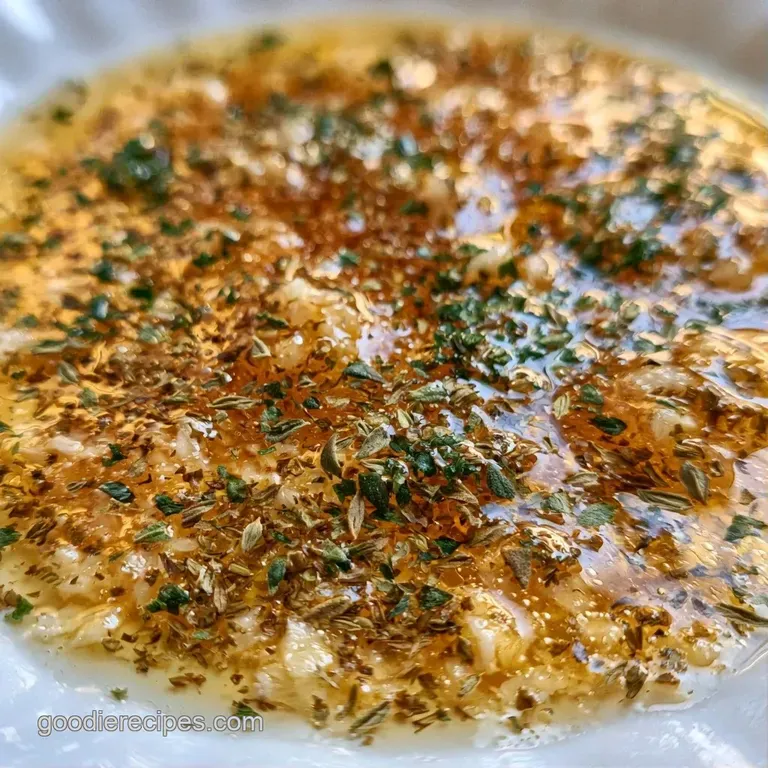
If your dressing looks a bit off, don't panic. Vinaigrettes are temperamental by nature. The most common issue is separation, but that's just physics. Oil and vinegar naturally want to be apart.
Another thing to watch for is the "garlic burn." If the garlic is too chunky, it can overpower the other flavors. If you find the taste too sharp, a tiny pinch of sugar or honey can mellow out the edges without making it taste like a dessert.
Fixing a Separated Texture
This is normal for a homemade vinaigrette. Just give the jar a hard shake for 5 seconds before pouring. The Dijon mustard helps, but it won't keep it bonded forever.
Reducing Garlic Bite
If the raw garlic tastes too aggressive, let the dressing sit in the fridge for an hour. The acid in the vinegar mellows out the raw sulfur compounds in the garlic over time.
Balancing Excessive Sourness
If the vinegar is too punchy, add one more tablespoon of olive oil. The fat coats the tongue and dampens the intensity of the acid.
| Problem | Root Cause | Solution |
|---|---|---|
| Oil floating on top | Natural separation | Shake vigorously for 5 seconds |
| Too pungent/sharp | Raw garlic chunks | Let sit for 1 hour or mince finer |
| Too thin/runny | Not enough emulsion | Whisk longer or add 1/2 tsp more mustard |
| Overly acidic | Vinegar/Lemon ratio | Add 1 tbsp more olive oil |
Storage and Zero Waste
Store this dressing in a sealed glass jar in the refrigerator. It stays fresh for about 7 days. You'll notice the olive oil might solidify or get cloudy in the cold, which is normal. Just let it sit on the counter for 10 minutes or run the jar under warm water to bring it back to a liquid state.
For zero waste, don't toss your lemon rinds. I usually toss them into a freezer bag with other citrus scraps to make a quick flavored vinegar later. Also, if you have garlic skins, you can simmer them in a pot of water with some veggie scraps for a very light, aromatic base broth.
Pairing Suggestions
This dressing is obviously great on a traditional Greek salad with cucumbers, tomatoes, and kalamata olives. But it's also a great marinade for proteins. I love using it on grilled shrimp or chicken breast.
For something different, try drizzling it over Crispy Salmon Patties to add a bright, acidic contrast to the fried fish. You can also toss it with Roasted Chickpeas for a zesty, high protein snack.
Chef's Note: If you're prepping a salad for a party, don't dress it more than 15 minutes before serving. The acid in the dressing will break down the cell walls of the vegetables, making them limp and watery.
Dietary Adaptations
Depending on your diet, you can tweak this Greek Salad Dressing Recipe without losing the core profile.
The Lemon Forward Twist
If you prefer a brighter, citrusy taste, swap the red wine vinegar for an equal amount of fresh lemon juice. This makes the dressing feel lighter and more "summery."
Bold Kalamata Infusion
For a deeper, saltier flavor, blend a tablespoon of kalamata olive brine into the mix. This adds a fermented depth that mimics high end Mediterranean bistro dressings.
Oil Free Adaptation
Replace the olive oil with 1/2 cup of plain Greek yogurt. This creates a creamy Greek salad dressing that is much lower in calories but still delivers the same tang. Note that this version won't keep as long as the oil based one.
Low Sodium Swap
Use a salt free lemon pepper seasoning instead of sea salt and black pepper. You can also use a low sodium Dijon mustard to keep the salt levels down while keeping the emulsion stable.
Decision Shortcut: Extra tang? → fold in 1 tsp lemon zest More earthy? → add 1/2 tsp dried thyme Slightly sweeter? → add 1/2 tsp honey
Clearing Up Dressing Myths
One common myth is that you should always use fresh oregano for the best flavor. In reality, dried oregano is more concentrated and provides that specific "pizza shop" aroma that defines Greek cuisine. Fresh oregano is great for garnishing, but for the dressing itself, dried is the way to go.
Another misconception is that the quality of olive oil doesn't matter in a vinaigrette because the vinegar hides it. That's not true. Since there's no cooking involved, the raw flavor of the oil shines through.
Using a cheap, refined oil can leave a greasy aftertaste, whereas a good extra virgin olive oil adds a peppery, fruity note that rounds out the acid.
Adjusting Your Batch
Scaling Down (Half Batch): For a single serving, use 1/4 cup olive oil and 1.5 tbsp vinegar. A small jam jar is recommended to provide enough space for a thorough shake.
Scaling Up (Double or Triple): When preparing for a larger group, avoid simply tripling the salt. Instead, begin with 1.5x the salt and pepper, then taste and adjust. Liquids can be increased linearly, but seasonings often intensify differently in larger batches.
If you are whisking a double batch by hand, utilize a large bowl to prevent splashing. Achieving a stable emulsion with a full cup of oil requires a bit more physical effort.
Recipe FAQs
What ingredients create a traditional Greek dressing?
Extra virgin olive oil, red wine vinegar, and lemon juice. These combine with minced garlic, dried oregano, Dijon mustard, sea salt, and cracked black pepper.
How to emulsify the dressing properly?
Slowly stream in the olive oil while shaking or whisking. This transforms the mixture from translucent to an opaque, pale gold emulsion.
Is it true that Greek dressing needs honey to taste authentic?
No, and here's why. The acidity from the red wine vinegar and lemon juice provides the necessary brightness without needing sweeteners.
Why does the oil solidify in the refrigerator?
This is a natural reaction of the olive oil. The fats thicken when cold, but the dressing returns to liquid after sitting on the counter for 10 minutes.
Could you explain the steps for making this at home?
Stir garlic, oregano, salt, pepper, and Dijon mustard in a jar. Add red wine vinegar and lemon juice, shake vigorously, then slowly whisk in the olive oil.
Which ingredient provides the signature herbal flavor?
Dried oregano is the key. It provides the distinct, earthy aroma characteristic of authentic Mediterranean salads.
Does this dressing work for other recipes?
Yes, it works excellently as a marinade. This flavor profile pairs similarly to the bright notes in our lemon sauce for seafood.
Are Greek salads generally considered healthy?
Yes, because they rely on heart healthy fats. The combination of extra virgin olive oil and fresh acidic components makes it a nutrient dense choice.
Greek Salad Dressing Recipe