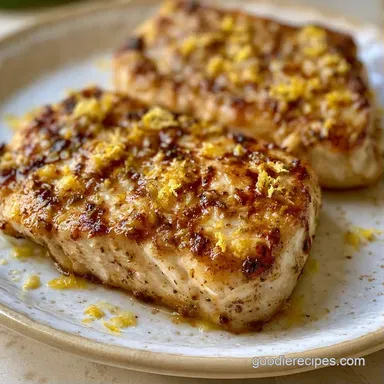
Zesty Healthy Lemon Grilled Fish
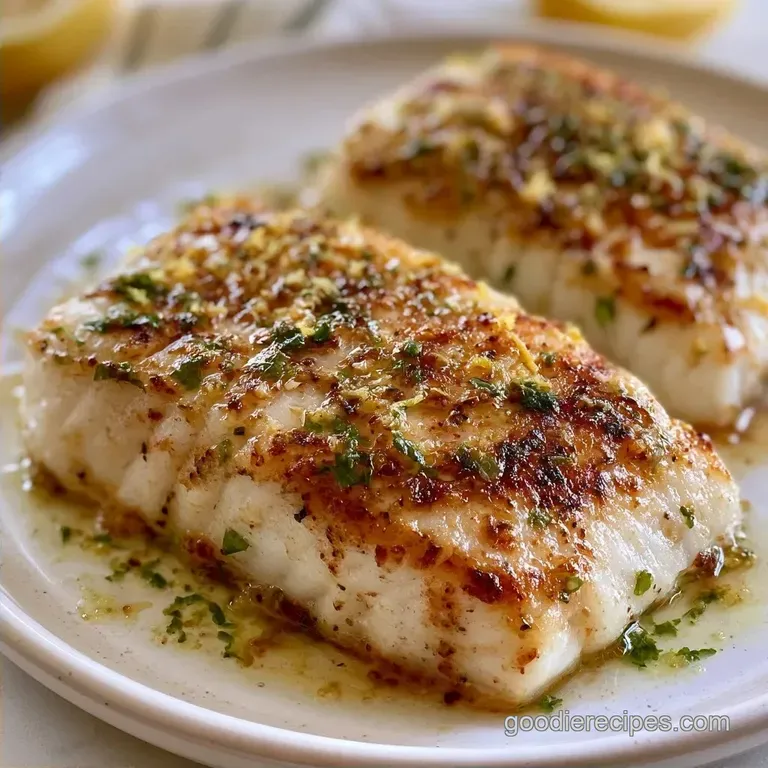
- Time: 5 min active + 10 min cook
- Flavor/Texture Hook: Zesty, charred, and springy
- Perfect for: Fast weeknight dinner or low carb meal prep
- Healthy Lemon Grilled Fish
- Ingredients and Substitutions
- Quick Cooking Details
- The Right Kitchen Gear
- Step-by-Step Grilling Process
- Avoid These Common Mistakes
- Adjusting the Portion Size
- Debunking Seafood Myths
- Storage and Reheating Tips
- Plating Your Fish
- Customizing Your Meal
- High in Sodium
- Recipe FAQs
- 📝 Recipe Card
That smell of fresh lemon zest hitting a hot grill is honestly the best part of summer. I used to overcook every piece of white fish I touched, turning it into something resembling cardboard. Then I realized the issue wasn't the heat, but the moisture management.
The key is using a firm white fish. Mahi Mahi or Halibut hold up way better than flaky fillets when they hit the grates. If you use something too soft, it just falls apart, but the right choice, you get those beautiful charred lines and a juicy center.
This Healthy Lemon Grilled Fish is designed for efficiency. We aren't spending hours marinating, because too much lemon juice actually "cooks" the fish (like ceviche) and makes the texture mushy. We keep it fast and focused.
Healthy Lemon Grilled Fish
The real hero here is the lemon zest. While the juice provides the tartness, the zest contains the essential oils that give you that bright, floral aroma without adding too much liquid. Most people just squeeze the lemon and call it a day, but the zest is what makes this dish stand out.
I've found that using a small amount of olive oil on the grates is just as important as the marinade. Fish proteins are sticky. If your grill isn't properly prepped, you'll spend half your time fighting with the fillets instead of enjoying the process.
But what about the timing? It's a tight window. According to Serious Eats, fish can go from underdone to overdone in about 60 seconds. We'll use a thermometer to avoid the guesswork.
Why the Marinade Works
Acid Balance: The lemon juice breaks down tough fibers but is limited to 15 minutes to prevent the fish from becoming mealy. Oil Barrier: Olive oil conducts heat evenly across the fillet and creates a physical shield against sticking.
| Fillet Type | Texture | Best For | Prep Effort |
|---|---|---|---|
| Fresh Caught | Firm, clean taste | over High heat searing | Medium |
| Frozen/Thawed | Softer, more moisture | Foil grilling | Low |
What Each Ingredient Does
| Ingredient | What It Does | Best Swap |
|---|---|---|
| Firm White Fish | Provides lean protein | Salmon (add 2 mins cook time) |
| Lemon Zest | Adds concentrated citrus oil | Lime zest (for a tropical vibe) |
| Dried Oregano | Adds earthy, herbal notes | Dried Thyme |
| Garlic | Adds pungent depth | Garlic powder (1/2 tsp) |
Ingredients and Substitutions
For the fish, you'll need: - 4 (6 oz / 170g) firm white fish fillets (Mahi Mahi, Halibut, or Cod) Why this? They don't flake apart easily on the grill. - 1 tbsp (15ml) olive oil Why this? Used specifically for oiling the grill grates.
For the zesty lemon marinade: - 3 tbsp (45ml) extra virgin olive oil Why this? Carries the garlic and oregano into the fish. - 2 tbsp (30ml) fresh lemon juice Why this? Provides the necessary acidity to cut through the oil. - 1 tbsp (6g) lemon zest, finely
Grated Why this? Essential for the "bright" lemon flavor. - 2 cloves (6g) garlic, minced Why this? Adds a savory, sharp contrast to the citrus. - 1 tsp (2g) dried oregano Why this? Classic pairing for lemon and seafood. -
1/2 tsp (3g) sea salt Why this? Draws out flavor and helps with the sear. - 1/4 tsp (1g) cracked black pepper Why this? Adds a mild heat to balance the acid.
Quick Cooking Details
This recipe is built for speed. You don't need to spend all afternoon in the kitchen to get a high protein meal.
- Prep time:5 minutes
- Cook time:10 minutes
- Total time:33 minutes
- Yield: 4 servings
- Internal Temp:145°F (63°C)
The Right Kitchen Gear
You don't need a fancy setup, but a few specific tools make this way easier. A grill brush is non negotiable. Old food bits on the grate are the primary cause of sticking.
I recommend using a digital instant read thermometer. Since we're aiming for exactly 145°F, guessing by "feel" often leads to overcooked fish. A pair of wide fish spatulas also helps if you're nervous about the fillets breaking.
Step-by-step Grilling Process
- Whisk the 3 tbsp olive oil, lemon juice, zest, minced garlic, oregano, salt, and pepper in a small bowl.
- Pat the fish fillets completely dry with paper towels. Note: Wet fish steams instead of searing.
- Brush the marinade generously over both sides of the fillets.
- Let the fish sit for no more than 15 minutes. Note: Longer marinating ruins the texture.
- Preheat the grill to medium high heat.
- Lightly oil the grates using a brush or an oiled paper towel with 1 tbsp olive oil.
- Place fillets on the heat. Grill for 3–5 minutes per side. Do not move them until defined grill marks appear.
- Flip carefully once the texture feels firm and springy.
- Remove from heat when the internal temperature reaches 145°F (63°C).
- Transfer to a plate and let rest for 3 minutes before serving.
Avoid These Common Mistakes
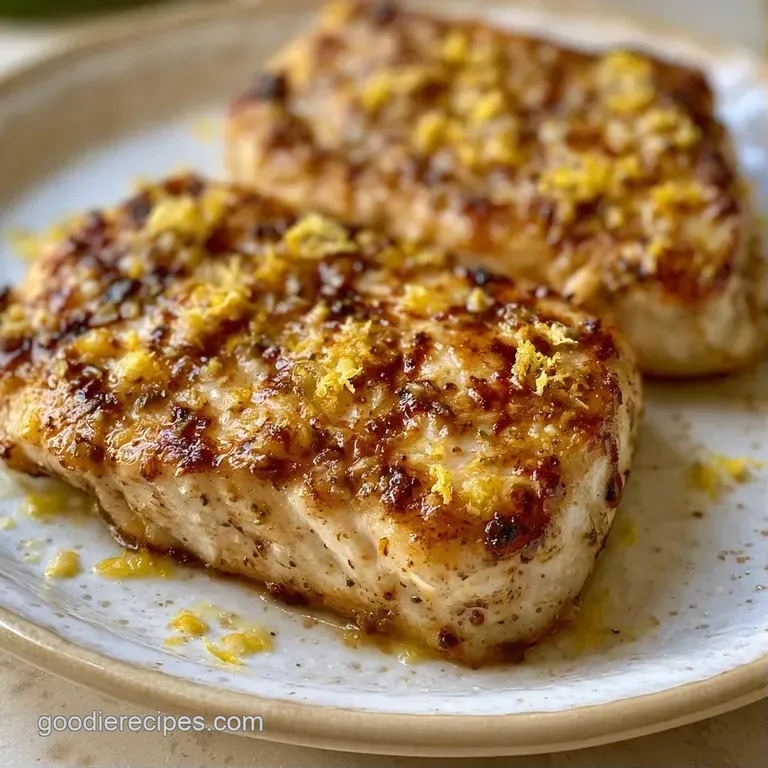
The biggest issue people have with Healthy Lemon Grilled Fish is the "stick and tear" cycle. This happens when you try to flip the fish too early. The fish needs to form a crust first, which naturally releases it from the metal.
Another common problem is using too much lemon juice in the marinade. If you leave fish in acid for an hour, it starts to chemically cook, which makes the final grilled product feel mushy.
Why Your Fish Is Sticking
If the fish clings to the grill, it's usually due to low heat or improper oiling. Ensure the grill is hot enough that a drop of water dances on the surface.
| Problem | Root Cause | Solution |
|---|---|---|
| Fillets breaking | Flipped too early | Wait for natural release (3-5 mins) |
| Dry texture | Overcooked past 145°F | Use a thermometer to pull early |
| No grill marks | Grill temp too low | Preheat for at least 10 mins |
Adjusting the Portion Size
If you're cooking for just one or two people, you can easily halve the recipe. Use a smaller grill area to keep the heat concentrated. Reduce the overall cook time by about 20% if the fillets are thinner than 6 oz.
When scaling up for a crowd, don't just multiply the salt and spices by four. I usually go to 1.5x or 2x for the seasoning to avoid over salting. Work in batches so you don't crowd the grill, which would drop the temperature and cause the fish to steam. If you have a lot of fillets, you might consider an oven grilled whole fish for easier management.
| Goal | Adjustment | Result |
|---|---|---|
| Less Salt | Use 1/4 tsp salt | Milder profile |
| More Char | Increase heat to High | Darker crust, faster cook |
| Thicker Cuts | Add 2 mins per side | Fully cooked center |
Debunking Seafood Myths
You'll often hear that searing fish "seals in the juices." This is actually a myth. Moisture loss happens regardless of how you sear it. The crust we're creating is for flavor and texture, not for creating a waterproof seal.
Another common belief is that you need to "wash" fish before cooking. Honestly, don't do this. Rinsing fish can spread bacteria around your sink and adds unnecessary moisture to the surface, which prevents a good sear.
Storage and Reheating Tips
Grilled fish is best eaten immediately, but leftovers keep in the fridge for 2-3 days in an airtight container. To keep it from drying out, I recommend adding a tiny squeeze of fresh lemon juice before reheating.
When reheating, avoid the microwave if you can. It turns the fish rubbery. Instead, put the fillets in a pan over medium low heat with a teaspoon of water or butter. Cover it for 2-3 minutes until warmed through.
For zero waste, save your lemon peels. You can freeze them to use in baking or infuse them into olive oil for your next meal. If you have leftover marinade, don't put it on the fish after it's cooked unless you boil it first.
Plating Your Fish
To make this look like it came from a restaurant, start with a bed of greens or sautéed spinach. Place the fillet at an angle across the vegetables.
Slicing a few fresh lemon rounds and grilling them for 1 minute per side adds a beautiful visual touch and an extra layer of smoky citrus. A sprinkle of fresh parsley or chives adds a pop of green that contrasts well with the golden brown fish.
Customizing Your Meal
If you want a richer flavor, you could try an easy butter sauce grilled fish approach by brushing melted butter on the fillets during the last minute of cooking.
For those following a stricter diet, you can swap the olive oil for avocado oil, which has a higher smoke point. If you're looking for a bolder kick, add a pinch of crushed red pepper or a teaspoon of smoked paprika to the marinade. This changes the profile from "bright and zesty" to "smoky and spicy."
Regardless of the tweaks, the core of a Healthy Lemon Grilled Fish is that balance of heat and acid. Just remember to trust your thermometer and give the fish space to sear. It's a simple process, but the precision in timing is what makes it work.
High in Sodium
840 mg 840 mg of sodium per serving (37% 37% of daily value)
The American Heart Association recommends a daily limit of 2,300 mg of sodium to maintain heart health and reduce the risk of hypertension.
Tips to Reduce Sodium
-
Reduce or Swap Sea Salt-25%
The sea salt is the primary sodium source. Try reducing the amount by half or replacing it with a salt free herb seasoning blend.
-
Amplify Citrus Flavor-10%
Increase the fresh lemon juice and zest. The acidity of the lemon mimics the tongue's perception of salt, allowing you to use less sodium.
-
Double the Garlic-5%
Increase the amount of minced garlic to add a bolder, pungent flavor that compensates for the reduction in salt.
-
Layer Fresh Herbs
Add more dried oregano or stir in fresh parsley and basil at the end to provide aromatic complexity without adding sodium.
Recipe FAQs
What is the healthiest grilled fish to eat?
Mahi Mahi, Halibut, and Cod are top lean options. These firm white fish provide high protein with minimal saturated fats.
How do you grill fish with lemons?
Combine lemon juice, zest, and olive oil into a marinade. Brush this mixture on dried fillets and grill for 3 5 minutes per side over medium high heat.
Is lemon fish healthy?
Yes, it is a nutrient dense choice. This preparation relies on heart healthy olive oil and fresh aromatics rather than processed creams or butter.
What does putting lemon juice on fish do?
The citric acid tenderizes the fish proteins. This process brightens the overall flavor and prevents the meat from tasting overly fishy.
How do you make grilled salmon?
Brush salmon fillets with the lemon garlic marinade. Grill on medium high heat for 3 5 minutes per side until the internal temperature reaches 145°F. For a different texture, try these crispy salmon patties.
How to cook salmon for a diabetic?
Avoid adding sugar or honey to the marinade. Use the olive oil, lemon, and garlic from this recipe to keep the glycemic impact low.
How do you cook salmon on the stovetop?
Heat olive oil in a pan over medium high heat. Sear the fillets for 3 5 minutes per side until the flesh is firm and reaches an internal temperature of 145°F.
Healthy Lemon Grilled Fish