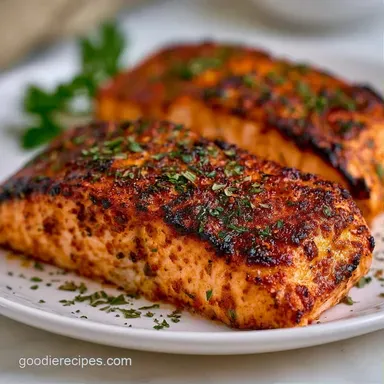
Low Carb Grilled Fish with Smoked Paprika
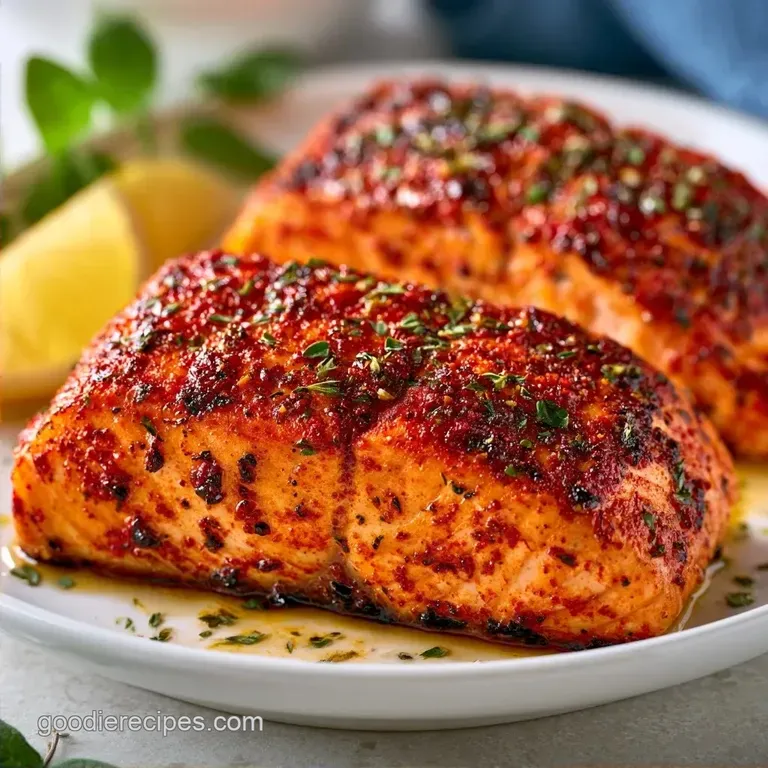
- Time: 10 min active + 10 min cook
- Flavor/Texture Hook: Smoky, charred exterior with a tender, flaky center
- Perfect for: High protein weeknight dinners or keto meal prep
Sizzle. That's the sound of dinner being done in under 25 minutes. I used to overthink fish, worrying it would fall apart or dry out, but the real win is just controlling the moisture and the heat.
You get a high protein meal that doesn't feel like "diet food" because the smoked paprika and garlic create a heavy crust. This Low Carb Grilled Fish hits the table fast, leaving you more time to actually relax.
It's a straightforward process. You'll see a distinct char on the outside while the center stays moist, provided you pull it off the heat at the exact right temperature.
Low Carb Grilled Fish
Dry Surfaces: Moisture on the fish turns to steam, which prevents a sear and makes the meat stick to the grill.
Oil Based Rub: Mixing spices into avocado oil creates a barrier that distributes heat evenly and prevents the spices from burning instantly.
| Method | Time | Texture | Best For |
|---|---|---|---|
| Stovetop Grill Pan | 10 mins | High char, crisp edges | Small batches, speed |
| Outdoor Grill | 12 mins | Smoky, deep grill marks | Larger groups, summer |
| Oven Broiler | 8 mins | Evenly cooked, less char | Avoiding smoke indoors |
Ingredient Breakdown
The goal here is efficiency and stability. We use ingredients that can handle high heat without breaking down into bitter flavors.
| Ingredient | What It Does | Best Swap |
|---|---|---|
| Avocado Oil | High smoke point; prevents sticking | Grapeseed oil (similar heat tolerance) |
| Smoked Paprika | Adds depth and reddish brown color | Ancho chili powder (adds mild heat) |
| Coarse Sea Salt | Draws out surface moisture for better sear | Kosher salt (similar grain size) |
| Salmon/Halibut | Provides lean protein and healthy fats | Cod or Sea Bass (leaner, needs less time) |
Essential Gear
You don't need a professional kitchen, but a few specific tools make the process faster. A cast iron grill pan is my go to because it holds heat better than non stick pans.
I suggest using a silicone brush to apply the paste. It ensures every millimeter of the fish is covered, which is the only way to stop the fillets from tearing when you flip them. A digital meat thermometer is non negotiable here. According to Serious Eats, pulling fish a few degrees early allows carryover cooking to finish the job without drying it out.
The Cooking Process
Prepping the Fillets
Pat the fish fillets completely dry with paper towels. Note: Any lingering water will steam the fish instead of searing it.
Mixing the Rub
Whisk together the avocado oil, smoked paprika, garlic powder, onion powder, dried oregano, sea salt, and black pepper in a small bowl. Mix until it forms a thick, smooth paste.
Coating the Fish
Using a brush, coat all sides of the fish fillets generously with the spice paste. Ensure the edges are covered.
Heating the Grill
Preheat the grill or cast iron grill pan to medium high heat. Wait until a drop of water dances and evaporates instantly on the surface.
The First Sear
Place the fillets on the grill. Press down gently with tongs for 5 seconds. Leave them undisturbed for 4–5 minutes until they release naturally from the grate.
The Flip
Flip the fillets. Cook for another 3–5 minutes.
Precision Pull
Remove from heat when the internal temperature reaches 135°F (57°C) for salmon or 140°F (60°C) for white fish. Note: The temperature will rise about 5 degrees while resting.
Final Rest
Let the fish rest for 3 minutes. This allows the juices to redistribute so they don't run out the moment you cut into it.
Fixing Common Issues
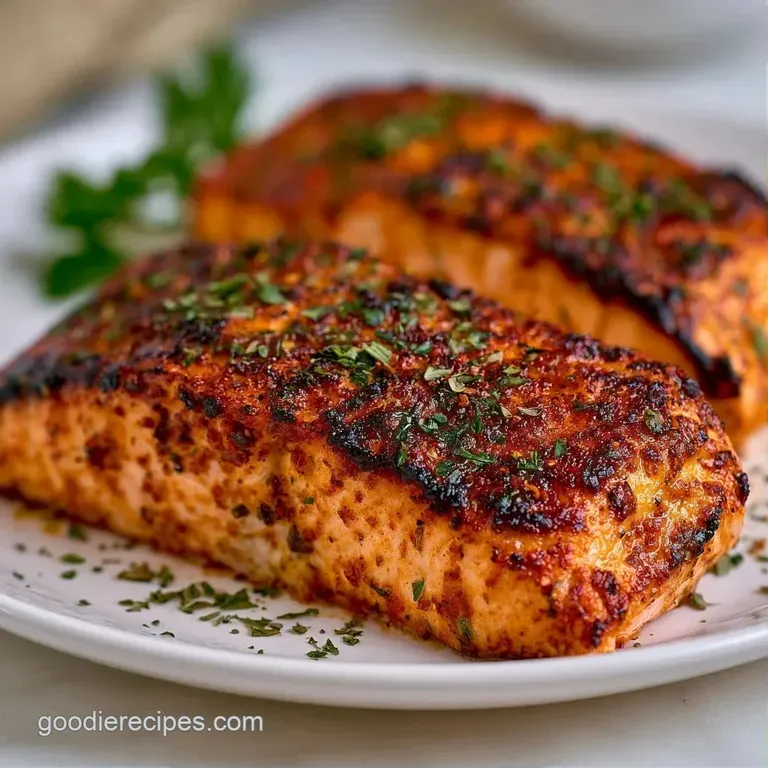
Most failures with Low Carb Grilled Fish happen because of temperature swings or surface moisture. If the fish sticks, you likely flipped it too early. The protein needs to form a crust before it will let go of the metal.
If the outside is burnt but the inside is raw, your heat is too high. Lower the flame and let the fish cook slightly longer on each side.
Why Your Fish Sticks
When fish sticks, it's usually due to a lack of oil or the meat not being fully seared. The proteins bond to the metal until the Maillard reaction creates a crust.
| Problem | Root Cause | Solution |
|---|---|---|
| Tearing on flip | Flipped too early | Wait for the fish to release naturally |
| Burnt spices | Heat too high | Use medium high, not high heat |
| Rubber texture | Overcooked | Use a thermometer; pull at 135°F/140°F |
Dietary Tweaks
This recipe is naturally keto, but you can shift the flavor profile easily. For those who want a more zesty finish, a squeeze of fresh lime after cooking adds brightness without adding significant carbs.
If you're looking for more variety, you can try a healthy lemon grilled fish for a lighter, more citrus forward taste. For a more savory, rich option, an easy butter sauce grilled fish works well, though it increases the calorie count.
Switching to White Fish
If using Halibut or Cod, reduce the second side cook time by 1 minute. White fish has less fat than salmon and can turn dry very quickly.
Boosting the Heat
Add 1/4 tsp of cayenne pepper to the spice paste if you prefer a spicy kick. This doesn't change the cook time or the carb count.
Scaling Guidelines
When doubling this recipe to 8 fillets, don't crowd the pan. If you put too much cold protein on the grill at once, the surface temperature drops. This causes the fish to boil in its own juices rather than sear.
Work in two batches. For the spice paste, you can double the ingredients, but I find that increasing the salt and spices to only 1.5x usually suffices for larger batches to avoid over seasoning.
If you're using an oven broiler for a large batch, lower the rack by one position. This prevents the paprika from scorching before the center of the fish reaches the target temperature.
Fish Myths
Searing meat does not seal in juices. This is a common misconception. Moisture loss happens throughout the entire cooking process. The sear is strictly for flavor and texture.
Marinating fish in acid (like lemon juice) for hours doesn't "tenderize" it. Instead, the acid begins to cook the proteins, which can make the fish mushy. Apply citrus after the fish is grilled.
Keeping Fish Fresh
Store leftovers in an airtight container in the fridge for up to 3 days. To avoid the "fishy" smell in the fridge, line the container with a paper towel to absorb excess moisture.
For freezing, wrap individual fillets in parchment paper before placing them in a freezer bag. They stay good for 2 months. To reheat, avoid the microwave. Instead, place the fish in a pan over medium heat with a teaspoon of water and cover with a lid for 3-4 minutes to steam it back to life.
For zero waste, save any leftover spice paste if you didn't put it on the fish. It works as a great rub for roasted cauliflower or zucchini, keeping your whole meal in the low carb family.
Plating Your Meal
The visual appeal of Low Carb Grilled Fish comes from the contrast between the dark char and the bright colors of the sides. Serve the fillets atop a bed of sautéed spinach or grilled asparagus.
Add a slice of charred lemon on the side of the plate. Heating the lemon halves in the grill pan for 2 minutes caramelizes the sugars, making the juice sweeter and more aromatic.
Chef's Tip: Freeze your butter for 10 minutes before grating it over the hot fish for a controlled melt that doesn't soak the crust.
Finish with a sprinkle of fresh parsley or chives. This adds a pop of green that breaks up the deep red of the paprika.
Recipe FAQs
What is the best fish for a low carb diet?
Salmon or halibut. Both are naturally carb free and provide high-quality protein and healthy fats that keep you satiated.
What is the best fish to grill for weight loss?
Halibut. This lean white fish is low in calories but high in protein, making it an ideal choice for weight management.
What to eat with fish without carbs?
Steamed broccoli or sautéed spinach. These non-starchy vegetables complement the smoky crust without adding sugar. If you prefer a faster cooking method, try a stovetop grill pan for a quick sear.
Does grilled fish have carbohydrates?
No, plain grilled fish contains virtually no carbohydrates. Carbs usually enter the dish through sugary glazes or breading, which are omitted in this recipe.
How to make delicious grilled fish?
Coat fillets in a thick spice paste made of avocado oil and seasonings. Pat the fish completely dry first, then grill on medium high heat until the internal temperature hits 135°F for salmon or 140°F for white fish.
How do you cook fish (no seasoning)?
Pat the fish dry and place it on a preheated, oiled grill. Cook for 4 5 minutes per side, ensuring the fillets release naturally from the grate before flipping.
Is it true that you must use butter to prevent fish from sticking to the grill?
No, this is a common misconception. Avocado oil is superior because its higher smoke point prevents burning and creates a more stable barrier between the fish and the grate.
Low Carb Grilled Fish