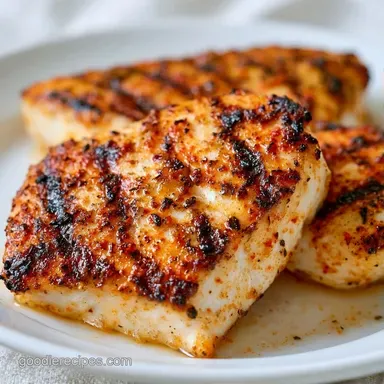
Stovetop Grill Pan Fish in 15 Minutes
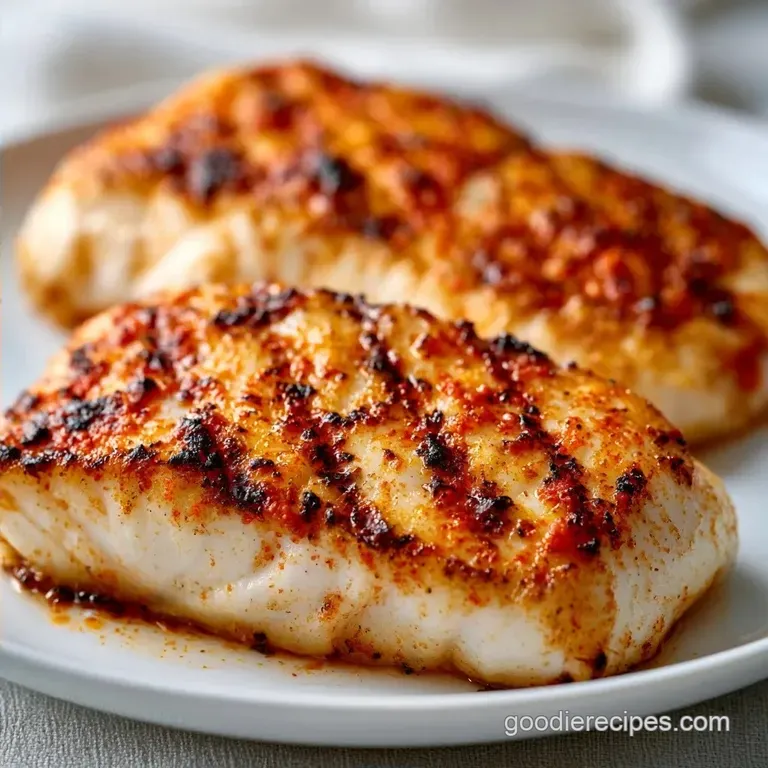
- Time: 5 min active + 10 min cooking
- Flavor/Texture Hook: Smoky char with a rich butter finish
- Perfect for: Fast weeknight dinners
Why Stovetop Grill Pan Fish Works
That first loud sizzle when the fish hits the hot ridges is the best part. I used to dread cooking fish because I always overdid it, ending up with something that tasted like cardboard. Then I realized the issue wasn't the fish, it was my pan temperature.
Once I started getting the pan screaming hot before the fish even touched the surface, everything changed. This Stovetop Grill Pan Fish recipe is all about that over high heat contrast. You get those dark, savory lines on the outside while the inside stays juicy.
It's the kind of meal that feels fancy but takes almost no effort. You can go from a raw fillet to a plated dinner in 15 minutes. It's a huge win for anyone who wants a healthy meal without spending an hour in the kitchen.
High Heat Ridges: The raised bars on the pan concentrate heat, creating char marks and allowing fat to drip away. Butter Basting: Adding butter at the end adds richness and helps the fish finish cooking evenly.
| Fresh Fillets | Pre Cut/Frozen | Impact | Savings |
|---|---|---|---|
| Higher cost | Lower cost | Frozen can be slightly softer | $2-5 per lb |
| Better flake | Consistent size | Less prep time | Minimal |
| Natural moisture | Higher water content | Risk of steaming fish | Varies |
Quick Timing and Details
Before we get into the gear, let's look at the timeline. This is a sprint, not a marathon. You don't have time to wander off and check your phone once the fish hits the pan.
The total time is 15 minutes. Five of those are for prepping the rub and drying the fish. The remaining 10 minutes are spent at the stove. Because white fish cooks so fast, a few extra minutes can be the difference between a juicy fillet and a dry one.
The internal temperature is the only number that really matters here. We are aiming for 145°F. If you don't have a meat thermometer, look for the flesh to turn opaque and flake easily.
The Essential Grocery List
I suggest using a firm white fish. Tilapia is a great budget option, but Mahi Mahi or Halibut hold up better under high heat. If you use a flaky fish like Cod, be very careful when flipping.
| Ingredient | What It Does | Best Swap |
|---|---|---|
| Avocado Oil | High smoke point for searing | Grapeseed oil |
| Smoked Paprika | Adds color and woody flavor | Ancho chili powder |
| Unsalted Butter | Adds richness and shine | Ghee |
- 2 (6 oz / 170g) firm white fish fillets (Tilapia, Mahi Mahi, or Halibut)
- ½ tsp (3g) Garlic powder
- ½ tsp (3g) Smoked paprika
- ½ tsp (3g) Kosher salt
- ¼ tsp (1g) Cracked black pepper
- 2 tbsp (30ml) Avocado oil Why this? Handles high heat without smoking or burning.
- 1 tbsp (15g) Unsalted butter Why this? Creates a rich, glossy finish.
- 1 medium (60g) Lemon, halved
Substitution Options
| Original Ingredient | Substitute | Why It Works |
|---|---|---|
| Avocado Oil | Canola Oil | High smoke point. Note: Neutral flavor, but less heart healthy |
| Smoked Paprika | Sweet Paprika | Adds color. Note: Loses the smoky depth |
| Halibut | Cod | Firm white fish. Note: Flakes more easily, flip carefully |
Gear for the Job
You need a cast iron or heavy duty aluminum grill pan. The ridges are what make this work. If you use a flat skillet, you're just pan frying. The ridges lift the fish away from the surface, which prevents it from boiling in its own juices.
A fish spatula is a lifesaver here. Those wide, thin metal ones let you get under the fillet without tearing the skin or the flesh. If you don't have one, a thin turner works, but be gentle.
Finally, get a digital instant read thermometer. It's the only way to be sure you've hit 145°F without cutting into the fish and letting all the juices run out.
Getting the Sear Right
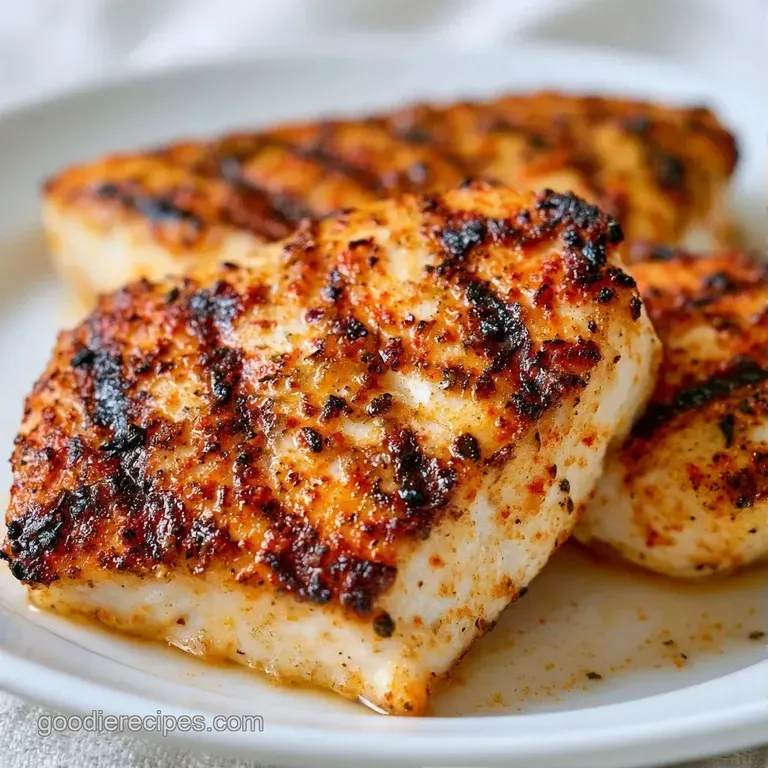
To make Stovetop Grill Pan Fish easy, you have to handle the moisture first. If the fish is damp, it will steam instead of sear. That's how you end up with pale fish that sticks to the pan.
The Moisture Purge
Pat the fish fillets completely dry using paper towels, pressing firmly on both sides. Evenly dust both sides with the garlic powder, paprika, salt, and pepper. Note: Seasoning right before cooking prevents the salt from drawing out too much moisture.
The over High heat Prime
Place a grill pan over medium high heat. Add the avocado oil. Wait until the pan is shimmering and the oil is just beginning to wisp smoke. Note: This is the signal that the pan is hot enough to sear immediately.
The Precision Sear
Carefully place the fillets onto the hot ridges. Press down lightly with a spatula for 5 seconds to ensure contact. Sear undisturbed for 3–5 minutes per side, flipping only once the fish releases naturally from the pan. Note: If it sticks, it's not done searing.
The Butter Baste & Char
During the last 2 minutes of cooking, add the butter into the gaps between the ridges and place the lemon halves cut side down. Spoon the foaming butter over the fish.
Remove once the internal temperature hits 145°F (63°C) or the flesh flakes easily with a fork.
Chef Note: Don't flip the fish more than once. Every time you move it, you lose the heat contact that creates those dark grill lines. Be patient and let the pan do the work.
Fixing Pan Problems
Even for a pro, things can go sideways with Stovetop Grill Pan Fish. Usually, it comes down to temperature or timing.
The Fish Sticking
If the fish won't budge, don't force it. The protein needs to bond with the heat and then release. If you yank it, you'll leave half the fillet on the ridges. Wait another 30 seconds and try again.
Burnt Outside Raw Inside
This happens if your heat is too high or your fillets are too thick. If the outside is blackened but the center is cold, lower the heat slightly and cover the pan with a lid for 2 minutes to trap the heat.
The Flesh Falling Apart
This is common with softer fish like Tilapia. Use a wider spatula and make sure the fish is completely dry before it hits the oil. If you're using a Lemon Garlic Fish Fillet style approach, the acidity can sometimes soften the flesh, so be extra gentle.
| Problem | Root Cause | Solution |
|---|---|---|
| Stuck to pan | Pan not hot enough | Wait for the fish to release naturally |
| Pale color | Too much moisture | Pat fillets drier with paper towels |
| Dry center | Overcooked | Pull at 140°F and let carryover heat finish |
Flavor Swaps and Variations
You can easily change the vibe of this dish by swapping the rub. The method stays the same, but the flavor profile shifts.
For a Zesty Asian Profile Swap the paprika and garlic powder for a mix of ground ginger and a pinch of five spice. Replace the butter with a teaspoon of toasted sesame oil at the end for a nutty aroma.
For a Mediterranean Twist Add dried oregano and a pinch of lemon zest to the rub. Serve with a side of olives and feta. If you want something even simpler, my Simple Grilled Fish Fillet is a great reference for a cleaner taste.
Low Carb/Keto Swap This recipe is already keto friendly. To keep it that way, avoid honey based glazes. Stick to the butter and lemon finish, as the fats keep you full and the flavor is bright.
Decision Shortcut
- Want deep char? Crank the heat and use avocado oil.
- Want more moisture? Pull the fish 5 degrees early.
- Want richer flavor? Double the butter baste.
Adjusting the Portion
Scaling this recipe is simple, but you can't just crowd the pan. If you put too many fillets in at once, the pan temperature drops and you'll steam the fish.
Cooking for One (Half Portion) Use a smaller pan if you have one. Reduce the cooking time by about 20% if the fillet is thinner. Use half a tablespoon of butter for the finish.
Cooking for a Crowd (2x-4x) Work in batches. It's better to cook two fillets perfectly than four fillets that are soggy. Only increase the salt and spices to 1.5x rather than doubling them, as the flavors concentrate during the sear.
Baking Adjustment If you decide to move this to the oven, set it to 400°F. Use the grill pan on a baking sheet for the first 5 minutes to get the marks, then bake for another 5-8 minutes.
Storage and Scrap Tips
Leftover Stovetop Grill Pan Fish is still great, but it doesn't keep those grill marks forever.
Fridge and Freezer Store leftovers in an airtight container for up to 2 days in the fridge. I don't recommend freezing cooked fish, as the texture becomes rubbery. If you must, freeze it in a vacuum sealed bag for up to 1 month.
Reheating the Right Way Avoid the microwave. It will turn your fish into rubber. Instead, put the fillet in a pan over medium heat with a tiny pat of butter. Heat it for 2 minutes per side just to warm it through.
Zero Waste Tips Don't throw away the lemon hulls. Squeeze every drop of juice, then zest the peel into a salad or a pasta dish. If you have fish scraps or skin, toss them in a hot pan with oil to make homemade fish crackers.
Best Sides to Pair
Since the fish is rich and smoky, you want sides that cut through that heaviness with acidity or freshness.
The Light & Fresh Pairing A crisp cucumber salad with rice vinegar and dill works perfectly. The cool crunch balances the hot char of the fish. A side of steamed asparagus with a squeeze of lemon is also a classic choice.
The Hearty Comfort Pairing If you're really hungry, go with a wild rice blend or a creamy polenta. The ridges of the fish look great plated on top of a bed of yellow polenta.
Quick Vegetable Wins Sautéed spinach with garlic takes about 3 minutes and can be done in the same pan after you remove the fish. The leftover butter and lemon bits in the pan will flavor the greens beautifully.
Recipe FAQs
Can you grill fish on a stovetop using a grill pan?
Yes, a ridged grill pan mimics an outdoor grill. It allows you to achieve charred sear marks and a smoky flavor using only your kitchen burner.
How to cook fish in a grill pan on the stove?
Heat avocado oil over medium high until shimmering. Pat fillets dry, season, and sear for 3 5 minutes per side, flipping only when the fish releases naturally from the ridges.
What fish is easiest for beginners to grill on a stovetop?
Firm white fish like Tilapia, Mahi Mahi, or Halibut. These varieties hold their structure better and are less likely to flake apart when flipped.
What is the secret to getting perfect grill marks on stovetop fish?
Press the fillet down lightly with a spatula for 5 seconds. This ensures full contact with the hot ridges before searing the fish undisturbed.
How to prevent fish from sticking to the grill pan?
Pat the fillets completely dry with paper towels. Removing surface moisture prevents the fish from steaming, which is the primary cause of sticking.
Is it true that cooked fish should be frozen for long term storage?
No, this is a common misconception. Freezing cooked fish often results in a rubbery texture; it is better to store leftovers in the fridge for up to 2 days.
How to serve leftover grilled fish?
Repurpose the chilled fillets into a new dish. These fillets work perfectly as a protein filling for fish tacos.
Stovetop Grill Pan Fish