Seasoned Grilled Fish with Garlic and Lemon

- Total43 Mins
- Servings4 fillets
- Calories234 kcal
- Time: 10 min active + 10 min cooking + 23 min tempering/resting
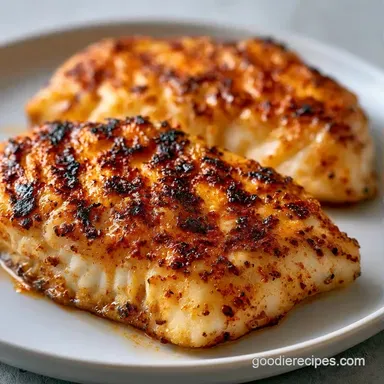
- Texture: Flaky and tender with a crisp, charred crust
- Serve with: Roasted asparagus or a zesty quinoa salad
Seasoned Grilled Fish
Grilled seafood often ends up grey, mushy, or stubbornly stuck to the grates. When the fish is too damp, it steams instead of searing, leaving you with a rubbery texture and no color.
This approach solves that by focusing on moisture control. By prepping the surface and tempering the protein, you get a clean release from the grill and an even cook throughout the fillet.
You can expect a bright, zesty result that tastes like a restaurant meal but takes very little active work. This seasoned grilled fish recipe works for a fast weeknight dinner or a weekend cookout.
Why the Sear Works
- Dry Surfaces: Patting the fish dry prevents steam from forming, which lets the heat create a brown crust immediately.
- Protein Tempering: Letting the fillets lose their chill ensures the middle reaches a safe temp before the outside overcooks.
- Direct Heat: Medium-high heat triggers a quick sear, locking in moisture while creating those charred grill marks.
| Method | Prep Time | Texture | Best For |
|---|---|---|---|
| Quick Rub | 10 mins | Charred & Flaky | Weeknight meals |
| Long Soak | 2 hours | Soft & Infused | Deep flavor profiles |
What Each Ingredient Does
| Component | Function | Alternative Suggestions |
|---|---|---|
| Olive Oil | Spreads seasoning and stops sticking | Avocado oil: Higher smoke point |
| Smoked Paprika | Provides depth and color | Cumin: Earthy, but modifies the flavor |
| Lemon Zest | Brings a zesty citrus pop | Lime zest: Creates a tropical profile |
| White Fish | Light protein base | Salmon: Richer fat, needs more time |
The Seasoning
- 2 tbsp olive oil
- 1 tsp garlic powder
- 1 tsp smoked paprika
- 1 tsp dried oregano
- 1 tsp lemon zest, finely grated
- 3/4 tsp kosher salt
- 1/2 tsp cracked black pepper
The Fish
- 4 (6 oz) white fish fillets (Cod, Halibut, or Snapper) Why this? They hold their shape well on a grill.
- 1 tbsp neutral oil Why this? High smoke point for the grates.
- 1 lemon, cut into wedges
Tools You Will Use
You need a grill or a cast-iron grill pan for those distinct lines. A pastry brush helps get the oil and seasoning exactly where it needs to be. A wide spatula is a must to flip the fish without breaking the delicate flakes.
Key Steps
Stage 1: Preparing the Fish
- Use paper towels to pat the white fish fillets extremely dry on all sides. Note: This is the most important step to stop sticking.
- Let the fillets sit at room temperature for 15–20 minutes to ensure even cooking.
- In a small bowl, whisk together the 2 tbsp olive oil, 1 tsp garlic powder, 1 tsp smoked paprika, 1 tsp dried oregano, 1 tsp lemon zest, 3/4 tsp kosher salt, and 1/2 tsp cracked black pepper.
- Brush the seasoning mixture generously over both sides of the fish fillets.

Stage 2: The Grilling Process
- Preheat the grill or cast-iron grill pan to medium-high heat.
- Use a pastry brush to apply a thin layer of 1 tbsp neutral oil directly to the grill grates.
- Carefully place the fillets on the grill, pressing down lightly once for contact. Cook undisturbed for 4–5 minutes until a crust forms and the fish releases naturally from the grate.

- Carefully flip the fillets using a wide spatula and cook the second side for 3–4 minutes.
- Verify the fish is done when the flesh is opaque throughout and flakes easily with a fork, or reaches an internal temperature of 145°F (63°C) on an instant-read thermometer.
Stage 3: Finishing Touches
- Remove the fish from the heat and let it rest for 2–3 minutes to allow juices to redistribute.
- Serve immediately with lemon wedges.
Problems and Solutions
Preventing Fish from Sticking
If the fillets cling to the grate, it is usually due to surface moisture or insufficient heat. Confirm the grates are shimmering with oil before you begin. If the fish won't flip, wait another 60 seconds; it will release naturally once the crust has fully developed.
Preventing Rubbery Texture
A rubbery texture is the result of overcooking. Use a meat thermometer to reach exactly 145°F (63°C). Since lean white fish dries out quickly, pull it from the heat a few degrees early so carryover cooking can finish the process during the rest.
Avoiding Uneven Cooking
When the center remains raw while the edges burn, the fish was likely too cold when added to the pan. Temper your fillets for at least 15 minutes first to eliminate the temperature difference between the surface and the middle.
| Original Ingredient | Substitute | Why It Works |
|---|---|---|
| Cod (White Fish) | Halibut | Firmer consistency. Note: Slightly more expensive |
| Dried Oregano | Fresh Thyme | Similar earthy notes. Note: Use 3x the amount |
| Smoked Paprika | Chili Powder | Introduces heat. Note: Start with half a teaspoon |
Flavor Variations to Try
Spicy Grilled Fish
Add 1/2 tsp of cayenne pepper or chipotle powder to the rub. This pairs well with a cool yogurt sauce to balance the heat.
Garlic and Ginger Twist
Swap the smoked paprika for 1 tsp of ground ginger and double the garlic powder. This gives the dish a brighter, more aromatic profile.
Zesty Herb Crust
Replace the paprika with fresh chopped parsley and chives. Mix these into the oil at the very end to keep the herbs from burning on the high heat.
Storage Guidelines
Keep cooked fillets in a sealed container for up to 3 days in the fridge. Follow USDA guidelines for leftovers to ensure safety. Avoid the microwave for reheating, as it makes the fish rubbery. Instead, use a toaster oven at 300°F (150°C) for 5–8 minutes.
Do not freeze cooked fish, as the texture becomes grainy. You can, however, make a large batch of the dry seasoning mix (without the oil) and store it in a jar for up to 3 months.
Serving Suggestions

Since this meal is quite light, it's best paired with a more substantial side. Wild rice or roasted root vegetables are wonderful choices. For a bright, summery touch, serve it over a bed of arugula with a simple vinaigrette.
The lemon wedges are essential, as their acidity perfectly cuts through the smokiness of the paprika.
Recipe FAQs
Can fish be cooked on a grill?
Yes, grilling is an excellent way to prepare fish. It adds a smoky flavor and creates a nice crust on the surface.
Which fish species works for this, and what is a good substitute?
Cod, Halibut, and Snapper are the best choices for this recipe. Any firm white fish can be used as a substitute to maintain the structure on the grill.
What seasoning should I put on grilled fish?
Use a mix of olive oil, garlic powder, smoked paprika, dried oregano, lemon zest, salt, and black pepper. This combination provides a balanced, savory profile that complements white fish.
How do I keep fish from sticking to the grill or pan?
Pat the fillets extremely dry with paper towels before seasoning. Apply a thin layer of neutral oil directly to the hot grill grates before adding the fish.
Should I thaw frozen fish before grilling?
Yes, thaw fillets completely before cooking. Place them in the refrigerator overnight for the safest and most consistent results.
Where should I store and how do I reheat leftovers?
Keep cooked fillets in a sealed container in the fridge for up to 3 days. Reheat them in a toaster oven at 300°F (150°C) for 5–8 minutes to avoid a rubbery texture. When reheating cooked leftovers, check with a food thermometer that the center reaches 165°F (74°C); the appliance temperature and time alone do not confirm this.
What side dishes or garnishes go well with this fish?
Serve with fresh lemon wedges and light vegetables. This pairs perfectly with a tangy roasted tomatillo sauce for extra flavor.
Seasoned Grilled Fish with Garlic and Lemon
Ingredients:
Instructions:
You May Also Like

Grilled Fish with Lemon Sauce
Enjoy Grilled Fish with Lemon Sauce featuring a zesty Grilled Fish with Lemon Garlic Sauce.

Creamy Tomatillo Sauce
Looking for a bright Tomatillo Sauce? This zesty recipe is ready in 30 minutes and includes a table…

Easy Homemade Pita Bread
Store-bought pitas often lack a pocket. This Easy Homemade Pita Bread puffs every time using high…

Smoky Roasted Tomatillo Sauce (4 Cups)
Raw tomatillo salsas often taste too sharp. This Smoky Roasted Tomatillo Sauce uses charring to…

Roasted Garlic Grilled Fish
Roasted Garlic Grilled Fish has a buttery depth. Try this lemon garlic grilled fish recipe with our…

Butter Sauce Grilled Fish
Butter Sauce Grilled Fish provides a restaurant-style finish with a high heat sear.
