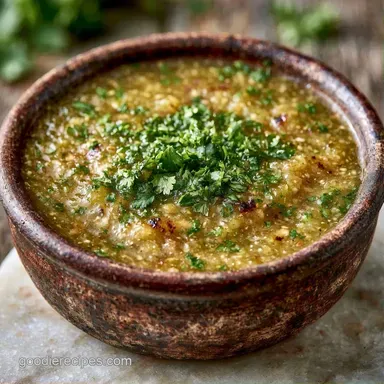
Smoky Roasted Tomatillo Sauce in 18 Minutes
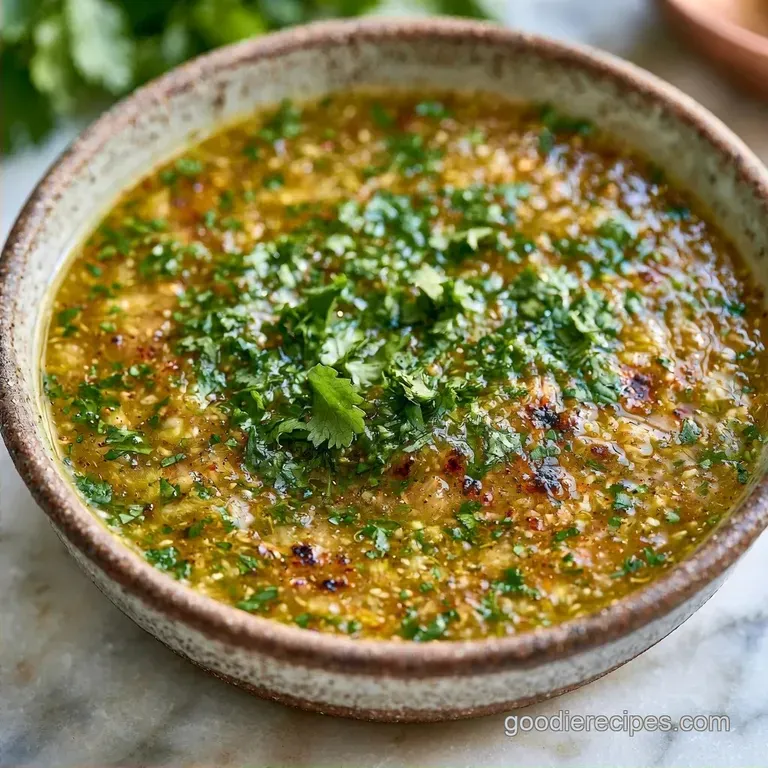
- Time: 10 min active + 20 min cooking
- Flavor/Texture Hook: Tangy, charred, and slightly chunky
- Perfect for: Taco night, grilled meats, or a bold appetizer
- Making a Smoky Roasted Tomatillo Sauce
- Why the Broiler Wins
- Gear for the Job
- What Each Ingredient Does
- Recipe Specs
- Stovetop vs Oven Methods
- Shopping List Breakdown
- From Prep to Plate
- Common Mistakes & Troubleshooting
- Flavor Adjustment Shortcuts
- Storage & Reheating
- Make It Your Own
- Presentation Tips
- Recipe FAQs
- 📝 Recipe Card
Making a Smoky Roasted Tomatillo Sauce
The scent of blistering tomatillos hitting a hot pan is something you don't forget. It's that sharp, acidic steam mixed with the smell of blackened onion skins. In many Mexican households, this isn't just a condiment. It's a staple that brings a bright, zesty contrast to heavy meats or simple corn tortillas.
I used to just boil my vegetables, but that left the sauce tasting flat. Once I started roasting, everything changed. The heat transforms the ingredients, turning raw, tart fruit into something rich and complex.
You can expect a sauce that hits every part of your palate. It's zesty from the lime, pungent from the roasted garlic, and has a lingering warmth from the jalapeños. This Smoky Roasted Tomatillo Sauce is meant to be bold, not subtle.
Why the Broiler Wins
Charred Sugars: High heat caramelizes the natural sugars in the onions and tomatillos. This cuts through the sharpness and adds a deep, savory layer.
Fast Evaporation: Broiling removes excess moisture quickly. This keeps the sauce from becoming watery and ensures the flavors stay concentrated.
Gear for the Job
A few specific tools can make this process much smoother. First, use a sturdy rimmed baking sheet to capture all the flavorful pan juices. While a high powered blender is excellent, a standard food processor will get the job done just as well.
I recommend a blender since it processes roasted garlic and onion wedges more smoothly. Just be cautious with heat; ensure your blender is rated for warm ingredients or let the vegetables cool slightly so the steam doesn't force the lid open.
What Each Ingredient Does
The balance of this sauce comes from the interaction between the tart tomatillos and the earthy cumin. According to Serious Eats, tomatillos are actually related to gooseberries, which explains that unique, citrusy bite they have compared to regular tomatoes.
| Ingredient | What It Does | Best Swap |
|---|---|---|
| Tomatillos | Provides the tart, acidic base | Green tomatoes (less tart) |
| Jalapeños | Adds a clean, grassy heat | Serrano peppers (more spice) |
| White Onion | Adds savory depth and sweetness | Yellow onion (sweeter) |
| Fresh Cilantro | Brings a bright, herbal finish | Flat leaf parsley (milder) |
Recipe Specs
This recipe yields about 4 cups of sauce. It's a generous amount, but it disappears quickly when you have chips nearby. The prep is fast, taking only 10 minutes, and the cook time is a quick 20 minutes.
The total time from start to finish is 30 minutes. It's a fast process, but the flavor tastes like it simmered for hours because of that over high heat char.
Stovetop vs Oven Methods
Depending on your gear, you might choose a different heat source. While I prefer the broiler, some people like the grill.
| Method | Result | Time |
|---|---|---|
| Oven Broiler | Consistent char, very fast | 20 minutes |
| Stovetop Pan | More intense sear, manual turning | 25 minutes |
| Outdoor Grill | Maximum smoke, uneven char | 20 minutes |
The oven is the most reliable for a home cook. You can watch the vegetables blister without having to flip every single piece of garlic.
Shopping List Breakdown
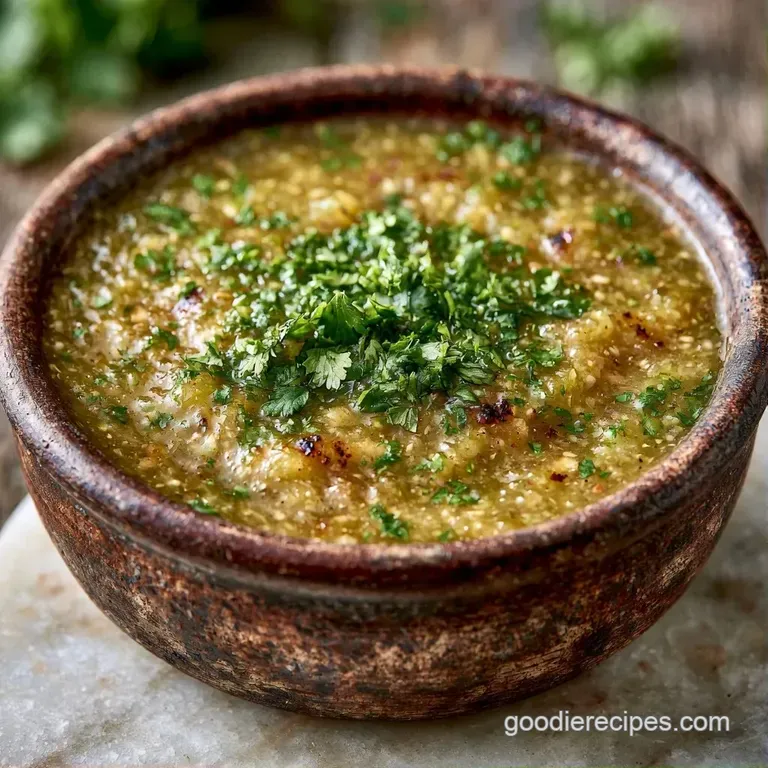
Gather these items before you start the broiler. Using fresh lime juice instead of the bottled stuff is a must here, as the bottled version often has a metallic aftertaste.
- 1 lb tomatillos, husked and rinsed Why this? Essential for that authentic, tart green base
- 2 medium jalapeños, halved lengthwise
- 1/2 medium white onion, cut into thick wedges
- 4 cloves garlic, peeled
- 1/4 cup fresh cilantro, packed
- 2 tbsp fresh lime juice
- 1 tsp kosher salt
- 1/2 tsp ground cumin
- 1 tbsp neutral oil (like canola or vegetable)
| Original Ingredient | Substitute | Why It Works |
|---|---|---|
| Lime Juice | Lemon Juice | Similar acidity. Note: Less floral than lime |
| Neutral Oil | Avocado Oil | High smoke point. Note: Adds a subtle nuttiness |
| Kosher Salt | Sea Salt | Same function. Note: Use slightly less if using fine salt |
Let's talk about the tomatillos. When you buy them, look for ones that are firm and bright green. If they're too soft, they won't char as well.
From Prep to Plate
The goal here is "blackened, not burnt." You want those dark spots on the skins because that's where the smoke comes from.
Phase 1: The over High heat Char
- Set your oven to Broil (High).
- Arrange the tomatillos, halved jalapeños, onion wedges, and garlic cloves on the baking sheet. Drizzle with 1 tbsp neutral oil and a pinch of salt.
- Place the tray under the broiler for 5–8 minutes until tomatillo skins are blistered and blackened in spots and onions have charred, mahogany edges.
- Remove the tray from the oven and let the vegetables cool for 5 minutes. Note: This prevents the blender from over pressurizing.
Phase 2: The Fresh Blend
- Transfer all roasted vegetables and any pan juices into the blender.
- Add the fresh cilantro, lime juice, salt, and ground cumin.
- Pulse 5 7 times for a chunky texture, or blend on high for 30 seconds for a velvety finish.
Chef's Note: Don't peel the charred skins off the tomatillos. Those black bits are the engine of the flavor in this Smoky Roasted Tomatillo Sauce.
Common Mistakes & Troubleshooting
Even straightforward recipes can be unpredictable, often due to the natural variations in fresh produce.
Balancing the Acidity
If the sauce tastes too sharp or acidic, avoid simply adding more salt. Instead, stir in 1/2 teaspoon of honey or agave nectar. This doesn't make the sauce sugary like a dessert, but it neutralizes the acid and rounds out the flavor profile.
Adjusting the Consistency
If your sauce is too thin, it's typically because the tomatillos were particularly juicy. You can blend in a small piece of reserved roasted onion, or simply let the sauce chill in the fridge for an hour to allow the fibers to absorb some of the liquid.
Reducing the Spice
If the jalapeños turned out hotter than anticipated, add a tablespoon of olive oil or a small amount of avocado. The fat binds to the capsaicin, mellowing the burn without sacrificing the flavor.
Flavor Adjustment Shortcuts
| Goal | What to change |
|---|---|
| More Smoke | Increase broil time by 2 mins |
| Brighter Taste | Add 1 extra tsp lime juice |
| Milder Heat | Remove jalapeño seeds |
Storage & Reheating
This Smoky Roasted Tomatillo Sauce remains fresh for 5 days when refrigerated. Use a glass jar with a tight seal to prevent the sauce from picking up other odors in your fridge.
For longer term storage, it stays perfect in the freezer for 3 months. I recommend using ice cube trays first, then transferring the frozen cubes into a freezer bag. This allows you to defrost only as much as you need for each meal.
To warm it up, leave it on the counter for a bit or zap it in the microwave for 10 seconds. If using it as a dip, room temperature is usually the best choice.
To minimize waste, keep your cilantro stems. Chop them finely and blend them right into the sauce; they offer a bolder flavor than the leaves. This sauce also pairs beautifully with Roasted Chickpeas for a nutritious snack.
Make It Your Own
After mastering the basic recipe, feel free to experiment with the flavor profile. To achieve a bolder, smokier taste, create a Tomatillo Chipotle Salsa by tossing one chipotle pepper in adobo sauce into the blender.
If you own a Traeger or a similar pellet grill, a Smoked Salsa Verde Traeger variation is an excellent choice. Smoke your vegetables at 225°C for roughly an hour, then finish them with a fast sear over high heat. The extra time is well worth it for the incredible depth of flavor.
For a richer consistency, stir in a tablespoon of sour cream or Greek yogurt. This transforms the salsa into a smooth crema, perfect for drizzling across tacos. It also pairs beautifully with Grilled Fish with Lemon Sauce.
Presentation Tips
Presentation is all about contrast. To make the vibrant green of the sauce stand out, serve it in a white ceramic bowl.
Garnish the sauce with a sprinkle of fresh cilantro and a few slices of raw jalapeño. If you are using it as a dip, add a few whole charred tomatillos on top for a rustic, home style touch.
For a hearty main, pour the Smoky Roasted Tomatillo Sauce over blackened shrimp or grilled pork chops. The acidity perfectly offsets the richness of the meat, keeping every mouthful fresh.
Recipe FAQs
How to make salsa verde at home?
Broil tomatillos, jalapeños, onion, and garlic for 5 8 minutes before blending with cilantro, lime, salt, and cumin.
Tip: Use a baking sheet to catch all the roasted pan juices for extra flavor.
What do tomatillos taste like?
They have a citrusy, tart flavor similar to a green tomato but with more acidity.
Tip: Always rinse them well after removing the husks to get rid of the sticky residue.
Do I have to boil tomatillos to remove the bitterness?
That's a myth. Broiling them at High heat creates a smokier, deeper flavor without the need for boiling.
Tip: Watch for blackened spots on the skins to ensure you get that charred taste.
Which blender setting produces the best consistency?
Pulse 5 7 times for a chunky style or blend on high for 30 seconds for a velvety finish.
Tip: Start with pulsing to avoid over processing the cilantro into a paste.
Can this sauce be frozen?
Freeze the sauce in ice cube trays for up to 3 months.
Tip: Pop the frozen cubes into a freezer bag for easy portioning.
Where can I use this sauce?
Serve it over tacos, grilled fish, or morning eggs.
Tip: If you enjoyed balancing the tart acidity here, see how we use a similar balance in our sweet and sour sauce.
Smoky Roasted Tomatillo Sauce